Disclosure: This site contains affiliate links. We may earn a commission if you make a purchase, at no extra cost to you.

>
>
>
>
Ginzan Onsen

Ginzan Onsen

Snowy twilight landscape of Ginzan Onsen with lit gas lamps and historic wooden ryokans along a steaming river

Ginzan Onsen Overview & Key Highlights

Ginzan Onsen is a secluded hot spring settlement nestled along a narrow river valley in Yamagata Prefecture's Obanazawa municipality. Originally developed around an active silver mine during the early Edo period, the hamlet transformed into a hot spring haven characterized by multistoried wooden ryokan built during the Taisho and early Showa eras. Gas lamps line the central Ginzan River, illuminating ornamental plaster kote-e reliefs, pedestrian footbridges, and thermal steam vents rising into crisp subalpine air. Visitors navigate a pedestrian-only central street flanked by traditional inns offering private and communal mineral-rich baths. While famous globally for its dramatic snowbound winter vistas reminiscent of animated period films, the settlement serves as a serene retreat year-round featuring forest trails leading to the historic Nobesawa silver mine caves and Shirogane Waterfall. A sojourn here emphasizes deliberate slowness, seasonal kaiseki gastronomy, and therapeutic onsen soaking.

Ginzan Onsen Travel Guide: Logistics & In-Depth Tips

Ginzan Onsen occupies a narrow mountain fissure carved by the Ginzan River in northeastern Yamagata Prefecture. The town's dramatic aesthetic dates to a comprehensive reconstruction following catastrophic flooding in 1913, when local hot spring proprietors chose to abandon traditional single-story thatched buildings in favor of bold, three-to-four-story Western-influenced timber structures built during the Taisho Democracy era. This historic architecture features intricate wood joinery, ornate plaster work known as kote-e depicting seasonal flowers and mythological beasts, and wide observation verandas cantilevered above the steaming waters.

By day, the sound of rushing mountain water and clattering wooden geta sandals fills the valley floor as visitors explore artisan woodcraft workshops, taste freshly steamed buns, and view the roaring 22-meter Shirogane Waterfall at the valley's head. When dusk falls, warm gas streetlamps cast amber reflections across the snow and river currents, creating an atmosphere untouched by modern automotive traffic.

Reasons to Visit

  • Authentic Taisho-era wooden ryokan architecture preserved in a pristine, car-free valley setting.
  • Mineral-laden natural hot springs featuring clear, sulfurous thermal waters renowned for skin revitalizing properties.
  • Atmospheric nighttime illumination along the riverbank lit by historic gas lanterns.
  • Sublime winter scenery that embodies classic Japanese alpine winter aesthetics.
  • Hiking paths passing through preserved silver mining tunnels and pristine river gorges.

Things to Avoid

  • Avoid walking with smooth-soled street shoes during winter; compacted ice makes the riverside footpaths hazardous.
  • Avoid arriving late afternoon without an advance bus plan or hotel confirmation, as services end early and accommodations do not accept walk-ins.
  • Avoid wheeling oversized heavy luggage through the town's slushy, cobbled pedestrian corridors; ship bags forward via Yamato transport service.
  • Avoid loud conversations or disruptive behavior along the river late at night, as wooden inn walls carry sound easily.

Local Transportation Tips

Ginzan Onsen is strictly pedestrian-only within its central district. Public transportation access relies on the Hanagasa Bus service connecting Oishida Train Station with the town's upper bus stop in roughly 40 minutes. Guests holding overnight ryokan reservations can typically arrange complimentary private shuttles directly from Oishida Station with advance notice. Once inside the village, every attraction, bathhouse, and eatery is reachable on foot within a five-minute stroll.

Travel Etiquette

  • Rinse thoroughly with soap and warm water at the wash stations before stepping into any shared onsen bath.
  • Never submerge hand towels or hair into communal thermal waters; balance folded towels on your head or set them by the tub rim.
  • Do not fly recreational drones over the village gorge; local municipal bylaws strictly prohibit drone operation for privacy and heritage preservation.
  • Wear your ryokan-supplied yukata robe and geta clogs correctly folded left side over right when wandering outside.

Recommended Age Group

Ginzan Onsen appeals primarily to adult travelers and couples seeking unhurried relaxation, historical architecture, and quiet thermal bathing environments.

  • Babies (0-2 years): Not Recommended. Narrow pedestrian paths, steep ryokan staircases without elevators, and scalding hot spring water temperatures pose logistical challenges for toddlers and infants.
  • Kids (3-12 years): Neutral. Children fascinated by snowy landscapes will appreciate the winter scenery, but entertainment infrastructure is minimal and traditional ryokans require strict indoor quietness.
  • Teens (13-19 years): Neutral. Photography enthusiasts and anime fans will enjoy the iconic views, though nightlife and interactive activities are non-existent.
  • Adults (20-64 years): Recommended. Perfect demographic for soaking in historic onsen, savoring multi-course seasonal dining, and experiencing deep winter relaxation.
  • Seniors (65+ years): Recommended. Highly rewarding for mature travelers who appreciate traditional craftsmanship and slow wellness travel, provided caution is exercised on winter ice and historic ryokan stairways.

Accessibility Level: Medium

  • The main valley promenade is relatively flat but paved with river cobblestones and wooden bridges that can be bumpy for standard wheelchairs.
  • Historic multistoried ryokan buildings rarely possess passenger elevators; most accommodations involve steep wooden interior staircases.
  • Accessible barrier-free ryokan rooms exist in limited modern annexes, requiring explicit advance booking.
  • Winter brings substantial snow buildup and ice layers that severely impede all wheeled mobility devices.

Did You Know?

Ginzan Onsen's name translates directly to 'Silver Mountain Hot Spring,' paying homage to the discovery of the Nobesawa Silver Mine in 1456, which once ranked as one of Japan's three greatest silver mining sites before collapsing and giving way to full-time thermal wellness.

Cool Statistics

  • The Nobesawa Silver Mine operated for over two centuries, yielding hundreds of kilograms of silver annually at its peak.
  • Thermal spring waters discharge naturally at temperatures between 55°C and 63°C (131°F to 145°F).
  • Most heritage riverside ryokans date back specifically between 1925 and 1935, representing rare surviving clusters of multistory timber architecture.


Address:

Ginzan Onsen, Obanazawa, Yamagata Prefecture, Japan

Find Nearby Accommodations

Basic Info

address icon

COUNTRY & Region

Japan,
Asia

ACCESSIBILITY LEVEL​

Medium
Currency icon

LOCAL CURRENCY​

Japanese Yen (JPY)
Price level icon
High
Safety Level icon

SAFETY LEVEL

Duration icon

Recommended Duration

• Overnight
• 1-7 days

Electricity

electricity icon

Electricity

100-110V, 
50Hz
Plug Socket icon

Plug Type

• Type A (Flat blade)
• Type B (Flat blade with grounding pin)
Plug types
Click To View Plug Types
Ginzan Onsen is part of our
Set-Jetting collection

Activities To Do In Ginzan Onsen

Best Time To Visit Ginzan Onsen

Ginzan Onsen changes character drastically between deep winter snowfall and emerald summer forestry.

  • January to February: The definitive winter wonderland experience with heavy snowfall, illuminated snowdrifts, and frozen eaves. Bookings must be secured up to six months ahead.
  • May to June: Pleasant spring greenery, uncrowded riverbanks, and comfortable walking temperatures for hiking the silver mine trails.
  • October to November: Vivid autumn foliage blankets the gorge walls in crimson and amber, offering crisp onsen weather without deep winter logistics.

Average Temperatures Per Month

Remember to check the weather forecast a few days before the trip and before heading to the airport.

Safety Level icon

Safety Level

Ginzan Onsen maintains virtually zero violent crime, making physical safety exceptional day and night. The primary hazard is environmental: narrow riverside stone promenades become treacherous ice sheets during winter, and heavy roof snowfalls pose sudden overhead slide hazards. Stay strictly on cleared paths and avoid venturing past barricades at Shirogane Waterfall in freezing conditions.

The rating is based on multi-year peace, crime, and security indices. Before you go, always verify current conditions through official government travel advisories.

Emergency Numbers

Police: 110
Ambulance: 119

No internet needed • Includes local translations • Free for TravelingWiz readers

Spoken Languages

Japanese (Standard & Yamagata-ben dialect). Basic hospitality English is spoken at primary ryokan desks.

Learn The Language

  • Konnichiwa: Hello
  • Arigatou gozaimasu: Thank you very much
  • Sumimasen: Excuse me / Pardon
  • Kore wa ikura desu ka?: How much is this?
  • Onsen wa doko desu ka?: Where is the hot spring?
  • O-kaikei kudasai: The bill, please
  • Tasukete kudasai: Please help me
  • Itadakimasu: Grateful phrase before meals
Travel Booking Partner - TravelingWiz

Trip Cost & Budgeting for Ginzan Onsen, 2026

Everything you need to know about money while traveling
Is Ginzan Onsen expensive for tourists in 2026? Yes, while day trips from Yamagata are moderate, staying overnight in traditional ryokan inns makes it a high end destination. Expect to pay around 500 JPY for a cup of coffee, 600 JPY for a local draft beer, and 2,500 JPY for a mid-range restaurant meal. Our Human Verified prices reflect current local costs. Use the data table below to calculate your specific daily budget based on your travel style.
Currency icon

LOCAL CURRENCY​:

Japanese Yen (JPY)
Price level icon
High
Major ryokan accept credit cards, but small souvenir stalls, local buses, and street food vendors require cash.

Per person, per day – pocket cash for small purchases.

Local: 2250
Japanese Yen (JPY)
≈ 14 USD

Full daily spend estimation (accommodation, food, transportation, attractions).

Travel Style
Japanese Yen (JPY)
≈ USD ($)
Budget
12400
79
Mid-range
22500
143
Comfort
49500
316

The Prices, Daily costs, and calculator results are estimates for planning purposes only. Actual costs may vary based on season, booking timing, personal spending habits, and currency fluctuations. TravelingWiz cannot be held responsible for discrepancies between these estimates and your final trip expenses.

  • • Visit as a day trip from Yamagata or Sendai to save significantly on expensive overnight ryokan stays.
  • • Take the local shuttle bus from Oishida Station instead of booking expensive private transfers.
  • • Enjoy affordable local soba noodle set meals in town rather than high-end multi-course dining.
  • • Use a JR East Pass to cover your Shinkansen bullet train transit to Oishida Station.

Pre-Order Tickets

Avoid disappointment when tickets sell out — and skip the long lines by booking online in advance. You’ll often save up to 20% too.
Save up to 20%

Travel Discounts & Coupons

Save on hotels, attractions, transport, and gear — find verified discounts for smarter travel spending.
Verified Coupons

What To Pack

  • Slip-on waterproof winter boots with aggressive treads or attachable ice crampons for icy bridges
  • Thermal base layers and insulated outerwear, especially between December and March
  • Cash in Japanese Yen, as mountain ATMs and card terminals are extremely scarce
  • Slip-on shoes or loafers for effortless removal at ryokan entrances
  • Compact microfiber towel for dipping into the riverside Warashiyu footbath
We couldn't find tips for Ginzan Onsen.
If you got any, please share

Recommended Itineraries for Traveling to Ginzan Onsen

We couldn't find itineraries for Ginzan Onsen.
you can contact us for custom trip plan

Food & Drink Highlights

Local Food Overview

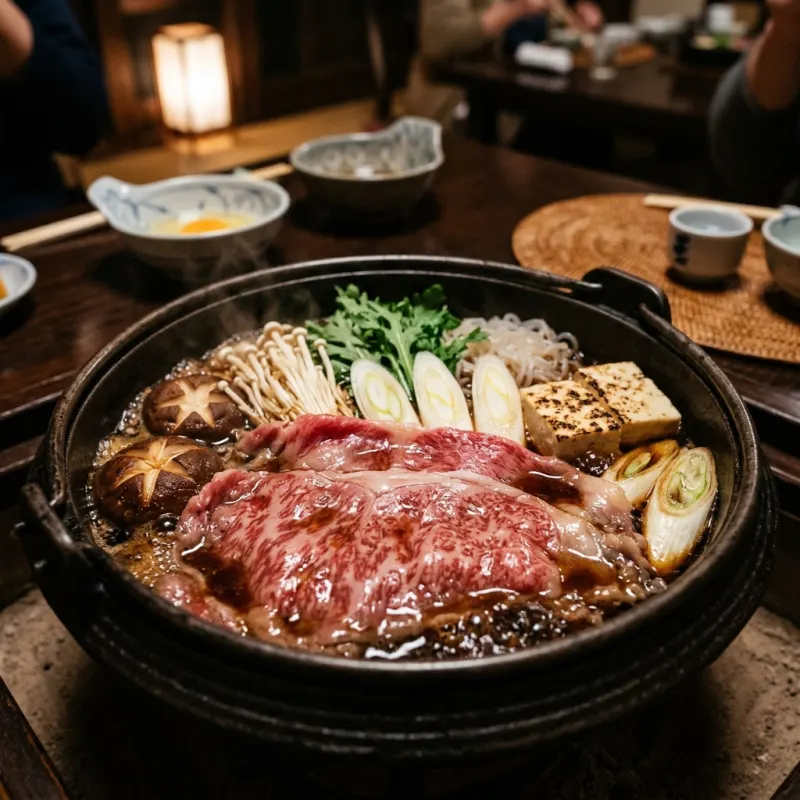
Gastronomy in Ginzan Onsen centers on hearty Yamagata alpine provisions and mountain foraging. Local buckwheat fields produce firm, aromatic Obanazawa soba served chilled or steeped in rich duck broth. Premium Obanazawa Wagyu beef, marbled with healthy unsaturated fats developed during frigid winters, stars in bubbling sukiyaki and shabu-shabu tableside hot pots. Street vendors supply crispy deep-fried curry buns (Haikara-san Curry Bread), warm tofu simmered in mineral spring water, and regional seasonal wild vegetables (sansai).
Bubbling iron hot pot of premium Obanazawa Wagyu sukiyaki with fresh mushrooms and vegetables

Must Try Dish

Obanazawa Wagyu Sukiyaki - Thin ribbons of intensely marbled local beef simmered in sweet soy dashi alongside mountain mushrooms and leeks, dipped in whisked raw egg.
Food Experiences Title Icon

Food
Experiences

Discover cooking classes, tastings and local food tours

No food experience found
Maya, the human travel expert at TravelingWiz, offering curated, non-AI expertise

Maya’s Final Checklist for Ginzan Onsen

Logistics shouldn’t be the focus of your trip—the experience should. I’ve hand-vetted these essential partners to ensure your arrival, stay, and exploration are as smooth as an Athenian breeze.

Where to Stay

From boutique hotels to local apartments—compare thousands of options and find the perfect stay in the best neighborhood.

Air Travel

Getting there should be seamless. Compare the best routes and prices across top airlines to start your journey on the right note.

Local Guides

Connect with experts who know the destination best. Get personalized advice and insider tips to help you plan your perfect trip.

Travel Protection

The “Engineer’s” rule: always have a backup. Secure your trip with a plan that covers every “what if” and unexpected change.

Car Rentals

Explore at your own pace with total freedom. Compare reliable rental options and find the right vehicle for your adventure.

Visa Services

Don’t let paperwork slow you down. Get expert assistance with your application to ensure all your entry documents are in order.

FAQs

Take the JR Yamagata Shinkansen from Tokyo Station directly to Oishida Station (around 3 hours and 20 minutes). From Oishida Station, board the local Ginzan Line bus operated by Hanagasa Bus (approx. 40 minutes) directly to the bus terminal outside Ginzan Onsen village.
Yes, day visitors can explore the village, soak in public bathhouses like Shiroganeyu or the riverbank footbath Warashiyu, and dine at local cafes. However, day tourists must catch the last outbound bus back to Oishida Station in the late afternoon, missing the serene late-night gas-lamp atmosphere.
No, the central historic street along the river is entirely pedestrianized. Visitors arriving by rental car must park in designated visitor lots on the hillside above the village and either walk down or utilize ryokan shuttle transfers.
Significant snow cover generally starts by mid-to-late December, reaches peak postcard thickness throughout January and February, and gradually melts away by late March.

Your Insights Matter

TravelingWiz grows through the stories of our community. If you’ve recently explored ,Ginzan Onsen share your tips and stories to help us perfect our guides for the next traveler.

Related Articles

Check out our related articles and blog posts to learn even more about the destination.

No related articles found

Don’t Travel Alone

Share with your friends and family

Where should we send your offline card?

We hate spam just as much as you do

newsletter_consent *