Disclosure: This site contains affiliate links. We may earn a commission if you make a purchase, at no extra cost to you.

>
>
>
>
Hirosaki
Hirosaki Castle surrounded by blooming cherry blossoms with Mount Iwaki in the distance

Hirosaki Overview & Key Highlights

Hirosaki stands as the cultural heart of Aomori Prefecture, anchored by its majestic seventeenth-century castle park and rich samurai heritage. Surrounded by Mount Iwaki and sprawling apple orchards, this former castle town offers a tranquil glimpse into Northern Honshu's enduring artisan traditions and feudal past. Travelers wander along moats that transform with the seasons, from world-renowned spring cherry blossom petals coating the water to radiant autumn maple leaves and glowing winter snow lanterns. Beyond the castle grounds, the preserved Nakamachi samurai district, Western-style Meiji-era brick architecture, and craft workshops showcasing Tsugaru lacquerware make Hirosaki an enchanting destination. The city's walkable center, thriving cider scene, and accessible public transport network ensure an intimate experience away from crowded metropolitan corridors.

Hirosaki Travel Guide: Logistics & In-Depth Tips

Hirosaki served as the political and cultural capital of the Tsugaru domain during the Edo period under the rule of the Tsugaru clan. Today, it remains one of Tohoku's premier cultural repositories, boasting Hirosaki Castle—one of only twelve original castle keeps remaining in Japan. Built in 1611, the fortress is encircled by expansive moats, defensive turrets, and over 2,600 cherry trees, establishing it as one of the country's celebrated scenic spots.

Beyond its military fortifications, Hirosaki preserves an atmospheric architectural duality. The Nakamachi district retains authentic samurai residences with wood-slat walls and cedar hedges, while downtown neighborhoods feature Western-style red-brick buildings and churches erected by foreign educators invited during the Meiji modernization era. Combined with Mount Iwaki looming on the western horizon and endless orchards yielding world-class apples, Hirosaki balances historical richness with serene pastoral beauty.

Reasons to Visit

  • Hirosaki Castle & Park: Witness one of Japan's twelve surviving original castle keeps surrounded by historic watchtowers and moats.
  • World-Class Cherry Blossoms: Experience over 2,600 flowering sakura trees and floating petal carpets covering the historic outer moats.
  • Nakamachi Samurai District: Walk down centuries-old lanes lined with preserved Edo-era residences of high-ranking warriors.
  • Apple Capital Culture: Sample dozens of distinct apple pie varieties, fresh ciders, and orchard tours in Japan's premier apple region.
  • Meiji-Era Western Architecture: Admire historic fusion landmarks like the Former Hirosaki City Library and Aomori Bank Memorial Hall.
  • Hirosaki Neputa Festival: Marvel at towering fan-shaped illuminated floats during the fiery festival held each August.

Things to Avoid

  • Avoid wearing shoes inside traditional buildings, temples, or tatami tea houses; always step onto the elevated wooden floor before taking your shoes off.
  • Avoid visiting during peak Golden Week without booked accommodation months in advance, as hotels across the Tsugaru region fill rapidly.
  • Avoid walking on frozen moat surfaces or standing directly underneath building eaves loaded with heavy snowpack in winter.
  • Avoid expecting ubiquitous English signage or English-speaking staff in neighborhood mom-and-pop restaurants; keep translation apps ready.

Local Transportation Tips

Hirosaki's city center is compact and pedestrian-friendly. The Dotemachi Loop Bus departs every 10 minutes from JR Hirosaki Station and circles major sights, including Hirosaki Castle and the historic museum quarter, for a flat fare of 100 JPY. For regional exploration, the Konan Railway lines connect the city center to Mount Iwaki foothills and neighboring Kuroishi. Rental bicycles are widely available during non-winter months at the station tourist center.

Travel Etiquette

  • Remove your shoes when entering heritage homes like the Ishiba Residence or traditional ryokans.
  • Do not touch or break branches while viewing cherry blossoms or autumn foliage in the castle park.
  • Keep speaking voices low on public transit, and set mobile phones to silent ('manner mode').
  • Sort trash diligently at collection points into burnable, non-burnable, and recyclable plastics/cans.

Recommended Age Group

Hirosaki caters exceptionally well to cultural explorers, leisurely vacationers, and history enthusiasts across all life stages.

  • Babies (0-2 years): Neutral. Paved paths in Hirosaki Park accommodate strollers, but historic residences feature steps, raised thresholds, and narrow corridors.
  • Kids (3-12 years): Recommended. Spacious castle grounds, wide open lawns, pedal boat rentals on the moat, and apple-picking farms provide engaging outdoor recreation.
  • Teens (13-19 years): Recommended. Historic samurai architecture, artisan craft shopping, vibrant festival culture, and café culture offer engaging cultural insight.
  • Adults (20-64 years): Recommended. Ideal for relaxed walking tours, architectural appreciation, local cider tasting, and museum visits.
  • Seniors (65+ years): Recommended. Flat park paths, efficient 100-yen loop buses, serene gardens, and safe, walkable surroundings make it highly manageable.

Accessibility Level: Medium

  • Hirosaki Castle Park maintains wide, flat asphalt outer paths suitable for wheelchairs and mobility aids.
  • The interior of the historic castle keep requires climbing steep wooden stairs and is not wheelchair accessible.
  • The Dotemachi 100-yen Loop Bus fleet features low-floor, kneeling buses with wheelchair accessibility ramps.
  • Major public facilities, including the Hirosaki City Information Center and Fujita Memorial Garden rest pavilion, feature accessible restrooms.

Did You Know?

Hirosaki Castle's main keep was moved 70 meters inland in 2015 without dismantling the structure, using hydraulic jacks and steel rollers, to facilitate extensive stone wall repairs—a process called 'hikiyaiten'.

Cool Statistics

  • Produces roughly 20% of all apples harvested in Japan.
  • Hirosaki Castle Park is home to Japan's oldest Somei-Yoshino cherry tree, planted in 1882.
  • Features over 50 officially registered bakeries producing distinct artisan apple pies.
  • Maintains one of only 12 authentic Edo-era castle keeps remaining intact across Japan.

Address:

Hirosaki, Aomori Prefecture, Japan

Find Nearby Accommodations

Basic Info

address icon

COUNTRY & Region

Japan,
Asia

ACCESSIBILITY LEVEL​

Medium
Currency icon

LOCAL CURRENCY​

Japanese Yen (JPY)
Price level icon
Medium
Safety Level icon

SAFETY LEVEL

Duration icon

Recommended Duration

• 1-7 days
• Full day

Electricity

electricity icon

Electricity

100-110V, 
50Hz
Plug Socket icon

Plug Type

• Type A (Flat blade)
• Type B (Flat blade with grounding pin)
Plug types
Click To View Plug Types
Hirosaki is part of our
Coolcation collection

Activities To Do In Hirosaki

Best Time To Visit Hirosaki

Hirosaki is a four-season destination, with each period offering dramatic environmental contrasts.

  • Late April to Early May: Peak spring season during the Hirosaki Cherry Blossom Festival, when thousands of sakura trees blanket the castle moats in pink petals (hanaikada).
  • August: Vibrant summer festival energy during the Hirosaki Neputa Festival, showcasing massive illuminated fan-shaped paper lanterns parading through the streets.
  • October to November: Crisp autumn weather accompanied by vibrant maple foliage inside Hirosaki Castle Park and the height of the local apple harvest.
  • December to February: Deep winter wonderland featuring the Hirosaki Castle Snow Lantern Festival and serene snowscapes set against Mount Iwaki.

Average Temperatures Per Month

Remember to check the weather forecast a few days before the trip and before heading to the airport.

Safety Level icon

Safety Level

Hirosaki is exceptionally safe with remarkably low crime rates. The primary concern for travelers is icy pathways during winter, necessitating proper snow boots or clip-on ice cleats to prevent slips. Be cautious of falling snow or icicles from traditional pitched roofs between December and March.

The rating is based on multi-year peace, crime, and security indices. Before you go, always verify current conditions through official government travel advisories.

Emergency Numbers

Police: 110
Ambulance: 119

No internet needed • Includes local translations • Free for TravelingWiz readers

Spoken Languages

Japanese (standard Japanese is understood by all; elderly locals may speak the regional Tsugaru-ben dialect).

Learn The Language

  • Konnichiwa — Hello
  • Arigatou gozaimasu — Thank you very much
  • Sumimasen — Excuse me / Sorry
  • Kore wa ikura desu ka? — How much is this?
  • Eigo ga hanasemasu ka? — Do you speak English?
  • Kore o kudasai — I would like this please
  • O-kaikei o onegai shimasu — The bill, please
  • Moyori no eki wa doko desu ka? — Where is the nearest station?
Travel Booking Partner - TravelingWiz

Trip Cost & Budgeting for Hirosaki, 2026

Everything you need to know about money while traveling
Is Hirosaki expensive for tourists in 2026? While Japan has a reputation for being pricey, Hirosaki remains quite affordable for visitors. Expect to pay around 400 JPY for a cappuccino, 500 JPY for a domestic beer, and 1,500 JPY for a standard main meal at a mid-range restaurant. Featuring Human Verified prices, regional attractions and local dining offer fantastic value compared to major metropolises. Use the data table below to calculate your specific daily budget based on your travel style.
Currency icon

LOCAL CURRENCY​:

Japanese Yen (JPY)
Price level icon
Medium
Major hotels accept credit cards, but carrying cash is necessary for local buses, markets, and smaller restaurants.

Per person, per day – pocket cash for small purchases.

Local: 1650
Japanese Yen (JPY)
≈ 33 USD

Full daily spend estimation (accommodation, food, transportation, attractions).

Travel Style
Japanese Yen (JPY)
≈ USD ($)
Budget
9100
50
Mid-range
16500
120
Comfort
36300
255

The Prices, Daily costs, and calculator results are estimates for planning purposes only. Actual costs may vary based on season, booking timing, personal spending habits, and currency fluctuations. TravelingWiz cannot be held responsible for discrepancies between these estimates and your final trip expenses.

  • • Purchase a regional bus pass or IC card for convenient and cost-effective local transit around Hirosaki Park.
  • • Try local teishoku set lunches or ramen shops near Hirosaki Station for generous meals under 1,000 JPY.
  • • Visit local markets like Hirosaki Fresh Food Market for affordable snacks, apple treats, and regional souvenirs.
  • • Book accommodation well in advance or visit outside the peak cherry blossom week to avoid inflated hotel room rates.

Pre-Order Tickets

Avoid disappointment when tickets sell out — and skip the long lines by booking online in advance. You’ll often save up to 20% too.
Save up to 20%

Travel Discounts & Coupons

Save on hotels, attractions, transport, and gear — find verified discounts for smarter travel spending.
Verified Coupons

What To Pack

  • Sturdy walking shoes for paved castle moats and gravel garden pathways.
  • Layered seasonal clothing, including thermal base layers, heavy down coat, and crampons or ice-cleat slip-ons for snowy winter visits.
  • Compact umbrella or rainproof shell jacket for unpredictable northern weather.
  • Slip-on socks for entering preserved samurai houses, traditional temples, and tatami dining spaces.
  • Cash envelope or small coin pouch, as smaller craft shops, local bakeries, and rural buses frequently do not accept cards.
We couldn't find tips for Hirosaki.
If you got any, please share

Recommended Itineraries for Traveling to Hirosaki

We couldn't find itineraries for Hirosaki.
you can contact us for custom trip plan

Food & Drink Highlights

Local Food Overview

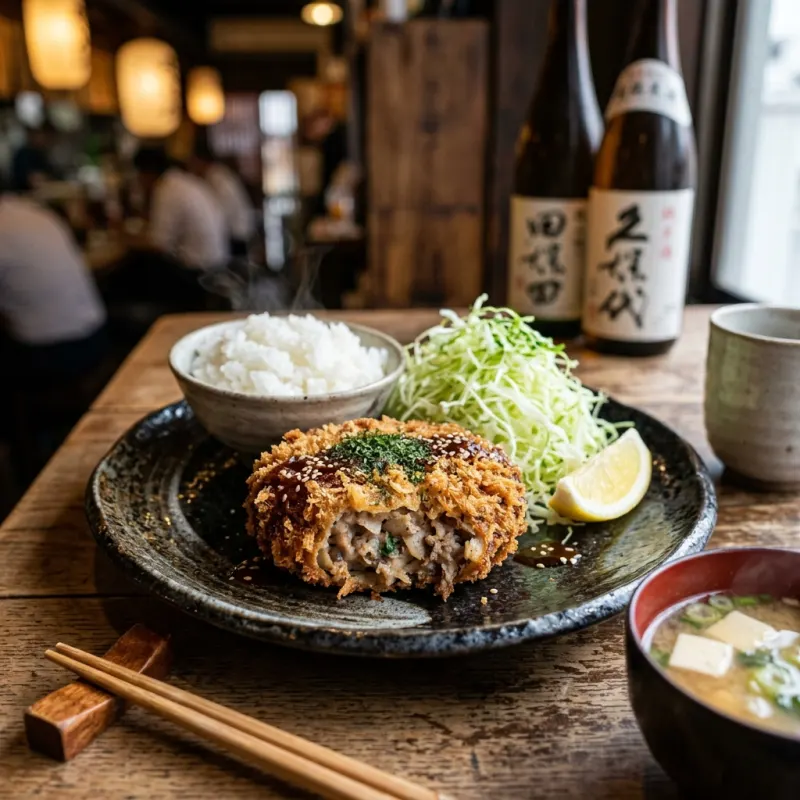
Hirosaki cuisine is defined by its role as Japan's top apple-producing municipality and the rustic culinary heritage of the Tsugaru region. Tsugaru soba features a delicate soy broth made with dried sardines (niboshi) and distinctive buckwheat noodles kneaded with soy milk. Locally caught seafood transforms into home-style comfort foods such as igamenchi (minced squid patties), while bakeries across the city compete fiercely with diverse styles of fresh apple pies, ciders, and apple compotes.
Golden brown fried Japanese igamenchi squid patties on ceramic plate

Must Try Dish

Igamenchi — Deep-fried or pan-seared patties crafted from minced squid tentacles, seasonal vegetables, and flour, delivering a savory, umami-rich Tsugaru soul-food staple.
Food Experiences Title Icon

Food
Experiences

Discover cooking classes, tastings and local food tours

No food experience found
Maya, the human travel expert at TravelingWiz, offering curated, non-AI expertise

Maya’s Final Checklist for Hirosaki

Logistics shouldn’t be the focus of your trip—the experience should. I’ve hand-vetted these essential partners to ensure your arrival, stay, and exploration are as smooth as an Athenian breeze.

Where to Stay

From boutique hotels to local apartments—compare thousands of options and find the perfect stay in the best neighborhood.

Air Travel

Getting there should be seamless. Compare the best routes and prices across top airlines to start your journey on the right note.

Local Guides

Connect with experts who know the destination best. Get personalized advice and insider tips to help you plan your perfect trip.

Travel Protection

The “Engineer’s” rule: always have a backup. Secure your trip with a plan that covers every “what if” and unexpected change.

Car Rentals

Explore at your own pace with total freedom. Compare reliable rental options and find the right vehicle for your adventure.

Visa Services

Don’t let paperwork slow you down. Get expert assistance with your application to ensure all your entry documents are in order.

FAQs

Take the JR Tohoku Shinkansen from Tokyo Station to Shin-Aomori Station (around 3 hours and 15 minutes), then transfer to the JR Ou Main Line local or limited express train to JR Hirosaki Station (approximately 30 to 40 minutes).
The cherry blossoms typically bloom between late April and early May. Peak bloom and the famous ‘pink petal moat’ (hanaikada) usually occur around April 25 to May 2, though exact dates fluctuate each year based on spring temperatures.
Yes, Hirosaki is only a 35 to 45-minute direct train ride from Aomori City on the JR Ou Line, making it an effortless and popular day trip.
Yes, city rental bicycles (including electric-assist options) are available from spring through autumn at JR Hirosaki Station and near Hirosaki Castle for a nominal daily fee.

Your Insights Matter

TravelingWiz grows through the stories of our community. If you’ve recently explored ,Hirosaki share your tips and stories to help us perfect our guides for the next traveler.

Related Articles

Check out our related articles and blog posts to learn even more about the destination.

No related articles found

Don’t Travel Alone

Share with your friends and family

Where should we send your offline card?

We hate spam just as much as you do

newsletter_consent *