Disclosure: This site contains affiliate links. We may earn a commission if you make a purchase, at no extra cost to you.

>
>
>
>
Kakunodate
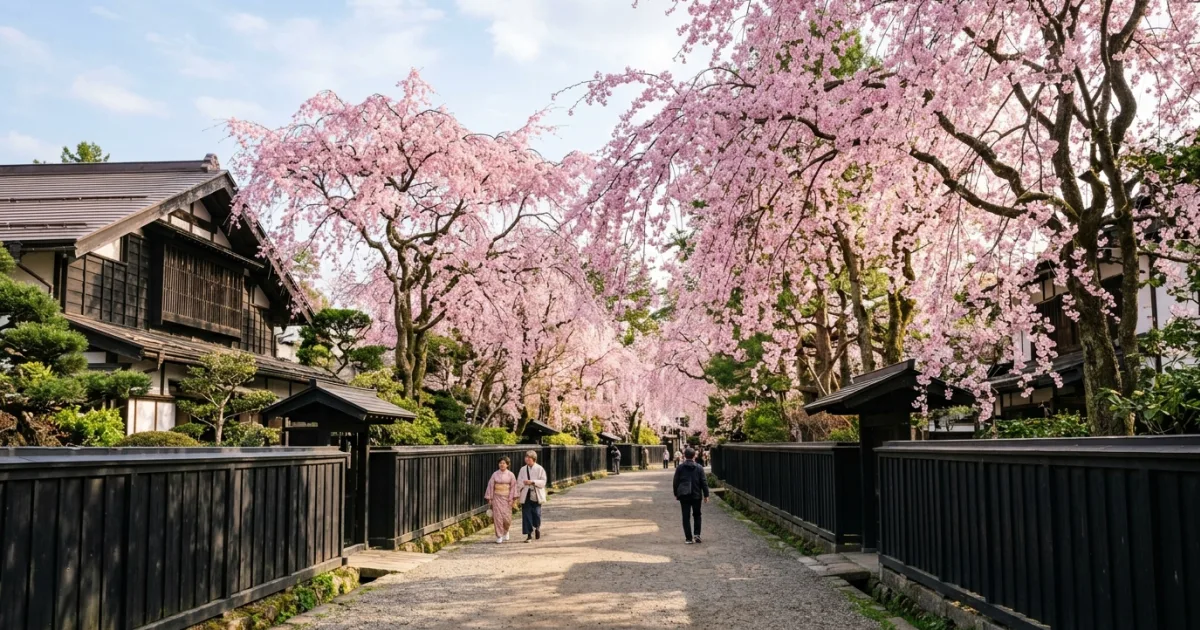
Weeping cherry blossoms along the samurai district street in Kakunodate, Japan

Kakunodate Overview & Key Highlights

Kakunodate is a historic samurai district located in Semboku City, Akita Prefecture, renowned for its remarkably preserved Edo-period architecture and deep cultural heritage. Established in 1620 by the Ashina clan and later flourishing under the Satake-Kita family, the town retains its original dual-sector layout, clearly dividing the northern samurai quarter from the southern merchant district. Broad earthen streets lined with sweeping black wooden walls and towering weeping cherry trees create an immersive open-air historical environment unmatched in northern Japan. Travelers visit Kakunodate to tour authentic samurai residences like the Aoyagi and Ishiguro manors, which house genuine armor, weaponry, and regional artifacts. Beyond its architectural legacy, the town serves as a seasonal wonder, transforming into a canopy of pink blossoms during late spring and fiery red foliage throughout autumn along the Hinokinai River bank. Easily accessible via the Akita Shinkansen, Kakunodate offers an unhurried, deeply contemplative glimpse into classical feudal Japan.

Kakunodate Travel Guide: Logistics & In-Depth Tips

Kakunodate earned the title 'Little Kyoto of Michinoku' due to its preserved streetscape, planned urban layout, and cultural refinement. Established in the early seventeenth century, the town maintains a stark contrast between its northern warrior district (Uchimachi) and its southern merchant quarter (Tomachi). The samurai district features broad roadways flanked by heavy black wooden board walls (kuroita-bei), framing gardens designed centuries ago with weeping cherry trees and mature cedars. Visiting Kakunodate allows travelers to step directly into Edo-period Japan without modern neon distractions.

Reasons to Visit

  • Exceptionally preserved authentic samurai compounds with extensive family heirlooms
  • Hundreds of weeping shidarezakura cherry blossom trees along historic lanes
  • Historic kabazaiku woodwork artisan traditions utilizing wild cherry tree bark
  • Direct and convenient access via the JR Akita Shinkansen network
  • Authentic regional gastronomy including Hinai-jidori chicken and Inaniwa udon

Things to Avoid

  • Avoid wearing shoes with laces that are difficult to untie, as heritage homes require taking shoes off at the entrance
  • Do not touch delicate paper sliding doors (fusuma) or historic wooden screens inside private heritage residences
  • Avoid visiting late in the afternoon expecting shops to remain open, as many venues close promptly by 17:00
  • Do not block narrow walking paths or residential driveway gates with camera tripods

Local Transportation Tips

Kakunodate is an exceptionally walkable town. From JR Kakunodate Station, the Bukeyashiki samurai district is a straight 15-to-20-minute walk down Ekimae-dori. Rickshaws operate along Bukeyashiki Street during peak seasons for guided heritage rides. Rental bicycles are available outside the station during non-winter months, providing quick access to the Hinokinai Riverbank and surrounding temples.

Travel Etiquette

  • Remove outdoor shoes and use the provided indoor slippers when entering preserved historic homes
  • Speak softly inside historic residences, as several manors still have descendants residing on adjacent property
  • Carry personal trash with you until you find a waste receptacle, as public garbage bins are rare
  • Do not step onto landscaped moss gardens or climb historic rock borders for photos

Recommended Age Group

Kakunodate offers an enriching cultural destination with varying appeal across different life stages.

  • Babies (0-2 years): Neutral. The flat streets are stroller friendly, but historic samurai houses require carrying infants since strollers are prohibited indoors.
  • Kids (3-12 years): Neutral. Children interested in samurai armor, swords, and rickshaws will enjoy visits, though passive museum displays require patience.
  • Teens (13-19 years): Recommended. High visual appeal, historical authenticity, anime/feudal interest, and scenic photography spots appeal strongly to teenagers.
  • Adults (20-64 years): Recommended. Ideal for cultural exploration, culinary discoveries, photography, and relaxed strolls through heritage districts.
  • Seniors (65+ years): Recommended. Flat terrain, calm pacing, comfortable shinkansen transit, and deep historical depth make it exceptional for mature travelers.

Accessibility Level: Medium

  • Bukeyashiki-dori features wide, relatively flat asphalt streets accessible for manual and electric wheelchairs
  • Historic samurai residences feature raised timber entryways (genkan) and steep wooden steps that lack wheelchair ramps
  • Kakunodate Station provides step-free elevator access and accessible restrooms
  • Paved pathways along the Hinokinai River embankment provide smooth strolling surfaces during fair weather

Did You Know?

Many of the magnificent weeping cherry trees lining Kakunodate's samurai district trace their lineage directly back to saplings brought from Kyoto in the seventeenth century by noble brides who married into the northern Satake clan.

Cool Statistics

  • Founded in 1620, preserving over 400 years of unbroken town planning
  • Home to over 400 weeping cherry trees, with 162 designated as National Natural Monuments
  • Features 6 fully preserved Edo-period samurai residences open to the public

Address:

Kakunodate, Semboku, Akita Prefecture, Japan

Find Nearby Accommodations

Basic Info

address icon

COUNTRY & Region

Japan,
Asia

ACCESSIBILITY LEVEL​

Medium
Currency icon

LOCAL CURRENCY​

Japanese Yen (JPY)
Price level icon
Medium
Safety Level icon

SAFETY LEVEL

Duration icon

Recommended Duration

• Full day
• 1-7 days

Electricity

electricity icon

Electricity

100-110V, 
50Hz
Plug Socket icon

Plug Type

• Type A (Flat blade)
• Type B (Flat blade with grounding pin)
Plug types
Click To View Plug Types

Activities To Do In Kakunodate

Best Time To Visit Kakunodate

Kakunodate offers distinct seasonal highlights, with spring and autumn presenting ideal weather conditions.

  • Late April to Early May: Peak cherry blossom season along Bukeyashiki Street and the Hinokinai Riverbank.
  • October to November: Vibrant autumn foliage illuminates the black wooden samurai compounds.
  • December to March: Heavy snowfall blankets the town, creating a serene, quiet winter landscape.
  • June to August: Lush greenery with warm, humid days and fewer tourist crowds.

Average Temperatures Per Month

Remember to check the weather forecast a few days before the trip and before heading to the airport.

Safety Level icon

Safety Level

Kakunodate is exceptionally safe with negligible crime rates. Exercise basic caution during winter when traditional slate walkways and compact snow turn slippery, and watch out for falling roof snow around heritage timber buildings.

The rating is based on multi-year peace, crime, and security indices. Before you go, always verify current conditions through official government travel advisories.

Emergency Numbers

Police: 110
Ambulance: 119

No internet needed • Includes local translations • Free for TravelingWiz readers

Spoken Languages

Japanese (Standard & Akita-ben dialect); limited English at tourist offices and major museums.

Learn The Language

  • Konnichiwa – Hello
  • Arigatou gozaimasu – Thank you very much
  • Sumimasen – Excuse me / Pardon
  • Kore wa ikura desu ka? – How much is this?
  • Eigo ga hanasemasu ka? – Do you speak English?
  • O-kaikei o onegai shimasu – Check, please
  • Toire wa doko desu ka? – Where is the restroom?
  • Sayounara – Goodbye
Travel Booking Partner - TravelingWiz

Trip Cost & Budgeting for Kakunodate, 2026

Everything you need to know about money while traveling
Is Kakunodate expensive for tourists in 2026? Kakunodate is moderately priced for tourists in 2026, offering reasonable daily value outside peak cherry blossom season. Based on Human Verified prices, you can expect to pay around 500 JPY for a coffee, 650 JPY for a local beer, and 1,800 JPY for a restaurant meal. Use the data table below to calculate your specific daily budget based on your travel style.
Currency icon

LOCAL CURRENCY​:

Japanese Yen (JPY)
Price level icon
Medium
Major hotels accept credit cards, but local shops, small eateries, and admission booths frequently require cash.

Per person, per day – pocket cash for small purchases.

Local: 1750
Japanese Yen (JPY)
≈ 33 USD

Full daily spend estimation (accommodation, food, transportation, attractions).

Travel Style
Japanese Yen (JPY)
≈ USD ($)
Budget
9650
57
Mid-range
17500
110
Comfort
38500
227

The Prices, Daily costs, and calculator results are estimates for planning purposes only. Actual costs may vary based on season, booking timing, personal spending habits, and currency fluctuations. TravelingWiz cannot be held responsible for discrepancies between these estimates and your final trip expenses.

  • • Visit samurai houses with selective entry to keep admission fees low.
  • • Try local Inaniwa udon lunch sets near Kakunodate Station for better value than historic district cafes.
  • • Use a regional JR rail pass if traveling from Tokyo or Akita to cover transit costs.
  • • Purchase breakfast items and snacks from local convenience stores before heading to sightseeing areas.

Pre-Order Tickets

Avoid disappointment when tickets sell out — and skip the long lines by booking online in advance. You’ll often save up to 20% too.
Save up to 20%

Travel Discounts & Coupons

Save on hotels, attractions, transport, and gear — find verified discounts for smarter travel spending.
Verified Coupons

What To Pack

  • Slip-on walking shoes for frequent removal at historic samurai residences
  • Warm thermal layers and an insulated jacket if visiting during the snowy winter months
  • Light, breathable fabrics and rain gear for spring and summer exploration
  • A compact umbrella or UV parasol for walking unshaded historic avenues
  • A coin purse and cash pouch, as several traditional craft shops do not take foreign cards
We couldn't find tips for Kakunodate.
If you got any, please share

Recommended Itineraries for Traveling to Kakunodate

We couldn't find itineraries for Kakunodate.
you can contact us for custom trip plan

Food & Drink Highlights

Local Food Overview

Akita Prefecture's cuisine is defined by robust poultry, pure mountain water, and meticulous noodle craft. In Kakunodate, dining centers on Hinai-jidori chicken—celebrated across Japan for its firm texture and rich umami—and silky Inaniwa udon, hand-stretched through centuries-old techniques. Local sweets highlight kabazaiku woodcraft culture alongside chestnut pastes and sake brewed from regional Akita rice.
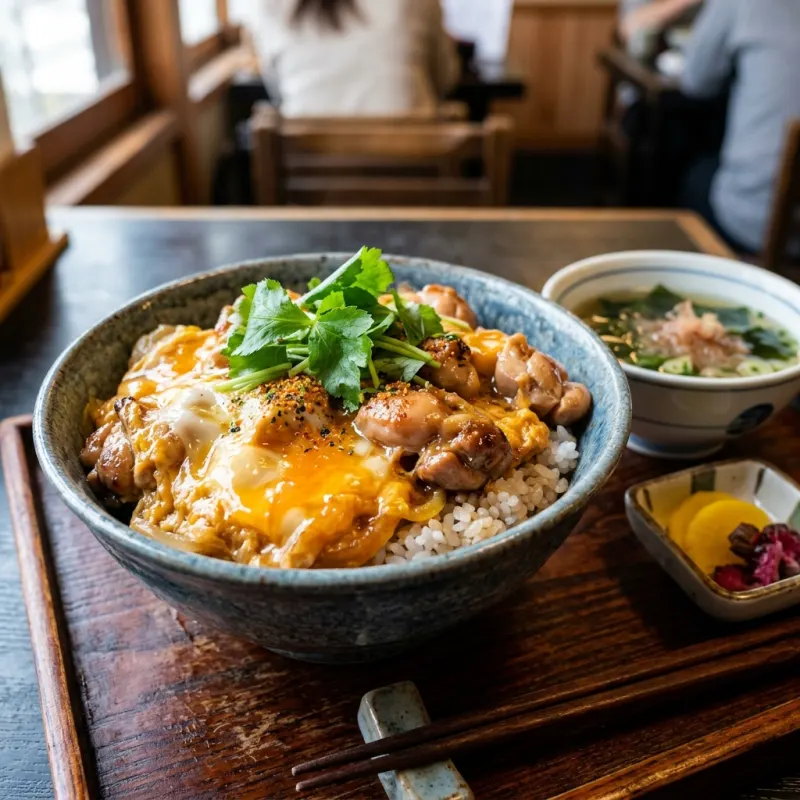
Authentic Japanese Hinai-jidori chicken and egg rice bowl in Kakunodate

Must Try Dish

Hinai-jidori Oyakodon - Tender cuts of free-range Akita Hinai chicken simmered with sweet dashi broth and gently bound by rich, half-cooked local eggs over steaming white rice. It delivers a deeply comforting balance of savory, sweet, and rich poultry flavors.
Food Experiences Title Icon

Food
Experiences

Discover cooking classes, tastings and local food tours

No food experience found
Maya, the human travel expert at TravelingWiz, offering curated, non-AI expertise

Maya’s Final Checklist for Kakunodate

Logistics shouldn’t be the focus of your trip—the experience should. I’ve hand-vetted these essential partners to ensure your arrival, stay, and exploration are as smooth as an Athenian breeze.

Where to Stay

From boutique hotels to local apartments—compare thousands of options and find the perfect stay in the best neighborhood.

Air Travel

Getting there should be seamless. Compare the best routes and prices across top airlines to start your journey on the right note.

Local Guides

Connect with experts who know the destination best. Get personalized advice and insider tips to help you plan your perfect trip.

Travel Protection

The “Engineer’s” rule: always have a backup. Secure your trip with a plan that covers every “what if” and unexpected change.

Car Rentals

Explore at your own pace with total freedom. Compare reliable rental options and find the right vehicle for your adventure.

Visa Services

Don’t let paperwork slow you down. Get expert assistance with your application to ensure all your entry documents are in order.

FAQs

Take the direct JR Akita Shinkansen (Komachi train) from Tokyo Station, which arrives at Kakunodate Station in approximately 3 hours without transfers.
A half-day to full-day visit of 4 to 6 hours is sufficient to walk the samurai quarter, tour the main estates, and sample regional cuisine.
Yes, several prominent estates including the Aoyagi and Ishiguro houses are open daily for self-guided interior tours with modest entrance fees.

Your Insights Matter

TravelingWiz grows through the stories of our community. If you’ve recently explored ,Kakunodate share your tips and stories to help us perfect our guides for the next traveler.

Related Articles

Check out our related articles and blog posts to learn even more about the destination.

No related articles found

Don’t Travel Alone

Share with your friends and family

Where should we send your offline card?

We hate spam just as much as you do

newsletter_consent *