Sendai represents the beating heart of northeastern Japan, offering a refined blend of regional heritage, vibrant tree-lined avenues, and an accessible pedestrian core. Founded in 1600 by Date Masamune, the regional capital preserves the architectural flair and ambition of the Date clan through gilded Momoyama landmarks like Zuihoden and Osaki Hachimangu Shrine. The city features wide, covered shopping arcades such as Clis Road and Sunmall Ichibancho, providing smooth, weather-independent urban exploration.
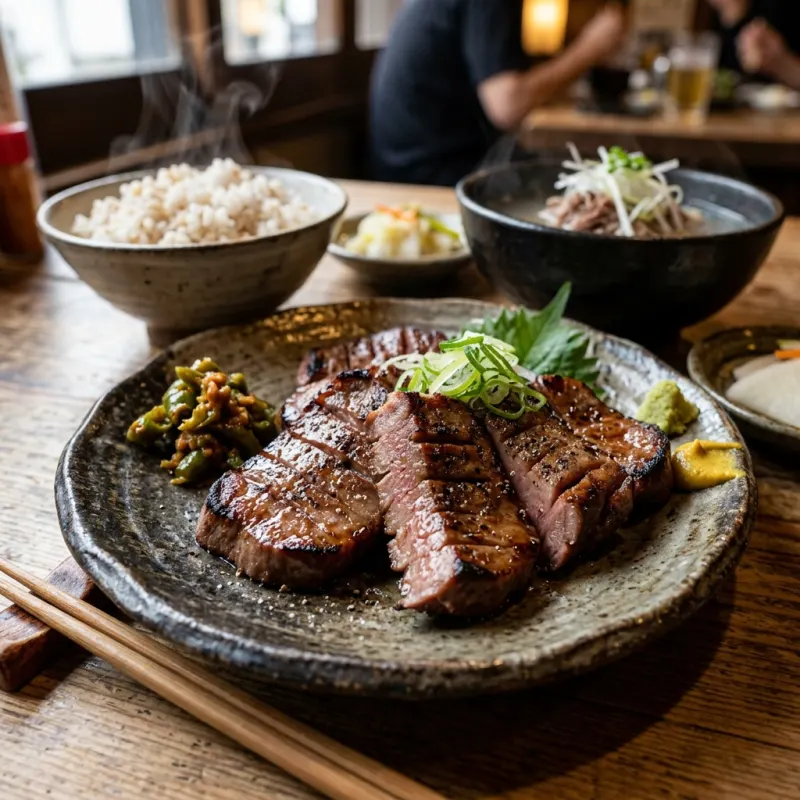
Surrounded by the Ou Mountains to the west and the Pacific Ocean to the east, Sendai delivers immediate access to hot spring hamlets such as Akiu and Sakunami Onsen, alongside the coastal wonders of Matsushima Bay. For culinary enthusiasts, the city serves as Japan's premier stage for gyutan yaki, savory sasa-kamaboko fish cakes, and sweet zunda treats. With modern transit infrastructure, a low-stress pace, and abundant greenery, Sendai is one of Japan's most rewarding secondary cities.
Reasons to Visit
- Samurai Heritage: Stand before the statue of Date Masamune overlooking Sendai from Aoba Castle and admire the Momoyama woodwork at Zuihoden.
- World-Renowned Cuisine: Savor authentic charcoal-grilled gyutan yaki and zunda mochi across historic culinary alleyways.
- The City of Trees: Stroll underneath the magnificent green canopy along Jozenji-dori and Aoba-dori avenues.
- Sendai Tanabata Festival: Witness Japan's most magnificent Tanabata celebration in early August, featuring thousands of handmade washi paper streamers.
- Gateway to Tohoku: Base yourself in a modern hub with rapid bullet train connections to Yamagata, Akita, Aomori, and Matsushima.
Things to Avoid
- Avoid driving within central Sendai; traffic congestion and expensive parking garages make public transit and walking vastly superior.
- Do not show up to popular gyutan establishments like Gyutan Sumiyaki Rikyu during peak lunch hours (12:00 PM to 1:00 PM) without expecting lines; visit right at opening or mid-afternoon.
- Avoid planning an itinerary that skips cash entirely, as smaller specialty eateries and local bus cashboxes do not always accept foreign credit cards.
- Do not assume summer weather matches northern Hokkaido; July and early August can be warm and humid, requiring breathable attire and hydration.
Local Transportation Tips
Sendai features an exceptionally intuitive transit network centered around Sendai Station. The Loople Sendai bus provides a hop-on hop-off circuit linking key cultural sights including Aoba Castle, Zuihoden, and the Sendai City Museum for a flat 630 JPY day ticket. The Sendai Subway system operates two clean, punctual lines: the Namboku Line (running north-south) and the Tozai Line (running east-west). Major IC cards such as Suica, Pasmo, and Icoca are universally accepted across all local subways, city buses, and regional JR train routes.
Travel Etiquette
- Stand on the left side of escalators in Sendai (aligning with Tokyo/Eastern Japan customs) and walk on the right.
- Do not eat or drink while walking down crowded sidewalks; consume street food standing beside the purchase vendor.
- Keep mobile devices set to silent mode on all trains and subways, and refrain from voice phone calls.
- Place cash or credit cards into the small payment tray provided on shop counters rather than handing them directly to the cashier.
Recommended Age Group
Sendai's flat city center, reliable transit, safe sidewalks, and variety of family-friendly attractions make it well-suited across generations.
- Babies (0-2 years): Recommended. Spotless nursing rooms, elevator-equipped subway stations, and wide footpaths along Jozenji-dori make navigating with strollers stress-free.
- Kids (3-12 years): Recommended. Attractions like the Sendai City Museum, Sendai Anpanman Children's Museum, and open park spaces at Aoba Castle provide engaging activities for children.
- Teens (13-19 years): Recommended. Teenagers enjoy modern anime shops in Sendai Station, cycling down open boulevards, and shopping along the multi-block covered arcades.
- Adults (20-64 years): Recommended. Rich samurai history, renowned culinary izakayas in Kokubuncho, craft sake tastings, and hot spring day trips offer an ideal urban experience.
- Seniors (65+ years): Recommended. Smooth transportation on the Loople Sendai bus, accessible walking trails, comfortable bench seating, and high safety standards ensure relaxed travel for older adults.
Accessibility Level: Medium
- Sendai Subway stations offer step-free access with tactile paving, multi-functional accessible restrooms, and dedicated elevators at all primary street intersections.
- The Loople Sendai retro tourist bus utilizes low-floor buses with manual boarding ramps to accommodate standard wheelchair users.
- Aoba Castle ruins feature paved observation decks with ramps overlooking Sendai city, though some peripheral stone pathways remain slightly uneven.
- Zuihoden Mausoleum provides a barrier-free bypass route with an elevator lift avoiding the steepest stone staircase, though advance notice at the ticket booth is helpful.
Did You Know?
Date Masamune strategically built Aoba Castle without a traditional multi-story main keep (tenshu) in 1600. Knowing that the ruling Tokugawa Shogunate was deeply suspicious of powerful regional lords, Masamune intentionally omitted an imposing castle tower to avoid provoking the Shogun, instead constructing an opulent, lavish palace on a secure clifftop promontory that prioritized defensive terrain over martial ostentation.
Cool Statistics
- 90 Minutes: Travel time from Tokyo Station to Sendai Station via the JR Tohoku Shinkansen Hayabusa bullet train.
- 1600: The year Sendai was officially founded by daimyo Date Masamune.
- 600,000+: Number of LED lights strung through zelkova trees during the annual Sendai Pageant of Starlight in December.
- 1.09 Million: Resident population of Sendai, making it the largest city in the Tohoku region.






Buy a compatible power adapter for your trip