Disclosure: This site contains affiliate links. We may earn a commission if you make a purchase, at no extra cost to you.

>
>
>
>
Yamagata
Panoramic view of Yamadera temple clinging to cliffside in Yamagata surrounded by autumn foliage

Yamagata Overview & Key Highlights

Yamagata sits framed by jagged peaks and cedar-cloaked valleys in northwestern Tohoku. Established as an ancient castle town under the Mogami clan, the city functions as both an authentic cultural sanctuary and a primary gateway to northern Japan's alpine scenery. Travelers explore stone pathways ascending to the cliffside sanctuary of Yamadera (Risshaku-ji), wander the stone moats of Kajo Park, and access thermal mineral springs in nearby Zao. The regional lifestyle is deeply connected to agriculture and seasonality, producing Japan's most prized cherries and hearty mountain cuisine. Visiting during early autumn reveals riverside community gatherings centered on simmering pots of imoni, while winter carpets the surrounding ranges in heavy snow, forming the famed 'snow monsters' (juhyo) of Mount Zao. Quiet, atmospheric, and distinctly unhurried, Yamagata offers deep cultural immersion away from standard tourist corridors.

Yamagata Travel Guide: Logistics & In-Depth Tips

Yamagata is the administrative and historical center of Yamagata Prefecture, resting in a river basin encircled by the Ou and Dewa mountain chains. Historically governed from Yamagata Castle during the Edo period, the city maintains a balance of historical preservation and modern transit connectivity. It serves as an optimal headquarters for exploring the wider Tohoku region, including ancient spiritual routes, hot spring villages, and orchard-carpeted valleys.

The cultural anchor of the area is Risshaku-ji, popularly known as Yamadera, a Tendai Buddhist temple founded in 860 AD by Jikaku Daishi. Perched precipitously on jagged rock cliffs, the sanctuary was immortalized by the haiku poet Matsuo Basho in 1689. Beyond spiritual pilgrimage sites, Yamagata is renowned throughout Japan for agricultural excellence, producing the majority of the nation's Sato Nishiki cherries and offering exceptional seasonal fruit picking experiences from late spring through autumn.

Reasons to Visit

  • Climb the historic 1,000 stone steps through ancient cedar forests to the Godaido viewing platform at Yamadera.
  • Sample Japan's authentic seasonal cuisine, from hand-cut soba and Yamagata beef to freshly harvested cherries.
  • Experience pristine natural beauty across all seasons, from spring cherry blossoms to the rare winter juhyo ice trees at Zao.
  • Unwind in therapeutic sulfuric hot spring waters at nearby Zao Onsen, one of the country's oldest alpine spa towns.
  • Explore quiet feudal history at Kajo Park, which features the reconstructed gates and moats of Yamagata Castle.

Things to Avoid

  • Avoid attempting the hike up Yamadera in smooth-soled dress shoes or heels, as the moss-covered steps become very slick.
  • Do not plan mountain excursions without checking transit timetables, as rural buses connecting Yamagata to Zao run on limited schedules outside peak hours.
  • Avoid wearing silver jewelry into the mineral baths at nearby Zao Onsen, as the heavy sulfur content will instantly tarnish precious metals.
  • Do not rely entirely on cashless transactions, especially at smaller soba establishments and mountain concession stands.

Local Transportation Tips

Yamagata Station is the primary regional hub, served by the Yamagata Shinkansen directly from Tokyo in approximately 2 hours and 45 minutes, as well as the JR Senzan Line connecting to Sendai. The central city is relatively compact and can be explored on foot or via the 'Ben-chan' community bus loop, which costs 100 JPY per ride. For reaching outlying attractions such as Zao Onsen, Yamako Bus operates regular departures from Yamagata Station's east bus terminal. Renting a car is recommended for travelers planning to explore the surrounding rural mountain passes.

Travel Etiquette

  • Remove your shoes when stepping onto tatami mats in ryokans, temple halls, or historic residences, placing them neatly in the genkan entryway.
  • Wash and rinse your body thoroughly at the shower stations before entering communal onsen baths.
  • Keep voices down and observe silence while climbing sacred paths and entering prayer halls at Yamadera.
  • Carry your trash with you throughout the day, as public waste receptacles are rare along trails and city streets.

Recommended Age Group

Yamagata offers enriching historic sights and picturesque landscapes, though physical stamina is required for its premier mountain climbs.

  • Babies (0-2 years): Neutral. Navigating city parks like Kajo Park is feasible with a stroller, but mountain temples like Yamadera are completely inaccessible to prams and demanding for baby carriers.
  • Kids (3-12 years): Neutral. Children with good stamina enjoy the temple climb and winter snow parks, but long flights of uneven stairs and quiet temple etiquette can prove challenging for younger kids.
  • Teens (13-19 years): Recommended. Teenagers will appreciate the rewarding physical challenge of Yamadera, winter sports in Zao, and the rich local food culture.
  • Adults (20-64 years): Recommended. An ideal destination for hikers, cultural explorers, onsen enthusiasts, and food lovers seeking genuine regional heritage.
  • Seniors (65+ years): Neutral. The flat castle grounds and relaxing onsen spas are ideal, but the 1,000-step ascent at Yamadera presents significant barriers for those with joint or mobility limitations.

Accessibility Level: Medium

  • Yamagata Shinkansen Station features elevators, tactile paving, and accessible multi-purpose restrooms.
  • Kajo Park has mostly flat, paved pathways suitable for wheelchairs and visitors with reduced mobility.
  • Yamadera Temple is largely inaccessible to wheelchair users due to over 1,000 uneven, steep stone steps lacking handrails in several sections.
  • City buses generally accommodate low-floor boarding, but advance notification may be helpful for rural lines heading into mountain valleys.

Did You Know?

Famed 17th-century haiku master Matsuo Basho composed one of Japan's most celebrated poems at Yamadera: 'Stillness—sinking into the rocks, the cicada's cry.' The stone monument commemorating his visit still stands along the temple's forested path.

Cool Statistics

  • Yamagata Prefecture produces over 70% of all cherries grown across Japan.
  • Yamadera requires visitors to ascend precisely 1,015 stone steps to reach its highest viewing platform.
  • The hot springs of nearby Zao Onsen have been continuously utilized for over 1,900 years, dating back to 110 AD.


Address:

Yamagata, Japan

Find Nearby Accommodations

Basic Info

address icon

COUNTRY & Region

Japan,
Asia

ACCESSIBILITY LEVEL​

Medium
Currency icon

LOCAL CURRENCY​

Japanese Yen (JPY)
Price level icon
Medium
Safety Level icon

SAFETY LEVEL

Duration icon

Recommended Duration

• 1-7 days
• Full day

Electricity

electricity icon

Electricity

100-110V, 
50Hz
Plug Socket icon

Plug Type

• Type A (Flat blade)
• Type B (Flat blade with grounding pin)
Plug types
Click To View Plug Types
Yamagata is part of our
Coolcation collection

Activities To Do In Yamagata

Best Time To Visit Yamagata

Yamagata experiences four dramatic seasons, with high summer bringing warmth and fruit harvests, and winter blanketing the region in thick alpine snow.

  • Spring (April to May): Cherry blossoms frame the castle moats at Kajo Park in mid-to-late April, accompanied by mild hiking temperatures.
  • Summer (June to August): The summer harvest brings fresh cherries, while early August hosts the rhythmic Hanagasa Matsuri dance festival.
  • Autumn (September to November): Blazing fall foliage covers the mountain slopes, coinciding with riverbank imoni festivals and crisp, dry days.
  • Winter (December to March): Heavy snowfall opens the slopes at Zao for skiing and viewing the frozen rime-encrusted juhyo trees.

Average Temperatures Per Month

Remember to check the weather forecast a few days before the trip and before heading to the airport.

Safety Level icon

Safety Level

Yamagata maintains an exceptionally low crime rate, making walking around both day and night remarkably safe. During winter, exercise extreme caution on icy footpaths, especially around Yamadera's stone staircases and unpaved temple routes where ice cleats are strongly recommended. If hiking Mount Zao or Mount Gassan, stay strictly on designated paths to avoid unexpected volcanic fumaroles or sudden weather shifts.

The rating is based on multi-year peace, crime, and security indices. Before you go, always verify current conditions through official government travel advisories.

Emergency Numbers

Police: 110
Ambulance: 119

No internet needed • Includes local translations • Free for TravelingWiz readers

Spoken Languages

Japanese

Learn The Language

  • Konnichiwa — Hello
  • Arigatou gozaimasu — Thank you very much
  • Sumimasen — Excuse me / Sorry
  • Kore wa ikura desu ka? — How much is this?
  • Eigo ga hanasemasu ka? — Do you speak English?
  • Tasukete kudasai — Please help me
  • Koko wa doko desu ka? — Where is this?
  • O-kaikei o onegaishimasu — Check, please
Travel Booking Partner - TravelingWiz

Trip Cost & Budgeting for Yamagata, 2026

Everything you need to know about money while traveling
Is Yamagata expensive for tourists in 2026? No, Yamagata is moderately priced and more affordable than Tokyo or Kyoto. You can expect to pay around 450 JPY for a cappuccino, 500 JPY for a domestic pint of beer, and 2,000 JPY for a mid-range main meal. Our Human Verified prices show that travel here offers great value for regional Japan. Use the data table below to calculate your specific daily budget based on your travel style.
Currency icon

LOCAL CURRENCY​:

Japanese Yen (JPY)
Price level icon
Medium
Credit cards are accepted at hotels and major shops, but cash is necessary for local transit, markets, and rural spots.

Per person, per day – pocket cash for small purchases.

Local: 1700
Japanese Yen (JPY)
≈ 33 USD

Full daily spend estimation (accommodation, food, transportation, attractions).

Travel Style
Japanese Yen (JPY)
≈ USD ($)
Budget
9350
52
Mid-range
17000
115
Comfort
37400
230

The Prices, Daily costs, and calculator results are estimates for planning purposes only. Actual costs may vary based on season, booking timing, personal spending habits, and currency fluctuations. TravelingWiz cannot be held responsible for discrepancies between these estimates and your final trip expenses.

  • • Buy the JR East Pass (Tohoku area) for discounted travel on regional Shinkansen and local train lines.
  • • Eat at local teishoku diners near Yamagata Station for generous, budget-friendly set meals.
  • • Take local buses to reach scenic sights like Yamadera affordably without expensive taxis.
  • • Book Japanese business hotel chains near Yamagata Station that include free breakfast with your stay.

Pre-Order Tickets

Avoid disappointment when tickets sell out — and skip the long lines by booking online in advance. You’ll often save up to 20% too.
Save up to 20%

Travel Discounts & Coupons

Save on hotels, attractions, transport, and gear — find verified discounts for smarter travel spending.
Verified Coupons

What To Pack

  • Sturdy walking shoes or hiking boots with strong tread for the 1,000 stone stairs of Yamadera
  • Slip-on footwear for frequent removal at temples, ryokan inns, and traditional restaurants
  • Layers including a thermal base and windbreaker for fluctuating mountain temperatures
  • Compact umbrella or waterproof jacket for unexpected alpine precipitation
  • Small hand towel (tenugui) for impromptu footbaths (ashi-yu) throughout the hot spring districts
  • Coin purse for temple donation boxes, coin lockers, and small local bus fares
We couldn't find tips for Yamagata.
If you got any, please share

Recommended Itineraries for Traveling to Yamagata

We couldn't find itineraries for Yamagata.
you can contact us for custom trip plan

Food & Drink Highlights

Local Food Overview

Yamagata's culinary tradition is shaped by its basin topography, which yields sweet summer fruits, premium Koshihikari rice, and marbled Yonezawa beef. Buckwheat flourishes in the mountain air, cementing cold soba noodles served on bamboo slats as a beloved local staple. In autumn, riverbanks come alive with imonikai gatherings, where communities cook stewed taro root and thinly sliced beef in massive cauldrons over open wood fires.
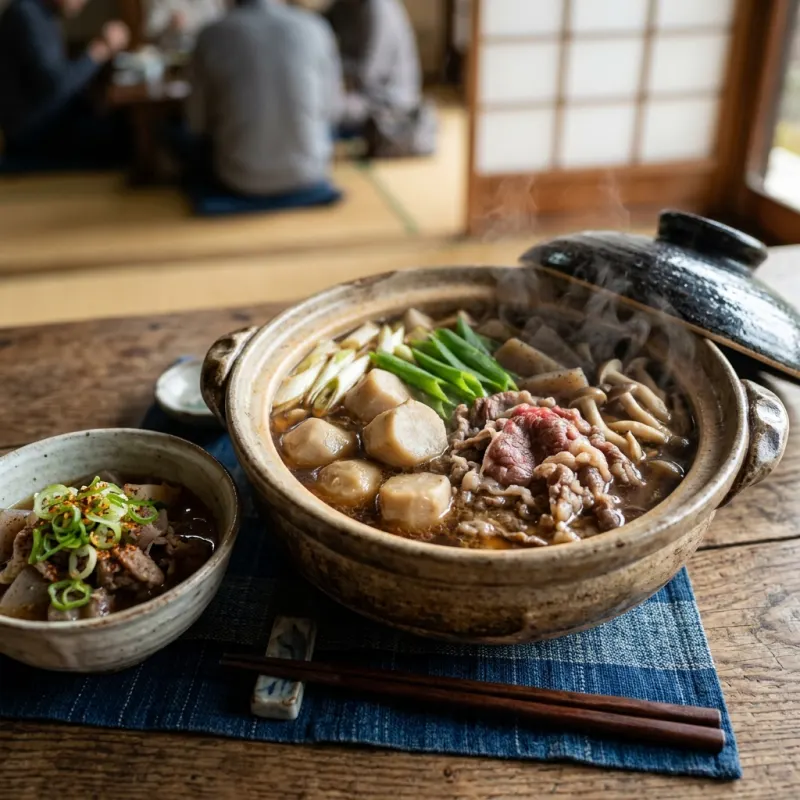
Steaming bowl of traditional Yamagata Imoni stew with taro and beef

Must Try Dish

Yamagata Imoni — A savory, slow-simmered broth featuring tender satoimo (taro root), sliced local beef, konjac, and scallions cooked in a sweet soy-and-sake stock. It delivers an earthy, deeply comforting warmth emblematic of Tohoku culinary heritage.
Food Experiences Title Icon

Food
Experiences

Discover cooking classes, tastings and local food tours

No food experience found
Maya, the human travel expert at TravelingWiz, offering curated, non-AI expertise

Maya’s Final Checklist for Yamagata

Logistics shouldn’t be the focus of your trip—the experience should. I’ve hand-vetted these essential partners to ensure your arrival, stay, and exploration are as smooth as an Athenian breeze.

Where to Stay

From boutique hotels to local apartments—compare thousands of options and find the perfect stay in the best neighborhood.

Air Travel

Getting there should be seamless. Compare the best routes and prices across top airlines to start your journey on the right note.

Local Guides

Connect with experts who know the destination best. Get personalized advice and insider tips to help you plan your perfect trip.

Travel Protection

The “Engineer’s” rule: always have a backup. Secure your trip with a plan that covers every “what if” and unexpected change.

Car Rentals

Explore at your own pace with total freedom. Compare reliable rental options and find the right vehicle for your adventure.

Visa Services

Don’t let paperwork slow you down. Get expert assistance with your application to ensure all your entry documents are in order.

FAQs

Yamadera is accessible via a direct 20-minute ride on the JR Senzan Line from Yamagata Station to Yamadera Station, followed by a 5-minute walk to the trail entrance.
Yes, Yamagata is only 75 minutes from Sendai via the JR Senzan Line or around 60 minutes by highway bus, making it an easy day trip.
The juhyo (snow monsters) at Mount Zao typically form between late December and early March, with peak development occurring in late January and February.

Your Insights Matter

TravelingWiz grows through the stories of our community. If you’ve recently explored ,Yamagata share your tips and stories to help us perfect our guides for the next traveler.

Related Articles

Check out our related articles and blog posts to learn even more about the destination.

No related articles found

Don’t Travel Alone

Share with your friends and family

Where should we send your offline card?

We hate spam just as much as you do

newsletter_consent *