Disclosure: This site contains affiliate links. We may earn a commission if you make a purchase, at no extra cost to you.

>
>
>
>
Zao Onsen
Zao Onsen snow monsters and ropeway during winter twilight in Yamagata Japan

Zao Onsen Overview & Key Highlights

Zao Onsen is a historic hot spring haven and premier ski resort situated in the volcanic mountains of Yamagata Prefecture. Founded over 1,900 years ago, the village sits roughly 880 meters above sea level and is celebrated throughout East Asia for its highly acidic, milky-white sulfur waters known for restorative dermatological benefits. During winter, prevailing Siberian winds transform the high-altitude fir forests into famous snow-encrusted natural sculptures dubbed Juhyo, or Snow Monsters. Beyond winter sports, the settlement serves as a scenic gateway across the seasons to the dramatic caldera of Mount Zao, specifically the emerald waters of Okama Crater. Visitors navigate traditional pedestrian paths lined with steaming footbaths, historic wooden ryokan, and public sento bathhouses. Whether trekking volcanic ridges in lush summer greenery or gliding through illuminated fields of ice sculptures in January, Zao Onsen delivers an authentic Tohoku alpine experience.

Zao Onsen Travel Guide: Logistics & In-Depth Tips

Nestled in the volcanic peaks of Yamagata Prefecture, Zao Onsen represents one of northern Japan's most historic alpine settlements. First discovered in 110 AD according to legendary lore, the village has accommodated restorative pilgrimages for centuries thanks to its potent sulfuric springs. Elevated at nearly 900 meters above sea level, the town transitions seamlessly between a quiet hot spring retreat in the summer and autumn and a world-renowned ski and winter wonder destination from December through March.

The town's visual identity is defined by rising plumes of thermal steam, narrow cobblestone streets, and traditional timber bathhouses. High above the village, accessible via two interconnected ropeway systems, lies Mount Zao's famous snow-covered fir forests. Siberian winds carrying moisture across the Sea of Japan freeze upon contact with the evergreen needles, creating the towering, otherworldly ice formations known as Juhyo. Whether skiing beneath these frost giants or soaking in milky outdoor baths amidst snowfall, Zao Onsen provides an unmatched alpine experience in the Tohoku region.

Reasons to Visit

  • Witness the world-famous Juhyo Snow Monsters, which are dramatically lit with multi-colored illuminations on winter evenings.
  • Bathe in rare, strongly acidic sulfuric waters that naturally rejuvenate skin and soothe muscle fatigue.
  • Explore the emerald volcanic caldera of Okama Crater during the scenic warmer months.
  • Enjoy expansive alpine ski runs that cater to all skill levels with powdery northern Japanese snow.
  • Taste authentic regional Yamagata specialties, including tender Jingisukan mutton and farm-fresh soba noodles.

Things to Avoid

  • Avoid wearing silver or metallic jewelry into the onsen baths, as sulfur immediately oxidizes and tarnishes metals.
  • Do not walk without adequate grip footwear; the natural hot spring runoff creates hidden patches of black ice on village slopes.
  • Avoid missing the last evening bus back to Yamagata Station if you are visiting on a day excursion.
  • Do not leave marked ski runs near the summit, as deep tree wells and disorienting blizzard whiteouts pose severe danger.

Local Transportation Tips

Zao Onsen is compact and easily navigated on foot, though hilly terrain and icy roads require sturdy footwear. Direct highway buses operated by Yamagata Kyuko connect Yamagata Shinkansen Station to the Zao Onsen Bus Terminal in approximately 45 minutes. To reach the mountain peaks and snow monster fields, visitors utilize the Zao Ropeway Sanroku and Sancho lines, which operate year-round from the edge of the village.

Travel Etiquette

  • Always wash and rinse thoroughly at the washing stations before entering communal onsen baths.
  • Keep modesty towels out of the spring water; fold them and place them on your head or on the bath rim.
  • Do not use soap or shampoos inside the historic open-air communal river bath (Dai-Rotenburo).
  • Speak quietly in bathhouses and public ryokan lounges to preserve the meditative mountain atmosphere.

Recommended Age Group

Zao Onsen offers memorable mountain adventures, though its sulfuric waters and cold weather require specific planning depending on traveler age.

  • Babies (0-2 years): Not Recommended. The high sulfuric acidity and thermal temperatures of the mineral water can be harsh on delicate infant skin, and navigating icy slopes with strollers is extremely challenging.
  • Kids (3-12 years): Neutral. Children will love the snow play and cable car rides to see the ice monsters, but parents must monitor them carefully around hot thermal vents and ensure they avoid rubbing their eyes after bathing.
  • Teens (13-19 years): Recommended. Ideal for winter sports enthusiasts, snowboarding, hiking, and exploring dynamic volcanic landscapes.
  • Adults (20-64 years): Recommended. Perfect balance of outdoor winter skiing, summer hiking, culinary delights, and deeply relaxing onsen culture.
  • Seniors (65+ years): Recommended. Excellent therapeutic hot springs and picturesque mountain scenery, provided travelers choose accommodations with indoor elevator access and avoid steep icy village inclines.

Accessibility Level: Medium

  • Village terrain is naturally steep and hilly, featuring historic stone stairs and cobblestone alleys that present mobility challenges.
  • The Zao Ropeway terminals offer barrier-free ramps and elevator access to accommodate wheelchairs to the mountain observation decks.
  • Modern upscale ryokan provide barrier-free rooms and elevators, whereas older traditional inns typically feature steep wooden stairs and no lifts.
  • Winter brings substantial snowfall and slick ice, making independent wheelchair transit outdoors exceptionally difficult without assistance.

Did You Know?

The sulfuric water of Zao Onsen is so acidic that it naturally sterilizes itself, meaning the public baths require no artificial chemical treatments or chlorine additions to stay pristine.

Cool Statistics

  • 1,900+ years of documented bathing history dating back to traditional legends of 110 AD.
  • Spring water acidity ranges from pH 1.3 to 1.6, making it one of the most acidic thermal resorts in Japan.
  • Over 30 ski trails and 35 lifts compose the surrounding Zao Onsen Ski Resort complex.

Address:

Zao Onsen, Yamagata, Japan

Find Nearby Accommodations

Basic Info

address icon

COUNTRY & Region

Japan,
Asia

ACCESSIBILITY LEVEL​

Medium
Currency icon

LOCAL CURRENCY​

Japanese Yen (JPY)
Price level icon
Medium
Safety Level icon

SAFETY LEVEL

Duration icon

Recommended Duration

• 1-7 days
• Full day

Electricity

electricity icon

Electricity

100-110V, 
50Hz
Plug Socket icon

Plug Type

• Type A (Flat blade)
• Type B (Flat blade with grounding pin)
Plug types
Click To View Plug Types
Zao Onsen is part of our
Coolcation collection

Activities To Do In Zao Onsen

Best Time To Visit Zao Onsen

Zao Onsen is an exceptional year-round destination, with winter and autumn providing peak aesthetic experiences.

  • Winter (December to March): Peak ski season and the prime window to view the iconic Juhyo snow monsters, complete with evening ropeway illuminations.
  • Spring (April to June): Mountain snowmelt reveals alpine trekking paths; comfortable, cool weather with fewer tourists.
  • Summer (July to August): A refreshing coolcation retreat with temperatures significantly cooler than lowland Tokyo and Sendai.
  • Autumn (September to November): Vibrant fall foliage transforms the slopes of Mount Zao into brilliant shades of crimson and gold.

Average Temperatures Per Month

Remember to check the weather forecast a few days before the trip and before heading to the airport.

Safety Level icon

Safety Level

Zao Onsen is remarkably safe with near-zero violent crime. The primary hazards are natural: winter ice on steep stone alleyways requires careful footing, and the highly acidic thermal water (pH around 1.3 to 1.6) can sting sensitive skin and severely corrode precious metal jewelry, so remove all silver, gold, and watches prior to bathing.

The rating is based on multi-year peace, crime, and security indices. Before you go, always verify current conditions through official government travel advisories.

Emergency Numbers

Police: 110
Ambulance: 119

No internet needed • Includes local translations • Free for TravelingWiz readers

Spoken Languages

Japanese (Standard & Yamagata dialect). Basic English is understood at the Zao Ropeway station, tourist center, and major hotels.

Learn The Language

  • Konnichiwa – Hello
  • Arigatou gozaimasu – Thank you very much
  • Sumimasen – Excuse me / Sorry
  • Kore wa ikura desu ka? – How much is this?
  • Onsen wa doko desu ka? – Where is the hot spring?
  • Eigo ga hanasemasu ka? – Can you speak English?
  • Tasukete kudasai – Please help me
  • O-kaikei kudasai – Bill, please
Travel Booking Partner - TravelingWiz

Trip Cost & Budgeting for Zao Onsen, 2026

Everything you need to know about money while traveling
Is Zao Onsen expensive for tourists in 2026? While costs can peak during the winter ski season, Zao Onsen remains generally accessible for mid-range travelers. Based on Human Verified prices, expect to pay around 500 JPY for a coffee, 700 JPY for a pint of domestic beer, and 2,000 JPY for a standard meal at a local restaurant. Accommodation and slope dining drive daily expenses. Use the data table below to calculate your specific daily budget based on your travel style.
Currency icon

LOCAL CURRENCY​:

Japanese Yen (JPY)
Price level icon
Medium
Major hotels accept credit cards, but village soba shops, public baths, and mountain lodges strictly require cash.

Per person, per day – pocket cash for small purchases.

Local: 1980
Japanese Yen (JPY)
≈ 50 USD

Full daily spend estimation (accommodation, food, transportation, attractions).

Travel Style
Japanese Yen (JPY)
≈ USD ($)
Budget
10900
63
Mid-range
19800
125
Comfort
43550
280

The Prices, Daily costs, and calculator results are estimates for planning purposes only. Actual costs may vary based on season, booking timing, personal spending habits, and currency fluctuations. TravelingWiz cannot be held responsible for discrepancies between these estimates and your final trip expenses.

  • • Purchase a combined bus and ropeway pass from Yamagata Station for discounted transit.
  • • Dine in the village at family-run soba shops rather than higher-priced slope-side lodges.
  • • Book ryokan stays with half-board (breakfast and dinner included) for better overall value.
  • • Buy multi-visit bath tickets if planning to visit several public hot spring bathhouses.

Pre-Order Tickets

Avoid disappointment when tickets sell out — and skip the long lines by booking online in advance. You’ll often save up to 20% too.
Save up to 20%

Travel Discounts & Coupons

Save on hotels, attractions, transport, and gear — find verified discounts for smarter travel spending.
Verified Coupons

What To Pack

  • Heavy thermal base layers, fleece mid-layers, and a waterproof windbreaker for mountain elevation.
  • Sturdy snow boots with deep tread or attachable ice cleats for icy village pathways during winter.
  • Slip-on footwear for easy transitions between ryokan and public hot spring bathhouses.
  • Moisturizing skin lotion to replenish skin moisture after soaking in potent acidic mineral springs.
  • Towel kit for visiting unstaffed communal bathhouses that do not supply linens.
We couldn't find tips for Zao Onsen.
If you got any, please share

Recommended Itineraries for Traveling to Zao Onsen

We couldn't find itineraries for Zao Onsen.
you can contact us for custom trip plan

Food & Drink Highlights

Local Food Overview

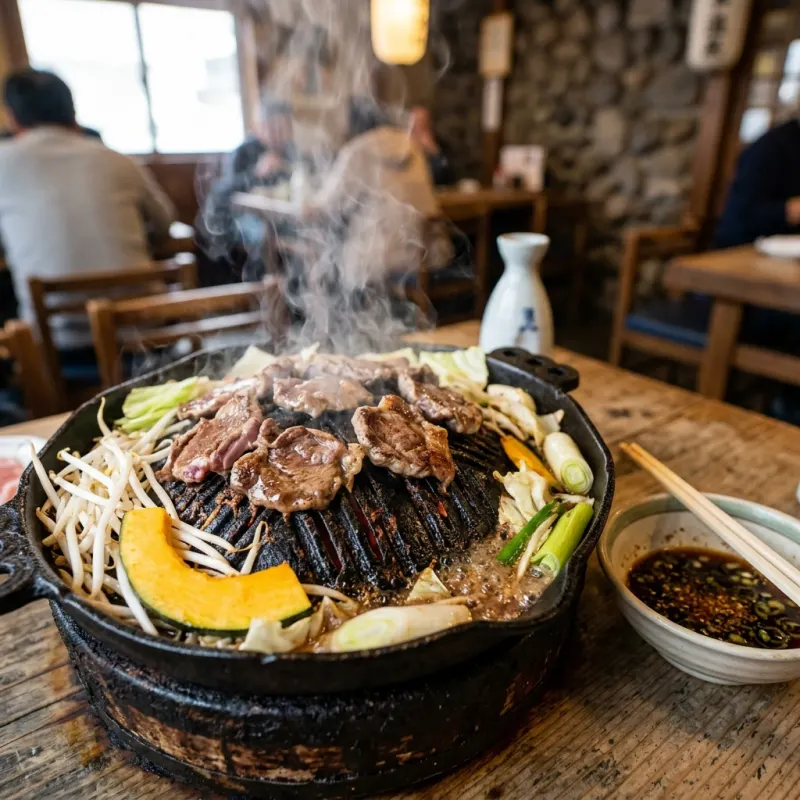
Dining in Zao Onsen focuses on rustic mountain fare suited to cool alpine elevations. The signature culinary tradition is Jingisukan, a savory grilled mutton dish prepared on convex iron skillets that originated as a regional specialty in Yamagata. Visitors also indulge in hot spring boiled eggs (onsen tamago), tender Yamagata beef, seasonal wild mountain vegetables (sansai), and delicate Igaguri dango skewers served fresh along the steamy village lanes.
Zao Jingisukan grilled mutton dish sizzling on an iron skillet

Must Try Dish

Zao Jingisukan - Thinly sliced tender mutton quickly seared tableside with cabbage, onions, and bean sprouts over a dome-shaped iron skillet. The meat is lightly seasoned and dipped into a savory, garlicky soy-based tare sauce that provides immense comfort after soaking in the mountain springs.
Food Experiences Title Icon

Food
Experiences

Discover cooking classes, tastings and local food tours

No food experience found
Maya, the human travel expert at TravelingWiz, offering curated, non-AI expertise

Maya’s Final Checklist for Zao Onsen

Logistics shouldn’t be the focus of your trip—the experience should. I’ve hand-vetted these essential partners to ensure your arrival, stay, and exploration are as smooth as an Athenian breeze.

Where to Stay

From boutique hotels to local apartments—compare thousands of options and find the perfect stay in the best neighborhood.

Air Travel

Getting there should be seamless. Compare the best routes and prices across top airlines to start your journey on the right note.

Local Guides

Connect with experts who know the destination best. Get personalized advice and insider tips to help you plan your perfect trip.

Travel Protection

The “Engineer’s” rule: always have a backup. Secure your trip with a plan that covers every “what if” and unexpected change.

Car Rentals

Explore at your own pace with total freedom. Compare reliable rental options and find the right vehicle for your adventure.

Visa Services

Don’t let paperwork slow you down. Get expert assistance with your application to ensure all your entry documents are in order.

FAQs

Zao Onsen possesses exceptionally strong sulfuric acidity, registering between pH 1.3 and 1.6. This acidic water is renowned for antibacterial properties that soothe skin conditions, improve circulation, and condition skin, earning it the moniker ‘Spring of Beauty’.
The famous Juhyo frost formations develop between late December and early March, with late January through February offering the largest, most fully developed snow monster shapes.
While feasible via the Yamagata Shinkansen to Yamagata Station (around 2.5 hours) followed by a 45-minute bus ride, an overnight stay in a ryokan is strongly recommended to fully experience the hot springs and evening illuminations.
Small unstaffed public bathhouses like Kamiyu and Shimoyu generally do not screen guests, making them tattoo-accessible. For larger ryokan and resort baths, it is advisable to inquire in advance or rent a private family bath (kashikiri-buro).

Your Insights Matter

TravelingWiz grows through the stories of our community. If you’ve recently explored ,Zao Onsen share your tips and stories to help us perfect our guides for the next traveler.

Related Articles

Check out our related articles and blog posts to learn even more about the destination.

No related articles found

Don’t Travel Alone

Share with your friends and family

Where should we send your offline card?

We hate spam just as much as you do

newsletter_consent *