Disclosure: This site contains affiliate links. We may earn a commission if you make a purchase, at no extra cost to you.

>
>
>
Langtang Region

Langtang Region

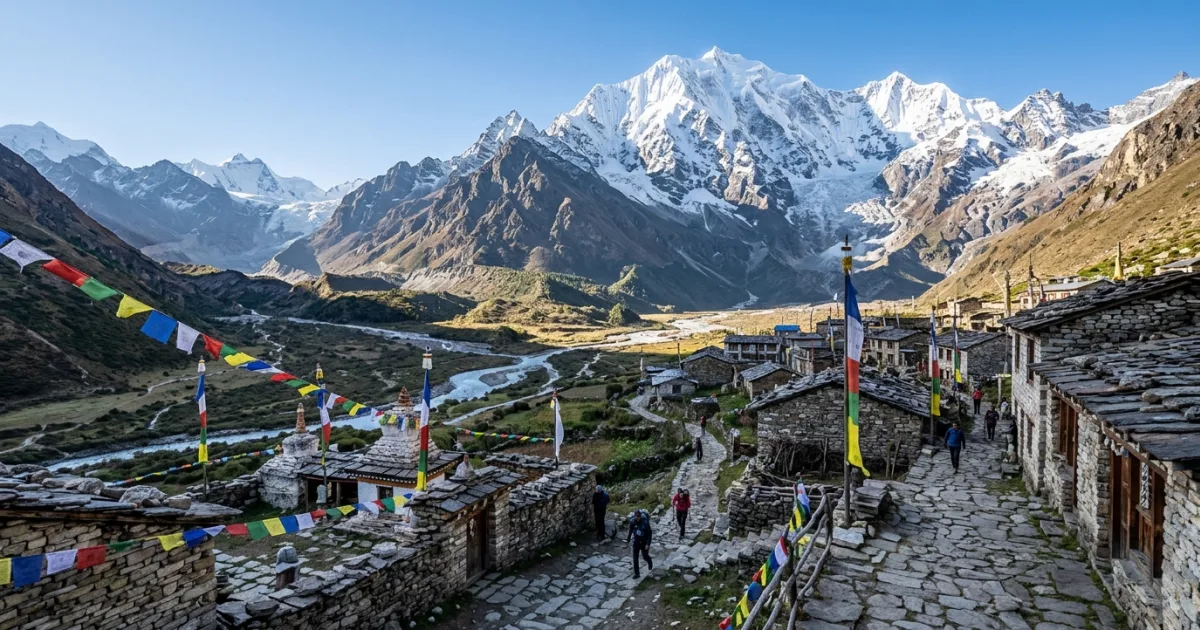
Panoramic view of Langtang Valley with Kyanjin Gompa and snow-capped Himalayan mountains in Nepal

Langtang Region Overview & Key Highlights

Langtang Region is an alpine valley located in north-central Nepal, directly bordering Tibet within the protected boundaries of Langtang National Park. Famous as the 'Valley of Glaciers', the region provides dramatic elevation changes from subtropical oak forests up to snow-crowned peaks like Langtang Lirung (7,227 meters). It offers some of the most accessible world-class trekking in the Himalayas, beginning just a day's drive north of Kathmandu from Syabrubesi. Historically inhabited by the Tamang and Tibetan-origin communities, the valley combines sacred Buddhist culture, ancient stone chortens, and resilient heritage. The region was rebuilt after the catastrophic 2015 earthquake, and travelers now experience intimate homestays, artisanal yak cheese factories, and uncrowded mountain trails compared to Everest or Annapurna. The route peaks at the dramatic viewpoint of Kyanjin Ri or Tsergo Ri, offering 360-degree panoramas of sheer ice walls and wide glacial moraines.

Langtang Region Travel Guide: Logistics & In-Depth Tips

The Langtang Region is an iconic mountain sanctuary nestled within the central Himalayas, approximately 50 kilometers north of Kathmandu. Preserved inside Nepal's first Himalayan national park, established in 1976, this scenic alpine basin presents an extraordinary contrast of ecological zones. Trekkers cross through verdant subtropical rhododendron and bamboo woodlands that shelter endangered red pandas, rising above the timberline into wide glacial amphitheatres surrounded by 7,000-meter peaks.

Beyond its geological drama, Langtang's identity is defined by its deep cultural ties to Tibet. Villages along the path—such as Rimche, Lama Hotel, Langtang Village, and Kyanjin Gompa—are populated by Tamang and Bhotia communities whose spiritual lives center around Tibetan Buddhism. Mani stones carved with ancient mantras, prayer wheels turned by mountain streams, and brightly colored prayer flags line the trail, offering an intimate Himalayan experience distinctly less commercialized than the Everest Base Camp route.

Reasons to Visit

  • Unmatched Accessibility: Unlike Lukla-bound treks, Langtang requires no internal flights, eliminating the risk of flight delays and cancellations.
  • Panoramic Alpine Vistas: Ascend Kyanjin Ri (4,773m) and Tsergo Ri (4,984m) for views over Langtang Lirung, Dorje Lakpa, and Langshisha Ri.
  • Deep Tamang Culture: Discover centuries-old Buddhist monasteries, prayer flag-adorned chortens, and warm mountain hospitality.
  • Authentic Yak Cheese Tasting: Visit the Swiss-supported Kyanjin Yak Cheese Factory, operating sustainably since 1955.
  • Wildlife Sanctuaries: Hike through pristine habitats home to the elusive red panda, Himalayan tahr, musk deer, and hundreds of bird species.

Things to Avoid

  • Do not rush your ascent; climbing faster than 300 to 500 meters of sleeping elevation per day above 3,000 meters dramatically increases AMS risks.
  • Avoid walking on the left side of Buddhist monuments; always pass Mani walls and chortens clockwise as a mark of respect.
  • Never leave plastic trash along the trail; carry all personal refuse back down to managed collection bins in Syabrubesi.
  • Avoid trekking without sufficient cash, as teahouses cannot process card transactions and lack ATM access.
  • Do not drink untreated stream or tap water under any circumstances.

Local Transportation Tips

Transportation within the Langtang Region is exclusively on foot or by local pack animals like mules and yaks. Access to the trailhead at Syabrubesi relies on overland road transit from Kathmandu. Travelers can choose between local buses departing from the Gongabu/Machha Pokhari bus terminal, or private four-wheel-drive jeeps, which provide a significantly faster and safer transit across mountain roadways prone to rough surfaces and switchbacks.

Travel Etiquette

  • Walk clockwise around all Buddhist stupas, chortens, and sacred Mani stone walls.
  • Greet locals and fellow trekkers with 'Namaste' joined by hands pressed together at chest height.
  • Remove trekking boots before entering private homes, teahouse dining inner rooms, or monastery prayer halls.
  • Always request permission before photographing local residents, particularly monks and village elders.
  • Dress modestly by avoiding exposed shoulders or short shorts when walking through rural settlements.

Recommended Age Group

Langtang is a rigorous alpine mountain destination requiring notable physical stamina, cardiovascular health, and tolerance for rustic living standards.

  • Babies (0-2 years): Not Recommended. Severe high-altitude environments, rapid climate drops, and the absence of immediate pediatric medical infrastructure present serious safety hazards.
  • Kids (3-12 years): Not Recommended. The prolonged multi-day foot journeys, rough terrain, cold nights, and altitude-related illness risks make this trek unsuitable for young children.
  • Teens (13-19 years): Recommended. Active teenagers with prior hiking background and strong fitness will relish the adventure, mountaineering scenery, and cultural exposure.
  • Adults (20-64 years): Recommended. Ideal for independent backpackers, nature lovers, and active adventurers seeking authentic Himalayan trekking without commercial crowds.
  • Seniors (65+ years): Neutral. Highly fit seniors with trekking experience can successfully complete the route, provided they take extra acclimatization days and hire a dedicated porter.

Accessibility Level: Low

  • Trail Infrastructure: Trails consist of unpaved, steep stone stairways, suspension footbridges, loose scree, and exposed rock paths, making the trek completely inaccessible for wheelchairs or travelers with mobility impairments.
  • Teahouse Accommodations: Teahouse lodges feature narrow wooden staircases, outdoor squat or basic sit toilets, and no elevator or barrier-free amenities.
  • Emergency Evacuation: Medical access is strictly limited to emergency helicopter evacuations requiring comprehensive travel insurance coverage with high-altitude repatriation up to 5,000 meters.

Did You Know?

During the catastrophic 7.8-magnitude earthquake of April 2015, an immense rock and ice avalanche completely obliterated the original settlement of Langtang Village. With inspiring courage and international solidarity, the community has rebuilt the town higher up the valley floor, establishing resilient stone guest houses and creating a moving memorial wall listing the names of lost villagers and trekkers.

Cool Statistics

  • 7,227 meters: Peak elevation of Langtang Lirung, the crowning giant of the valley.
  • 1,710 km²: Protected surface area of Langtang National Park.
  • 4,984 meters: Altitude of Tsergo Ri viewpoint, the highest standard trekking vantage point in the region.
  • Over 250: Documented avian species thriving within the park's diverse ecosystems.

Address:

Langtang Region, Nepal

Find Nearby Accommodations

Basic Info

address icon

COUNTRY & Region

Nepal,
Asia

ACCESSIBILITY LEVEL​

Low
Currency icon

LOCAL CURRENCY​

Nepalese Rupee (NPR)
Price level icon
Low
Safety Level icon

SAFETY LEVEL

Duration icon

Recommended Duration

• 1-7 days
• More than a week

Electricity

electricity icon

Electricity

220-240V, 
50Hz
Plug Socket icon

Plug Type

• Type C (Round pin)
• Type D (Three round pins in a triangular pattern)
• Type M (Three round pins, larger)
Plug types
Click To View Plug Types
Langtang Region is part of our
Coolcation collection

Activities To Do In Langtang Region

Best Time To Visit Langtang Region

Langtang is best explored during spring and autumn when trail conditions remain dry and skies are remarkably transparent.

  • March to May (Spring): Moderate temperatures, melting passes, and vibrant rhododendron forests blooming in crimson and pink throughout the lower elevations.
  • September to November (Autumn): The premier trekking window with crystal-clear Himalayan skies, minimal rainfall, and crisp alpine air.
  • December to February (Winter): Freezing temperatures, heavy snow accumulation above Kyanjin Gompa, and many upper-valley teahouses closed for the season.
  • June to August (Monsoon): Heavy rains, leeches on lower trails, and high risks of landslides along the Pasang Lhamu Highway.

Average Temperatures Per Month

Remember to check the weather forecast a few days before the trip and before heading to the airport.

Safety Level icon

Safety Level

Violent crime is practically nonexistent in the valley, making it remarkably safe for trekkers. The primary dangers are natural: Acute Mountain Sickness (AMS), steep drop-offs, and sudden mountain weather shifts. Ascend slowly, sleep at lower elevations when possible, never trek solo off marked paths, and strictly heed landslide warning zones between Syabrubesi and Bamboo.

The rating is based on multi-year peace, crime, and security indices. Before you go, always verify current conditions through official government travel advisories.

Emergency Numbers

Police: 100
Ambulance: 102

No internet needed • Includes local translations • Free for TravelingWiz readers

Spoken Languages

Nepali, Tamang, and basic English spoken in lodges.

Learn The Language

  • Namaste: Hello / Respectful greeting
  • Dhanyabad: Thank you
  • Kati parcha?: How much does this cost?
  • Mitho cha: It is delicious
  • Pani: Water
  • Thik cha: It is good / Okay
  • Bistari: Slowly (crucial advice on the trail)
  • Kasto cha?: How are you?
Travel Booking Partner - TravelingWiz

Trip Cost & Budgeting for Langtang Region, 2026

Everything you need to know about money while traveling
Is Langtang Region expensive for tourists in 2026? No, the Langtang Region remains one of the most affordable high-altitude trekking destinations in Nepal. While prices increase with altitude, expect to pay around 250 NPR for a coffee, 1,000 NPR for a domestic beer, and 700 NPR for a standard main meal like dal bhat. Based on our Human Verified prices, it offers exceptional value. Use the data table below to calculate your specific daily budget based on your travel style.
Currency icon

LOCAL CURRENCY​:

Nepalese Rupee (NPR)
Price level icon
Low
Cards are not accepted in trail teahouses; you must carry sufficient cash in Nepalese Rupees from Kathmandu.

Per person, per day – pocket cash for small purchases.

Local: 550
Nepalese Rupee (NPR)
≈ 4 USD

Full daily spend estimation (accommodation, food, transportation, attractions).

Travel Style
Nepalese Rupee (NPR)
≈ USD ($)
Budget
3050
20
Mid-range
5500
36
Comfort
12100
78

The Prices, Daily costs, and calculator results are estimates for planning purposes only. Actual costs may vary based on season, booking timing, personal spending habits, and currency fluctuations. TravelingWiz cannot be held responsible for discrepancies between these estimates and your final trip expenses.

  • • Order Dal Bhat for meals, as it provides unlimited refills of rice and lentils at no extra charge.
  • • Fill and purify water with tablets or UV filters instead of buying expensive plastic bottles at higher elevations.
  • • Bring a fully charged high-capacity power bank to avoid paying teahouse device-charging fees.
  • • Travel by shared jeep or local bus from Kathmandu to Syabrubesi rather than hiring expensive private vehicles.

Pre-Order Tickets

Avoid disappointment when tickets sell out — and skip the long lines by booking online in advance. You’ll often save up to 20% too.
Save up to 20%

Travel Discounts & Coupons

Save on hotels, attractions, transport, and gear — find verified discounts for smarter travel spending.
Verified Coupons

What To Pack

  • Layered moisture-wicking synthetic trekking base layers
  • Sub-zero rated down jacket and windproof hardshell jacket
  • Sturdy, broken-in waterproof trekking boots and wool hiking socks
  • Water purification tablets, ultraviolet purifier, or hollow-fiber filter system
  • High-capacity portable power bank with solar charging capability (teahouses charge for electricity)
  • Trekking poles for knee support on steep descents
  • Broad-spectrum sunscreen (SPF 50+), UV-protective polarized sunglasses, and lip balm
  • Personal medical kit including Diamox (acetazolamide) for altitude sickness, rehydration salts, and blister pads
We couldn't find tips for Langtang Region.
If you got any, please share

Recommended Itineraries for Traveling to Langtang Region

We couldn't find itineraries for Langtang Region.
you can contact us for custom trip plan

Food & Drink Highlights

Local Food Overview

Trail dining in Langtang is deeply anchored in Tibetan and Tamang culinary traditions, engineered for stamina at sub-zero elevations. The undeniable staple is Dal Bhat—a replenishing platter of steamed rice, spiced lentil soup, seasonal vegetable curry (tarkari), and pungent fermented pickles (achar), customarily served with unlimited free refills. Upper valley teahouses feature dense Tibetan breads, Thukpa noodle soups, momos, and distinctive alpine dairy produced by local Himalayan yaks.
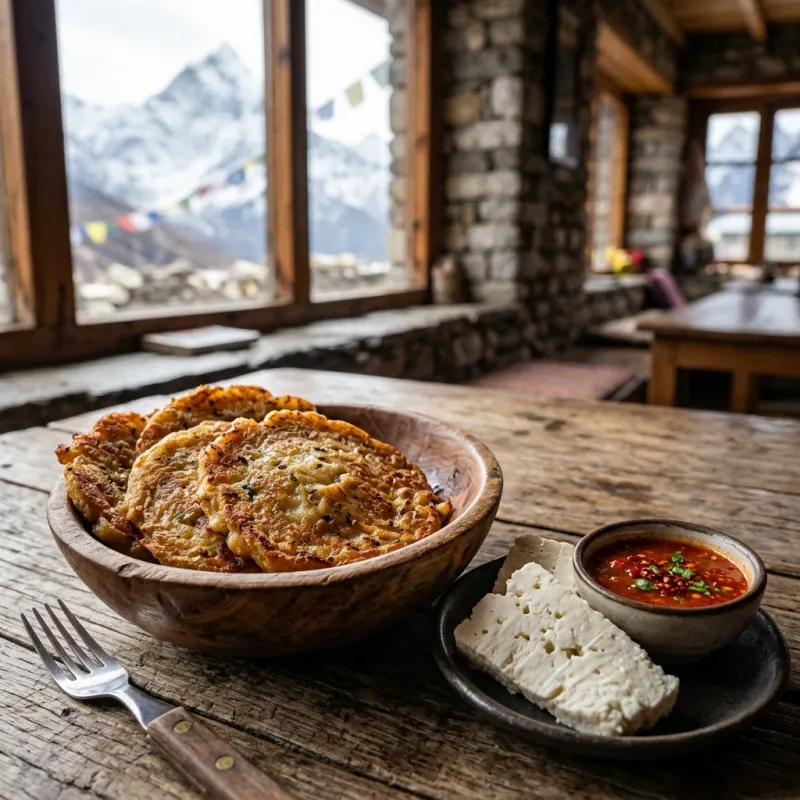
Authentic Nepalese Tamang Rigi Kur potato pancake with fresh Himalayan yak cheese

Must Try Dish

Rigi Kur with Fresh Yak Cheese - Crispy, golden Tamang potato pancakes pan-fried on a griddle and served warm with fermented chili paste and locally made, nutty Kyanjin Gompa yak cheese.
Food Experiences Title Icon

Food
Experiences

Discover cooking classes, tastings and local food tours

No food experience found
Maya, the human travel expert at TravelingWiz, offering curated, non-AI expertise

Maya’s Final Checklist for Langtang Region

Logistics shouldn’t be the focus of your trip—the experience should. I’ve hand-vetted these essential partners to ensure your arrival, stay, and exploration are as smooth as an Athenian breeze.

Where to Stay

From boutique hotels to local apartments—compare thousands of options and find the perfect stay in the best neighborhood.

Air Travel

Getting there should be seamless. Compare the best routes and prices across top airlines to start your journey on the right note.

Local Guides

Connect with experts who know the destination best. Get personalized advice and insider tips to help you plan your perfect trip.

Travel Protection

The “Engineer’s” rule: always have a backup. Secure your trip with a plan that covers every “what if” and unexpected change.

Car Rentals

Explore at your own pace with total freedom. Compare reliable rental options and find the right vehicle for your adventure.

Visa Services

Don’t let paperwork slow you down. Get expert assistance with your application to ensure all your entry documents are in order.

FAQs

Trekkers require two permits: the Langtang National Park Entry Permit (NPR 3,000 for foreigners) and the Trekkers’ Information Management System (TIMS) card. These can be acquired at the Nepal Tourism Board office in Kathmandu or directly at the Dhunche checkpoint.
It is rated as moderately challenging. The route does not involve technical climbing, but it requires enduring sustained daily ascents of 5 to 7 hours across rocky trails, culminating around 3,870 meters at Kyanjin Gompa and up to 4,984 meters at Tsergo Ri.
Trekkers typically board a public bus (7-9 hours) or hire a private 4WD jeep (6-7 hours) from the Machha Pokhari bus stand in Kathmandu to Syabrubesi, driving along the winding Pasang Lhamu Highway.
Yes. Spending a rest or acclimatization day at Kyanjin Gompa (3,870m) before attempting the steep climbs to Kyanjin Ri or Tsergo Ri is essential for allowing your body to adapt safely to lower oxygen levels.
Yes, but teahouses rely heavily on solar panels and charge between 200 and 500 NPR per device battery charge. Carrying a reliable, cold-resistant power bank is strongly advised.

Your Insights Matter

TravelingWiz grows through the stories of our community. If you’ve recently explored ,Langtang Region share your tips and stories to help us perfect our guides for the next traveler.

Related Articles

Check out our related articles and blog posts to learn even more about the destination.

No related articles found

Don’t Travel Alone

Share with your friends and family

Where should we send your offline card?

We hate spam just as much as you do

newsletter_consent *