Disclosure: This site contains affiliate links. We may earn a commission if you make a purchase, at no extra cost to you.

>
>
Nepal
Colorful prayer flags fluttering before the snow-capped peaks of the Himalayas in Nepal

Nepal Overview & Key Highlights

Nepal is a landlocked Himalayan nation situated between India and China, renowned globally as the ultimate destination for high-altitude trekking and mountaineering. Home to eight of the world's ten highest peaks, including Mount Everest, the country offers unparalleled dramatic landscapes that transition from subtropical jungles in the south to frozen alpine peaks in the north. Beyond the mountains, the Kathmandu Valley serves as a living museum of ancient Newari architecture, intricate wood carvings, and sacred Hindu and Buddhist sites. Travelers visiting Nepal will find a deeply spiritual and welcoming culture that permeates every aspect of daily life. Whether you are tracking Bengal tigers in Chitwan National Park, spinning prayer wheels at the Boudhanath Stupa, or navigating the legendary Annapurna Circuit, the experiences here are both physically rewarding and culturally profound. The country's diverse topography and rich heritage make it a compelling destination for adventurers, spiritual seekers, and nature enthusiasts alike.

Nepal Travel Guide: Logistics & In-Depth Tips

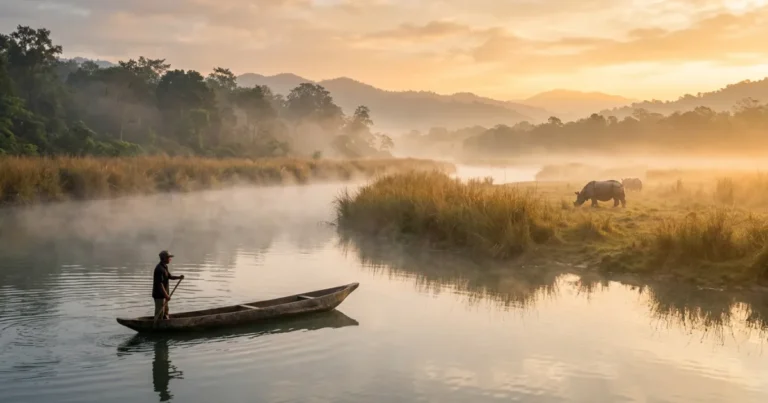
Nepal's geography is dramatically divided into three distinct belts: the fertile Terai plains in the south, the rolling hills of the central region, and the towering Himalayas in the north. This extreme variation in altitude creates a staggering diversity of ecosystems. In the Terai, travelers can embark on jungle safaris in Chitwan or Bardia National Parks to spot one-horned rhinoceroses, Bengal tigers, and wild elephants. Moving north, the Kathmandu Valley is the cultural heart of the country, boasting seven UNESCO World Heritage sites within a 15-kilometer radius, including the majestic Durbar Squares of Kathmandu, Patan, and Bhaktapur.

For many, the ultimate draw of Nepal is the Himalayas. The Annapurna and Everest regions offer some of the most iconic trekking routes on the planet, weaving through remote Sherpa and Gurung villages, ancient monasteries, and high-altitude passes. Beyond the physical challenge, trekking in Nepal is a deeply spiritual journey, marked by fluttering prayer flags, mani stones, and the warm hospitality of the mountain communities. Whether you are seeking adrenaline-pumping white-water rafting, a peaceful yoga retreat in Pokhara, or a pilgrimage to Lumbini, the birthplace of Lord Buddha, Nepal delivers an unforgettable adventure.

Reasons to Visit

  • World-Class Trekking: Access to the legendary Everest Base Camp, Annapurna Circuit, and Langtang Valley treks.
  • Rich Cultural Heritage: Explore ancient temples, stupas, and palaces in the Kathmandu Valley.
  • Incredible Wildlife: Spot rhinos, tigers, and crocodiles in the subtropical jungles of Chitwan National Park.
  • Spiritual Awakening: Visit Lumbini, the birthplace of Buddha, and numerous sacred Hindu and Buddhist sites.
  • Affordability: Enjoy a highly budget-friendly destination with excellent value for food, accommodation, and transport.

Things to Avoid

  • Drinking Tap Water: Always stick to purified, boiled, or filtered water to avoid waterborne illnesses.
  • Disrespecting Local Customs: Avoid touching people on the head, pointing the soles of your feet at anyone, or entering temples with shoes on.
  • Trekking Unprepared: Never underestimate the altitude; avoid rushing your ascent and always carry proper gear.
  • Relying on Tight Flight Connections: Domestic flights in Nepal are frequently delayed or canceled due to unpredictable mountain weather.
  • Public Displays of Affection: Nepalese society is conservative; kissing or hugging intimately in public is frowned upon.

Local Transportation Tips

Navigating Nepal requires patience, as the mountainous terrain makes travel slow. Domestic flights are the fastest way to reach remote trekking hubs like Lukla or Jomsom, though they are highly weather-dependent. For intercity travel between Kathmandu, Pokhara, and Chitwan, VIP tourist buses are the most comfortable and reliable option, offering air conditioning and relatively safe driving. Local buses are incredibly cheap but often overcrowded, slow, and navigate treacherous mountain roads. Within cities like Kathmandu, taxis are plentiful, but you must negotiate the fare before getting in, or use local ride-hailing apps like Pathao.

Travel Etiquette

  • Greetings: Place your palms together in a prayer position and say 'Namaste' when greeting locals.
  • Temple Rules: Always remove your shoes before entering a Hindu temple or Buddhist monastery, and walk clockwise around stupas and mani walls.
  • Right Hand Rule: Use your right hand (or both hands) to give and receive items, including money and food, as the left hand is traditionally considered unclean.
  • Dress Modestly: Both men and women should avoid wearing revealing clothing; shoulders and knees should be covered, especially in rural areas and religious sites.

Recommended Age Group

Nepal offers diverse experiences, but its rugged terrain and high altitudes require careful consideration for different age groups.

  • Babies (0-2 years): Not Recommended. The lack of accessible infrastructure, rough roads, and limited pediatric medical facilities outside the capital make travel challenging.
  • Kids (3-12 years): Neutral. While cultural tours in Kathmandu and gentle wildlife safaris in Chitwan are enjoyable, long bus rides and high-altitude treks are generally unsuitable for young children.
  • Teens (13-19 years): Recommended. Older teens will love the adventure aspect, from moderate trekking in the Annapurna foothills to white-water rafting and jungle safaris.
  • Adults (20-64 years): Recommended. This is the prime demographic for Nepal's core attractions, including strenuous high-altitude trekking, mountaineering, and adventure sports.
  • Seniors (65+ years): Recommended. Active seniors can enjoy lower-elevation treks, scenic mountain flights, and deep cultural explorations of the Kathmandu Valley's heritage sites.

Accessibility Level: Medium

  • Uneven Terrain: Kathmandu's streets are often unpaved, lack sidewalks, and are highly congested, making wheelchair navigation very difficult.
  • Temple Access: Most historical and religious sites feature steep, uneven stairs and lack ramps or elevators.
  • Trekking Limitations: Traditional trekking routes are inaccessible to those with mobility issues, though specialized tour operators can arrange accessible helicopter tours to Everest Base Camp.
  • Accommodation: Only high-end international hotels in Kathmandu and Pokhara reliably offer accessible rooms and roll-in showers.

Did You Know?

Nepal is the only country in the modern world that does not have a rectangular national flag. Its unique flag consists of two stacked triangles, which represent the Himalayan Mountains and the country's two major religions, Hinduism and Buddhism. The crimson red color symbolizes the rhododendron, Nepal's national flower, as well as the brave spirit of the Nepalese people.

Cool Statistics

  • Nepal is home to 8 of the world's 14 highest peaks, all towering over 8,000 meters.
  • Over 120 different languages and dialects are spoken across the country's diverse ethnic groups.
  • The Kali Gandaki Gorge, located in the Himalayas, is considered by some measures to be the deepest gorge in the world.
  • Lumbini, located in southern Nepal, is recognized globally as the birthplace of Siddhartha Gautama, the Lord Buddha.


Address:

Nepal, Asia

Find Nearby Accommodations

Basic Info

address icon

COUNTRY & Region

Nepal,
Asia & Pacific

ACCESSIBILITY LEVEL​

Medium
Currency icon

LOCAL CURRENCY​

Nepalese Rupee (NPR)
Price level icon
Low
Safety Level icon

SAFETY LEVEL

Duration icon

Recommended Duration

• 1-7 days
• More than a week

Electricity

electricity icon

Electricity

220-240V, 
50Hz
Plug Socket icon

Plug Type

• Type C (Round pin)
• Type D (Three round pins in a triangular pattern)
• Type M (Three round pins, larger)
Plug types
Click To View Plug Types

Activities To Do In Nepal

Best Time To Visit Nepal

The best times to visit Nepal are during the spring and autumn seasons, which offer the most favorable weather for trekking and sightseeing.

  • Autumn (October to November): This is the peak tourist season, offering crystal clear mountain views, stable weather, and pleasant daytime temperatures.
  • Spring (March to May): The second most popular season features blooming rhododendron forests, warmer weather, and excellent wildlife viewing in the southern national parks.
  • Winter (December to February): Ideal for cultural tours in the Kathmandu Valley and jungle safaris in Chitwan, though high-altitude treks can be dangerously cold and snowbound.
  • Monsoon (June to September): Heavy rains obscure mountain views and cause landslides, though it is a good time to visit the rain-shadow regions like Mustang and Dolpo.

Average Temperatures Per Month

Remember to check the weather forecast a few days before the trip and before heading to the airport.

Safety Level icon

Safety Level

Nepal is generally very safe for travelers, with low rates of violent crime. However, petty theft can occur in crowded tourist areas like Thamel. The primary safety concerns are related to natural hazards: altitude sickness on treks, unpredictable weather, and poor road conditions. Always acclimatize properly, never trek alone in remote areas, and avoid traveling on mountain roads at night.

The rating is based on multi-year peace, crime, and security indices. Before you go, always verify current conditions through official government travel advisories.

Emergency Numbers

Police: 100
Ambulance: 102

No internet needed • Includes local translations • Free for TravelingWiz readers

Spoken Languages

Nepali is the official language. English is widely spoken in tourist areas, hotels, and by trekking guides.

Learn The Language

  • Namaste (Hello / Greetings)
  • Dhanyabad (Thank you)
  • Kasto cha? (How are you?)
  • Malai thaha chaina (I don’t know)
  • Kati ho? (How much is this?)
  • Maaph garnuhos (Excuse me / Sorry)
  • Pheri bhetaula (See you again)
  • Mitho cha (It is delicious)
Travel Booking Partner - TravelingWiz

Trip Cost & Budgeting for Nepal, 2026

Everything you need to know about money while traveling

Nepal is widely celebrated as a highly affordable destination for tourists, offering incredible value for backpackers and moderate spenders alike. While luxury lodges and specialized mountaineering expeditions can drive up costs, everyday expenses like guesthouse accommodations and local meals remain very budget-friendly. With TravelingWiz's Human Verified data, a typical traveler should expect to spend around $45 USD per day for a mid-range trip. You can easily enjoy a hearty plate of dal bhat for under $4 or secure a comfortable teahouse room for $10 a night on the trekking trails. Click the Trip Cost Calculator button below the table to work out your personal budget for this trip.

Currency icon

LOCAL CURRENCY​:

Nepalese Rupee (NPR)
Price level icon
Low
Cash is king in Nepal. While high-end hotels, restaurants, and large trekking agencies in Kathmandu and Pokhara accept credit cards (often with a 3-4% surcharge), you will need Nepalese Rupees in cash for teahouses, local transport, and small purchases on the trails.

Per person, per day – pocket cash for small purchases.

Local: 6600
Nepalese Rupee (NPR)
≈ 50 USD

Full daily spend estimation (accommodation, food, transportation, attractions).

Travel Style
Nepalese Rupee (NPR)
≈ USD ($)
Budget
4400
29
Mid-range
8000
52
Comfort
17600
115

The Prices, Daily costs, and calculator results are estimates for planning purposes only. Actual costs may vary based on season, booking timing, personal spending habits, and currency fluctuations. TravelingWiz cannot be held responsible for discrepancies between these estimates and your final trip expenses.

  • Eat Local: Stick to traditional Nepalese food like Dal Bhat or Momo (dumplings); Dal Bhat often comes with free refills of rice and lentils, making it incredibly cost-effective.
  • Hire Locally: Book your trekking guides and porters directly in Kathmandu or Pokhara rather than through international agencies to save money and ensure locals get the full wage.
  • Use Tourist Buses: For intercity travel between Kathmandu, Pokhara, and Chitwan, VIP tourist buses offer a great balance of comfort and affordability compared to domestic flights.
  • Trek Independently (Where Allowed): While a guide is now mandatory for many national parks, exploring the Kathmandu Valley rim or lower elevation trails independently can save on daily guide fees.

Pre-Order Tickets

Avoid disappointment when tickets sell out — and skip the long lines by booking online in advance. You’ll often save up to 20% too.
Save up to 20%

Travel Discounts & Coupons

Save on hotels, attractions, transport, and gear — find verified discounts for smarter travel spending.
Verified Coupons

What To Pack

  • Layered Clothing: Temperatures fluctuate wildly between Kathmandu and high-altitude trekking routes; pack thermal base layers, a fleece, and a down jacket.
  • Sturdy Footwear: Broken-in, waterproof hiking boots are essential for navigating rocky trails and uneven city streets.
  • Water Purification: Bring a reusable bottle with a built-in filter or water purification tablets to safely drink tap or stream water.
  • Universal Adapter: A universal power adapter with surge protection is necessary, as power outages and voltage spikes can occur.
  • Modest Attire: Pack long pants and shirts that cover your shoulders for visiting temples and rural villages.
We couldn't find tips for Nepal.
If you got any, please share

Recommended Itineraries for Traveling to Nepal

We couldn't find itineraries for Nepal.
you can contact us for custom trip plan

Food & Drink Highlights

Local Food Overview

Nepalese cuisine is heavily influenced by its Indian and Tibetan neighbors, yet retains its own distinct, hearty character suited for mountain life. Lentils, rice, potatoes, and warming spices like cumin, coriander, and turmeric form the backbone of the local diet.
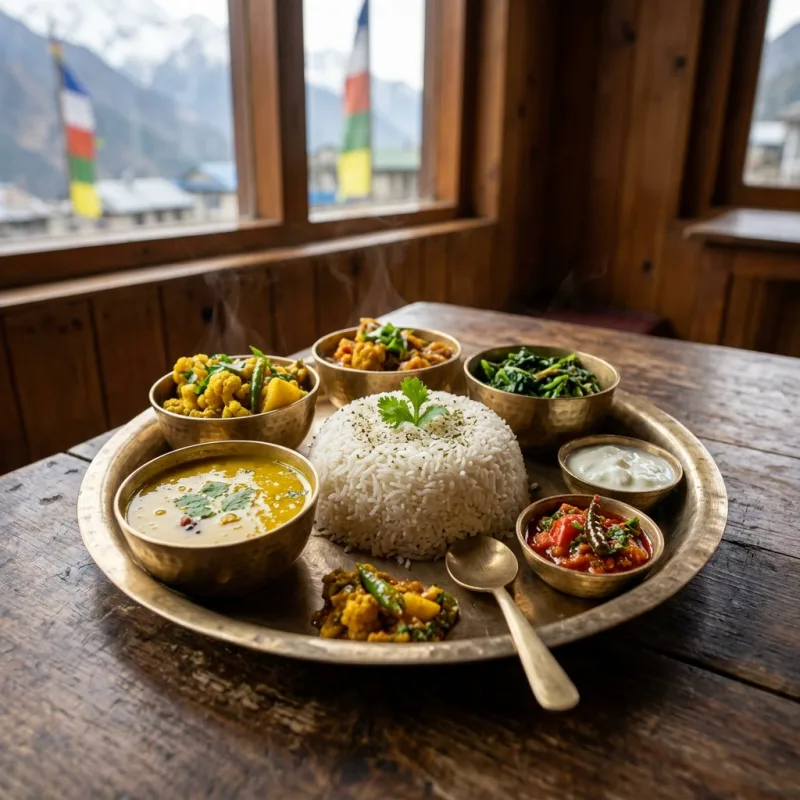
Traditional Nepalese Dal Bhat served on a brass platter

Must Try Dish

Dal Bhat - This traditional Nepalese staple consists of steamed rice served with a flavorful lentil soup, accompanied by seasonal vegetable curries and spicy pickles. It provides the perfect, nutrient-dense energy boost required for long days of trekking in the Himalayas.
Food Experiences Title Icon

Food
Experiences

Discover cooking classes, tastings and local food tours

No food experience found
Maya, the human travel expert at TravelingWiz, offering curated, non-AI expertise

Maya’s Final Checklist for Nepal

Logistics shouldn’t be the focus of your trip—the experience should. I’ve hand-vetted these essential partners to ensure your arrival, stay, and exploration are as smooth as an Athenian breeze.

Where to Stay

From boutique hotels to local apartments—compare thousands of options and find the perfect stay in the best neighborhood.

Air Travel

Getting there should be seamless. Compare the best routes and prices across top airlines to start your journey on the right note.

Local Guides

Connect with experts who know the destination best. Get personalized advice and insider tips to help you plan your perfect trip.

Travel Protection

The “Engineer’s” rule: always have a backup. Secure your trip with a plan that covers every “what if” and unexpected change.

Car Rentals

Explore at your own pace with total freedom. Compare reliable rental options and find the right vehicle for your adventure.

Visa Services

Don’t let paperwork slow you down. Get expert assistance with your application to ensure all your entry documents are in order.

FAQs

Yes, most nationalities require a visa to enter Nepal. Fortunately, a tourist visa on arrival is available at Tribhuvan International Airport in Kathmandu and at land borders for most travelers.
No, tap water in Nepal is not safe to drink. Always consume boiled, filtered, or bottled water, and avoid ice in drinks unless you are certain it was made from purified water.
As of recent regulations, solo trekking without a guide is banned in many of Nepal’s national parks and conservation areas. Hiring a licensed guide or porter is highly recommended for safety and cultural enrichment.
Altitude sickness is a real risk for anyone traveling above 2,500 meters (8,200 feet). It is crucial to ascend slowly, stay hydrated, and include acclimatization days in your trekking itinerary.

Your Insights Matter

TravelingWiz grows through the stories of our community. If you’ve recently explored ,Nepal share your tips and stories to help us perfect our guides for the next traveler.

Related Articles

Check out our related articles and blog posts to learn even more about the destination.

No related articles found

Don’t Travel Alone

Share with your friends and family

Where should we send your offline card?

We hate spam just as much as you do

newsletter_consent *