Disclosure: This site contains affiliate links. We may earn a commission if you make a purchase, at no extra cost to you.

>
>
>
Kathmandu Valley

Kathmandu Valley

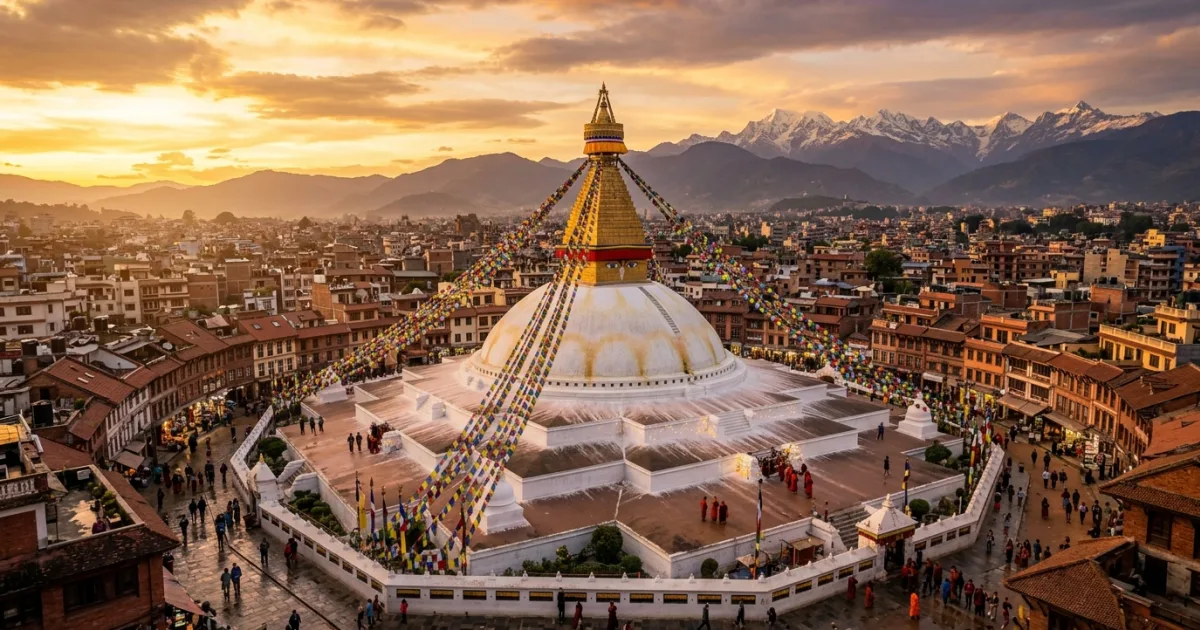
Panoramic view of Boudhanath Stupa and prayer flags over the Kathmandu Valley at sunset

Kathmandu Valley Overview & Key Highlights

Kathmandu Valley serves as the cultural, historical, and spiritual epicenter of Nepal, cradling seven distinct UNESCO World Heritage Monument Zones within a high-altitude basin surrounded by lush Himalayan foothills. The valley seamlessly integrates three medieval royal cities—Kathmandu, Patan, and Bhaktapur—where intricate multi-tiered pagoda temples, Newari brick courtyards, and ancient stone carvings form an unbroken living heritage. Vibrant religious practices animate every street corner, from the hypnotic circumambulations around the towering Boudhanath Stupa to the sacred Hindu rituals along the holy Bagmati River at Pashupatinath Temple. Beyond its monumental palaces and spiritual shrines, the valley presents an intoxicating tapestry of sensory experiences for modern explorers. Narrow medieval alleyways lined with spice merchants, bronze artisan ateliers, and rooftop cafes lead out toward tranquil forested ridges like Nagarkot and Shivapuri, which offer sweeping panoramic vistas of the snow-capped Himalayan ranges. While rapid urbanization creates a bustling, often chaotic rhythm on the main thoroughfares, stepping through any carved wooden doorway reveals quiet monastic courtyards where butter lamps flicker and time seems suspended.

Kathmandu Valley Travel Guide: Logistics & In-Depth Tips

Kathmandu Valley constitutes one of the most culturally concentrated mountain basins on earth, elevated at 1,400 meters above sea level and encircled by the towering green ridges of the Middle Hills. Historically known as Nepal Mandala, the valley was governed for centuries by rival Malla dynasties who engaged in an architectural arms race, commissioning the continent's finest woodcarvers, stone masons, and metal casters to build palatial durbar courtyards. Today, this profound heritage remains fully woven into the fabric of daily urban survival, where holy cows rest against centuries-old pagoda plinths and incense smoke mingles with morning market trade.

A journey through the valley is best experienced as an exploration of distinct character zones. Kathmandu offers vibrant commercial energy, bohemian trekking markets, and the grand residence of the Kumari (the Living Goddess). Patan (Lalitpur) is a peaceful sanctuary of fine arts, filled with bronze foundries and an impeccably restored palace museum. Bhaktapur preserves an unhurried, medieval atmosphere where terracotta pottery dries under the sun across brick-paved public plazas. Framing these urban centers are serene hilltop monasteries and panoramic viewpoints like Nagarkot, making the valley an all-encompassing gateway to Himalayan civilization.

Reasons to Visit

  • Explore seven distinct UNESCO World Heritage sites clustered within a single compact river basin.
  • Witness the living spiritual traditions of both Vajrayana Buddhism and esoteric Hinduism practiced side by side.
  • Admire world-class Newari architecture featuring intricate lattice-carved wooden windows and multi-tiered pagodas.
  • Taste rich Newari culinary heritage, from crispy fried wo to fire-roasted choila and creamy Bhaktapur curd.
  • Shop for authentic handcrafted souvenirs including Tibetan singing bowls, pashmina shawls, and Thangka paintings directly from artisans.

Things to Avoid

  • Avoid drinking untreated tap water or consuming ice cubes from unverified street stalls.
  • Do not point the soles of your shoes or feet toward sacred religious icons, monks, or local elders.
  • Avoid taking photographs of open-air cremation pyres along the ghats at Pashupatinath out of basic human dignity.
  • Do not accept unsolicited guided tours or unprompted spiritual blessings around temple gates without clarifying expectations upfront.

Local Transportation Tips

Navigating Kathmandu Valley requires flexibility and patience due to dense traffic conditions. Ride-sharing mobile apps such as Pathao and InDrive provide transparent pricing for both two-wheeled motorbikes and standard four-wheeled cabs. Traditional metered taxis are ubiquitous; always insist on using the meter or agree on a firm price prior to departure. Public microbuses and larger Sajha Yatayat buses run frequently across the valley's primary corridors like the Ring Road, offering an ultra-cheap but crowded commuting experience.

Travel Etiquette

  • Always walk clockwise (sunwise) around Buddhist stupas, chortens, mani stone walls, and Hindu temple shrines.
  • Remove shoes, hats, and leather accessories before stepping into Hindu temple compounds and Buddhist gompas.
  • Use your right hand (or both hands together) when giving or receiving money, gifts, and food items.
  • Dress conservatively by keeping upper arms and legs covered when entering holy neighborhoods and administrative complexes.

Recommended Age Group

Kathmandu Valley offers enriching experiences for visitors across multiple life stages, though physical terrain and urban intensity dictate practical comfort levels.

  • Babies (0-2 years): Neutral. Cobblestone plazas, steep steps, and chaotic streets make pushchairs virtually unusable, requiring sturdy baby carriers. Air pollution requires close attention.
  • Kids (3-12 years): Recommended. Children are fascinated by colorful temple guardian statues, bustling markets, ringing temple bells, and the lively monkeys at Swayambhunath.
  • Teens (13-19 years): Recommended. Teenagers will thrive on photography walks, street food tastings, Thamel's adventure-gear atmosphere, and day hikes along the surrounding valley ridges.
  • Adults (20-64 years): Recommended. Perfect for cultural deep-dives, architectural exploration, temple trekking, and exploring artisan workshops across Patan and Bhaktapur.
  • Seniors (65+ years): Neutral. While rich in cultural rewards, the uneven flagstones, lack of accessibility ramps, and high pagoda stairs demand careful footing and private transport.

Accessibility Level: Medium

  • Uneven medieval flagstones, high temple door thresholds, and steep stairs present widespread physical obstacles for wheelchair users.
  • Patan Museum and the paved peripheral ring of Boudhanath Stupa offer the valley's most level and navigable pedestrian pathways.
  • Hiring a private vehicle with an attentive driver is essential for travelers with limited mobility to minimize walking over broken road surfaces.

Did You Know?

According to ancient geological studies and sacred Buddhist myth, Kathmandu Valley was once a massive prehistoric mountain lake. Legend recounts that the Bodhisattva Manjushri struck a gorge through the southern ridge at Chobhar with his flaming sword of wisdom, draining the waters and leaving behind the remarkably fertile valley floor inhabited today.

Cool Statistics

  • 1,400 meters: The average elevation of the Kathmandu Valley basin floor above sea level.
  • 7: The number of UNESCO World Heritage Monument Zones preserved within the valley's limits.
  • Over 130: Significant monuments, including pilgrimage sanctuaries and royal courtyards, dotting the valley landscape.


Address:

Kathmandu Valley, Nepal

Find Nearby Accommodations

Basic Info

address icon

COUNTRY & Region

Nepal,
Asia

ACCESSIBILITY LEVEL​

Medium
Currency icon

LOCAL CURRENCY​

Nepalese Rupee (NPR)
Price level icon
Low
Safety Level icon

SAFETY LEVEL

Duration icon

Recommended Duration

• 1-7 days
• More than a week

Electricity

electricity icon

Electricity

220-240V, 
50Hz
Plug Socket icon

Plug Type

• Type C (Round pin)
• Type D (Three round pins in a triangular pattern)
• Type M (Three round pins, larger)
Plug types
Click To View Plug Types
Kathmandu Valley is part of our
Culinary Heritage collection

Things To Do In Kathmandu Valley

Total: 3

Activities To Do In Kathmandu Valley

Best Time To Visit Kathmandu Valley

Kathmandu Valley is best visited during the dry, clear seasons when mountain visibility is optimal and festival culture peaks.

  • Autumn (October to November): Pristine clear skies, comfortable temperatures ranging from 15°C to 24°C, and the grand Hindu festivals of Dashain and Tihar.
  • Spring (March to April): Warm days, blooming rhododendrons in surrounding hill ridges, and vibrant cultural celebrations like Holi and Bisket Jatra.
  • Winter (December to February): Crisp, sunny afternoons with chilly mornings and evenings dipping near freezing, offering fewer tourist crowds.
  • Monsoon (June to September): Heavy downpours, high humidity, cloud-obscured Himalayan views, and frequent mountain road landslides.

Average Temperatures Per Month

Remember to check the weather forecast a few days before the trip and before heading to the airport.

Safety Level icon

Safety Level

Kathmandu Valley is welcoming and possesses low rates of violent crime, but basic urban precautions remain necessary. Air pollution and road dust can irritate sensitive respiratory tracts, making high-quality masks beneficial on busy roads. Negotiate taxi fares before entering unless using an app. Guard your wallet and electronics against opportunistic pickpockets in crowded spots such as Asan Tole and festival gatherings. Respect sacred macaques at Swayambhunath and Pashupatinath by keeping snacks hidden and avoiding direct eye contact.

The rating is based on multi-year peace, crime, and security indices. Before you go, always verify current conditions through official government travel advisories.

Emergency Numbers

Police: 100
Ambulance: 102

No internet needed • Includes local translations • Free for TravelingWiz readers

Spoken Languages

Nepali is the official lingua franca, while Nepal Bhasa (Newari) is widely spoken by the indigenous valley population. English is spoken comprehensively across hotels, travel agencies, restaurants, and souvenir markets.

Learn The Language

  • Namaste: Hello / Greetings (palms pressed together)
  • Dhanyabaad: Thank you
  • Kati parchha?: How much does this cost?
  • Mitho chha: It is delicious
  • Pani dinuhos: Water, please
  • Hajur / Hoina: Yes (respectful) / No
  • Kahan chha…?: Where is…?
  • Subhapravat: Good morning
Travel Booking Partner - TravelingWiz

Trip Cost & Budgeting for Kathmandu Valley, 2026

Everything you need to know about money while traveling
Is Kathmandu Valley expensive for tourists in 2026? Not at all, as Nepal remains one of the world's most affordable travel destinations. Based on our Human Verified prices, expect to pay around NPR 235 for a cappuccino, NPR 480 for a domestic beer, and NPR 1,200 for a mid-range meal. While entry fees for historic heritage sites add up, daily living expenses remain very modest. Use the data table below to calculate your specific daily budget based on your travel style.
Currency icon

LOCAL CURRENCY​:

Nepalese Rupee (NPR)
Price level icon
Low
Cash is essential for daily purchases, local transport, and small vendors, though major hotels accept credit cards.

Per person, per day – pocket cash for small purchases.

Local: 850
Nepalese Rupee (NPR)
≈ 6 USD

Full daily spend estimation (accommodation, food, transportation, attractions).

Travel Style
Nepalese Rupee (NPR)
≈ USD ($)
Budget
4700
31
Mid-range
8500
55
Comfort
18700
122

The Prices, Daily costs, and calculator results are estimates for planning purposes only. Actual costs may vary based on season, booking timing, personal spending habits, and currency fluctuations. TravelingWiz cannot be held responsible for discrepancies between these estimates and your final trip expenses.

  • • Download local ride-hailing apps like Pathao or InDrive to avoid paying inflated taxi fares around the valley.
  • • Purchase full-day or multi-entry heritage passes if exploring Bhaktapur and Patan to save on UNESCO site tickets.
  • • Dine at local Newari eateries and teahouses rather than tourist-heavy restaurants in central Thamel.
  • • Use ATMs attached to major banks like Nabil Bank or Himalayan Bank to minimize per-withdrawal machine fees.

Pre-Order Tickets

Avoid disappointment when tickets sell out — and skip the long lines by booking online in advance. You’ll often save up to 20% too.
Save up to 20%

Travel Discounts & Coupons

Save on hotels, attractions, transport, and gear — find verified discounts for smarter travel spending.
Verified Coupons

What To Pack

  • High-filtration dust masks (N95/KF94) for urban traffic corridors
  • Sturdy walking shoes with reliable tread for uneven flagstones and high temple steps
  • Slip-on footwear for frequent removal before entering temples and monasteries
  • Modest clothing covering shoulders and knees out of respect for holy sites
  • Universal power adapter compatible with Type C, D, and M wall sockets
  • High-capacity portable power bank for extended exploration days
  • Small denominations of cash in local currency for shrines, market stalls, and entry tickets
  • Polarized sunglasses and broad-spectrum sunscreen for high-altitude UV radiation
We couldn't find tips for Kathmandu Valley.
If you got any, please share

Recommended Itineraries for Traveling to Kathmandu Valley

We couldn't find itineraries for Kathmandu Valley.
you can contact us for custom trip plan

Food & Drink Highlights

Local Food Overview

The culinary identity of Kathmandu Valley is anchored by the indigenous Newari community, whose elaborate festival gastronomy balances fermented, roasted, and spiced elements. Street food culture thrives around communal squares where vendors prepare steaming dumplings and griddled lentil cakes. Dal bhat—a balanced platter of steamed rice, spiced lentil soup, seasonal vegetable curries, and piquant pickles—serves as the daily staple for locals, while rich milk-based confections like Juju Dhau (the sweetened curd of Bhaktapur) crown every festive feast.
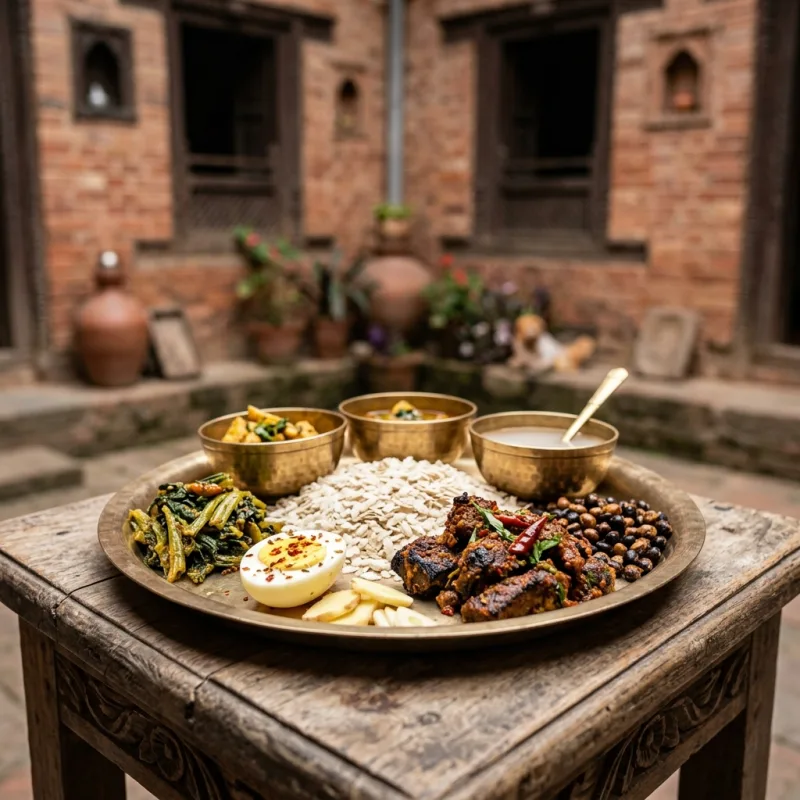
Traditional Newari Samay Baji feast platter on a brass plate in Kathmandu

Must Try Dish

Samay Baji - An ancient Newari ceremonial platter featuring beaten rice (baji), spiced barbecued water buffalo (choila), black soybeans, boiled egg, fried ginger, and garlic greens. This heritage assortment offers an unforgettable contrast of textures and robust smoky spices that represent the elements of good fortune.
Food Experiences Title Icon

Food
Experiences

Discover cooking classes, tastings and local food tours

No food experience found
Maya, the human travel expert at TravelingWiz, offering curated, non-AI expertise

Maya’s Final Checklist for Kathmandu Valley

Logistics shouldn’t be the focus of your trip—the experience should. I’ve hand-vetted these essential partners to ensure your arrival, stay, and exploration are as smooth as an Athenian breeze.

Where to Stay

From boutique hotels to local apartments—compare thousands of options and find the perfect stay in the best neighborhood.

Air Travel

Getting there should be seamless. Compare the best routes and prices across top airlines to start your journey on the right note.

Local Guides

Connect with experts who know the destination best. Get personalized advice and insider tips to help you plan your perfect trip.

Travel Protection

The “Engineer’s” rule: always have a backup. Secure your trip with a plan that covers every “what if” and unexpected change.

Car Rentals

Explore at your own pace with total freedom. Compare reliable rental options and find the right vehicle for your adventure.

Visa Services

Don’t let paperwork slow you down. Get expert assistance with your application to ensure all your entry documents are in order.

FAQs

Patan is directly adjacent to southern Kathmandu across the Bagmati River and is easily reached within 15 to 25 minutes via taxi or ride-hailing apps. Bhaktapur sits roughly 15 kilometers east of central Kathmandu, reachable in 40 to 60 minutes via private taxi or express tourist buses departing from Ratna Park.
Yes, each major heritage precinct—Kathmandu Durbar Square, Patan Durbar Square, Bhaktapur Durbar Square, Swayambhunath, Boudhanath, and Pashupatinath—charges an independent foreign visitor entry fee payable at gate kiosks in cash.
The inner sanctum of Pashupatinath Temple is reserved exclusively for practicing Hindus. Non-Hindu visitors can wander the vast surrounding temple grounds, cross the bridge over the Bagmati River, and observe rituals and open-air cremations from the eastern bank terraces.
No, tap water across Kathmandu Valley is not potable. Always consume filtered, boiled, or commercially bottled water, and ensure raw fruits or vegetables are washed thoroughly with purified water.

Your Insights Matter

TravelingWiz grows through the stories of our community. If you’ve recently explored ,Kathmandu Valley share your tips and stories to help us perfect our guides for the next traveler.

Related Articles

Check out our related articles and blog posts to learn even more about the destination.

No related articles found

Don’t Travel Alone

Share with your friends and family

Where should we send your offline card?

We hate spam just as much as you do

newsletter_consent *