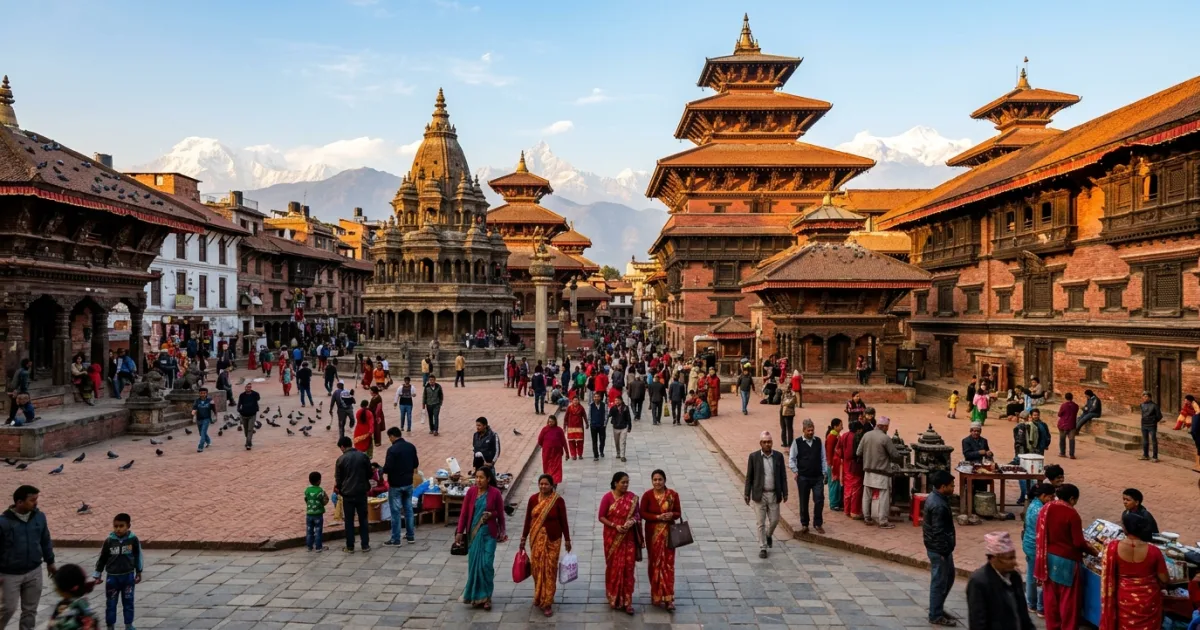
Kathmandu sits at the crossroads of ancient trans-Himalayan trade routes, where the cultures of northern Tibet and the southern plains of India have blended for centuries. The capital city is home to over 1.4 million residents and forms the core of an expansive metropolitan valley dotted with stupas, shrines, and multi-tiered timber pagodas built under the Malla and Shah dynasties.
Today, Kathmandu is a study in contrasts: high-tech outdoor gear shops rub shoulders with ancient copper-smithing ateliers in Thamel, while sacred cremation rituals unfold quietly along the sacred Bagmati River at Pashupatinath. Travelers encounter unmatched spiritual energy, architectural grandeur, and welcoming mountain hospitality despite the city's chaotic pace and rapid urban development.
Reasons to Visit
- Exceptional Architectural Heritage: Witness centuries of master Newari craftsmanship visible in intricately carved wooden windows, gilded pagoda roofs, and sprawling temple squares.
- Spiritual Crossroads: Experience deep coexistence between Hinduism and Tibetan Buddhism at major pilgrimage landmarks like Boudhanath Stupa and Pashupatinath Temple.
- Gateway to the Himalayas: Access trekking permits, mountaineering outfits, and regional flights heading directly into the world's highest mountain ranges.
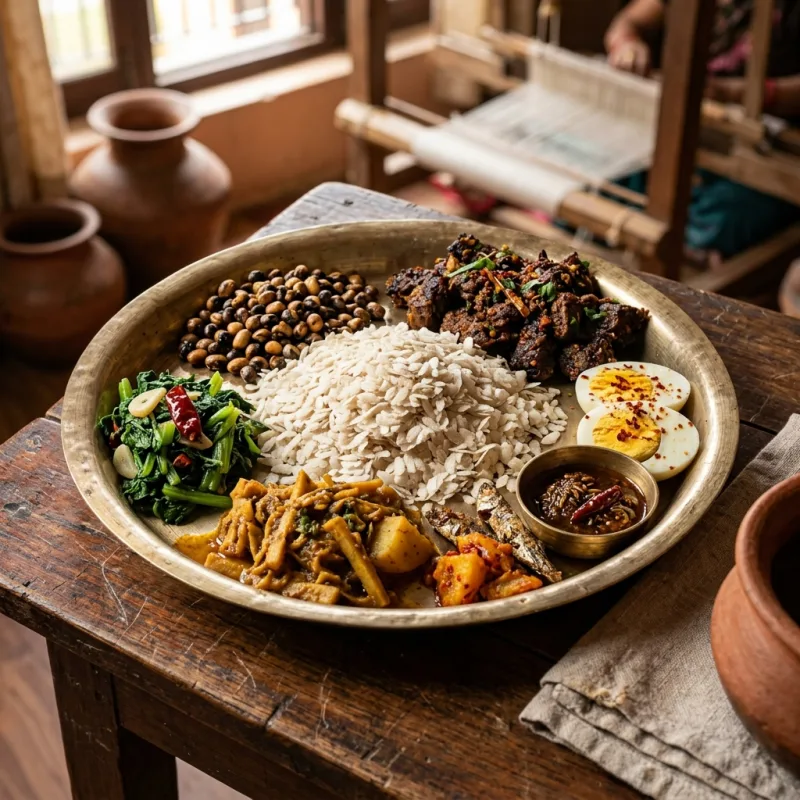
- Vibrant Culinary Landscape: Savor unique culinary creations ranging from Tibetan momos and Newari spiced platters to world-class Himalayan coffee.
Things to Avoid
- Do not photograph sacred Hindu cremation ceremonies at Pashupatinath Temple out of basic human dignity and cultural respect.
- Avoid hiring unbadged individuals claiming to be official guides around monument gates without verifying their government credentials.
- Do not drink unboiled tap water or consume raw street salads washed in untreated municipal water supplies.
- Avoid entering Hindu temple inner sanctuaries if marked as restricted strictly to Hindu devotees.
Local Transportation Tips
Taxis are ubiquitous throughout Kathmandu, though drivers frequently refuse to engage meters; agree on a fare beforehand or use local ride-hailing applications like Pathao and InDrive for pre-calculated pricing. Public microbuses and electric tempos traverse major valley arteries, offering an extremely inexpensive glimpse into local commuting, though they are frequently overcrowded and lack English route indicators. For navigating the tightly packed quarters of Thamel, Ason, and Durbar Square, foot travel remains the fastest and most immersive option.
Travel Etiquette
- Always circumnavigate Buddhist stupas, shrines, and prayer wheel walls in a clockwise direction.
- Remove shoes before stepping into private homes, monastery prayer halls, and Hindu sanctums.
- Dress modestly by ensuring shoulders and legs are covered when visiting any religious site.
- Use your right hand or both hands when giving or receiving money and gifts; avoid using the left hand alone.
Recommended Age Group
Kathmandu offers an enriching cultural journey, though its bustling streets and infrastructure require careful consideration across different age brackets.
- Babies (0-2 years): Not Recommended. Narrow cobblestone streets, high curbs, and traffic-heavy sidewalks make navigating with strollers impractical, while dust levels require constant precautions.
- Kids (3-12 years): Neutral. Children fascinated by colorful temples, monkeys at Swayambhunath, and street pageantry will enjoy the sights, though walking on busy streets demands strict supervision.
- Teens (13-19 years): Recommended. Teenagers will appreciate the bustling energy of Thamel, outdoor gear markets, vibrant café culture, and the thrill of preparing for Himalayan treks.
- Adults (20-64 years): Recommended. Perfect for cultural enthusiasts, photographers, trekkers, and history lovers who can easily navigate energetic bazaars and historical sites.
- Seniors (65+ years): Neutral. Rich historical sightseeing is easily accessible via private driver tours, but uneven stone pavements and steep temple staircases demand moderate physical mobility.
Accessibility Level: Medium
- Pavements throughout historical centers are uneven, frequently broken, and lack dropped curbs, presenting substantial challenges for manual wheelchair users.
- Most ancient multi-tiered pagodas and monastery prayer halls feature steep stone steps without ramp access or handrails.
- Modern private hotels in central neighborhoods provide elevator access and roll-in showers, making structured private car touring the most viable accessible travel option.
Did You Know?
Boudhanath Stupa in eastern Kathmandu is one of the largest spherical stupas in the world and has served as a central focal point for Tibetan Buddhist refugees and trans-Himalayan traders for centuries.
Cool Statistics
- Altitude: 1,400 meters (4,593 feet) above sea level.
- Monuments: 7 distinct UNESCO World Heritage Monument Zones across the surrounding valley.
- History: Continuous urban habitation and artistic lineage spanning more than 2,000 years.






Buy a compatible power adapter for your trip