

Low – budget‑friendly basics
Medium – moderate mid‑range costs
High – pricey lodging, dining & transport
Disclosure: This site contains affiliate links. We may earn a commission if you make a purchase, at no extra cost to you.
Low – budget‑friendly basics
Medium – moderate mid‑range costs
High – pricey lodging, dining & transport
5 shields = Excellent – very low crime or conflict.
4 shields = Safe – low risk, routine care.
3 shields = Relatively safe – use normal street smarts.
2 shields = Use caution – higher crime or periodic unrest.
1 shields = Avoid – active conflict or extreme danger.
Scores are derived from multi-year peace, homicide and security indices blended into a single 1-to-5 scale.
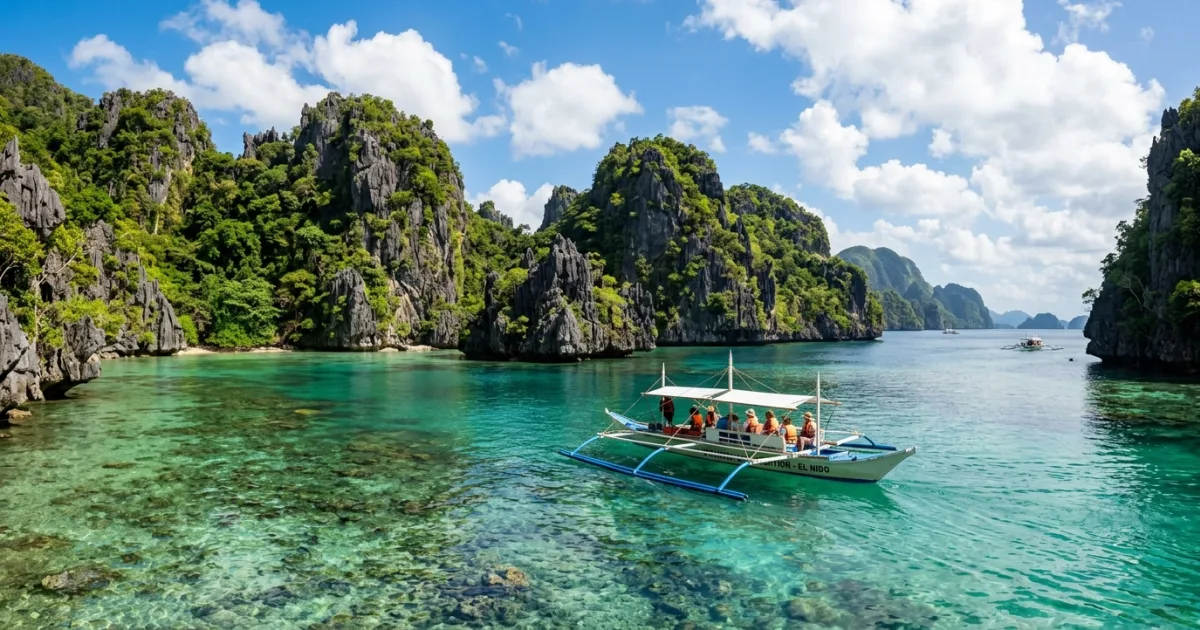
Palawan spans an elongated 450-kilometer landmass bordered by the South China Sea and the Sulu Sea, functioning as the Philippines' primary bastion of wild, pristine biodiversity. The island's topography is characterized by rugged mountain spines running down its center, meeting sheer limestone cliffs and shallow coastal lagoons filled with vibrant coral reefs. Most travelers journey along the spine from Puerto Princesa northward through San Vicente and Taytay up to El Nido, or venture separately to the northern Calamian group anchored by Coron. Navigating Palawan requires adjusting to relaxed island timing, characterized by outrigger bangka boat excursions and winding overland van transfers through rural barangays. Days typically revolve around island-hopping circuits through protected marine reserves, sea kayaking along hidden lagoons, and diving across sunken wartime armadas. The province emphasizes strict environmental regulations, requiring eco-tourism fees and banning single-use plastics across key marine reserves to preserve its fragile coastal biospheres.
Palawan represents the last great ecological frontier of the Philippine archipelago, encompassing nearly 1,800 islands and islets surrounded by pristine marine reserves. The provincial landscape transitions from the dense, biodiverse rainforests of Mount Mantalingahan in the south to the limestone labyrinth of the Bacuit Archipelago in the north. Unlike much of the geologically active Philippines, Palawan sits on the stable Sunda tectonic plate, meaning it is largely free from volcanic activity and severe earthquakes.
The cultural tapestry of Palawan weaves together indigenous traditions from groups such as the Tagbanwa, Palaw'an, and Batak with contemporary migrant communities from Luzon and the Visayas. Environmental preservation is legally encoded into the province's developmental strategy, with extensive community-led initiatives protecting sea turtle nesting beaches, limiting vessel horsepower in lagoons, and enforcing closed fishing seasons around the marine sanctuaries of Coron and Tubbataha Reefs.
Overland transport throughout Palawan centers around motorized tricycles for short town hops, while multi-passenger vans (UV Express) handle regional journeys between northern municipalities and Puerto Princesa. Tricycle fares are negotiated or regulated by local barangay tariffs, typically ranging from 50 to 150 PHP per ride depending on the distance. For maritime travel, native motorized outrigger canoes known as bangkas provide both point-to-point transfers and structured day tours. High-speed catamarans connect El Nido with Coron, running once to twice daily across the open sea.
While Palawan captivates travelers of all demographics, the physical demands of hopping over outrigger boat gunwales, swimming into hidden sea caves, and bumpy road transit favor active and mobile visitors.
The waters surrounding Coron Island are legally owned and managed as an Ancestral Domain by the indigenous Tagbanwa tribe, granting them sovereign ancestral rights to fish, protect, and regulate tourist access to sacred inland waters like Kayangan Lake.

Palawan experiences two distinct seasonal patterns dictated by the northeast and southwest monsoons, with peak travel concentrated during the dry period.
| Month | °C | °F |
|---|---|---|
| Jan | 27 | 81 |
| Feb | 27 | 81 |
| Mar | 27 | 81 |
| Apr | 28 | 82 |
| May | 28 | 82 |
| Jun | 28 | 82 |
| Jul | 27 | 81 |
| Aug | 27 | 81 |
| Sep | 27 | 81 |
| Oct | 27 | 81 |
| Nov | 27 | 81 |
| Dec | 27 | 81 |
Remember to check the weather forecast a few days before the trip and before heading to the airport.
5 shields = Excellent – very low crime or conflict.
4 shields = Safe – low risk, routine care.
3 shields = Relatively safe – use normal street smarts.
2 shields = Use caution – higher crime or periodic unrest.
1 shields = Avoid – active conflict or extreme danger.
Scores are derived from multi-year peace, homicide and security indices blended into a single 1-to-5 scale.
The rating is based on multi-year peace, crime, and security indices. Before you go, always verify current conditions through official government travel advisories.
No internet needed • Includes local translations • Free for TravelingWiz readers

Low – budget‑friendly basics
Medium – moderate mid‑range costs
High – pricey lodging, dining & transport
Per person, per day – pocket cash for small purchases.
Full daily spend estimation (accommodation, food, transportation, attractions).
Travel Style | Philippine Peso (PHP) | ≈ USD ($) |
|---|---|---|
Budget | 2100 | 34 |
Mid-range | 3800 | 61 |
Comfort | 8350 | 134 |
The Prices, Daily costs, and calculator results are estimates for planning purposes only. Actual costs may vary based on season, booking timing, personal spending habits, and currency fluctuations. TravelingWiz cannot be held responsible for discrepancies between these estimates and your final trip expenses.
Choose a ready-made itinerary, plan your own trip, and keep TravelingWiz by your side while you travel.
Get the TravelingWiz app →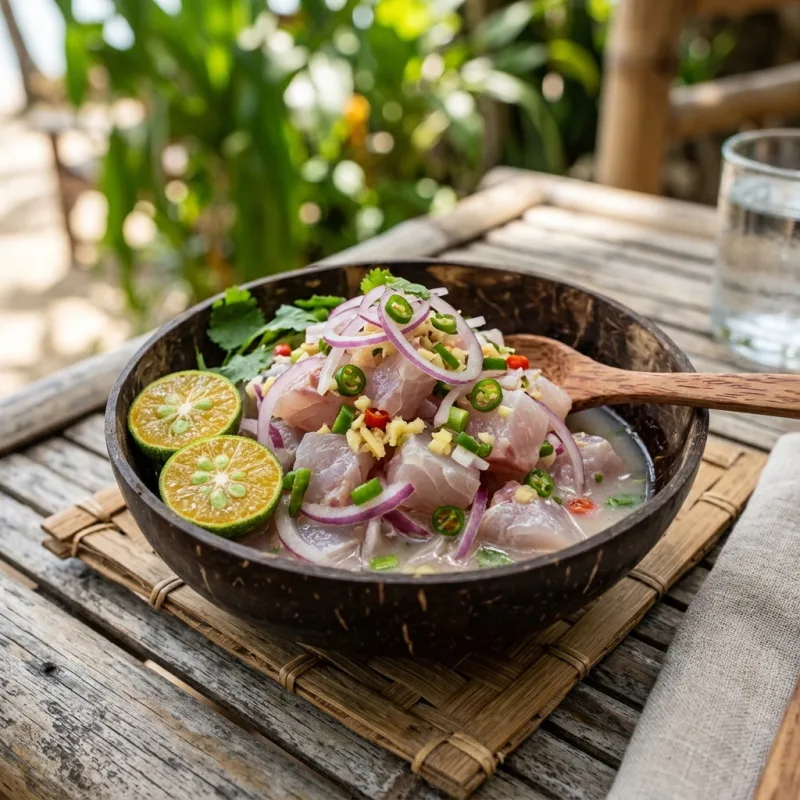
Discover cooking classes, tastings and local food tours
Logistics shouldn’t be the focus of your trip—the experience should. I’ve hand-vetted these essential partners to ensure your arrival, stay, and exploration are as smooth as an Athenian breeze.

Compare accommodation options and choose a stay that suits your plans and budget.
Connect with local guides for personalized help planning and exploring.
The “Engineer’s” rule: always have a backup. Secure your trip with a plan that covers every “what if” and unexpected change.
Don’t let paperwork slow you down. Get expert assistance with your application to ensure all your entry documents are in order.
Check out our related articles and blog posts to learn even more about the destination.
Share with your friends and family
