Disclosure: This site contains affiliate links. We may earn a commission if you make a purchase, at no extra cost to you.

>
>
Philippines

Philippines

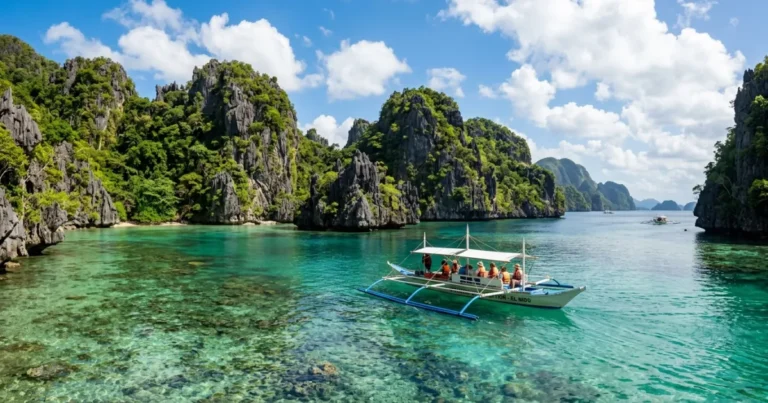
Limestone karst formations and clear turquoise waters in El Nido, Palawan, Philippines

Philippines Overview & Key Highlights

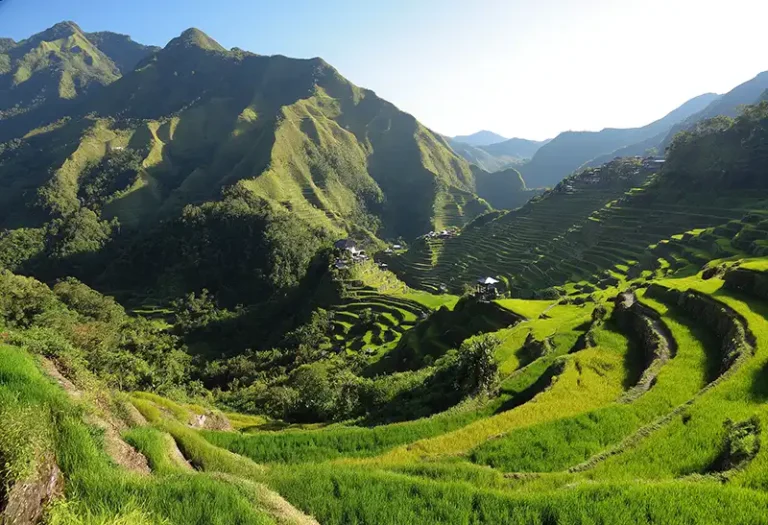
The Philippines is an archipelagic country in Southeast Asia consisting of over 7,600 islands known for their rich biodiversity, emerald rice terraces, and pristine white-sand beaches. Visitors can explore the bustling metropolitan hub of Manila, dive into the crystal-clear waters of Palawan, or surf the legendary breaks of Siargao. Beyond its natural wonders, the country boasts a vibrant cultural heritage shaped by indigenous traditions, Spanish colonial history, and American influences. Travelers will find warm hospitality, a deeply rooted culinary scene featuring dishes like adobo and lechon, and endless opportunities for both high-octane adventure and tranquil island retreats.

Philippines Travel Guide: Logistics & In-Depth Tips

The Philippines offers an unparalleled tropical escape with its vast archipelago of over 7,600 islands. From the towering rice terraces of Banaue in the north to the vibrant coral reefs of the Sulu Sea, the country is a haven for nature lovers and thrill-seekers alike. The unique blend of indigenous, Spanish, and American influences is evident in the architecture, festivals, and daily life of the Filipino people.

Reasons to Visit

  • World-class beaches and island-hopping in Palawan and Boracay.
  • Incredible marine biodiversity perfect for diving and snorkeling.
  • Warm, welcoming locals known for their exceptional hospitality.
  • Affordable travel costs compared to other tropical destinations.
  • Rich culinary heritage featuring unique flavors and fresh seafood.

Things to Avoid

  • Drinking tap water; always opt for bottled or filtered water.
  • Disrespecting local customs or religious sites.
  • Traveling during the peak of typhoon season (July to October) without flexible plans.
  • Engaging in illegal drug activities, which carry severe penalties.
  • Over-haggling at local markets; negotiate politely.

Local Transportation Tips

Getting around the Philippines is an adventure in itself. Domestic flights are the most efficient way to travel between major island groups. For shorter distances, the iconic jeepney offers a colorful and inexpensive ride, while tricycles (motorcycles with sidecars) are ubiquitous in towns and rural areas. Ferries and fast crafts connect neighboring islands, providing scenic transit options.

Travel Etiquette

  • Use 'po' and 'opo' when speaking to elders to show respect.
  • Practice the 'Mano' gesture (touching an elder's hand to your forehead) when greeting older relatives or locals if invited into a home.
  • Dress modestly when visiting churches or rural areas.
  • Always smile; Filipinos value friendliness and a positive attitude.
  • Leave your shoes at the door when entering someone's home.

Recommended Age Group

The Philippines is a versatile destination that caters to travelers of all ages, though some remote islands require more physical stamina.

  • Babies (0-2 years): Neutral. While Filipinos adore children, the heat, long transit times, and lack of baby-changing facilities in rural areas can be challenging.
  • Kids (3-12 years): Recommended. The abundance of beaches, calm swimming waters, and family-friendly resorts make it a great playground for kids.
  • Teens (13-19 years): Recommended. Teens will love the adventure sports, surfing in Siargao, snorkeling, and vibrant island culture.
  • Adults (20-64 years): Recommended. Perfect for adults seeking a mix of nightlife, deep-sea diving, cultural exploration, and romantic getaways.
  • Seniors (65+ years): Recommended. Seniors can enjoy luxury resorts, cultural tours, and slow travel, though they should stick to well-developed areas with good medical facilities.

Accessibility Level: Medium

  • Major airports and high-end resorts offer wheelchair accessibility.
  • Public transportation like jeepneys and tricycles are generally not wheelchair friendly.
  • Sidewalks in major cities can be uneven or lack curb cuts.
  • Many island-hopping tours require boarding small boats, which may be challenging for those with limited mobility.
  • It is highly recommended to book specialized tour operators for accessible travel needs.

Did You Know?

The Philippines is home to the Puerto Princesa Subterranean River, one of the longest navigable underground rivers in the world and a UNESCO World Heritage site.

Cool Statistics

  • Over 7,600 islands make up the Philippine archipelago.
  • It is one of the world's 17 megadiverse countries.
  • The country has three main geographical divisions: Luzon, Visayas, and Mindanao.
  • Filipinos send the most text messages per day globally, earning the country the title of 'Texting Capital of the World.'

Address:

Philippines

Find Nearby Accommodations

Basic Info

address icon

COUNTRY & Region

Philippines,
Asia

ACCESSIBILITY LEVEL​

Medium
Currency icon

LOCAL CURRENCY​

Philippine Peso (PHP)
Price level icon
Low
Safety Level icon

SAFETY LEVEL

Duration icon

Recommended Duration

• 1-7 days
• More than a week

Electricity

electricity icon

Electricity

220-240V, 
60Hz
Plug Socket icon

Plug Type

• Type A (Flat blade)
• Type B (Flat blade with grounding pin)
• Type C (Round pin)
Plug types
Click To View Plug Types
Philippines is part of our
Conscious Travel collection

Things To Do In Philippines

Total: 3

Mindanao, Philippines
Explore Mindanao, an off-the-beaten-path destination in the Philippines, famed for the surfing paradise of Siargao and its rugged natural beauty.
Visayas, Philippines
Discover the Visayas, the island-hopping paradise of the Philippines, home to the perfect beaches of Boracay and the unique Chocolate Hills of Bohol.
Luzon, Philippines
Explore Luzon, the main island of the Philippines, from the bustling capital of Manila to the ancient, man-made wonder of the Banaue Rice Terraces.

Activities To Do In Philippines

Best Time To Visit Philippines

  • The best time to visit the Philippines is during the dry season, which runs from December to May. This period offers the most reliable sunshine for beach activities and island hopping.
    • December to February: Cooler, more comfortable temperatures; ideal for exploring cities and hiking.
    • March to May: The hot and dry summer months; perfect for beachgoers, though it can get quite crowded.
    • June to November: The wet season, characterized by heavy rains and potential typhoons. Travel is still possible, but requires flexible plans.

Average Temperatures Per Month

Remember to check the weather forecast a few days before the trip and before heading to the airport.

Safety Level icon

Safety Level

Exercise caution in crowded areas to avoid pickpockets and bag snatchers. Avoid travel to certain parts of Mindanao and the Sulu Archipelago due to civil unrest and security risks. Always check local weather advisories for typhoons, especially during the wet season, and follow instructions from local authorities.

The rating is based on multi-year peace, crime, and security indices. Before you go, always verify current conditions through official government travel advisories.

Emergency Numbers

Police: 911
Ambulance: 911

No internet needed • Includes local translations • Free for TravelingWiz readers

Spoken Languages

Filipino (Tagalog) and English are the official languages. English is widely spoken and understood across the country, making it very easy for international tourists to communicate.

Learn The Language

  • Magandang umaga (Good morning)
  • Salamat (Thank you)
  • Magkano ito? (How much is this?)
  • Nasaan ang banyo? (Where is the bathroom?)
  • Masarap! (Delicious!)
  • Paalam (Goodbye)
  • Oo / Hindi (Yes / No)
  • Tulong! (Help!)
Travel Booking Partner - TravelingWiz

Trip Cost & Budgeting for Philippines, 2026

Everything you need to know about money while traveling

The Philippines is highly affordable for Western travelers, offering excellent value for money. While local street food and public transport cost mere pennies, prices can rise significantly in remote luxury island resorts or high-end enclaves in Metro Manila.

With TravelingWiz's Human Verified data, a typical traveler should expect to spend around $105 USD per day for a mid-range trip in Philippines. Click the Trip Cost Calculator button below the table to work out your personal budget for this trip.
Currency icon

LOCAL CURRENCY​:

Philippine Peso (PHP)
Price level icon
Low
Cash is essential for local markets and smaller islands, while credit cards are accepted in major urban establishments.

Per person, per day – pocket cash for small purchases.

Local: 1200
Philippine Peso (PHP)
≈ 20 USD

Full daily spend estimation (accommodation, food, transportation, attractions).

Travel Style
Philippine Peso (PHP)
≈ USD ($)
Budget
3300
54
Mid-range
6000
98
Comfort
13200
216

The Prices, Daily costs, and calculator results are estimates for planning purposes only. Actual costs may vary based on season, booking timing, personal spending habits, and currency fluctuations. TravelingWiz cannot be held responsible for discrepancies between these estimates and your final trip expenses.

  • Use ride-hailing apps like Grab to avoid overpaying for transport.
  • Eat at local eateries or carinderias for authentic and inexpensive meals.
  • Book domestic flights and ferries well in advance to secure lower rates.
  • Carry smaller denominations of cash for easier transactions with tricycle drivers.

Pre-Order Tickets

Avoid disappointment when tickets sell out — and skip the long lines by booking online in advance. You’ll often save up to 20% too.
Save up to 20%

Travel Discounts & Coupons

Save on hotels, attractions, transport, and gear — find verified discounts for smarter travel spending.
Verified Coupons

What To Pack

  • Lightweight, breathable cotton or linen clothing for the tropical climate.
  • Reef-safe sunscreen to protect the vibrant marine ecosystems.
  • A dry bag to keep electronics safe during island-hopping tours.
  • Universal power adapter, though US-style Type A plugs are common.
  • Mosquito repellent, especially for jungle treks or evening outings.
  • Sturdy water shoes for rocky beaches and coral reefs.
We couldn't find tips for Philippines.
If you got any, please share

Recommended Itineraries for Traveling to Philippines

We couldn't find itineraries for Philippines.
you can contact us for custom trip plan

Food & Drink Highlights

Local Food Overview

Filipino cuisine is a fascinating melting pot of Malay, Spanish, Chinese, and American influences. It is characterized by bold combinations of sweet, sour, and salty flavors, heavily featuring rice, pork, seafood, and tropical fruits.
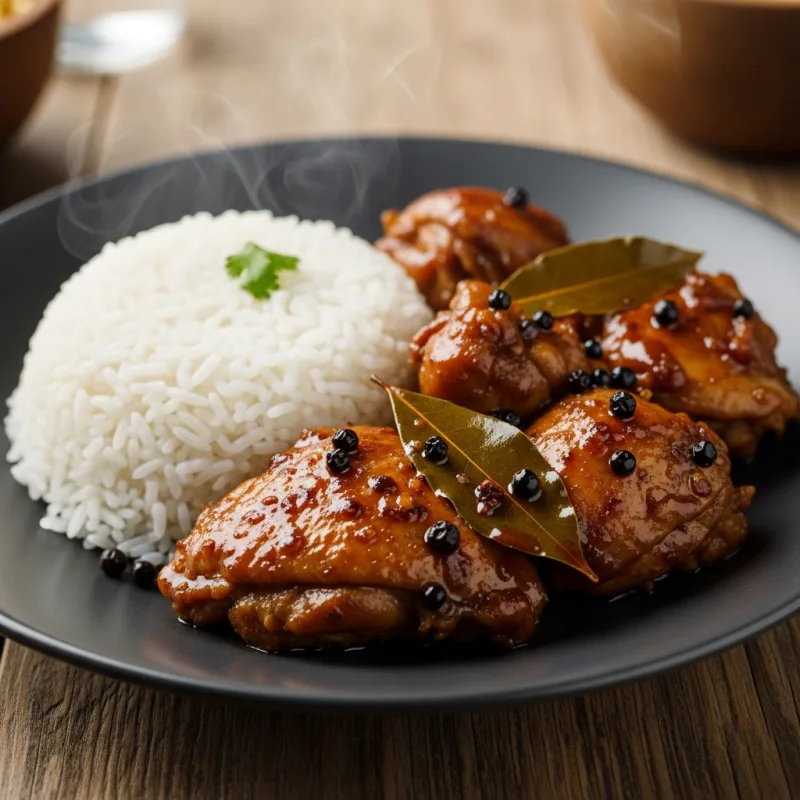
Traditional Filipino Chicken Adobo with white rice

Must Try Dish

Chicken Adobo - A savory and tangy dish made by marinating and braising chicken in a mixture of soy sauce, vinegar, garlic, bay leaves, and black peppercorns. It is considered the unofficial national dish and is best enjoyed over a steaming mound of white rice.
Food Experiences Title Icon

Food
Experiences

Discover cooking classes, tastings and local food tours

No food experience found
Maya, the human travel expert at TravelingWiz, offering curated, non-AI expertise

Maya’s Final Checklist for Philippines

Logistics shouldn’t be the focus of your trip—the experience should. I’ve hand-vetted these essential partners to ensure your arrival, stay, and exploration are as smooth as an Athenian breeze.

Where to Stay

From boutique hotels to local apartments—compare thousands of options and find the perfect stay in the best neighborhood.

Air Travel

Getting there should be seamless. Compare the best routes and prices across top airlines to start your journey on the right note.

Local Guides

Connect with experts who know the destination best. Get personalized advice and insider tips to help you plan your perfect trip.

Travel Protection

The “Engineer’s” rule: always have a backup. Secure your trip with a plan that covers every “what if” and unexpected change.

Car Rentals

Explore at your own pace with total freedom. Compare reliable rental options and find the right vehicle for your adventure.

Visa Services

Don’t let paperwork slow you down. Get expert assistance with your application to ensure all your entry documents are in order.

FAQs

Citizens of over 150 countries, including the US, UK, Canada, and Australia, can enter the Philippines visa-free for up to 30 days, provided they have a return or onward ticket.
No, it is highly recommended to drink only bottled or filtered water to avoid stomach issues.
Domestic flights are the fastest way to travel between major island groups. For closer islands, ferries and fast crafts are reliable and scenic options.
The best time for you to visit is during the dry season from December to May, when you can expect plenty of sunshine and optimal conditions for island hopping and diving. December through February offers cooler, comfortable weather, while March to May brings hotter temperatures perfect for beach lounging. You should prepare for frequent rains if traveling during the typhoon-prone wet season between June and November.
No, you will rarely encounter a significant language barrier. Filipino and English are both official national languages, and English is widely spoken and understood across tourist destinations, restaurants, airports, and hotels. While learning a few basic Tagalog phrases like “Salamat” for thank you is always appreciated by friendly locals, you will have no trouble communicating, navigating transportation, or asking for directions throughout your journey.
Yes, you must carry cash for most of your trip. While major hotels, upscale restaurants, and large shopping malls in big cities accept credit cards, smaller islands, local markets, food stalls, and tricycle drivers operate strictly on cash. You should withdraw smaller banknote denominations in major hubs before venturing to remote islands. For detailed daily cash estimations, please check the Budget section on this page.
You should pack lightweight, breathable cotton or linen clothing to stay comfortable in the tropical heat, along with sturdy water shoes for rocky beaches and coral reefs. A waterproof dry bag is essential to protect your electronics during island-hopping boat tours. Additionally, you will want reef-safe sunscreen to protect marine habitats, mosquito repellent for evening outings, and a universal power adapter.

Your Insights Matter

TravelingWiz grows through the stories of our community. If you’ve recently explored ,Philippines share your tips and stories to help us perfect our guides for the next traveler.

Related Articles

Check out our related articles and blog posts to learn even more about the destination.

No related articles found

Don’t Travel Alone

Share with your friends and family

Where should we send your offline card?

We hate spam just as much as you do

newsletter_consent *