Disclosure: This site contains affiliate links. We may earn a commission if you make a purchase, at no extra cost to you.

>
>
>
Palawan
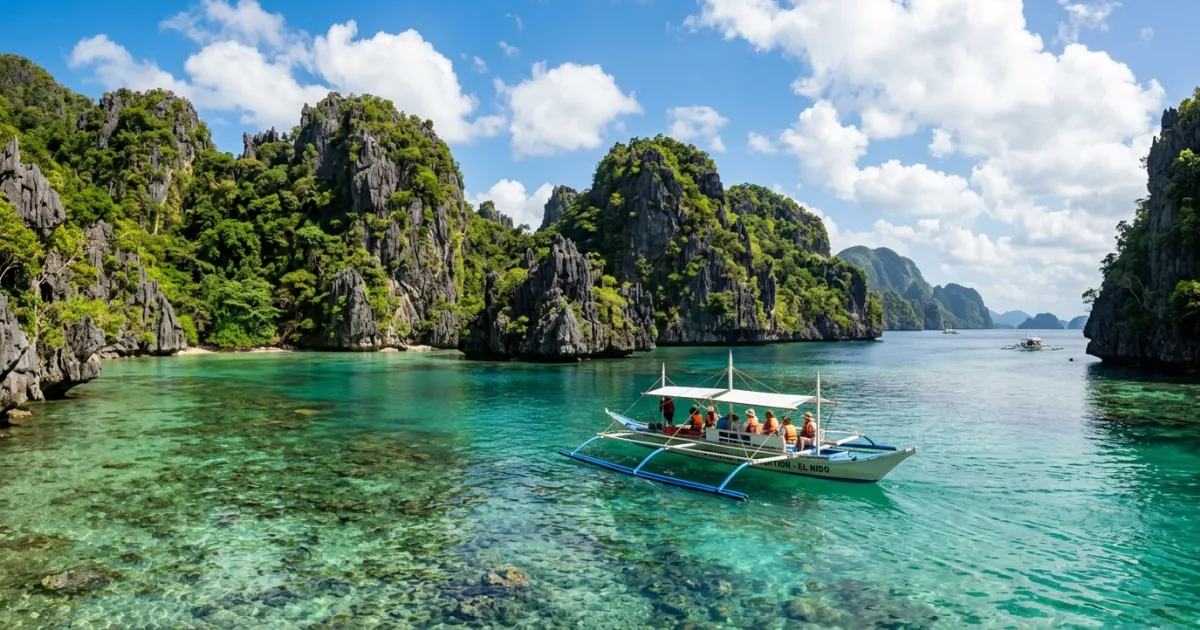
Limestone karst cliffs and clear turquoise waters in Palawan, Philippines

Palawan Overview & Key Highlights

Palawan spans an elongated 450-kilometer landmass bordered by the South China Sea and the Sulu Sea, functioning as the Philippines' primary bastion of wild, pristine biodiversity. The island's topography is characterized by rugged mountain spines running down its center, meeting sheer limestone cliffs and shallow coastal lagoons filled with vibrant coral reefs. Most travelers journey along the spine from Puerto Princesa northward through San Vicente and Taytay up to El Nido, or venture separately to the northern Calamian group anchored by Coron. Navigating Palawan requires adjusting to relaxed island timing, characterized by outrigger bangka boat excursions and winding overland van transfers through rural barangays. Days typically revolve around island-hopping circuits through protected marine reserves, sea kayaking along hidden lagoons, and diving across sunken wartime armadas. The province emphasizes strict environmental regulations, requiring eco-tourism fees and banning single-use plastics across key marine reserves to preserve its fragile coastal biospheres.

Palawan Travel Guide: Logistics & In-Depth Tips

Palawan represents the last great ecological frontier of the Philippine archipelago, encompassing nearly 1,800 islands and islets surrounded by pristine marine reserves. The provincial landscape transitions from the dense, biodiverse rainforests of Mount Mantalingahan in the south to the limestone labyrinth of the Bacuit Archipelago in the north. Unlike much of the geologically active Philippines, Palawan sits on the stable Sunda tectonic plate, meaning it is largely free from volcanic activity and severe earthquakes.

The cultural tapestry of Palawan weaves together indigenous traditions from groups such as the Tagbanwa, Palaw'an, and Batak with contemporary migrant communities from Luzon and the Visayas. Environmental preservation is legally encoded into the province's developmental strategy, with extensive community-led initiatives protecting sea turtle nesting beaches, limiting vessel horsepower in lagoons, and enforcing closed fishing seasons around the marine sanctuaries of Coron and Tubbataha Reefs.

Reasons to Visit

  • Towering Karst Seascapes: Navigate the sheer black limestone monoliths rising dramatically out of emerald waters in El Nido's Bacuit Bay.
  • World-Class Wreck Diving: Explore intact Japanese WWII naval supply vessels preserved under 20 to 40 meters of water throughout Coron Bay.
  • UNESCO Subterranean Wonders: Cruise inside the Puerto Princesa Subterranean River, one of the world's longest navigable underground waterways.
  • Untamed Coastlines: Wander along uninterrupted golden sands, such as the 14-kilometer Long Beach in San Vicente and Nacpan Beach.
  • Pristine Coral Sanctuaries: Snorkel among sea turtles, blacktip reef sharks, and giant clams in protected marine sanctuaries.

Things to Avoid

  • Avoid stepping on coral reefs or handling marine life; local guides strictly report violations that carry hefty municipal fines.
  • Avoid booking boat tours on unregistered private bangkas that do not possess Philippine Coast Guard clearance and safety gear.
  • Avoid drinking untreated tap water; always consume filtered, boiled, or bottled water to prevent waterborne bacteria.
  • Avoid using uncertified sunscreens containing octinoxate or oxybenzone, which bleach coral reefs and are barred in marine reserves.
  • Avoid scheduling tight same-day connections between inter-island ferries and flights due to frequent weather-induced maritime delays.

Local Transportation Tips

Overland transport throughout Palawan centers around motorized tricycles for short town hops, while multi-passenger vans (UV Express) handle regional journeys between northern municipalities and Puerto Princesa. Tricycle fares are negotiated or regulated by local barangay tariffs, typically ranging from 50 to 150 PHP per ride depending on the distance. For maritime travel, native motorized outrigger canoes known as bangkas provide both point-to-point transfers and structured day tours. High-speed catamarans connect El Nido with Coron, running once to twice daily across the open sea.

Travel Etiquette

  • Always pay the mandatory local Eco-Tourism Development Fees (ETDF) respectfully; they fund municipal sanitation and reef protection.
  • Dress modestly when stepping away from the beachfront and entering town markets, churches, or municipal administration offices.
  • Respect the ancestral domain rules of the indigenous Tagbanwa people, particularly around sacred Coron Island sites like Kayangan and Barracuda Lakes.
  • Address older individuals and service staff with polite terms like 'Kuya' (older brother), 'Ate' (older sister), or 'Po' at the end of Tagalog phrases.

Recommended Age Group

While Palawan captivates travelers of all demographics, the physical demands of hopping over outrigger boat gunwales, swimming into hidden sea caves, and bumpy road transit favor active and mobile visitors.

  • Babies (0-2 years): Not Recommended. Remote medical services, high tropical heat, rough boat transfers, and endemic insect activity present substantial logistical hurdles.
  • Kids (3-12 years): Neutral. Enjoyable for confident young swimmers who can handle long days on open boats, though overland transfers can prove tiring.
  • Teens (13-19 years): Recommended. Perfect for active youth who enjoy sea kayaking, snorkeling, cliff jumping, and backcountry island exploring.
  • Adults (20-64 years): Recommended. Optimal demographic for navigating rugged maritime excursions, wreck diving, and multi-day island hopping circuits.
  • Seniors (65+ years): Neutral. Ideal for active seniors staying at upscale resorts with private boat charters, but challenging for those with mobility issues due to wet landings and unpaved piers.

Accessibility Level: Medium

  • Wheelchair accessibility across Palawan is extremely limited due to gravel paths, lack of sidewalk drop-kerbs, and manual wet landings on sandbars.
  • Boarding traditional outrigger bangkas requires walking along narrow wooden planks without handrails, presenting significant barriers for travelers with restricted mobility.
  • High-end private island retreats in the Bacuit Archipelago and Northern Palawan offer dedicated pontoon docks and golf-cart transport, providing the best accessible alternatives.

Did You Know?

The waters surrounding Coron Island are legally owned and managed as an Ancestral Domain by the indigenous Tagbanwa tribe, granting them sovereign ancestral rights to fish, protect, and regulate tourist access to sacred inland waters like Kayangan Lake.

Cool Statistics

  • Over 1,780 individual islands and islets comprise the entire Palawan archipelagic province.
  • Palawan accounts for roughly 40 percent of the total marine protected areas in the entire Philippines.
  • The Puerto Princesa Subterranean River stretches over 8.2 kilometers through an intricate limestone cavern complex.
  • Coron Bay hosts over a dozen intact World War II Japanese shipwrecks sunk during a single US Navy air raid on September 24, 1944.


Address:

Palawan, Philippines

Find Nearby Accommodations

Basic Info

address icon

COUNTRY & Region

Philippines,
Asia

ACCESSIBILITY LEVEL​

Medium
Currency icon

LOCAL CURRENCY​

Philippine Peso (PHP)
Price level icon
Low
Safety Level icon

SAFETY LEVEL

Duration icon

Recommended Duration

• 1-7 days
• More than a week

Electricity

electricity icon

Electricity

220-240V, 
60Hz
Plug Socket icon

Plug Type

• Type A (Flat blade)
• Type B (Flat blade with grounding pin)
• Type C (Round pin)
Plug types
Click To View Plug Types
Palawan is part of our
Off-Grid Glamping collection

Activities To Do In Palawan

Best Time To Visit Palawan

Palawan experiences two distinct seasonal patterns dictated by the northeast and southwest monsoons, with peak travel concentrated during the dry period.

  • Dry Season (November to May): Offers calm seas, maximal underwater visibility, and clear skies, making this the prime window for island hopping, scuba diving, and long-distance ferry travel.
  • Shoulder Season (May and November): Transitions bring variable weather with lower crowd density and discounted accommodation, though sporadic rain showers can occur.
  • Wet Season (June to October): Dominated by the Habagat monsoon, bringing heavy rains, rough seas, and periodic typhoon warnings that frequently cancel boat tours and inter-island flights.

Average Temperatures Per Month

Remember to check the weather forecast a few days before the trip and before heading to the airport.

Safety Level icon

Safety Level

Palawan is generally safe and peaceful, with low rates of violent crime against travelers. The primary risks involve maritime conditions and transit logistics. Always inspect life jackets aboard outrigger boats, avoid swimming during jellyfish blooms (box jellyfish can appear seasonally), and ensure you wear a DOT-approved helmet when operating rented motorbikes on gravel and unpaved coastal roads.

The rating is based on multi-year peace, crime, and security indices. Before you go, always verify current conditions through official government travel advisories.

Emergency Numbers

Police: 117
Ambulance: 911

No internet needed • Includes local translations • Free for TravelingWiz readers

Spoken Languages

Tagalog (Filipino), Cuyonon, and English

Learn The Language

  • Salamat: Thank you
  • Magandang araw: Good day
  • Magkano ito?: How much is this?
  • Saan ang…?: Where is…?
  • Oo / Hindi: Yes / No
  • Pakiusap: Please
  • Para po: Please stop here (used on tricycles and jeepneys)
  • Masarap!: Delicious!
Travel Booking Partner - TravelingWiz

Trip Cost & Budgeting for Palawan, 2026

Everything you need to know about money while traveling
Is Palawan expensive for tourists in 2026? Palawan remains an affordable island destination for travelers on any budget. Expect to pay around 160 PHP for a cappuccino, 80 PHP for a local beer, and 500 PHP for a restaurant meal. Based on Human Verified prices, accommodation and island transport stay reasonably priced compared to other tropical hotspots. Use the data table below to calculate your specific daily budget based on your travel style.
Currency icon

LOCAL CURRENCY​:

Philippine Peso (PHP)
Price level icon
Low
Cash is essential in Palawan, as credit cards are rarely accepted outside larger hotels and select restaurants.

Per person, per day – pocket cash for small purchases.

Local: 380
Philippine Peso (PHP)
≈ 6 USD

Full daily spend estimation (accommodation, food, transportation, attractions).

Travel Style
Philippine Peso (PHP)
≈ USD ($)
Budget
2100
34
Mid-range
3800
61
Comfort
8350
134

The Prices, Daily costs, and calculator results are estimates for planning purposes only. Actual costs may vary based on season, booking timing, personal spending habits, and currency fluctuations. TravelingWiz cannot be held responsible for discrepancies between these estimates and your final trip expenses.

  • • Join shared island-hopping tours rather than chartering private boats to drastically lower excursion costs.
  • • Withdraw cash in Manila or Puerto Princesa, as island ATMs frequently run out of bills or malfunction.
  • • Eat at local carinderia eateries for delicious, budget-friendly Filipino meals costing only a few dollars.
  • • Rent a motorbike for around 500 PHP per day to explore beaches independently without expensive taxi fees.

Pre-Order Tickets

Avoid disappointment when tickets sell out — and skip the long lines by booking online in advance. You’ll often save up to 20% too.
Save up to 20%

Travel Discounts & Coupons

Save on hotels, attractions, transport, and gear — find verified discounts for smarter travel spending.
Verified Coupons

What To Pack

  • Heavy-duty dry bag (20L–30L capacity) to protect electronics during rough boat rides and wet landings.
  • High-traction water shoes or reef booties to navigate razor-sharp limestone rocks and sea-urchin beds.
  • Reef-safe sunscreen compliant with local marine conservation mandates (free of oxybenzone and octinoxate).
  • Fast-drying microfiber towels, rash guards, and UV protective swim clothing.
  • Universal plug adapter and a high-capacity portable power bank to bridge regional brownouts.
  • Motion sickness medication (meclizine or dimenhydrinate) for bumpy shared van rides and choppy sea crossings.
  • Reusable silicone or stainless steel water flask to use at eco-filtration refill stations.
We couldn't find tips for Palawan.
If you got any, please share

Recommended Itineraries for Traveling to Palawan

We couldn't find itineraries for Palawan.
you can contact us for custom trip plan

Food & Drink Highlights

Local Food Overview

Palawan’s culinary scene is a vivid expression of coastal abundance fused with distinct indigenous and regional Filipino influences. Freshly caught yellowfin tuna, squid, red snapper, and tiger prawns are typically prepared inihaw (charcoal-grilled over coconut husks) and served alongside calamansi, crushed bird's eye chilies, and soy sauce. A regional curiosity found in Puerto Princesa is Chao Long, an authentic beef-and-rice-noodle soup introduced by Vietnamese refugees settled at the historical Viet Ville camp in the 1970s. Adventurous eaters can sample tamilok, a woodworm mangrove mollusk extracted fresh and consumed ceviche-style with spiced native vinegar.
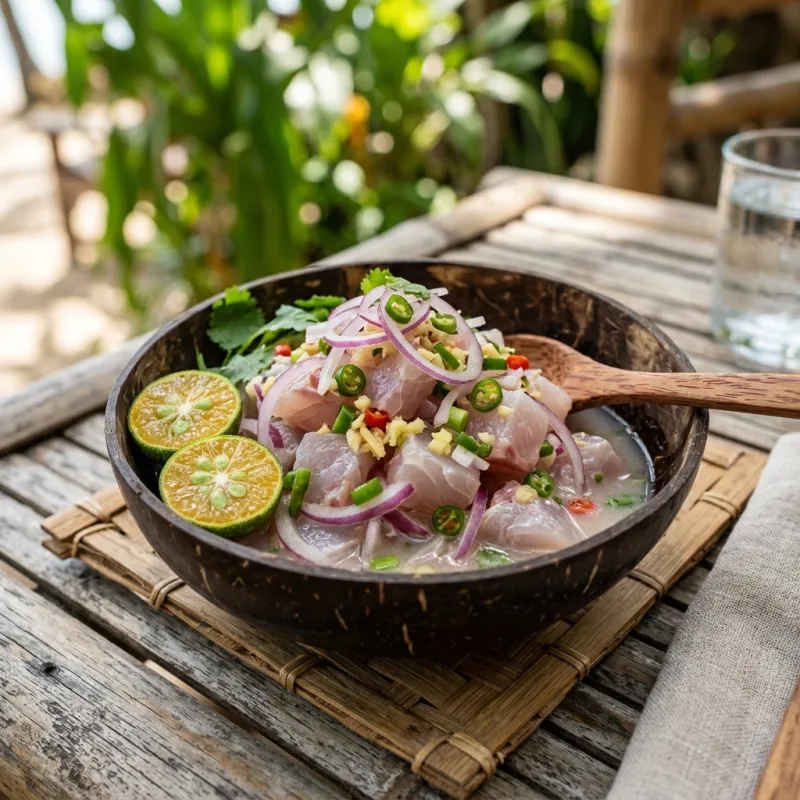
Authentic Kinilaw na Tanigue fresh fish ceviche in Palawan

Must Try Dish

Kinilaw na Tanigue - Fresh raw Spanish mackerel cured in unpasteurized coconut vinegar and calamansi juice, then tossed with minced ginger, red shallots, chili peppers, and sea salt. The natural acidity flash-cures the fish into a delicate, melt-in-the-mouth texture balanced by zesty tropical heat.
Food Experiences Title Icon

Food
Experiences

Discover cooking classes, tastings and local food tours

No food experience found
Maya, the human travel expert at TravelingWiz, offering curated, non-AI expertise

Maya’s Final Checklist for Palawan

Logistics shouldn’t be the focus of your trip—the experience should. I’ve hand-vetted these essential partners to ensure your arrival, stay, and exploration are as smooth as an Athenian breeze.

Where to Stay

From boutique hotels to local apartments—compare thousands of options and find the perfect stay in the best neighborhood.

Air Travel

Getting there should be seamless. Compare the best routes and prices across top airlines to start your journey on the right note.

Local Guides

Connect with experts who know the destination best. Get personalized advice and insider tips to help you plan your perfect trip.

Travel Protection

The “Engineer’s” rule: always have a backup. Secure your trip with a plan that covers every “what if” and unexpected change.

Car Rentals

Explore at your own pace with total freedom. Compare reliable rental options and find the right vehicle for your adventure.

Visa Services

Don’t let paperwork slow you down. Get expert assistance with your application to ensure all your entry documents are in order.

FAQs

Travel between Puerto Princesa and El Nido is typically done via shared or private air-conditioned minivans, taking approximately 5 to 6 hours over paved highways. Between El Nido and Coron, high-speed passenger ferries operate daily, completing the open-water journey across the Linapacan Strait in roughly 3.5 to 4 hours, subject to weather conditions.
Yes, access to the Puerto Princesa Subterranean River National Park is capped at a strict daily visitor quota to safeguard the cave ecosystem. Permits must be secured in advance through an authorized tour operator or the municipal Underground River Booking Office in Puerto Princesa.
Yes, major tourist jurisdictions enforce independent eco-tourism developmental fees (ETDF). El Nido charges a 200 PHP fee valid for 10 days, while Coron and Puerto Princesa have respective local user fees that fund marine sanitation, mooring buoy upkeep, and protected sanctuary patrols.

Your Insights Matter

TravelingWiz grows through the stories of our community. If you’ve recently explored ,Palawan share your tips and stories to help us perfect our guides for the next traveler.

Related Articles

Check out our related articles and blog posts to learn even more about the destination.

No related articles found

Don’t Travel Alone

Share with your friends and family

Where should we send your offline card?

We hate spam just as much as you do

newsletter_consent *