Disclosure: This site contains affiliate links. We may earn a commission if you make a purchase, at no extra cost to you.
Visayas

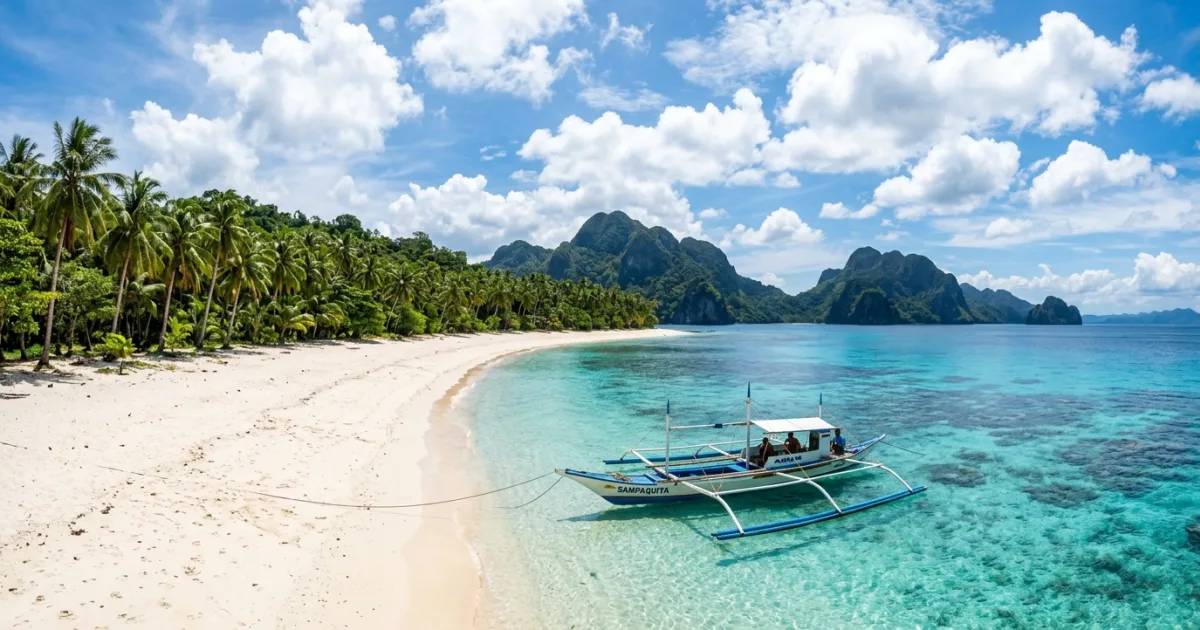
Traditional outrigger boat on a pristine white sand beach in the Visayas

Basic Info

COUNTRY & Region

Philippines,
Asia

ACCESSIBILITY LEVEL​

  • High: Widely accessible with good facilities for disabilities.
  • Medium: Some accessible options, but limitations exist.
  • Low: Limited accessibility; many barriers for disabilities.
Medium

LOCAL CURRENCY​

Philippine Peso (PHP)

Price Level

Low – budget‑friendly basics

Medium – moderate mid‑range costs

High – pricey lodging, dining & transport

Low

SAFETY LEVEL

5 shields = Excellent – very low crime or conflict.

4 shields = Safe – low risk, routine care.

3 shields = Relatively safe – use normal street smarts.

2 shields = Use caution – higher crime or periodic unrest.

1 shields = Avoid – active conflict or extreme danger.

Scores are derived from multi-year peace, homicide and security indices blended into a single 1-to-5 scale.

Recommended Duration

1-7 days, More than a week

Visayas Overview & Key Highlights

The Visayas is one of the three principal geographical divisions of the Philippines, consisting of several major and minor islands surrounding the Visayan Sea. It is renowned globally for its pristine white-sand beaches, vibrant marine sanctuaries, and deeply rooted Spanish colonial history. Major destinations within this region include Cebu, Bohol, Boracay, Panay, and Siquijor, each offering distinct cultural and natural attractions that draw millions of visitors annually. Travelers to the Visayas can explore the iconic Chocolate Hills of Bohol, dive with thresher sharks in Malapascua, or experience the lively Ati-Atihan and Sinulog festivals. The region serves as a premier hub for island hopping, scuba diving, and canyoneering, while also providing tranquil retreats for those seeking relaxation. With its warm local hospitality and accessible domestic flight and ferry networks, the Visayas provides a comprehensive tropical experience.

Visayas Travel Guide: Logistics & In-Depth Tips

The Visayas is a sprawling archipelago within the larger Philippine archipelago, divided into three administrative regions: Western, Central, and Eastern Visayas. It is a region defined by its relationship with the sea, where daily life, commerce, and tourism revolve around the coastlines and inter-island waterways. Historically, it was the site of the first Spanish settlement in the Philippines, leaving behind a legacy of centuries-old stone churches, vibrant Catholic festivals, and a distinct culinary heritage that blends indigenous flavors with Hispanic influences.

For the modern traveler, the Visayas offers an unparalleled variety of experiences. You can swim with whale sharks in Oslob, marvel at the geological wonder of the Chocolate Hills in Bohol, or party on the powdery white sands of Boracay. Beyond the famous hotspots, the region hides countless secluded coves, mystical islands like Siquijor known for traditional healers, and world-class dive sites teeming with macro marine life and pelagic species. Whether you are a backpacker seeking adventure or a luxury traveler looking for a five-star beachfront resort, the Visayas caters to every travel style.

Reasons to Visit

  • World-class beaches and islands, including the famous White Beach of Boracay.
  • Exceptional scuba diving and snorkeling, featuring thresher sharks, sea turtles, and vibrant coral reefs.
  • Rich historical sites, such as Magellan's Cross and the Basilica Minore del Santo Niño in Cebu.
  • Unique natural wonders like the Chocolate Hills and the tarsier sanctuaries in Bohol.
  • Vibrant cultural festivals, most notably the Sinulog Festival in Cebu and Ati-Atihan in Kalibo.

Things to Avoid

  • Avoid drinking tap water; always stick to bottled or filtered water to prevent stomach issues.
  • Do not touch or step on coral reefs while snorkeling or diving.
  • Avoid traveling by sea during typhoon warnings, as conditions can become extremely hazardous.
  • Refrain from riding unmetered taxis without agreeing on a fare first, though using ride-hailing apps like Grab is safer.
  • Avoid supporting unethical wildlife tourism; research animal encounters (like whale shark watching) to ensure they follow sustainable practices.

Local Transportation Tips

Getting around the Visayas involves a mix of land and sea transport. Within cities and towns, the iconic jeepney is the cheapest way to travel, though tricycles (motorcycles with sidecars) are more convenient for short, direct trips. For inter-city travel on larger islands like Cebu or Panay, air-conditioned buses are reliable and frequent. To hop between islands, travelers rely heavily on the extensive ferry network, which ranges from fast crafts (like OceanJet) for popular routes to traditional outrigger boats (bangka) for shorter, local crossings. Domestic flights via Cebu Pacific or Philippine Airlines connect major hubs like Cebu, Iloilo, and Boracay (Caticlan) for those short on time.

Travel Etiquette

  • Dress modestly when visiting churches or religious sites; avoid wearing swimwear away from the beach.
  • Use the phrase 'po' and 'opo' (if speaking Tagalog) or simply show respect to elders by using polite titles like 'Kuya' (older brother) or 'Ate' (older sister).
  • Smile and be patient; the local culture values harmony and a friendly demeanor over aggressive confrontation.
  • Leave your shoes at the door if invited into a local's home.
  • Tipping is not strictly mandatory but leaving a 10% tip or rounding up the bill is highly appreciated in restaurants and for tour guides.

Recommended Age Group

The Visayas offers a versatile environment that can accommodate travelers of various ages, though the tropical climate and inter-island logistics require some consideration.

  • Babies (0-2 years): Neutral. While high-end resorts offer great amenities, the intense heat, long ferry rides, and limited medical facilities on smaller islands can be challenging.
  • Kids (3-12 years): Recommended. Children will love the calm, shallow beaches, boat rides, and family-friendly resorts found in Bohol and Boracay.
  • Teens (13-19 years): Recommended. The region is perfect for active teens, offering canyoneering, snorkeling, zip-lining, and paddleboarding.
  • Adults (20-64 years): Recommended. Ideal for adults seeking a mix of nightlife, cultural exploration, adventure sports, and romantic island escapes.
  • Seniors (65+ years): Recommended. Seniors can enjoy the relaxed pace of island life, historical tours, and comfortable resorts, though care should be taken when boarding traditional boats.

Accessibility Level: Medium

  • Major airports and high-end resorts in Cebu, Boracay, and Bohol offer good wheelchair accessibility and flat terrain.
  • Public transportation, including jeepneys and tricycles, is generally not wheelchair friendly.
  • Boarding ferries and traditional outrigger boats often requires navigating narrow planks or steep steps, which can be difficult for travelers with mobility issues.
  • Sidewalks in many towns and cities can be uneven, narrow, or non-existent.
  • Travelers requiring accessible facilities should book private, air-conditioned vans for land transport and verify room accessibility directly with hotels.

Did You Know?

The Visayas is home to the smallest primate in the world, the Philippine Tarsier, which can be found in Bohol. Additionally, Cebu City is the oldest city in the Philippines, predating the capital, Manila, by several years. The region also played a pivotal role in world history; it was on the island of Mactan in the Visayas where the Portuguese explorer Ferdinand Magellan met his demise at the hands of the local chieftain Lapu-Lapu in 1521.

Cool Statistics

  • The Visayas comprises over 3,000 islands and islets.
  • Cebu's Sinulog Festival attracts between 1 to 2 million visitors every January.
  • Boracay's White Beach is consistently ranked among the top 10 beaches in the world by major travel publications.
  • The Chocolate Hills in Bohol consist of an estimated 1,268 to 1,776 individual mounds.

Address:

Visayas, Philippines

Find Nearby Accommodations

Electricity

220-240V, 
60Hz

Plug Type

Type A (Flat blade), Type B (Flat blade with grounding pin), Type C (Round pin)
Plug types
Click To View Plug Types
Visayas is part of our
Conscious Travel collection

Want a deeper experience in Visayas?

Explore private guides and find an experience that suits your interests.

Activities To Do In Visayas

Best Time To Visit Visayas

The best time to visit the Visayas is during the dry season, which runs from December to May. This period offers the most reliable weather for island hopping, diving, and beach activities.

  • December to February: Cooler, more comfortable temperatures, but peak tourist season.
  • March to May: The hottest months, perfect for swimming and beach holidays.
  • June to November: The rainy season, which brings a higher risk of typhoons and canceled ferry routes, though landscapes are lush and green.

Average Temperatures Per Month

Average monthly temperaturesMonthly source values, with Celsius and Fahrenheit equivalents in the following data table.20°68°24°75°28°82°31°88°35°95°JanJan: 25°C / 77°FFebFeb: 25°C / 77°FMarMar: 26°C / 79°FAprApr: 27°C / 81°FMayMay: 28°C / 82°FJunJun: 27°C / 81°FJulJul: 27°C / 81°FAugAug: 27°C / 81°FSepSep: 27°C / 81°FOctOct: 26°C / 79°FNovNov: 26°C / 79°FDecDec: 25°C / 77°F
View temperature data
Average monthly temperatures
Month°C°F
Jan2577
Feb2577
Mar2679
Apr2781
May2882
Jun2781
Jul2781
Aug2781
Sep2781
Oct2679
Nov2679
Dec2577

Remember to check the weather forecast a few days before the trip and before heading to the airport.

Safety Level

5 shields = Excellent – very low crime or conflict.

4 shields = Safe – low risk, routine care.

3 shields = Relatively safe – use normal street smarts.

2 shields = Use caution – higher crime or periodic unrest.

1 shields = Avoid – active conflict or extreme danger.

Scores are derived from multi-year peace, homicide and security indices blended into a single 1-to-5 scale.

The Visayas is generally safe for tourists, especially in major hubs like Cebu, Bohol, and Boracay. Exercise standard precautions against pickpocketing in crowded areas, markets, and festivals. When booking island-hopping tours, ensure the boat operator is licensed and provides life jackets. Be cautious of weather updates during the typhoon season (June to November), as sea travel can become dangerous and is frequently suspended by the Coast Guard.

The rating is based on multi-year peace, crime, and security indices. Before you go, always verify current conditions through official government travel advisories.

Emergency Numbers

Police: 117
Ambulance: 911

No internet needed • Includes local translations • Free for TravelingWiz readers

Spoken Languages

Cebuano, Hiligaynon, Waray, Tagalog, and English. English is widely spoken and understood, making communication very easy for international travelers.
Travel Booking Partner - TravelingWiz

Learn The Language

  • Maayong buntag (Good morning)
  • Maayong hapon (Good afternoon)
  • Palihug (Please)
  • Salamat (Thank you)
  • Tagpila kini? (How much is this?)
  • Lami kaayo (Very delicious)
  • Asa ang banyo? (Where is the bathroom?)
  • Tabang! (Help!)

Trip Cost & Budgeting for Visayas, 2026

Everything you need to know about money while traveling
Is Visayas expensive for tourists in 2026? No, Visayas offers incredible value for island hoppers and beach lovers. While premium resorts in Boracay cost more, everyday expenses across Cebu, Bohol, and Dumaguete are low. Based on Human Verified prices, expect to pay around 155 PHP for a cappuccino, 95 PHP for a domestic beer, and 450 PHP for a mid-range meal. Use the data table below to calculate your specific daily budget based on your travel style.

LOCAL CURRENCY​:

Philippine Peso (PHP)

Price Level:

Low – budget‑friendly basics

Medium – moderate mid‑range costs

High – pricey lodging, dining & transport

Low

Cards Vs. Cash

Credit cards work in major hotels and city malls, but cash is essential for island transit, markets, and tricycles.

How Much Cash to Carry (on you)

Per person, per day – pocket cash for small purchases.

Local: 510
Philippine Peso (PHP)
≈ 8 USD

Average Daily Costs (per person)

Full daily spend estimation (accommodation, food, transportation, attractions).

Travel Style
Philippine Peso (PHP)
≈ USD ($)
Budget
2800
45
Mid-range
5100
81
Comfort
11200
178
Note

The Prices, Daily costs, and calculator results are estimates for planning purposes only. Actual costs may vary based on season, booking timing, personal spending habits, and currency fluctuations. TravelingWiz cannot be held responsible for discrepancies between these estimates and your final trip expenses.

Best Value Tips

  • • Take public ferries between islands rather than private boat charters to save thousands of pesos.
  • • Eat at local carinderias and night markets for fresh seafood at low prices.
  • • Use Grab or metered taxis in Cebu instead of unmetered transfers.
  • • Withdraw cash from major bank ATMs in Cebu or Tagbilaran before heading to remote islands.

Tours & Tickets

Explore tours, attractions, and ticket options to plan your visit.
Plan ahead

Travel Offers & Coupons

Browse travel offers and coupons from our affiliate partners.
Affiliate partner offers

What To Pack

  • Lightweight, breathable cotton or linen clothing for the tropical heat.
  • Reef-safe sunscreen to protect the delicate marine ecosystems.
  • A reliable dry bag for island-hopping tours and boat transfers.
  • Water shoes for rocky shores and waterfall excursions.
  • Mosquito repellent, especially if visiting rural or jungle areas.
  • A universal power adapter, as plug types can vary between older and newer establishments.
Only the good stuff!
Browse recommended travel gear
Check out our free packing list tool

Recommended Itineraries for Traveling to Visayas

Take your itinerary with you

Choose a ready-made itinerary, plan your own trip, and keep TravelingWiz by your side while you travel.

Get the TravelingWiz app

Food & Drink Highlights

Local Food Overview

Visayan cuisine is characterized by its fresh seafood, use of local vinegars, and mastery of charcoal roasting. The region is famous for producing some of the best roasted pork in the world, alongside comforting soups and unique street food.

Must Try Dish

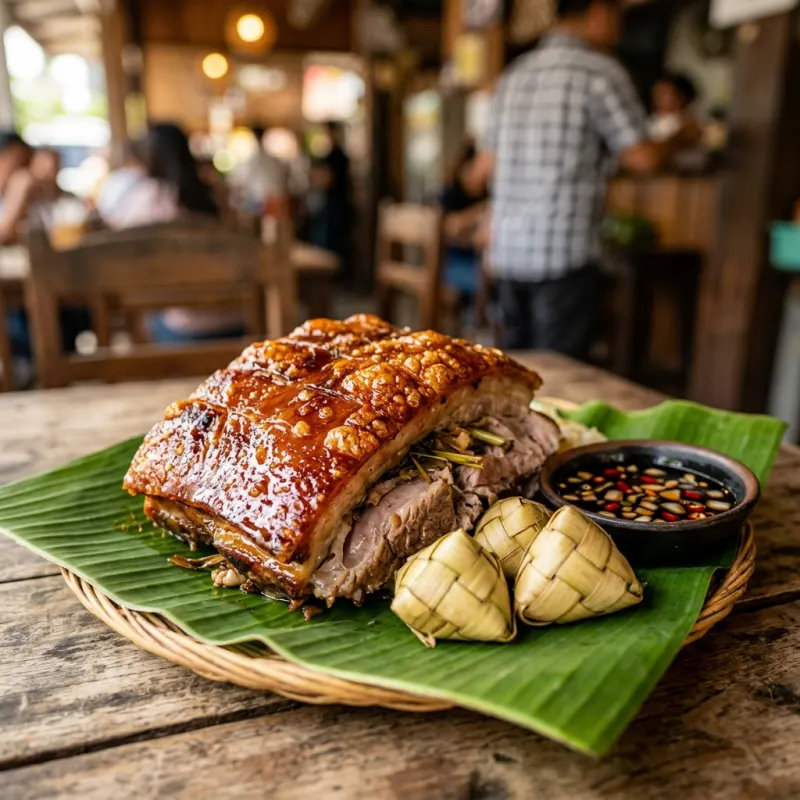
Lechon Cebu - A whole roasted pig cooked over charcoal, famous for its exceptionally crispy skin and flavorful, lemongrass-stuffed meat. It is often enjoyed with a side of hanging rice (puso) and a vinegar-soy dipping sauce.
Crispy Lechon Cebu served on a banana leaf with hanging rice

Maya’s Final Checklist for Visayas

Logistics shouldn’t be the focus of your trip—the experience should. I’ve hand-vetted these essential partners to ensure your arrival, stay, and exploration are as smooth as an Athenian breeze.

Maya, the human travel expert at TravelingWiz, offering curated, non-AI expertise

Where to Stay

Compare accommodation options and choose a stay that suits your plans and budget.

Air Travel

Compare flight options and find a route that fits your plans.

Local Guides

Connect with local guides for personalized help planning and exploring.

Travel Protection

The “Engineer’s” rule: always have a backup. Secure your trip with a plan that covers every “what if” and unexpected change.

Car Rentals

Compare rental options and choose a car that suits your trip.

Visa Information

Don’t let paperwork slow you down. Get expert assistance with your application to ensure all your entry documents are in order.

FAQs

Ferries are the most common and economical way to travel between islands. Fast crafts connect major hubs like Cebu and Bohol in about two hours, while larger RoRo (Roll-on/Roll-off) vessels handle longer routes. Domestic flights are also available between major cities.
Major tourist destinations in the Visayas, such as Cebu, Bohol, and Boracay, are generally malaria-free. However, dengue fever is present, so using mosquito repellent is highly recommended.
ATMs are plentiful in cities and major tourist towns. However, on smaller islands like Malapascua or parts of Siquijor, ATMs can be scarce or frequently run out of cash. Always withdraw enough cash before leaving a major hub.

Your Insights Matter

TravelingWiz grows through the stories of our community. If you’ve recently explored ,Visayas share your tips and stories to help us perfect our guides for the next traveler.

Where should we send your offline card?

We hate spam just as much as you do

newsletter_consent *