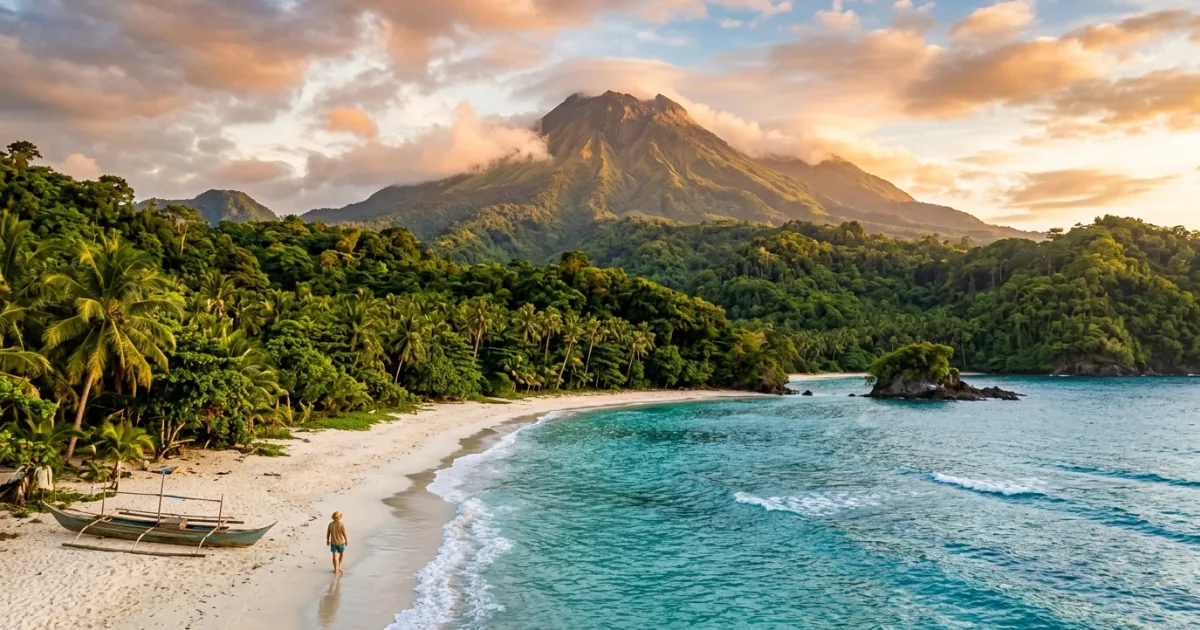
Mindanao is a land of striking contrasts and unparalleled biodiversity. As the southernmost major island group in the Philippines, it boasts a topography that ranges from the deep trenches of the Philippine Sea to the soaring heights of Mount Apo. The region is a haven for eco-tourists and adventure seekers, offering world-class surfing in Siargao, white-water rafting in Cagayan de Oro, and enchanting island-hopping in Camiguin and the Island Garden City of Samal.
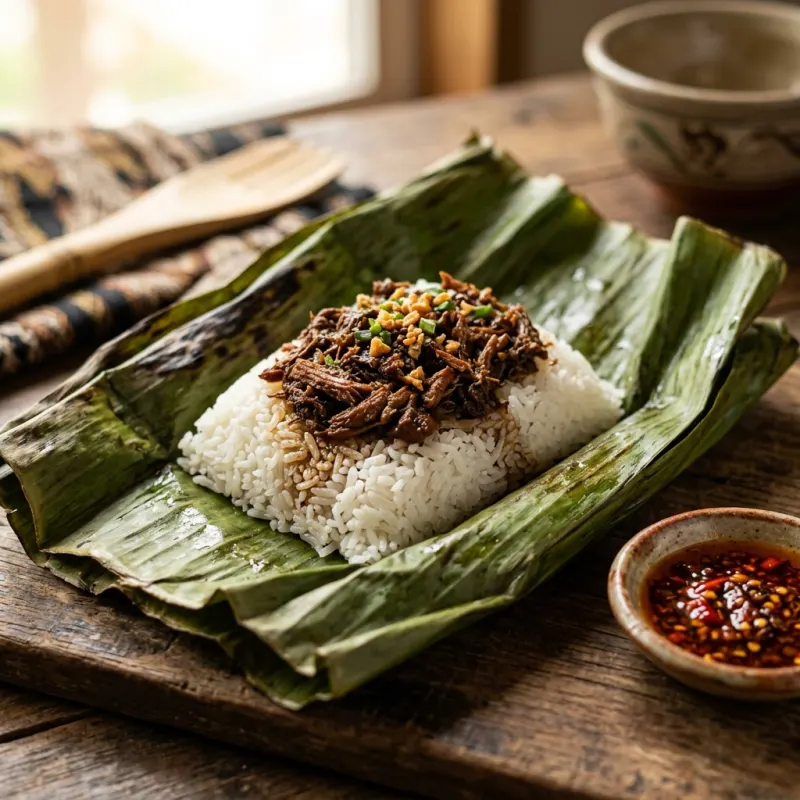
Culturally, Mindanao is distinct from the rest of the country. It is the ancestral homeland of the Lumad (indigenous peoples) and the Moro (Filipino Muslims), whose vibrant traditions are kept alive through intricate brassware, colorful handwoven textiles like T'nalak and Yakan weaves, and rhythmic kulintang music. Visitors will find a culinary landscape that heavily features coconut milk, turmeric, and chili, offering a spicier and more aromatic flavor profile than typical Filipino fare. Whether you are exploring the bustling night markets of Davao or the serene pink sand beaches of Zamboanga, Mindanao promises a deeply enriching travel experience.
Reasons to Visit
- Experience world-class surfing at Cloud 9 in Siargao.
- Conquer Mount Apo, the highest mountain in the Philippines.
- Discover the unique blend of indigenous and Islamic cultures.
- Taste exotic fruits like durian, mangosteen, and marang.
- Enjoy pristine, uncrowded beaches and hidden waterfalls.
Things to Avoid
- Avoid traveling to areas with active government travel advisories.
- Do not disrespect local religious customs, especially in predominantly Muslim areas.
- Avoid drinking tap water; stick to bottled or purified water.
- Do not leave valuables unattended on beaches or in public transport.
Local Transportation Tips
Transportation in Mindanao is an adventure in itself. Jeepneys are the colorful kings of the road for short to medium routes, while tricycles (motorcycles with sidecars) navigate smaller town streets. For inter-provincial travel, modern, air-conditioned buses provide comfortable and scenic rides. Ferries and fast crafts connect the main island to smaller surrounding islands like Camiguin and Siargao.
Travel Etiquette
- Always ask for permission before taking photos of indigenous people or religious sites.
- Dress modestly when visiting rural communities or Islamic mosques.
- Use your right hand when eating traditional food with your hands (kamayan).
- Smile and be polite; Filipinos highly value respect and friendliness.
Recommended Age Group
Mindanao offers diverse experiences that cater to various age groups, though the rugged nature of some areas requires consideration.
- Babies (0-2 years): Neutral. While resorts in Davao or Samal are accommodating, long transit times and tropical heat can be challenging.
- Kids (3-12 years): Recommended. Safe beach destinations like Samal Island and nature parks in Davao are great for children.
- Teens (13-19 years): Recommended. Teens will love the adventure sports, surfing in Siargao, and vibrant local culture.
- Adults (20-64 years): Recommended. Perfect for adults seeking adventure, cultural immersion, and off-the-beaten-path exploration.
- Seniors (65+ years): Neutral. Accessible in major cities and high-end resorts, but rugged terrain and long bus rides may be uncomfortable for some.
Accessibility Level: Medium
- Major airports (Davao, Cagayan de Oro) and large malls offer good wheelchair accessibility.
- Many rural attractions, waterfalls, and beaches lack paved paths or ramps.
- High-end resorts usually provide accessible rooms, but it is crucial to confirm in advance.
- Public transport like jeepneys and tricycles are not wheelchair friendly; private car hire is recommended.
Did You Know?
Mindanao is home to the Philippine Eagle, one of the largest and most powerful eagles in the world, which is critically endangered and can be seen at the Philippine Eagle Center in Davao City.
Cool Statistics
- Mount Apo stands at 2,954 meters (9,692 feet) above sea level.
- Mindanao produces over 80% of the Philippines' agri-industrial exports.
- The island of Camiguin has more volcanoes (7) than towns (5).






Buy a compatible power adapter for your trip