Disclosure: This site contains affiliate links. We may earn a commission if you make a purchase, at no extra cost to you.

>
>
>
>
Zamboanga Peninsula

Zamboanga Peninsula

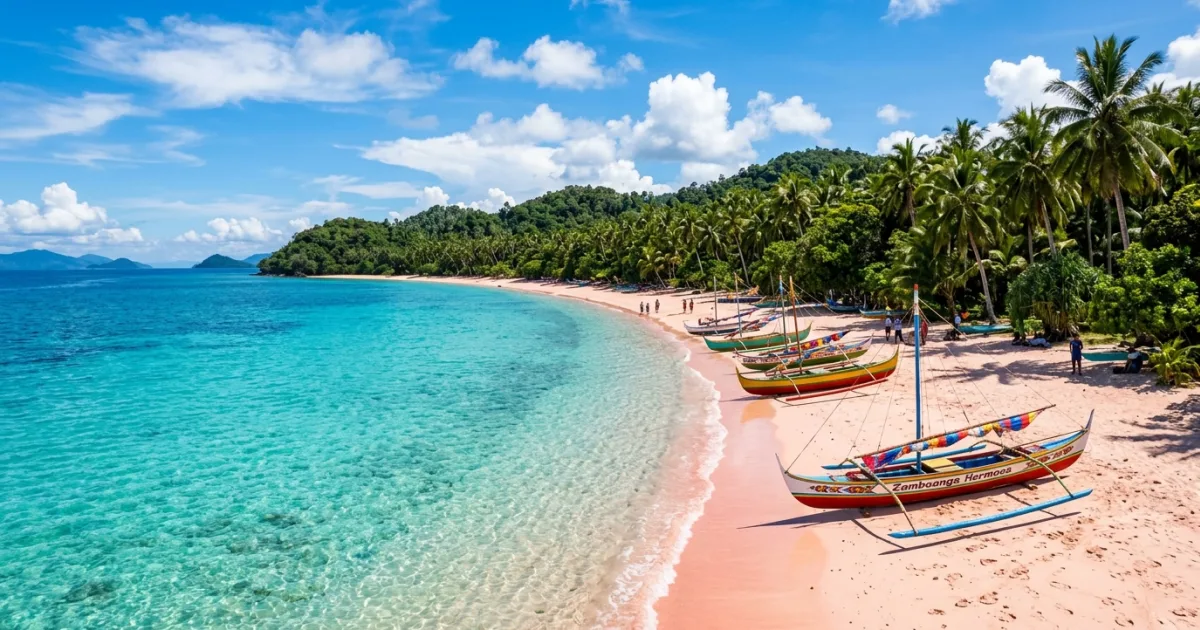
Pink sand beach and colorful vinta boats on Santa Cruz Island in Zamboanga Peninsula

Zamboanga Peninsula Overview & Key Highlights

The Zamboanga Peninsula forms the western arm of Mindanao, encompassing Zamboanga del Norte, Zamboanga del Sur, Zamboanga Sibugay, and the chartered city of Zamboanga. Geographically defined by the Sulu Sea to the west and the Moro Gulf to the south, the region features a dynamic confluence of Hispanic colonial heritage, indigenous Subanen traditions, and diverse Moro cultures. Historic landmarks like Real Fuerza de Nuestra Señora del Pilar de Zaragoza anchor urban areas, while outlying provinces host pristine karst landscapes, crater lakes, and protected coastal reserves. Travelers navigate between historic trading towns and tranquil coastal paradises such as the pink coralline sands of Great Santa Cruz Island and the historical exile grounds of national hero Dr. Jose Rizal in Dapitan City. Regional culinary identity stands apart from the rest of the Philippines through the extensive use of spiced coconut gravies, endemic deep-sea crustaceans, and Spanish-influenced recipes. While regional travel requires mindful itinerary planning and adherence to local advisories, the peninsula rewards intrepid visitors with unspoiled nature, distinct architecture, and sincere local hospitality.

Zamboanga Peninsula Travel Guide: Logistics & In-Depth Tips

The Zamboanga Peninsula sits as a strategic maritime landmass stretching southwest into the Sulu Archipelago. Rich in history, the territory was fortified by the Spanish Empire in the 17th century as a key outpost against pirate raids, leaving behind historic bastions such as Fort Pilar and fostering the unique Chavacano dialect. Its geography encompasses rugged mountain spines in the interior that slope down to mangrove-rich bays, pristine coral reefs, and fertile valleys.

Today, the peninsula combines cultural immersion with ecotourism opportunities. Visitors can explore the heritage landscape of Dapitan where Dr. Jose Rizal spent years of peaceful exile, witness the cascading multi-tiered Merloquet Falls near Vitali, and discover the distinctive inclined topography of Pagadian City navigated by angled passenger tricycles.

Reasons to Visit

  • Witness the rare pink coralline sand shorelines of the Great Santa Cruz Island eco-reserve.
  • Experience the vibrant Spanish-creole culture and architecture of Zamboanga City.
  • Trace Philippine history at the Jose Rizal Memorial Protected Landscape in historic Dapitan.
  • Feast on endemic Curacha crabs, authentic Satti, and distinct Moro culinary traditions.
  • Explore raw natural sites including Merloquet Falls and limestone cave complexes in Zamboanga del Sur.

Things to Avoid

  • Avoid venturing into remote and unguided rural territories without consulting local municipal tourism officers.
  • Do not take coral, shells, or red organ-pipe coral fragments from the protected Santa Cruz Islands.
  • Avoid wearing overly revealing clothing when visiting conservative religious sites, mosques, or traditional villages.
  • Do not rely entirely on cashless mobile payments or international bank cards in rural towns.

Local Transportation Tips

Long-distance travel between cities is facilitated by reliable air-conditioned bus lines such as Rural Transit Mindanao. Within urban centers, iconic motorized tricycles serve as primary transport—including the distinct 25-to-40-degree tilted tricycles tailored for Pagadian City's hilly streets. Traditional multi-cab jeepneys run suburban routes, while motorized banca outrigger boats provide inter-island access.

Travel Etiquette

  • Always greet locals courteously; a polite greeting in Chavacano or Cebuano is warmly appreciated.
  • Remove shoes before entering private residences, mosques, and specific sacred spaces.
  • Ask for explicit permission before photographing local indigenous artisans or community members at work.
  • Dress respectfully when visiting religious shrines such as Fort Pilar Shrine or local mosques.

Recommended Age Group

The Zamboanga Peninsula offers an enriching regional experience best suited for active and culturally curious travelers.

  • Babies (0-2 years): Not Recommended. Humid tropical heat, long bus transfers, and basic medical facilities outside major cities make travel difficult with infants.
  • Kids (3-12 years): Neutral. Beach destinations like Dakak and Santa Cruz Island appeal to kids, but historical sites and regional transport demand patience.
  • Teens (13-19 years): Recommended. Waterfall hiking, snorkeling, and exploring colonial forts offer exciting adventures for active youth.
  • Adults (20-64 years): Recommended. Perfect demographic for experiencing rich historical heritage, coastal food trails, and cultural diversity.
  • Seniors (65+ years): Neutral. While historic city centers like Dapitan and Zamboanga City have flat walking areas, rural transfers and boarding small outrigger boats require moderate mobility.

Accessibility Level: Medium

  • Major airports in Zamboanga City, Pagadian, and Dipolog offer ground-floor accessibility and boarding assistance.
  • Upscale beachfront resorts in Dapitan provide paved, step-free pathways.
  • Most public jeepneys, tricycles, and traditional wooden outrigger boats lack wheelchair access.
  • Historic fortresses like Fort Pilar feature stone courtyards that can be navigated with manual assistance.

Did You Know?

Zamboanga City is often dubbed 'Asia's Latin City' because Chavacano, spoken across the city and nearby towns, is one of the oldest Spanish-based creole languages in the world and the only one in Asia, retaining centuries-old Spanish vocabulary interwoven with Philippine syntax.

Cool Statistics

  • The Great Santa Cruz Island gets its pink hue from millions of crushed red organ-pipe coral (Tubipora musica) skeletons blending with white sand.
  • Pagadian City's tricycles are uniquely custom-built with passenger cabins tilted at up to 40-degree angles to scale the city's steep hills safely.
  • The Spanish fortress Real Fuerza de Nuestra Señora del Pilar de Zaragoza dates back to 1635.

Address:

Zamboanga Peninsula, Philippines

Find Nearby Accommodations

Basic Info

address icon

COUNTRY & Region

Philippines,
Asia

ACCESSIBILITY LEVEL​

Medium
Currency icon

LOCAL CURRENCY​

Philippine Peso (PHP)
Price level icon
Low
Safety Level icon

SAFETY LEVEL

Duration icon

Recommended Duration

• 1-7 days
• More than a week

Electricity

electricity icon

Electricity

220-240V, 
60Hz
Plug Socket icon

Plug Type

• Type A (Flat blade)
• Type B (Flat blade with grounding pin)
• Type C (Round pin)
Plug types
Click To View Plug Types
Zamboanga Peninsula is part of our
Slow Travel & Nature collection

Things To Do In Zamboanga Peninsula

Total: 1

Activities To Do In Zamboanga Peninsula

Best Time To Visit Zamboanga Peninsula

The optimal window for visiting the Zamboanga Peninsula runs during the dry season from December through April, when sea conditions remain calm and outdoor activities are least disrupted by rainfall.

  • Dry Season (December to April): Ideal for island hopping to Santa Cruz Islands, scuba diving in Dakak, and outdoor heritage walks. Expect daytime temperatures around 30°C to 33°C.
  • Fiesta Season (October): Zamboanga City hosts the vibrant Zamboanga Hermosa Festival honoring Nuestra Señora del Pilar, featuring regattas of colorful vinta boats and street dances.
  • Monsoon Season (June to November): Characterized by frequent afternoon convective rains and occasional tropical depressions passing through the wider Mindanao seas, which can disrupt ferry crossings.

Average Temperatures Per Month

Remember to check the weather forecast a few days before the trip and before heading to the airport.

Safety Level icon

Safety Level

Exercise situational awareness and monitor local government travel advisories before departing. Urban centers like Zamboanga City, Dipolog, and Dapitan are peaceful and heavily patrolled by tourist police, but remote border areas require advance coordination with local tourism offices. Always register your presence at official city or municipal tourism desks before engaging in backcountry treks, island trips, or spelunking tours.

The rating is based on multi-year peace, crime, and security indices. Before you go, always verify current conditions through official government travel advisories.

Emergency Numbers

Police: 117
Ambulance: 911

No internet needed • Includes local translations • Free for TravelingWiz readers

Spoken Languages

Chavacano (Spanish-based creole), Tagalog, Cebuano, Subanen, Tausug, and English

Learn The Language

  • Buenas dias — Good morning (Chavacano)
  • Buenas tardes — Good afternoon (Chavacano)
  • Muchas gracias — Thank you very much (Chavacano)
  • Cuanto este? — How much is this? (Chavacano)
  • Maayong buntag — Good morning (Cebuano)
  • Salamat kaayo — Thank you very much (Cebuano)
  • Pila kini? — How much does this cost? (Cebuano)
  • Saan po ang papuntang…? — Where is the way to…? (Tagalog)
Travel Booking Partner - TravelingWiz

Trip Cost & Budgeting for Zamboanga Peninsula, 2026

Everything you need to know about money while traveling
Is Zamboanga Peninsula expensive for tourists in 2026? No, it is one of the most affordable regions to explore in the Philippines. Expect to pay around 130 PHP for a cappuccino, 90 PHP for a domestic beer, and 300 PHP for a mid-range restaurant meal. With these Human Verified prices, daily expenses for dining, lodging, and local transport remain low. Use the data table below to calculate your specific daily budget based on your travel style.
Currency icon

LOCAL CURRENCY​:

Philippine Peso (PHP)
Price level icon
Low
Cash is essential in Zamboanga Peninsula, as card acceptance is generally limited to major hotels and shopping centers.

Per person, per day – pocket cash for small purchases.

Local: 270
Philippine Peso (PHP)
≈ 26 USD

Full daily spend estimation (accommodation, food, transportation, attractions).

Travel Style
Philippine Peso (PHP)
≈ USD ($)
Budget
1490
31
Mid-range
2700
60
Comfort
5950
129

The Prices, Daily costs, and calculator results are estimates for planning purposes only. Actual costs may vary based on season, booking timing, personal spending habits, and currency fluctuations. TravelingWiz cannot be held responsible for discrepancies between these estimates and your final trip expenses.

  • • Eat at local carinderias to enjoy authentic Chabacano dishes like Satti at a fraction of restaurant prices.
  • • Negotiate tricycle fares before boarding or ask locals for standard fixed rates on regular city routes.
  • • Join group boat tours to Great Santa Cruz Island instead of booking private charters to split transport costs.
  • • Carry small PHP bills as local vendors and transport drivers rarely have change for 500 or 1000 peso notes.

Pre-Order Tickets

Avoid disappointment when tickets sell out — and skip the long lines by booking online in advance. You’ll often save up to 20% too.
Save up to 20%

Travel Discounts & Coupons

Save on hotels, attractions, transport, and gear — find verified discounts for smarter travel spending.
Verified Coupons

What To Pack

  • Lightweight, breathable cotton and linen garments suitable for tropical heat
  • Modest clothing covering shoulders and knees when visiting mosques, shrines, and rural communities
  • Reef-safe sunscreen, polarized sunglasses, and a wide-brimmed sun hat
  • Sturdy water shoes for rocky shorelines, sandbars, and waterfall trekking
  • Waterproof dry bag for inter-island boat trips and spelunking excursions
  • Cash in Philippine Pesos, as rural ATMs outside provincial capitals are limited
  • Universal Type A/B/C plug adapter and portable power bank for regional road transit
  • Insect repellent containing DEET for nature reserves and mangrove river tours
We couldn't find tips for Zamboanga Peninsula.
If you got any, please share

Recommended Itineraries for Traveling to Zamboanga Peninsula

We couldn't find itineraries for Zamboanga Peninsula.
you can contact us for custom trip plan

Food & Drink Highlights

Local Food Overview

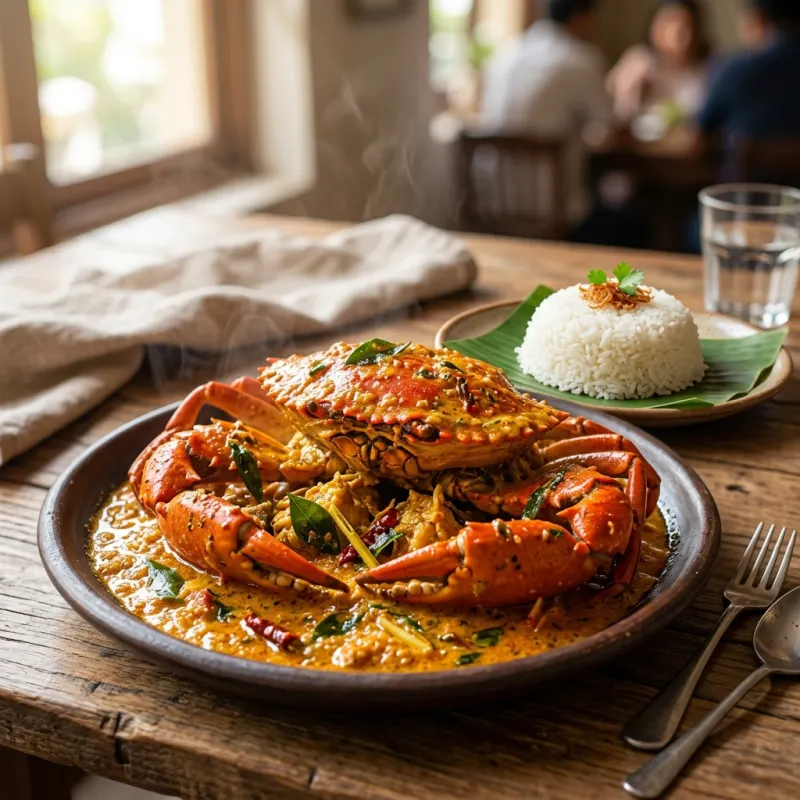
Gastronomy in the Zamboanga Peninsula reflects a fascinating culinary crossroad of Malay, Spanish, and Moro influences. Zamboanga City serves breakfast staples like Satti—grilled beef and chicken skewers bathed in a sweet and fiery red gravy alongside sticky rice cakes (ta'mu). The region's crown culinary jewel is Curacha, an endemic spanner crab sourced from deep waters off the peninsula and traditionally served drenched in rich, aromatic Alavar sauce made from coconut milk, turmeric, and secret spices. Other iconic coastal delicacies include freshly prepared Tiula Itum (black beef soup blackened with burnt coconut meat), knickerbocker shaved-ice fruit parfaits, and an abundance of fresh yellowfin tuna, squid, and seaweed.
Steamed curacha crab coated in rich Alavar coconut sauce on a dining table

Must Try Dish

Curacha with Alavar Sauce - Freshly steamed spanner crab generously coated in a thick, velvety gravy of reduced coconut milk and spiced aromatics. The sweet meat of the local deep-sea crustacean pairs seamlessly with the rich, piquant notes of the iconic regional sauce.
Food Experiences Title Icon

Food
Experiences

Discover cooking classes, tastings and local food tours

No food experience found
Maya, the human travel expert at TravelingWiz, offering curated, non-AI expertise

Maya’s Final Checklist for Zamboanga Peninsula

Logistics shouldn’t be the focus of your trip—the experience should. I’ve hand-vetted these essential partners to ensure your arrival, stay, and exploration are as smooth as an Athenian breeze.

Where to Stay

From boutique hotels to local apartments—compare thousands of options and find the perfect stay in the best neighborhood.

Air Travel

Getting there should be seamless. Compare the best routes and prices across top airlines to start your journey on the right note.

Local Guides

Connect with experts who know the destination best. Get personalized advice and insider tips to help you plan your perfect trip.

Travel Protection

The “Engineer’s” rule: always have a backup. Secure your trip with a plan that covers every “what if” and unexpected change.

Car Rentals

Explore at your own pace with total freedom. Compare reliable rental options and find the right vehicle for your adventure.

Visa Services

Don’t let paperwork slow you down. Get expert assistance with your application to ensure all your entry documents are in order.

FAQs

Chavacano, a Spanish-based creole language, is widely spoken in Zamboanga City, while Cebuano is predominantly spoken in Zamboanga del Norte and Zamboanga del Sur. Tagalog and English are universally understood and used in administration and education.
Boats depart from Paseo del Mar in Zamboanga City. Prior booking and coordination with the City Tourism Office at Paseo del Mar is required, as daily visitor numbers are capped to preserve the marine environment.
Key tourist hubs like Zamboanga City, Dipolog, and Dapitan are welcoming and maintain a visible tourism police presence. Travelers should remain on established travel corridors, consult tourism officers, and register trips before exploring remote areas.

Your Insights Matter

TravelingWiz grows through the stories of our community. If you’ve recently explored ,Zamboanga Peninsula share your tips and stories to help us perfect our guides for the next traveler.

Related Articles

Check out our related articles and blog posts to learn even more about the destination.

No related articles found

Don’t Travel Alone

Share with your friends and family

Where should we send your offline card?

We hate spam just as much as you do

newsletter_consent *