Zamboanga City functions as the cultural heartbeat of southwestern Mindanao. Established as a strategic garrison by Spanish authorities in 1635, the city developed an enduring identity marked by Chavacano, one of the world's few surviving Spanish-based creole languages. Walking through the city center reveals colonial civic structures, bustling barter trade markets, and multi-faith sanctuaries that mirror its complex regional heritage.
Surrounding waters and inland highlands provide natural variety. Off the coast lies Great Santa Cruz Island, celebrated for pink coralline shores and preserved marine lagoons, while Pasonanca Park in the northern hills provides cool forested trails and botanical sanctuaries. Combining centuries of maritime history with distinct Moro and Hispanic traditions, Zamboanga City rewards travelers seeking an authentic, off-the-beaten-path urban journey in the Philippines.
Reasons to Visit
- Explore Fort Pilar, a seventeenth-century stone fortress housing an open-air Marian shrine and a National Museum branch.
- Walk the unique pink coralline sand of Great Santa Cruz Island and tour protected mangrove conservation channels.
- Witness master artisans weaving vibrant geometric textiles by hand at the Yakan Weaving Village.
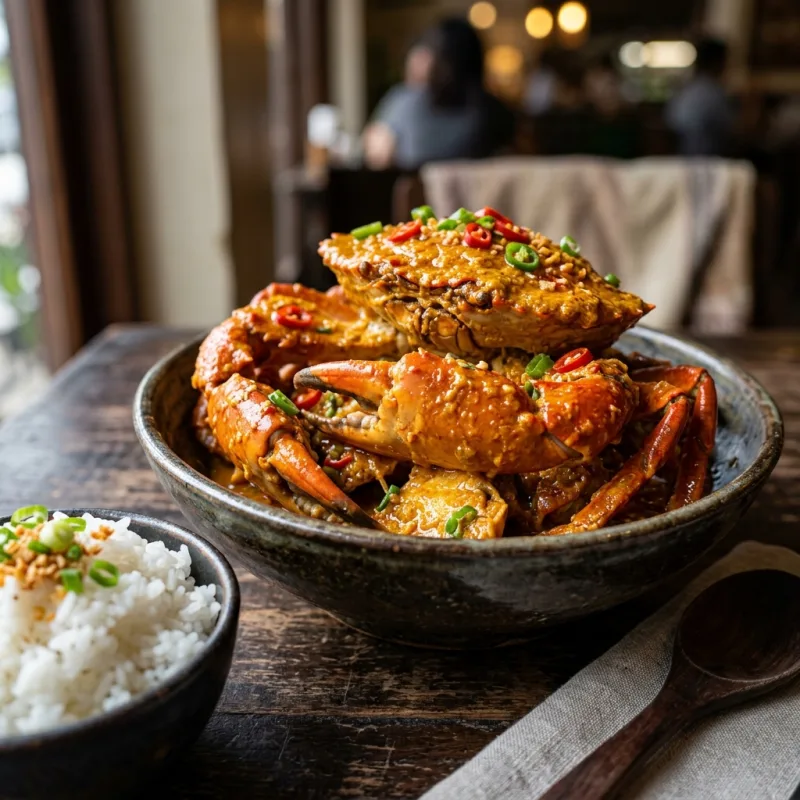
- Sample distinct regional gastronomy, from early morning satti dishes to decadent curacha crabs in Alavar sauce.
- Admire the colorful sails of traditional vinta boats gliding across the waters of the Basilan Strait.
Things to Avoid
- Avoid using unregistered boat operators along the coast; always book water excursions through the official City Tourism Office counter at Paseo del Mar.
- Do not photograph military checkpoints, naval installations, or armed personnel without explicit clearance.
- Avoid wearing revealing attire when visiting religious sites, including Fort Pilar Shrine and the Taluksangay Mosque.
- Do not travel outside standard municipal perimeters toward rural provincial roads late at night without verified local guides.
Local Transportation Tips
Intracity transit in Zamboanga City relies predominantly on motorized tricycles and traditional jeepneys. Tricycles handle short hops across neighborhoods, with fares negotiated or fixed based on standard municipal tariff zones. Jeepneys operate on fixed routes connecting the central business district to suburbs like Pasonanca, Santa Maria, and Calarian. For direct transfers to the airport or private excursions, air-conditioned taxis can be chartered through hotels or dispatched by phone.
Travel Etiquette
- Dress conservatively when entering churches, mosques, and historical shrines; cover shoulders and knees.
- Greet locals politely using common Spanish or Chavacano salutations like 'Buenas' to establish immediate goodwill.
- Ask for permission before photographing indigenous weavers and local vendors in the barter markets.
- Remove your shoes when invited into a private Muslim household or when entering designated mosque prayer spaces.
Recommended Age Group
Zamboanga City offers rich cultural rewards best navigated by independent travelers and mature explorers equipped for active travel conditions.
- Babies (0-2 years): Neutral. Tropical humidity, boat transfers, and limited baby-care facilities require careful parental planning.
- Kids (3-12 years): Neutral. Children will enjoy the pink beach at Santa Cruz Island and Pasonanca Park's natural swimming pools, though historical sites require patience.
- Teens (13-19 years): Recommended. Teenagers will appreciate the colorful vinta boats, vibrant street food scenes, and rich regional history.
- Adults (20-64 years): Recommended. Perfect for cultural enthusiasts, history buffs, and adventurous food lovers seeking authentic regional heritage.
- Seniors (65+ years): Recommended. The flat terrain around central historical sites like Fort Pilar and Paseo del Mar allows comfortable, relaxed exploration.
Accessibility Level: Medium
- Central tourist sites like Fort Pilar and Paseo del Mar feature wide, paved pedestrian concourses accessible to wheelchairs.
- Public tricycles and traditional jeepneys lack wheelchair ramps, making private hired vans necessary for mobility-impaired visitors.
- Boarding motorized outrigger pumpboats for Santa Cruz Island requires stepping across shallow water and gangplanks, posing challenges for travelers with severe mobility limitations.
Did You Know?
Zamboanga City is the only place in Asia where a Spanish creole dialect, Chavacano, has been spoken continuously as an everyday mother tongue for more than three centuries.
Cool Statistics
- Zamboanga City spans an expansive land area of over 1,480 square kilometers, ranking among the largest cities by area in the Philippines.
- The pink tint of Great Santa Cruz Island's beach comes from billions of microscopic fragments of crushed red organ-pipe coral (Tubipora musica).
- Fort Pilar's stone walls date back to June 23, 1635, when construction began under Spanish Jesuit engineer Father Melchor de Vera.






Buy a compatible power adapter for your trip