Disclosure: This site contains affiliate links. We may earn a commission if you make a purchase, at no extra cost to you.

>
>
>
Jeju Province

Jeju Province

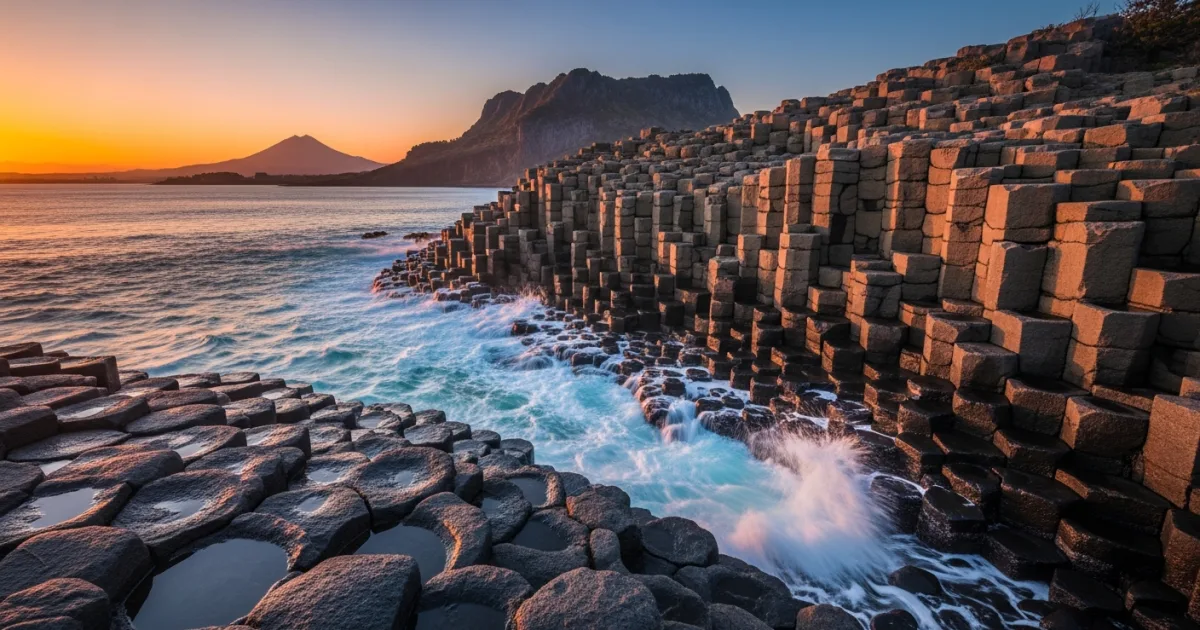
Jusangjeolli Cliff and ocean on Jeju Island

Jeju Province Overview & Key Highlights

Jeju Province is South Korea's largest island and a premier destination known for its volcanic landscapes, lush countryside, and unique cultural heritage. Dominated by Hallasan, a dormant volcano and the highest mountain in South Korea, the island features a diverse ecosystem recognized as a UNESCO World Heritage site. Visitors can explore the Manjanggul Cave, one of the longest lava tubes in the world, or hike the extensive network of Olle Trails that trace the picturesque coastline. The local economy relies heavily on tourism, agriculture, and fishing, offering travelers an abundance of fresh seafood and the famous Jeju black pork. Cultural attractions include the iconic Haenyeo, female free divers who harvest seafood by hand, and the ubiquitous Dol hareubang, large rock statues carved from porous basalt. With a temperate climate that differs significantly from the mainland, Jeju serves as a year-round retreat for nature enthusiasts, honeymooners, and families seeking both adventure and relaxation.

Jeju Province Travel Guide: Logistics & In-Depth Tips

Jeju Province, officially known as Jeju Special Self-Governing Province, is a volcanic island situated in the Korea Strait. Formed by volcanic eruptions approximately 2 million years ago, the island boasts a unique geological makeup, characterized by basalt rocks, lava tubes, and parasitic cones known locally as 'oreum'. The island's distinct culture evolved somewhat independently from mainland Korea, resulting in unique dialects, folklore, and matriarchal traditions like the Haenyeo divers. Today, Jeju is a harmonious blend of pristine natural environments and modern tourist infrastructure, offering everything from serene tea plantations to vibrant contemporary art museums.

Reasons to Visit

  • Volcanic Landscapes: Explore UNESCO-listed sites like Hallasan National Park, Seongsan Ilchulbong (Sunrise Peak), and the Manjanggul Lava Tube.
  • Unique Culture: Witness the incredible Haenyeo (female divers) and discover the history behind the iconic Dol hareubang statues.
  • Culinary Delights: Savor exclusive local foods, including Jeju black pork, fresh abalone, and sweet Hallabong tangerines.
  • Outdoor Adventures: Hike the scenic Jeju Olle Trails, surf at Jungmun Beach, or cycle along the picturesque coastal roads.

Things to Avoid

  • Avoid relying solely on public buses if you have a tight schedule, as routes can be infrequent and travel times long.
  • Do not hike Hallasan without proper gear, sufficient water, and checking the weather forecast beforehand.
  • Avoid visiting outdoor attractions during summer typhoons; always heed local weather warnings.
  • Do not take photographs of the Haenyeo divers without their permission, as it is considered disrespectful.

Local Transportation Tips

Renting a car is the most efficient and popular way to explore Jeju Province, offering the freedom to visit remote beaches and mountain trails at your own pace. For those who prefer not to drive, the island has an extensive public bus network, though it requires careful planning due to longer transit times. Taxis are readily available and relatively affordable for shorter trips, and the Jeju City Tour Bus is an excellent option for hitting major attractions without the hassle of navigating.

Travel Etiquette

  • Always remove your shoes before entering a Korean home, guesthouse, or traditional restaurant with floor seating.
  • Use two hands when giving or receiving items, especially money or gifts, as a sign of respect.
  • Do not leave chopsticks sticking vertically out of a bowl of rice, as this resembles incense used at funerals.
  • Sort your trash meticulously; South Korea has strict recycling rules that must be followed even by tourists.

Recommended Age Group

Jeju Province is a highly versatile destination that caters to travelers of all ages, offering a mix of relaxation, education, and adventure.

  • Babies (0-2 years): Recommended. The island features many family-friendly resorts, easy coastal walks, and indoor attractions like aquariums that are stroller accessible.
  • Kids (3-12 years): Recommended. Children will love the sandy beaches, interactive museums, theme parks, and easy nature trails.
  • Teens (13-19 years): Recommended. Teens can enjoy water sports, horseback riding, exploring lava tubes, and visiting trendy coastal cafes.
  • Adults (20-64 years): Recommended. Perfect for hiking Hallasan, driving along scenic coastal roads, and indulging in the local culinary scene.
  • Seniors (65+ years): Recommended. Seniors can enjoy leisurely scenic drives, cultural villages, botanical gardens, and well-maintained, flat walking paths.

Accessibility Level: Medium

  • Many major tourist attractions, including parts of the Olle Trails and botanical gardens, have been updated with wheelchair-accessible ramps and paved paths.
  • Accessible restrooms are widely available at public facilities, museums, and large restaurants.
  • Public buses equipped with low floors for wheelchair access are operating on major routes, though renting a wheelchair-accessible vehicle is recommended for full island exploration.
  • Top-tier hotels and resorts offer fully accessible rooms and facilities, but it is advisable to confirm specific needs prior to booking.

Did You Know?

Jeju Island is home to the Haenyeo, a community of women, some in their 80s, who dive up to 10 meters deep into the ocean without oxygen masks to harvest seafood. This remarkable tradition was inscribed on the UNESCO Intangible Cultural Heritage list in 2016.

Cool Statistics

  • Hallasan is the highest mountain in South Korea, standing at 1,947 meters (6,388 feet) above sea level.
  • Jeju Island features over 360 parasitic volcano cones, known as 'oreum', scattered across its landscape.
  • The Manjanggul Cave is one of the longest lava tubes in the world, stretching approximately 7.4 kilometers.
  • Jeju welcomes over 15 million visitors annually, making the Seoul-Jeju flight route one of the busiest in the world.


Address:

Jeju Province, South Korea

Find Nearby Accommodations

Basic Info

address icon

COUNTRY & Region

South Korea,
Asia

ACCESSIBILITY LEVEL​

Medium
Currency icon

LOCAL CURRENCY​

South Korean Won (KRW)
Price level icon
Medium
Safety Level icon

SAFETY LEVEL

Duration icon

Recommended Duration

• 1-7 days
• More than a week

Electricity

electricity icon

Electricity

220-240V, 
60Hz
Plug Socket icon

Plug Type

• Type C (Round pin)
• Type F (Two round pins with earth clips)
Plug types
Click To View Plug Types

Things To Do In Jeju Province

Total: 1

Seongsan Ilchulbong volcanic crater at sunrise on Jeju Island
Jeju Island, home to South Korea's highest peak at 1,947m, offers stunning beaches. Explore top spots in our 2026 guide.

Activities To Do In Jeju Province

Best Time To Visit Jeju Province

The best times to visit Jeju Province are during the spring and autumn months.

  • Spring (April to May): Offers mild temperatures and stunning blooms of cherry blossoms and yellow canola flowers.
  • Autumn (September to November): Features clear skies, comfortable hiking weather, and beautiful fields of silver grass.
  • Summer (July to August): Ideal for beachgoers, though it is the peak tourist season and can be hot, humid, and prone to monsoon rains.
  • Winter (December to February): Quieter and cooler, perfect for viewing snow-capped Hallasan and enjoying indoor museums.

Average Temperatures Per Month

Remember to check the weather forecast a few days before the trip and before heading to the airport.

Safety Level icon

Safety Level

Jeju Province is exceptionally safe with very low crime rates, making it ideal for solo travelers and families. Exercise caution when swimming, as ocean currents can be strong, and always check weather forecasts before hiking Hallasan, as conditions can change rapidly at higher altitudes.

The rating is based on multi-year peace, crime, and security indices. Before you go, always verify current conditions through official government travel advisories.

Emergency Numbers

Police: 112 (Universal)
Ambulance: 119

No internet needed • Includes local translations • Free for TravelingWiz readers

Spoken Languages

Korean is the primary language. English is generally understood in major hotels, tourist attractions, and larger restaurants, but may be limited in rural areas.

Learn The Language

  • Hello – 안녕하세요 (Annyeonghaseyo)
  • Thank you – 감사합니다 (Gamsahamnida)
  • Yes – 네 (Ne)
  • No – 아니요 (Aniyo)
  • How much is it? – 얼마예요? (Eolmayeyo?)
  • Where is the bathroom? – 화장실이 어디예요? (Hwajangsiri eodiyeyo?)
  • Delicious – 맛있어요 (Masisseoyo)
  • Goodbye – 안녕히 계세요 (Annyeonghi gyeseyo)
Travel Booking Partner - TravelingWiz

Trip Cost & Budgeting for Jeju Province, 2026

Everything you need to know about money while traveling
Is Jeju Province expensive for tourists in 2026? It is moderately priced compared to Western island destinations, offering excellent value for mid-range travelers. Based on Human Verified prices, you can expect to pay around 6,000 KRW for a coffee, 5,000 KRW for a domestic draft beer, and 15,000 KRW for a standard restaurant meal. Food and transport remain very affordable throughout the island. Use the data table below to calculate your specific daily budget based on your travel style.
Currency icon

LOCAL CURRENCY​:

South Korean Won (KRW)
Price level icon
Medium
Credit cards are accepted nearly everywhere on Jeju Island, though carrying small cash for markets and buses is helpful.

Per person, per day – pocket cash for small purchases.

Local: 14000
South Korean Won (KRW)
≈ 10 USD

Full daily spend estimation (accommodation, food, transportation, attractions).

Travel Style
South Korean Won (KRW)
≈ USD ($)
Budget
77000
54
Mid-range
140000
99
Comfort
308000
218

The Prices, Daily costs, and calculator results are estimates for planning purposes only. Actual costs may vary based on season, booking timing, personal spending habits, and currency fluctuations. TravelingWiz cannot be held responsible for discrepancies between these estimates and your final trip expenses.

  • • Get a T-money card at convenience stores for discounted and seamless public bus and taxi fares across Jeju.
  • • Skip high-end seafood restaurants in resort zones and eat at local traditional markets like Dongmun or Seogwipo Maeil Olle Market.
  • • Take advantage of Jeju's abundant free natural attractions, including Olle hiking trails, public beaches, and volcanic park viewpoints.
  • • Rent a car if traveling in a small group, as splitting rental and fuel costs often beats guided tour prices.

Pre-Order Tickets

Avoid disappointment when tickets sell out — and skip the long lines by booking online in advance. You’ll often save up to 20% too.
Save up to 20%

Travel Discounts & Coupons

Save on hotels, attractions, transport, and gear — find verified discounts for smarter travel spending.
Verified Coupons

What To Pack

  • Comfortable hiking shoes for exploring Hallasan and the Olle Trails.
  • A lightweight windbreaker, as coastal winds can be strong year-round.
  • Universal power adapter for Type C or F outlets.
  • Sunscreen and a wide-brimmed hat for beach days and outdoor excursions.
  • International Driving Permit (IDP) if you plan to rent a car.
We couldn't find tips for Jeju Province.
If you got any, please share

Recommended Itineraries for Traveling to Jeju Province

We couldn't find itineraries for Jeju Province.
you can contact us for custom trip plan

Food & Drink Highlights

Local Food Overview

Jeju's cuisine is deeply tied to its island geography, featuring an abundance of fresh seafood, unique citrus fruits like the Hallabong, and the highly prized Jeju black pork. Meals are often accompanied by hearty stews and an array of locally sourced vegetable side dishes.
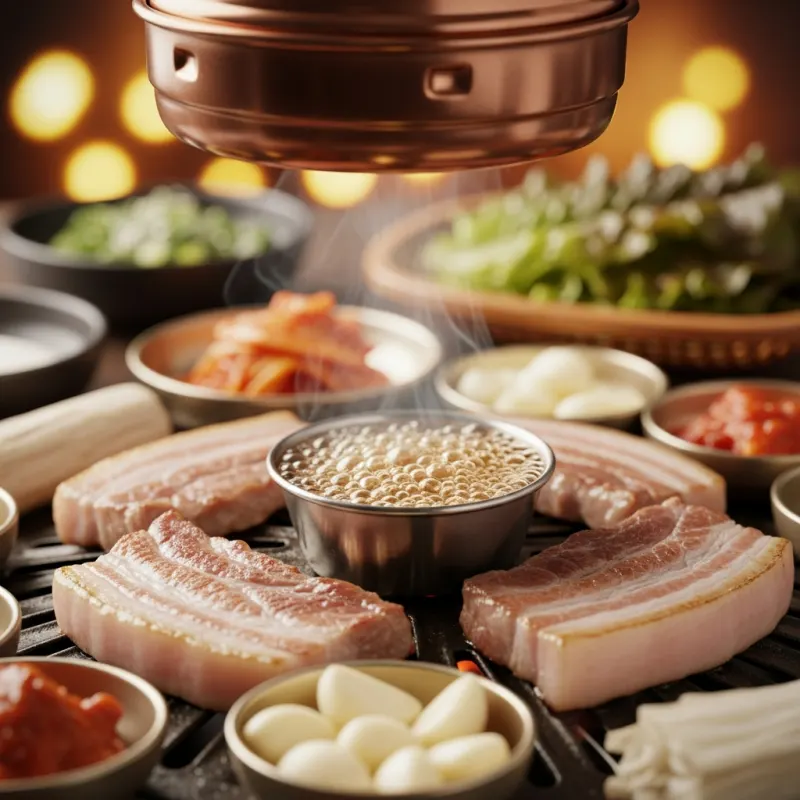
Jeju Black Pork BBQ grilling on a charcoal stove

Must Try Dish

Jeju Black Pork BBQ (Heuk Dwaeji) is a premium local specialty renowned for its rich, marbled texture and slightly chewy skin. It is traditionally grilled over charcoal and served with a fermented anchovy dipping sauce called meljeot, which perfectly complements the savory meat.
Food Experiences Title Icon

Food
Experiences

Discover cooking classes, tastings and local food tours

No food experience found
Maya, the human travel expert at TravelingWiz, offering curated, non-AI expertise

Maya’s Final Checklist for Jeju Province

Logistics shouldn’t be the focus of your trip—the experience should. I’ve hand-vetted these essential partners to ensure your arrival, stay, and exploration are as smooth as an Athenian breeze.

Where to Stay

From boutique hotels to local apartments—compare thousands of options and find the perfect stay in the best neighborhood.

Air Travel

Getting there should be seamless. Compare the best routes and prices across top airlines to start your journey on the right note.

Local Guides

Connect with experts who know the destination best. Get personalized advice and insider tips to help you plan your perfect trip.

Travel Protection

The “Engineer’s” rule: always have a backup. Secure your trip with a plan that covers every “what if” and unexpected change.

Car Rentals

Explore at your own pace with total freedom. Compare reliable rental options and find the right vehicle for your adventure.

Visa Services

Don’t let paperwork slow you down. Get expert assistance with your application to ensure all your entry documents are in order.

FAQs

Yes, foreign visitors must present a valid International Driving Permit (IDP) along with their home country’s driver’s license and passport to rent a car in South Korea.
No, hiking to the summit of Hallasan via the Seongpanak or Gwaneumsa trails requires an advance online reservation to protect the environment and manage crowd levels.
Jeju Island offers a special visa-free entry program for citizens of many countries for up to 30 days, provided they arrive directly at Jeju International Airport. However, checking current regulations based on your nationality is advised.

Your Insights Matter

TravelingWiz grows through the stories of our community. If you’ve recently explored ,Jeju Province share your tips and stories to help us perfect our guides for the next traveler.

Related Articles

Check out our related articles and blog posts to learn even more about the destination.

No related articles found

Don’t Travel Alone

Share with your friends and family

Where should we send your offline card?

We hate spam just as much as you do

newsletter_consent *