Disclosure: This site contains affiliate links. We may earn a commission if you make a purchase, at no extra cost to you.

>
>
South Korea

South Korea

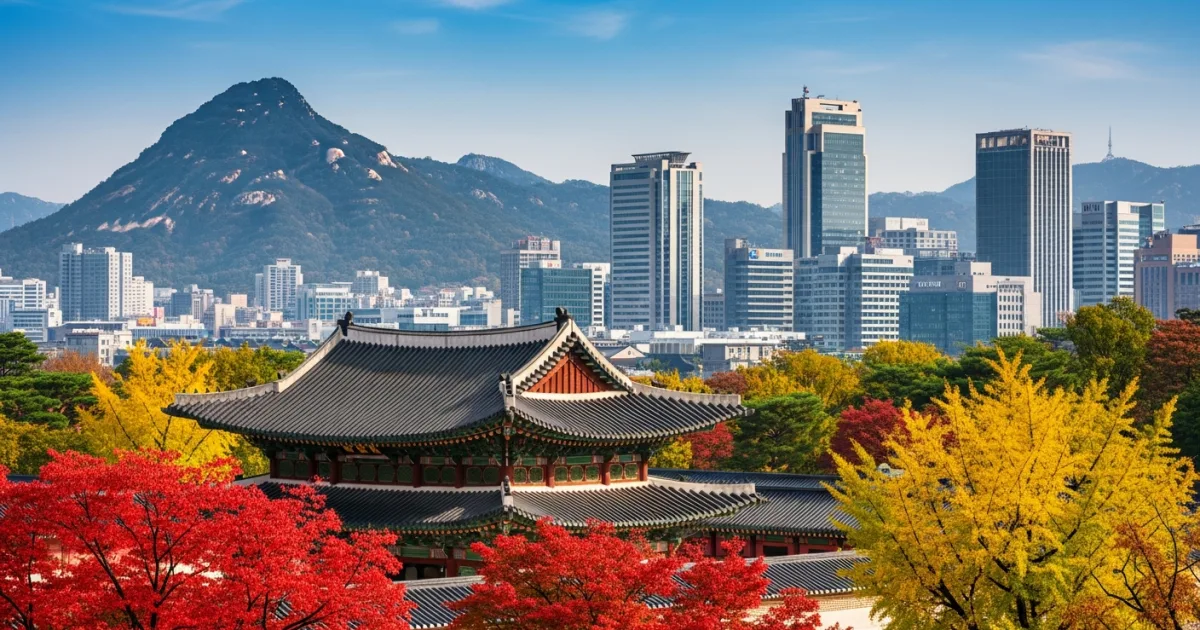
Gyeongbokgung Palace in Seoul surrounded by autumn foliage and modern skyscrapers

South Korea Overview & Key Highlights

South Korea occupies the southern half of the Korean Peninsula in East Asia, bordered by the Democratic People's Republic of Korea to the north. The country features a mountainous terrain, a highly developed public transportation network, and a climate with four distinct seasons. Seoul, the capital city, serves as the primary economic and cultural hub, blending modern skyscrapers with historic palaces like Gyeongbokgung. Visitors can explore diverse landscapes ranging from the volcanic island of Jeju to the coastal city of Busan. The nation's cultural exports, including K-pop, cinema, and cuisine, have significantly influenced global entertainment and gastronomy. Advanced technological infrastructure ensures seamless connectivity for travelers throughout the country. Historical sites, such as the ancient city of Gyeongju, offer a glimpse into the Silla Dynasty, while modern districts like Gangnam showcase contemporary lifestyle and fashion. South Korea provides a highly safe and efficient environment for international tourism.

South Korea Travel Guide: Logistics & In-Depth Tips

South Korea presents a fascinating dichotomy where ancient traditions seamlessly coexist with cutting-edge technology. Visitors can spend their morning wandering through the serene courtyards of a 14th-century palace and their afternoon exploring a multi-story virtual reality theme park. The country's geography is predominantly mountainous, offering excellent hiking opportunities right on the outskirts of major urban centers like Seoul and Busan.

The culinary landscape is a major draw for international visitors. From sizzling Korean BBQ and crispy fried chicken paired with local beer (chimaek) to the intricate flavors of royal court cuisine, the food scene is diverse and dynamic. Furthermore, South Korea's efficient KTX bullet trains make it incredibly easy to traverse the country, allowing travelers to experience the coastal beauty of the south, the historical richness of Gyeongju, and the bustling energy of the capital all within a single trip.

Reasons to Visit

  • World-class public transportation system that is clean, affordable, and punctual.
  • Rich historical sites including five grand palaces in Seoul and numerous UNESCO World Heritage sites.
  • A vibrant culinary scene featuring diverse street food, traditional markets, and high-end dining.
  • Dynamic pop culture, offering K-pop concerts, K-drama filming locations, and trendy fashion districts.
  • Stunning natural landscapes, from the volcanic craters of Jeju Island to the peaks of Seoraksan National Park.

Things to Avoid

  • Avoid wearing shoes inside traditional restaurants, temples, or local homes.
  • Do not leave chopsticks sticking vertically out of a bowl of rice, as it resembles funeral incense.
  • Avoid speaking loudly on public transportation, as it is considered disrespectful.
  • Do not blow your nose loudly in public or at the dining table.
  • Avoid relying solely on Google Maps for walking or driving directions; local apps like Naver Map or KakaoMap are much more accurate.

Local Transportation Tips

South Korea boasts one of the most efficient and extensive public transportation networks in the world. The subway systems in major cities like Seoul and Busan are clean, easy to navigate with English signage, and highly affordable. For intercity travel, the KTX (Korea Train eXpress) bullet train connects major hubs rapidly. Purchasing a T-money card is essential; it can be loaded with cash at convenience stores and used for subways, buses, and even taxis across the country.

Travel Etiquette

  • Bow slightly when greeting or thanking someone, especially those older than you.
  • Use both hands when giving or receiving items, particularly money or business cards.
  • Wait for the oldest person at the table to start eating before you begin your meal.
  • Pour drinks for others, but never pour your own; let someone else fill your glass.
  • Sort your trash meticulously; South Korea has strict recycling and food waste disposal rules.

Recommended Age Group

South Korea is a highly versatile destination that caters exceptionally well to travelers of all ages.

  • Babies (0-2 years): Recommended. The country features excellent healthcare, clean public facilities, and well-equipped nursing rooms in department stores and transit hubs.
  • Kids (3-12 years): Recommended. Children will enjoy interactive museums, massive amusement parks like Lotte World, and safe, family-friendly environments.
  • Teens (13-19 years): Recommended. Teens are often drawn to the vibrant K-pop culture, trendy shopping districts like Myeongdong, and high-tech gaming cafes.
  • Adults (20-64 years): Recommended. Adults can fully appreciate the rich history, dynamic nightlife, culinary tours, and efficient transit systems.
  • Seniors (65+ years): Recommended. The culture deeply respects elders, and major tourist sites offer accessible paths, while public transport provides designated seating.

Accessibility Level: Medium

  • Major subway stations in Seoul and Busan are equipped with elevators and wheelchair lifts.
  • Most modern museums, palaces, and public buildings feature ramps and accessible restrooms.
  • Tactile paving is widely installed on sidewalks and transit stations for visually impaired travelers.
  • Low-floor buses are becoming increasingly common in major urban centers.
  • Some older, traditional restaurants and smaller shops may have steps and lack wheelchair access.

Did You Know?

South Korea has the fastest average internet connection speed in the world, and free Wi-Fi is ubiquitous, available on subways, in public parks, and at nearly all cafes and restaurants.

Cool Statistics

  • Over 70% of South Korea's landmass is covered by mountains.
  • Seoul's subway system serves over 7 million passengers daily.
  • Jeju Island is home to the longest lava tube system in the world.
  • South Korea consumes more seafood per capita than almost any other nation.
  • Incheon International Airport consistently ranks among the top airports globally for transit and amenities.


Address:

Seoul, South Korea

Find Nearby Accommodations

Basic Info

address icon

COUNTRY & Region

South Korea,
Asia

ACCESSIBILITY LEVEL​

Medium
Currency icon

LOCAL CURRENCY​

South Korean Won (KRW)
Price level icon
Medium
Safety Level icon

SAFETY LEVEL

Duration icon

Recommended Duration

• 1-7 days
• More than a week

Electricity

electricity icon

Electricity

220-240V, 
60Hz
Plug Socket icon

Plug Type

• Type C (Round pin)
• Type F (Two round pins with earth clips)
Plug types
Click To View Plug Types

Things To Do In South Korea

Total: 2

Panoramic view of Seoul skyline at twilight featuring Gyeongbokgung Palace and N Seoul Tower
Home to 25 million people, the Seoul Capital Area includes Incheon and Gyeonggi. Plan your trip with our 2026 guide.
Jusangjeolli Cliff and ocean on Jeju Island
Jeju Province covers 1,849 sq km and features South Korea's tallest peak. Plan your ultimate trip with our 2026 guide.

Activities To Do In South Korea

Best Time To Visit South Korea

The optimal times to visit South Korea are during the spring (April to May) and autumn (September to October) seasons.

  • Spring: Offers mild temperatures and the famous cherry blossom season.
  • Autumn: Features clear skies, comfortable weather, and vibrant fall foliage across the mountains and national parks.
  • Summer: Can be hot, humid, and rainy due to the monsoon season (late June to July).
  • Winter: Cold and dry, but ideal for winter sports and enjoying heated indoor attractions.

Average Temperatures Per Month

Remember to check the weather forecast a few days before the trip and before heading to the airport.

Safety Level icon

Safety Level

South Korea is exceptionally safe with very low violent crime rates. Petty theft is rare, but travelers should still exercise standard precautions in crowded areas. Traffic can be fast-paced; always use designated crosswalks and obey pedestrian signals. Emergency services are highly responsive.

The rating is based on multi-year peace, crime, and security indices. Before you go, always verify current conditions through official government travel advisories.

Emergency Numbers

Police: 112 (Universal)
Ambulance: 119

No internet needed • Includes local translations • Free for TravelingWiz readers

Spoken Languages

Korean is the official language. English is widely taught and understood in major tourist areas, hotels, and transit hubs, though proficiency varies among the general public.

Learn The Language

  • Annyeonghaseyo (Hello)
  • Gamsahamnida (Thank you)
  • Jwesonghamnida (Sorry)
  • Eolmayeyo? (How much is it?)
  • Hwajangsil eodiyeyo? (Where is the bathroom?)
  • Mianhamnida (Excuse me)
  • Ne (Yes)
  • Aniyo (No)
Travel Booking Partner - TravelingWiz

Trip Cost & Budgeting for South Korea, 2026

Everything you need to know about money while traveling
Is South Korea expensive for tourists in 2026? It offers moderate, reasonable value compared to Western destinations. Based on Human Verified prices, you can expect to pay around ₩5,300 for a cappuccino, ₩5,000 for a domestic beer, and ₩30,000 for a standard mid-range restaurant meal. While luxury options exist, smart travelers can explore comfortably on a moderate budget. Use the data table below to calculate your specific daily budget based on your travel style.
Currency icon

LOCAL CURRENCY​:

South Korean Won (KRW)
Price level icon
Medium
Credit cards are accepted almost everywhere in South Korea, though cash is useful for street markets and transit reloads.

Per person, per day – pocket cash for small purchases.

Local: 16500
South Korean Won (KRW)
≈ 12 USD

Full daily spend estimation (accommodation, food, transportation, attractions).

Travel Style
South Korean Won (KRW)
≈ USD ($)
Budget
90750
64
Mid-range
165000
117
Comfort
363000
257

The Prices, Daily costs, and calculator results are estimates for planning purposes only. Actual costs may vary based on season, booking timing, personal spending habits, and currency fluctuations. TravelingWiz cannot be held responsible for discrepancies between these estimates and your final trip expenses.

  • Get a T-money transport card for discounted public transit rates and free transfers between subways and city buses.
  • Dine at local traditional markets and kimbap chain restaurants for authentic meals under 10,000 KRW.
  • Rent a Hanbok near Seoul palaces to get completely free entry into Gyeongbokgung and other royal historical sites.
  • Grab drinks and snacks at ubiquitous convenience stores like CU and GS25, making use of 1-plus-1 promotional deals.

Pre-Order Tickets

Avoid disappointment when tickets sell out — and skip the long lines by booking online in advance. You’ll often save up to 20% too.
Save up to 20%

Travel Discounts & Coupons

Save on hotels, attractions, transport, and gear — find verified discounts for smarter travel spending.
Verified Coupons

What To Pack

  • Comfortable walking shoes for extensive city exploration and palace grounds.
  • Universal power adapter for Type C and Type F outlets.
  • Layered clothing to accommodate distinct seasonal temperature changes.
  • T-money card (purchased locally) for seamless public transit access.
  • Lightweight rain jacket or umbrella for the summer monsoon season.
We couldn't find tips for South Korea.
If you got any, please share

Recommended Itineraries for Traveling to South Korea

We couldn't find itineraries for South Korea.
you can contact us for custom trip plan

Food & Drink Highlights

Local Food Overview

Korean cuisine is characterized by its bold flavors, extensive use of fermentation, and communal dining style. Meals typically consist of rice, soup, and numerous side dishes known as banchan, with Kimchi being the most prominent.
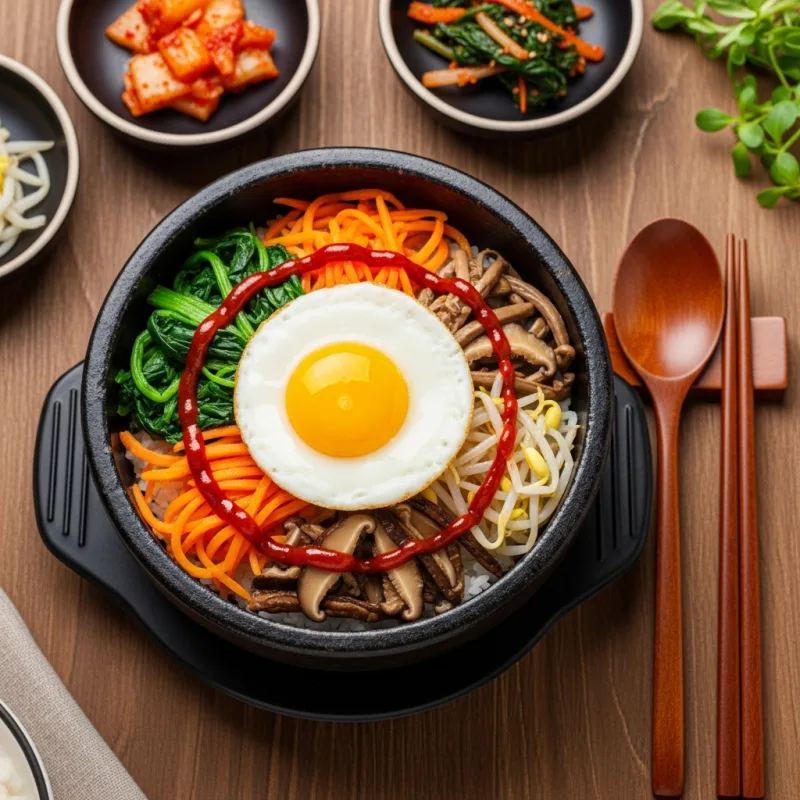
Authentic Korean Bibimbap in a stone bowl with colorful vegetables and a fried egg

Must Try Dish

Bibimbap - A traditional Korean rice bowl topped with an array of sautéed vegetables, chili pepper paste (gochujang), soy sauce, and a fried egg. Diners mix the ingredients together immediately before eating to combine the complex flavors and textures.
Food Experiences Title Icon

Food
Experiences

Discover cooking classes, tastings and local food tours

No food experience found
Maya, the human travel expert at TravelingWiz, offering curated, non-AI expertise

Maya’s Final Checklist for South Korea

Logistics shouldn’t be the focus of your trip—the experience should. I’ve hand-vetted these essential partners to ensure your arrival, stay, and exploration are as smooth as an Athenian breeze.

Where to Stay

From boutique hotels to local apartments—compare thousands of options and find the perfect stay in the best neighborhood.

Air Travel

Getting there should be seamless. Compare the best routes and prices across top airlines to start your journey on the right note.

Local Guides

Connect with experts who know the destination best. Get personalized advice and insider tips to help you plan your perfect trip.

Travel Protection

The “Engineer’s” rule: always have a backup. Secure your trip with a plan that covers every “what if” and unexpected change.

Car Rentals

Explore at your own pace with total freedom. Compare reliable rental options and find the right vehicle for your adventure.

Visa Services

Don’t let paperwork slow you down. Get expert assistance with your application to ensure all your entry documents are in order.

FAQs

Many nationalities can enter South Korea visa-free for short stays, but most require an approved K-ETA (Korea Electronic Travel Authorization) prior to boarding their flight.
Yes, major cities have extensive English signage on public transportation, and translation apps work very well for menus and basic communication.
Tipping is not customary in South Korea and is often politely refused. A service charge is usually included in high-end hotel and restaurant bills.

Your Insights Matter

TravelingWiz grows through the stories of our community. If you’ve recently explored ,South Korea share your tips and stories to help us perfect our guides for the next traveler.

Related Articles

Check out our related articles and blog posts to learn even more about the destination.

No related articles found

Don’t Travel Alone

Share with your friends and family

Where should we send your offline card?

We hate spam just as much as you do

newsletter_consent *