Disclosure: This site contains affiliate links. We may earn a commission if you make a purchase, at no extra cost to you.

>
>
>
Seoul Capital Area

Seoul Capital Area

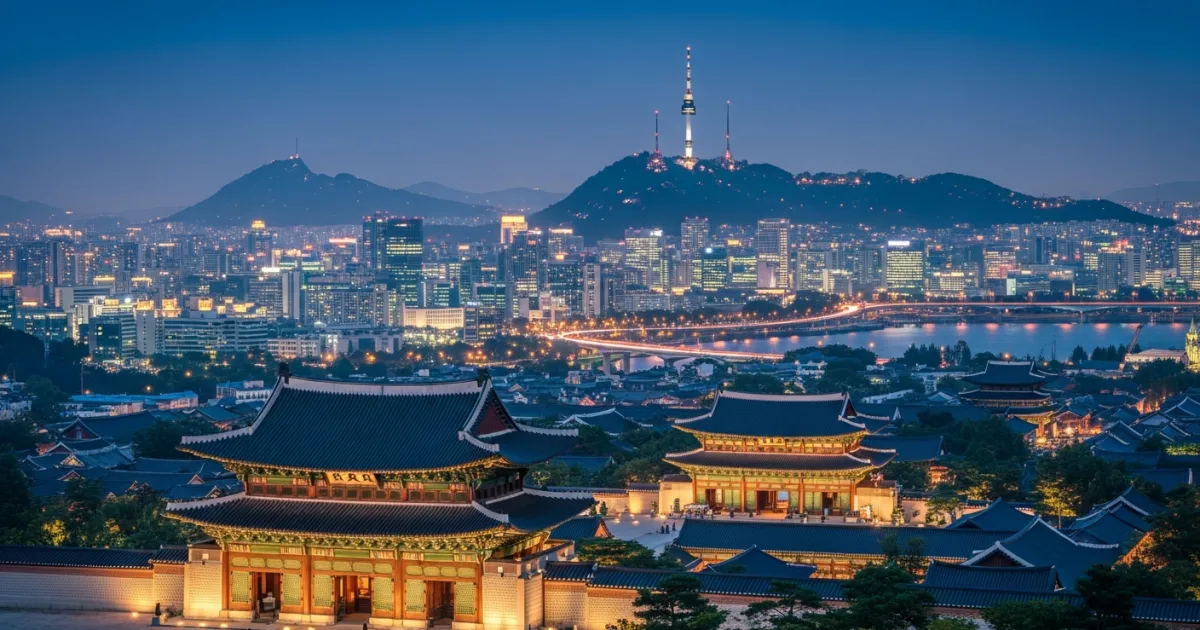
Panoramic view of Seoul skyline at twilight featuring Gyeongbokgung Palace and N Seoul Tower

Seoul Capital Area Overview & Key Highlights

The Seoul Capital Area, also known as Sudogwon, encompasses the special city of Seoul, the surrounding Gyeonggi Province, and the metropolis of Incheon. This massive metropolitan region houses over 25 million residents, making it one of the most populous urban agglomerations in the world. Visitors are drawn to its seamless blend of ancient history and cutting-edge technology, where centuries-old palaces stand alongside towering skyscrapers. The area serves as the political, cultural, and economic heart of South Korea, offering an unparalleled density of attractions. Navigating the region is highly efficient thanks to the extensive and integrated Seoul Metropolitan Subway system. Travelers can easily transition from exploring the historic Bukchon Hanok Village in central Seoul to hiking the scenic trails of Bukhansan National Park or visiting the coastal attractions of Incheon. Culinary experiences range from bustling street food stalls in Myeongdong to high-end Michelin-starred dining in Gangnam. The region's dynamic seasonal changes, particularly the spring cherry blossoms and autumn foliage, provide distinct atmospheres for exploration throughout the year.

Seoul Capital Area Travel Guide: Logistics & In-Depth Tips

The Seoul Capital Area is a dynamic fusion of the past and the future. In the heart of Seoul, you can wander through the serene grounds of Gyeongbokgung Palace, then cross the street to find yourself amidst the contemporary architecture of Gwanghwamun Square. The Han River bisects the city, offering expansive parks that serve as communal backyards for millions of residents. Beyond the city limits, Gyeonggi Province surrounds Seoul with a mix of satellite cities, historical fortresses like Suwon Hwaseong, and lush natural escapes. Incheon, to the west, provides a coastal contrast with its bustling port, historic Chinatown, and ultra-modern Songdo International Business District.

Culturally, the region is the epicenter of the 'Hallyu' or Korean Wave, drawing fans of K-pop, K-dramas, and Korean cinema from around the globe. Shopping is a serious pursuit here, ranging from the luxury boutiques of Cheongdam-dong to the 24-hour wholesale markets of Dongdaemun. Despite its rapid modernization, the area retains a deep connection to its roots, visible in the numerous Buddhist temples tucked away in mountain folds and the preservation of traditional Hanok villages. Whether you are seeking high-energy nightlife, deep historical immersion, or culinary adventures, the Seoul Capital Area delivers an exhaustive array of experiences.

Reasons to Visit

  • World-class public transportation makes exploring the vast region incredibly easy and affordable.
  • A unique juxtaposition of ancient palaces and futuristic skyscrapers.
  • An unparalleled food scene, from vibrant street food markets to high-end gastronomy.
  • The epicenter of global pop culture, offering immersive K-pop and K-drama experiences.
  • Excellent shopping districts catering to all budgets and styles, many open late into the night.
  • Surrounded by accessible mountains, offering great hiking opportunities right within the city limits.

Things to Avoid

  • Avoid taking taxis during rush hour (7-9 AM and 6-8 PM) as traffic can be gridlocked; use the subway instead.
  • Do not leave your chopsticks sticking vertically out of a bowl of rice, as it resembles incense at a funeral.
  • Avoid speaking loudly on public transportation, as it is considered disrespectful to other passengers.
  • Do not rely solely on Google Maps for walking or driving directions; use local apps like Naver Map or KakaoMap instead.
  • Avoid wearing shoes inside traditional restaurants or homes; always check if you need to take them off at the entrance.

Local Transportation Tips

The Seoul Metropolitan Subway is the lifeblood of the region, boasting one of the most extensive, clean, and efficient networks in the world. It connects Seoul, Incheon, and Gyeonggi-do seamlessly. To use it, purchase a T-money card from any convenience store and load it with cash. This card also works on the extensive bus network and in taxis. For navigation, download Naver Map or KakaoMap, as Google Maps has limited functionality in South Korea due to national security laws. Taxis are plentiful and relatively inexpensive, with Kakao T being the preferred ride-hailing app.

Travel Etiquette

  • Bow slightly when greeting someone, especially those older or in a position of authority.
  • Use both hands when giving or receiving items, particularly money or business cards.
  • Wait for the oldest person at the table to start eating before you begin your meal.
  • Do not tip at restaurants or for taxis; it is not part of the culture.
  • Sort your trash meticulously; South Korea has strict recycling and food waste disposal rules.

Recommended Age Group

The Seoul Capital Area is a highly versatile destination that caters to a wide demographic, though the fast pace and sheer size of the city require some consideration for mobility.

  • Babies (0-2 years): Neutral. Navigating crowded subway stations with a stroller can be challenging, though major malls offer excellent nursing facilities.
  • Kids (3-12 years): Recommended. The region features numerous family-friendly attractions like Lotte World, Everland, and interactive children's museums.
  • Teens (13-19 years): Recommended. K-pop culture, trendy shopping districts like Hongdae, and vibrant gaming cafes provide endless entertainment.
  • Adults (20-64 years): Recommended. The mix of nightlife, historical sites, diverse dining, and shopping caters perfectly to adult travelers.
  • Seniors (65+ years): Recommended. Excellent public transportation, accessible major tourist sites, and relaxing traditional tea houses make it comfortable for older visitors.

Accessibility Level: Medium

  • Most major subway stations are equipped with elevators and tactile paving for visually impaired travelers.
  • Modern tourist attractions, museums, and large shopping malls are highly wheelchair accessible.
  • Traditional sites like palaces have made efforts to improve accessibility, offering ramps and wheelchair rentals, though some areas with gravel or uneven stone paths may still pose challenges.
  • Low-floor buses are becoming increasingly common, though they do not yet make up the entire fleet.
  • Accessible restrooms are widely available in public buildings, subway stations, and department stores.

Did You Know?

Did you know that the Seoul Capital Area is home to half of South Korea's entire population? Despite covering only about 12% of the country's land area, this bustling metropolis is the economic and cultural engine of the nation, generating a significant portion of its GDP.

Cool Statistics

  • Population: Over 25 million people in the metropolitan area.
  • Subway Ridership: The Seoul subway system handles over 7 million passengers daily.
  • Palaces: Seoul is home to Five Grand Palaces built during the Joseon Dynasty.
  • Internet Speed: South Korea consistently ranks among the top countries globally for average internet connection speed.
  • Bridges: There are over 30 bridges crossing the Han River within the capital area.

Address:

Seoul Capital Area, South Korea

Find Nearby Accommodations

Basic Info

address icon

COUNTRY & Region

South Korea,
Asia

ACCESSIBILITY LEVEL​

Medium
Currency icon

LOCAL CURRENCY​

South Korean Won (KRW)
Price level icon
Medium
Safety Level icon

SAFETY LEVEL

Duration icon

Recommended Duration

• 1-7 days
• More than a week

Electricity

electricity icon

Electricity

220-240V, 
60Hz
Plug Socket icon

Plug Type

• Type C (Round pin)
• Type F (Two round pins with earth clips)
Plug types
Click To View Plug Types

Things To Do In Seoul Capital Area

Total: 1

Panoramic view of Seoul at twilight featuring Gyeongbokgung Palace and the modern city skyline.
Seoul spans 605 sq km with 5 UNESCO sites. Plan your trip with our complete 2026 Seoul travel guide and local tips.

Activities To Do In Seoul Capital Area

Best Time To Visit Seoul Capital Area

The best times to visit the Seoul Capital Area are during the spring (April to May) and autumn (September to November). Spring offers mild temperatures and stunning cherry blossoms, while autumn provides crisp air and vibrant fall foliage.

  • Spring (Mar-May): Mild weather, cherry blossom festivals, but occasional yellow dust from the mainland.
  • Summer (Jun-Aug): Hot, humid, and rainy, especially during the monsoon season in July.
  • Autumn (Sep-Nov): Clear skies, comfortable temperatures, and beautiful autumn leaves.
  • Winter (Dec-Feb): Cold and dry, ideal for winter sports in nearby Gyeonggi-do, but requires heavy winter gear.

Average Temperatures Per Month

Remember to check the weather forecast a few days before the trip and before heading to the airport.

Safety Level icon

Safety Level

The Seoul Capital Area is exceptionally safe, with very low rates of violent crime. Petty theft is rare, but standard precautions should still be taken in crowded areas like Myeongdong or Itaewon. Be mindful of traffic, as scooters often drive on sidewalks. During the summer monsoon season, be aware of potential localized flooding.

The rating is based on multi-year peace, crime, and security indices. Before you go, always verify current conditions through official government travel advisories.

Emergency Numbers

Police: 112 (Universal)
Ambulance: 119

No internet needed • Includes local translations • Free for TravelingWiz readers

Spoken Languages

Korean is the official language. English is widely taught and understood by younger generations and in major tourist areas, though proficiency varies. Signage in public transport is almost always bilingual (Korean and English).

Learn The Language

  • Hello – 안녕하세요 (Annyeonghaseyo)
  • Thank you – 감사합니다 (Gamsahamnida)
  • Yes – 네 (Ne)
  • No – 아니요 (Aniyo)
  • How much is it? – 얼마예요? (Eolmayeyo?)
  • Where is the bathroom? – 화장실이 어디예요? (Hwajangsiri eodiyeyo?)
  • Excuse me – 실례합니다 (Sillyehamnida)
  • Delicious – 맛있어요 (Masisseoyo)
Travel Booking Partner - TravelingWiz

Trip Cost & Budgeting for Seoul Capital Area, 2026

Everything you need to know about money while traveling
Is Seoul Capital Area expensive for tourists in 2026? Seoul is moderately priced for international travelers. Expect to pay around 5,500 KRW for a cappuccino, 5,000 KRW for a domestic beer, and 15,000 KRW for a standard main meal. With our Human Verified prices, you can enjoy great dining and transit reasonably. Use the data table below to calculate your specific daily budget based on your travel style.
Currency icon

LOCAL CURRENCY​:

South Korean Won (KRW)
Price level icon
Medium
Credit cards are accepted nearly everywhere in Seoul, though cash is useful for revaluing transit cards and street markets.

Per person, per day – pocket cash for small purchases.

Local: 17850
South Korean Won (KRW)
≈ 13 USD

Full daily spend estimation (accommodation, food, transportation, attractions).

Travel Style
South Korean Won (KRW)
≈ USD ($)
Budget
98200
70
Mid-range
178550
126
Comfort
392800
278

The Prices, Daily costs, and calculator results are estimates for planning purposes only. Actual costs may vary based on season, booking timing, personal spending habits, and currency fluctuations. TravelingWiz cannot be held responsible for discrepancies between these estimates and your final trip expenses.

  • • Buy a T-Money card for discounted subway fares and seamless transfers across public transportation.
  • • Eat at traditional street markets or neighborhood bunsik diners for budget-friendly meals under 10,000 KRW.
  • • Take advantage of free admission to city parks, Han River recreational areas, and select museum galleries.
  • • Top up transit cards with small cash amounts at subway stations or convenience stores to avoid extra card fees.

Pre-Order Tickets

Avoid disappointment when tickets sell out — and skip the long lines by booking online in advance. You’ll often save up to 20% too.
Save up to 20%

Travel Discounts & Coupons

Save on hotels, attractions, transport, and gear — find verified discounts for smarter travel spending.
Verified Coupons

What To Pack

  • Comfortable walking shoes for extensive subway transfers and hilly terrain.
  • A universal power adapter for Type C or F outlets.
  • Layered clothing to accommodate distinct seasonal temperature shifts.
  • A T-money card (purchased locally) for seamless public transit access.
  • A lightweight daypack for carrying essentials during long city explorations.
We couldn't find tips for Seoul Capital Area.
If you got any, please share

Recommended Itineraries for Traveling to Seoul Capital Area

We couldn't find itineraries for Seoul Capital Area.
you can contact us for custom trip plan

Food & Drink Highlights

Local Food Overview

The culinary scene in the Seoul Capital Area is a vibrant mix of traditional Korean flavors and modern fusion. From sizzling street food like tteokbokki (spicy rice cakes) and hotteok (sweet pancakes) to elaborate royal court cuisine and world-renowned Korean BBQ, the region is a paradise for food lovers. Fermentation plays a key role, with kimchi accompanying almost every meal.
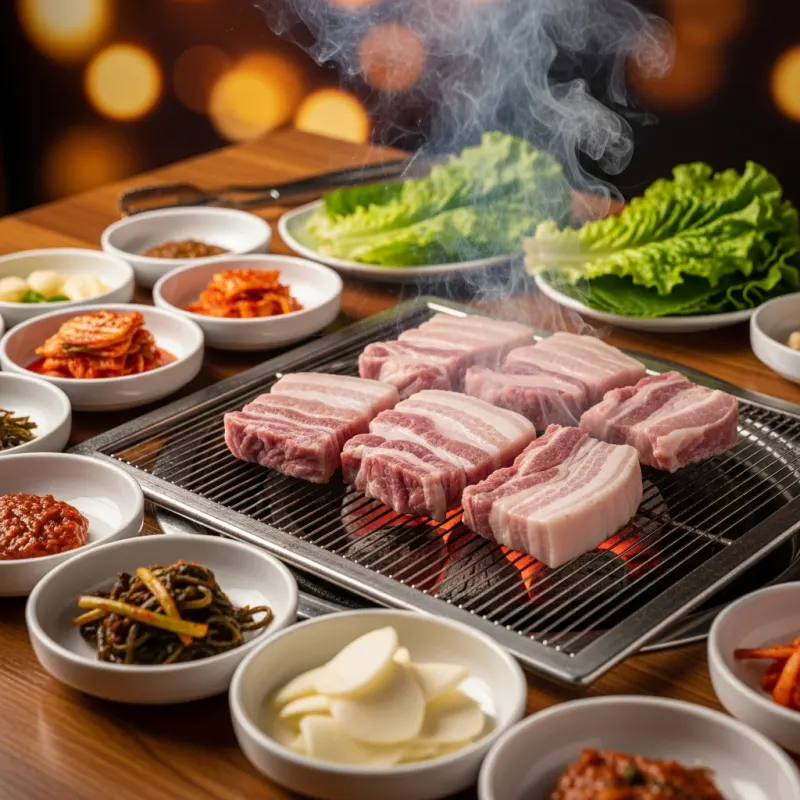
Sizzling Samgyeopsal pork belly on a Korean BBQ grill with side dishes

Must Try Dish

Samgyeopsal (Grilled Pork Belly) - Thick, fatty slices of pork belly are grilled directly at your table, often accompanied by garlic, kimchi, and various side dishes. Diners wrap the grilled meat in lettuce or perilla leaves with a dab of ssamjang (a spicy paste) for a perfect, savory bite.
Food Experiences Title Icon

Food
Experiences

Discover cooking classes, tastings and local food tours

No food experience found
Maya, the human travel expert at TravelingWiz, offering curated, non-AI expertise

Maya’s Final Checklist for Seoul Capital Area

Logistics shouldn’t be the focus of your trip—the experience should. I’ve hand-vetted these essential partners to ensure your arrival, stay, and exploration are as smooth as an Athenian breeze.

Where to Stay

From boutique hotels to local apartments—compare thousands of options and find the perfect stay in the best neighborhood.

Air Travel

Getting there should be seamless. Compare the best routes and prices across top airlines to start your journey on the right note.

Local Guides

Connect with experts who know the destination best. Get personalized advice and insider tips to help you plan your perfect trip.

Travel Protection

The “Engineer’s” rule: always have a backup. Secure your trip with a plan that covers every “what if” and unexpected change.

Car Rentals

Explore at your own pace with total freedom. Compare reliable rental options and find the right vehicle for your adventure.

Visa Services

Don’t let paperwork slow you down. Get expert assistance with your application to ensure all your entry documents are in order.

FAQs

Many nationalities can enter South Korea visa-free for up to 90 days, but you must apply for a K-ETA (Korea Electronic Travel Authorization) online before your departure.
Yes, the public transportation system is highly intuitive with English signage and announcements. Translation apps like Papago are also incredibly helpful for reading menus and communicating.
The AREX (Airport Railroad Express) is the fastest and most cost-effective way, taking about 43 minutes to reach Seoul Station. Airport limousine buses are also a convenient option for direct hotel drop-offs.
No, tipping is not customary in South Korea and can sometimes be considered rude or confusing. Exceptional service is expected and included in the price.
Yes, the tap water in Seoul (known as Arisu) is safe to drink, though many locals still prefer to drink filtered or bottled water.

Your Insights Matter

TravelingWiz grows through the stories of our community. If you’ve recently explored ,Seoul Capital Area share your tips and stories to help us perfect our guides for the next traveler.

Related Articles

Check out our related articles and blog posts to learn even more about the destination.

No related articles found

Don’t Travel Alone

Share with your friends and family

Where should we send your offline card?

We hate spam just as much as you do

newsletter_consent *