Chiang Mai stands as the premier cultural capital of Northern Thailand, anchoring a highland valley along the Ping River. Originally established by King Mengrai in 1296, the historic city was enclosed by defensive brick walls and a water moat designed to repel Burmese incursions. Today, sections of these restored red-brick gates—notably Tha Phae Gate—frame a walkable urban core where ancient chedis sit alongside quiet residential alleys and artisan coffee roasters.
Beyond the historic perimeter, Chiang Mai transitions into creative arts villages like Baan Kang Wat and the bustling boutique quarters of Nimmanhaemin. The city acts as a springboard for exploring Doi Inthanon National Park, home to Thailand's highest peak, as well as high-altitude tea plantations in Mae Salong and forest retreats. Chiang Mai strikes a rare balance between old-world Lanna traditions, ethical wildlife conservation, and modern digital connectivity.
Reasons to Visit
- Magnificent collection of over 300 historic Lanna-style Buddhist temples including Wat Chedi Luang and Wat Phra Singh.
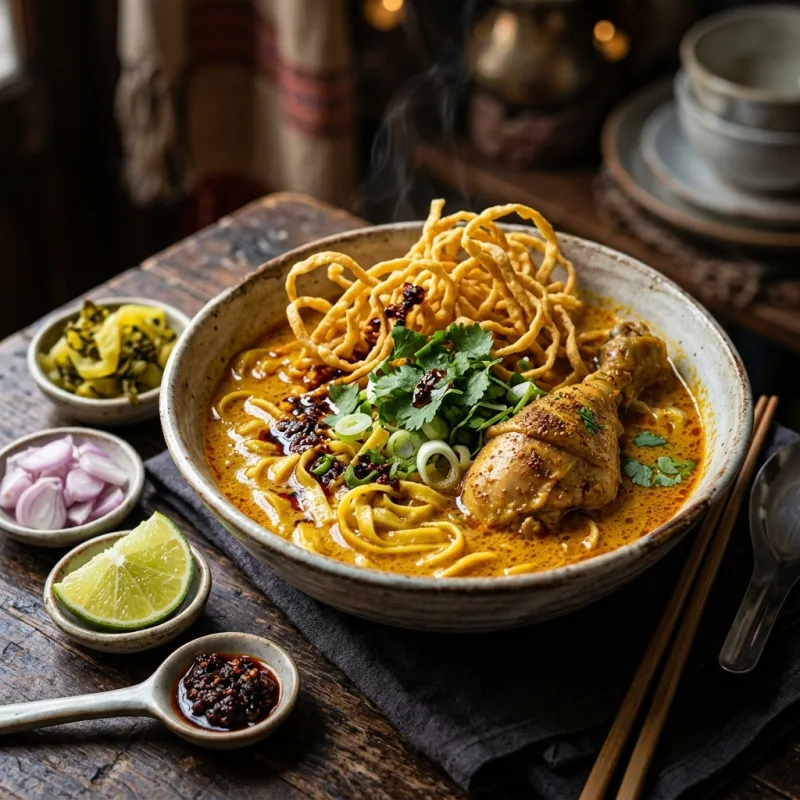
- World-renowned culinary scene highlighted by authentic Khao Soi noodle soup and bustling evening street markets.
- Access to reputable, ethical elephant rescue sanctuaries operating strict hands-off welfare models.
- Affordable base for digital nomads and slow travelers with high-speed internet and countless laptop-friendly cafes.
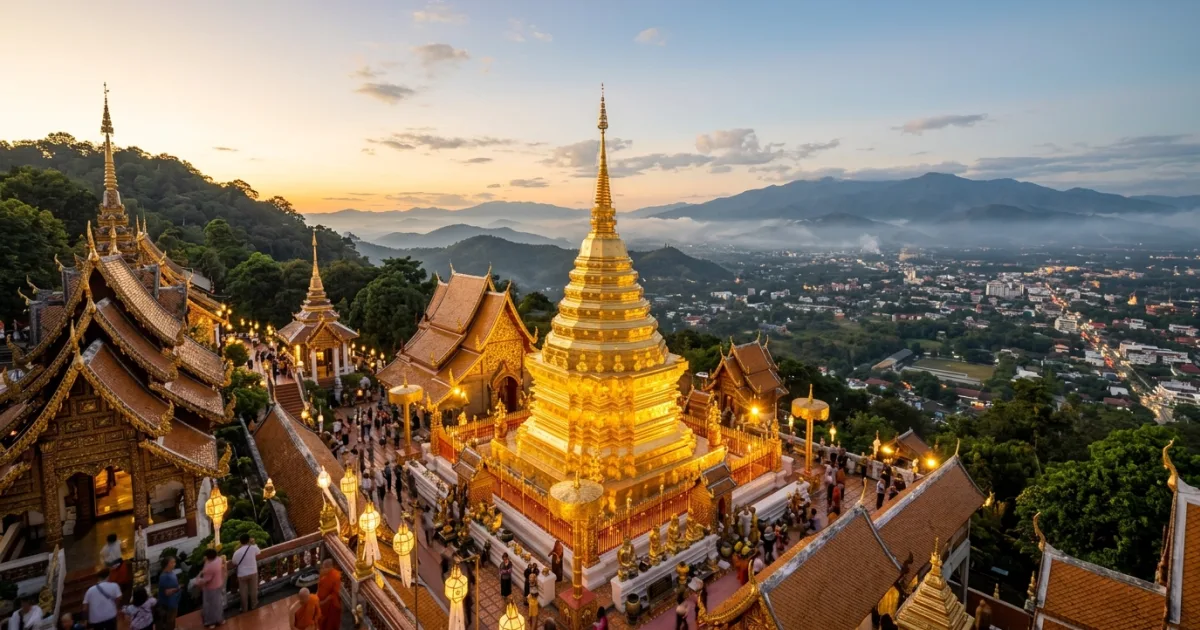
- Panoramic sunrise views over the city from the mountain-perched temple of Wat Phra That Doi Suthep.
Things to Avoid
- Do not support exploitative wildlife attractions offering elephant riding or tiger selfies.
- Avoid booking outdoor-focused trips during the burning season from late February to early April.
- Do not point your bare feet toward Buddha statues, monks, or local elders when seated in temples.
- Never ride a motorbike without a valid motorcycle endorsement, International Driving Permit, and helmet.
- Avoid drinking tap water directly; always opt for filtered or bottled alternatives.
Local Transportation Tips
Chiang Mai lacks a subway or elevated rail system, relying instead on road-based public transit. Songthaews (converted red pickup trucks with bench seating) cruise primary arteries; hail one from the curb, state your destination, and pay the driver 30 to 50 THB upon arrival. Metered taxis are rare outside the airport, but ride-hailing apps Grab and Bolt operate seamlessly across the metropolitan area. Within the 1.5-kilometer square Old City, walking or cycling remains the most rewarding way to discover hidden lanes and courtyard shrines.
Travel Etiquette
- Remove shoes before stepping into temple viharns, private homes, and select local shops.
- Keep voices low inside temple grounds and refrain from touching sacred Buddha statues or relics.
- Address locals with a polite 'wai' (pressing palms together near the chest with a slight bow) when receiving a greeting.
- Refrain from touching anyone on the head, which is considered the most sacred part of the body in Thai culture.
- Stand respectfully if the Thai Royal Anthem plays in public spaces, cinemas, or train stations.
Recommended Age Group
Chiang Mai is an inclusive destination catering broadly across generations thanks to its mild pace and hospitable infrastructure.
- Babies (0-2 years): Neutral. Cobblestone curbs and uneven footpaths make stroller use difficult in parts of the Old City, though private transport and air-conditioned cafes are abundant.
- Kids (3-12 years): Recommended. Children enjoy interactive cooking classes, ethical elephant sanctuary visits, and vibrant lantern festivals.
- Teens (13-19 years): Recommended. Excellent adventure options including mountain trekking, zip-lining, night markets, and waterfall hikes keep teenagers engaged.
- Adults (20-64 years): Recommended. Perfect balance of rich cultural heritage, vibrant food markets, wellness spas, and active outdoor pursuits.
- Seniors (65+ years): Recommended. Affordable private healthcare, flat city center walking routes, relaxing traditional massage spas, and gentle sightseeing make it ideal for mature travelers.
Accessibility Level: Medium
- Main Old City thoroughfares possess sidewalks, but elevated curbs, street vendor stalls, and parked motorbikes frequently obstruct wheelchair access.
- Major historic temples like Wat Phra Singh have installed flat access ramps, though historic chedi structures require stairs.
- Wat Phra That Doi Suthep provides a modern funicular cable car to bypass the steep 306-step Naga staircase.
- Boutique and four-star hotels increasingly offer ground-floor barrier-free rooms with roll-in showers upon request.
Did You Know?
Chiang Mai literally translates to 'New City' in the Northern Thai language, a name given upon its founding in 1296 to differentiate it from Chiang Rai, the previous capital of the Lanna Kingdom.
Cool Statistics
- Chiang Mai Old City is bounded by a nearly perfect 1.5 km by 1.5 km defensive square moat.
- The province hosts Doi Inthanon, Thailand's highest mountain peak at 2,565 meters (8,415 feet) above sea level.
- Over 30,000 international remote workers and digital nomads reside in the city annually.






Buy a compatible power adapter for your trip