Chiang Rai combines deep heritage with an inventive artistic renaissance. Originally founded in the 13th century by King Mangrai, the city retains deep roots in the ancient Lanna culture, evidenced by tranquil wooden viharns and serene riverside monasteries. Over recent decades, Chiang Rai has transformed into an open-air canvas for prominent national artists such as Chalermchai Kositpipat and Thawan Duchanee, whose monumental works challenge classical Buddhist iconography with contemporary surrealism.
Surrounding the urban perimeter, the province unfurls into dramatic karst topography, terraced mountain agriculture, and tranquil ethnic minority settlements. The convergence of Thai, Burmese, and Chinese traditions—most visible in the highland tea outposts of Doi Mae Salong—lends Chiang Rai a distinct regional identity that differs notably from the urban bustle of Bangkok or Chiang Mai.
Reasons to Visit
- Visionary Modern Temples: Witness the dazzling mirrored plasterwork of Wat Rong Khun (White Temple) and the glowing sapphire interiors of Wat Rong Suea Ten (Blue Temple).
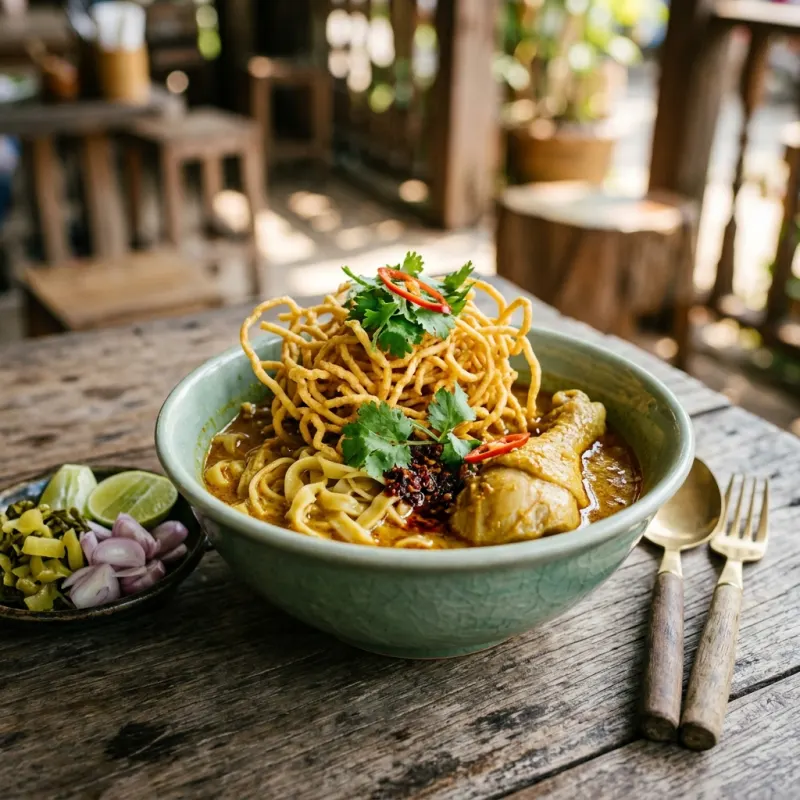
- Authentic Lanna Gastronomy: Savor unique northern dishes like khao soi, sai oua (herbal sausage), and gaeng hang lay (pork belly curry) at authentic street markets.
- Highland Tea and Coffee Culture: Tour scenic terraced tea estates in Choui Fong and Doi Chang's Arabica coffee plantations nestled in cool mountain air.
- Gateway to the Golden Triangle: Discover the complex history of the Mekong River basin where Thailand, Laos, and Myanmar intersect.
Things to Avoid
- Unethical Wildlife Attractions: Avoid elephant entertainment camps that promote riding or circus tricks; choose accredited, non-riding ethical sanctuaries instead.
- Traveling During the Burning Season: Avoid planning trips between late February and mid-April when agricultural smoke causes high AQI pollution.
- Disrespectful Temple Attire: Never enter sacred temple grounds with uncovered shoulders, deep necklines, or shorts above the knee.
- Renting Motorbikes Without an IDP: Do not operate scooters without a valid International Driving Permit and motorcycle endorsement, as police checkpoints are regular.
Local Transportation Tips
Navigating Chiang Rai is straightforward. Shared songthaews operate fixed routes from the Old Bus Station in the town center to outer districts. For custom itineraries, Grab is widely active and offers upfront pricing. Metered taxis are available primarily at Mae Fah Luang International Airport (CEI). Motorbike rentals (200–300 THB per day) provide excellent autonomy for confident riders visiting outlying attractions, while chartered private vans are ideal for families.
Travel Etiquette
- Perform the Wai: Greet locals by placing your palms together at chest level with a slight bow.
- Respect Buddha Imagery: Never climb, touch casually, or point your feet toward any Buddha statue or monk.
- Head and Feet Decorum: The head is considered sacred and the feet spiritually lowest; avoid touching anyone's head and never point your feet at people.
- Remove Footwear: Take off your shoes before entering homes, sacred temple halls, and certain boutique shops.
Recommended Age Group
Chiang Rai caters well to travelers seeking culture, nature, and peaceful road trips, with specific considerations by age demographic.
- Babies (0-2 years): Neutral. Uneven sidewalks, temple steps, and rural terrain make stroller navigation challenging, though Thai hospitality toward infants is warm.
- Kids (3-12 years): Recommended. Children enjoy interactive art spaces, spacious botanical gardens at Mae Fah Luang, and ethical elephant observation sanctuaries.
- Teens (13-19 years): Recommended. Striking visual landmarks, photography spots, mountain biking routes, and lively night markets appeal strongly to older youth.
- Adults (20-64 years): Recommended. Ideal for cultural explorers, food lovers, trekkers, and road trippers exploring Northern Thailand's heritage.
- Seniors (65+ years): Recommended. The calm pace of life, affordable private drivers, and relaxed riverside resorts make it very comfortable for mature visitors.
Accessibility Level: Medium
- Major modern attractions like the White Temple feature paved approach pathways and dedicated ramps, though some interior sacred thresholds have raised wooden door frames.
- Standard urban footpaths in central Chiang Rai are often uneven with high curbs, making self-propelled wheelchair navigation difficult without assistance.
- Private chartered vans with low-entry steps or wheelchair lifts can be pre-booked through specialized regional tour operators.
- Most mid-range to luxury riverside resorts provide single-story villas or elevator-equipped buildings with accessible common areas.
Did You Know?
The revered Emerald Buddha (Phra Kaew), Thailand's most sacred palladium housed today in Bangkok's Grand Palace, was rediscovered in Chiang Rai in 1434 after lightning struck an ancient stupa at Wat Phra Kaew, revealing the hidden masterpiece inside the cracked stucco.
Cool Statistics
- 1262: The year Chiang Rai was established as the primary capital of the Lanna Kingdom.
- 1997: The year artist Chalermchai Kositpipat began constructing the world-famous White Temple (Wat Rong Khun).
- 580 meters: The approximate elevation of the surrounding valley floor, contributing to cooler winter nights than central Thailand.






Buy a compatible power adapter for your trip