Central Vietnam is geographically and culturally distinct, acting as the transitional zone between the Red River Delta in the north and the Mekong Delta in the south. The region is dominated by the Truong Son mountain range, which runs parallel to the coast and creates dramatic landscapes where lush green peaks drop steeply into the East Sea. This topography not only provides breathtaking scenery but also creates distinct microclimates; the Hai Van Pass, a mountainous stretch of highway, famously acts as a weather divide between the cooler north and the warmer south.
Historically, Central Vietnam is a treasure trove of ancient civilizations and imperial legacies. It was the heartland of the Champa Kingdom, whose Hindu-influenced brick temples can still be explored at the UNESCO World Heritage site of My Son Sanctuary. Later, the city of Hue became the political and cultural capital of Vietnam under the Nguyen Dynasty (1802–1945). Today, visitors can wander through the imposing Imperial City and the elaborate royal tombs scattered along the Perfume River. Further south, the ancient town of Hoi An offers a glimpse into a bustling 15th-century Southeast Asian trading port, with its impeccably preserved wooden merchant houses, colorful lanterns, and vibrant tailoring industry.
Reasons to Visit
- UNESCO World Heritage Sites: Explore the Imperial City of Hue, the ancient town of Hoi An, the My Son Sanctuary, and the spectacular Phong Nha-Ke Bang National Park.
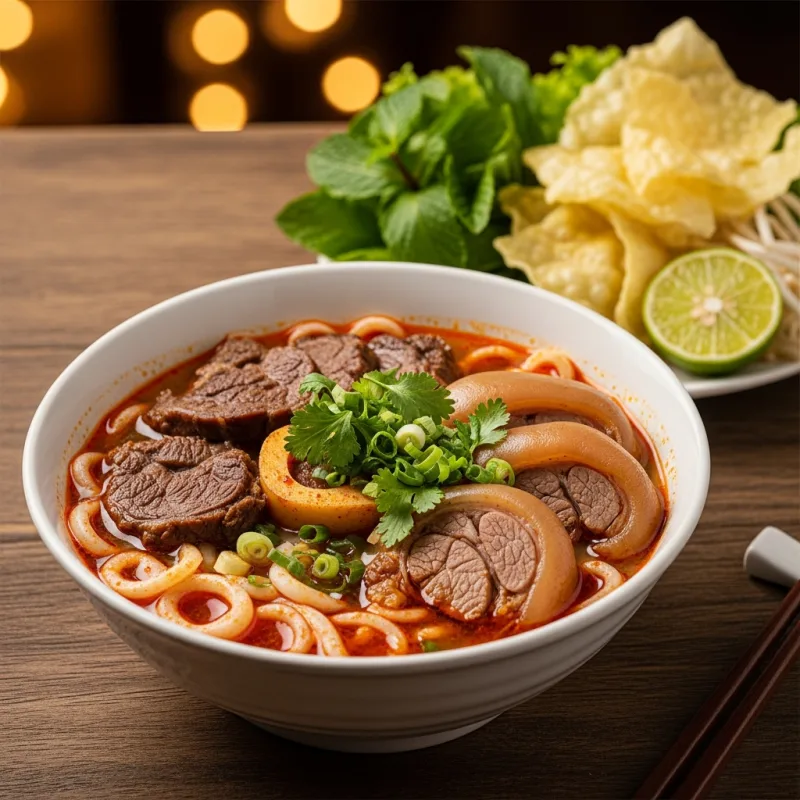
- Culinary Excellence: Taste some of Vietnam's most famous regional dishes, including Bun Bo Hue, Mi Quang, and Cao Lau.
- Spectacular Landscapes: Drive the breathtaking Hai Van Pass, relax on the pristine beaches of Da Nang, and venture into the world's largest cave systems.
- Cultural Immersion: Experience traditional lantern-making, rural farming tours, and vibrant local markets.
Things to Avoid
- Avoid drinking tap water; always opt for bottled or properly filtered water.
- Do not rent a motorbike if you lack experience, as local traffic rules and road conditions can be challenging.
- Avoid traveling during the peak of typhoon season (October and November) if your itinerary relies heavily on outdoor activities.
- Refrain from wearing revealing clothing when visiting temples, pagodas, or historical sites.
- Avoid unmetered taxis; stick to reputable companies like Mai Linh or Vinasun, or use the Grab app.
Local Transportation Tips
Getting around Central Vietnam is relatively straightforward thanks to a mix of modern infrastructure and traditional transport options. Da Nang International Airport serves as the main aviation hub, connecting the region to major Asian cities. For intercity travel, the Reunification Express train offers a scenic and comfortable journey, particularly on the coastal route between Da Nang and Hue. Ride-hailing apps like Grab are ubiquitous in urban areas, providing cheap and reliable car and motorbike taxis. For ultimate freedom, renting a motorbike is highly popular among travelers, especially for tackling the famous Hai Van Pass, though it requires caution and proper licensing.
Travel Etiquette
- Dress modestly when visiting religious and historical sites; ensure shoulders and knees are covered.
- Remove your shoes before entering a local home or certain sections of temples.
- Use both hands when giving or receiving items, especially money or business cards, as a sign of respect.
- Avoid public displays of affection, which are considered inappropriate in traditional Vietnamese culture.
- Do not touch anyone on the head, as it is considered the most sacred part of the body in Buddhist culture.
- Bargain politely and with a smile at local markets; it is expected, but getting angry is frowned upon.
Recommended Age Group
Central Vietnam offers a diverse range of activities that cater to various age groups, though the tropical climate and historical terrain require some consideration.
- Babies (0-2 years): Neutral. While locals are incredibly welcoming to infants, stroller accessibility is limited in ancient towns and nature parks, and the heat can be intense.
- Kids (3-12 years): Recommended. Beautiful beaches in Da Nang, lantern-making classes in Hoi An, and easy boat rides make it highly engaging for children.
- Teens (13-19 years): Recommended. Adventure activities like exploring the Phong Nha caves, cycling through rice paddies, and water sports offer high engagement.
- Adults (20-64 years): Recommended. The region provides a perfect blend of culinary exploration, historical sites, motorbike road trips, and vibrant nightlife.
- Seniors (65+ years): Recommended. Slower-paced towns like Hoi An and Hue offer rich history and culture, though some ancient sites have uneven terrain that requires careful navigation.
Accessibility Level: Medium
- Modern resorts and shopping centers in Da Nang generally offer good wheelchair accessibility and elevators.
- Historical sites like the Hue Imperial City and My Son Sanctuary have uneven ground, cobblestones, and steps, making wheelchair navigation challenging.
- Hoi An's ancient town is mostly flat and pedestrian-friendly during certain hours, but narrow sidewalks and lack of curb ramps can be an obstacle.
- Accessible public transportation is limited; hiring a private car with a driver is the most reliable option for travelers with mobility issues.
Did You Know?
Central Vietnam is home to Son Doong Cave, officially recognized as the largest cave passage in the world by volume. Located in Phong Nha-Ke Bang National Park, the cave is so massive that it contains its own localized weather system, an underground river, and a jungle. In some sections, the cavern is large enough to house an entire New York City block, complete with 40-story skyscrapers.
Cool Statistics
- Central Vietnam boasts 4 UNESCO World Heritage Sites within a relatively short distance of each other.
- The Hai Van Pass stretches for 21 kilometers and reaches an elevation of 496 meters above sea level.
- Hoi An Ancient Town features over 800 historically preserved buildings.
- Phong Nha-Ke Bang National Park contains over 300 caves and grottos, with only a fraction currently explored.







Buy a compatible power adapter for your trip