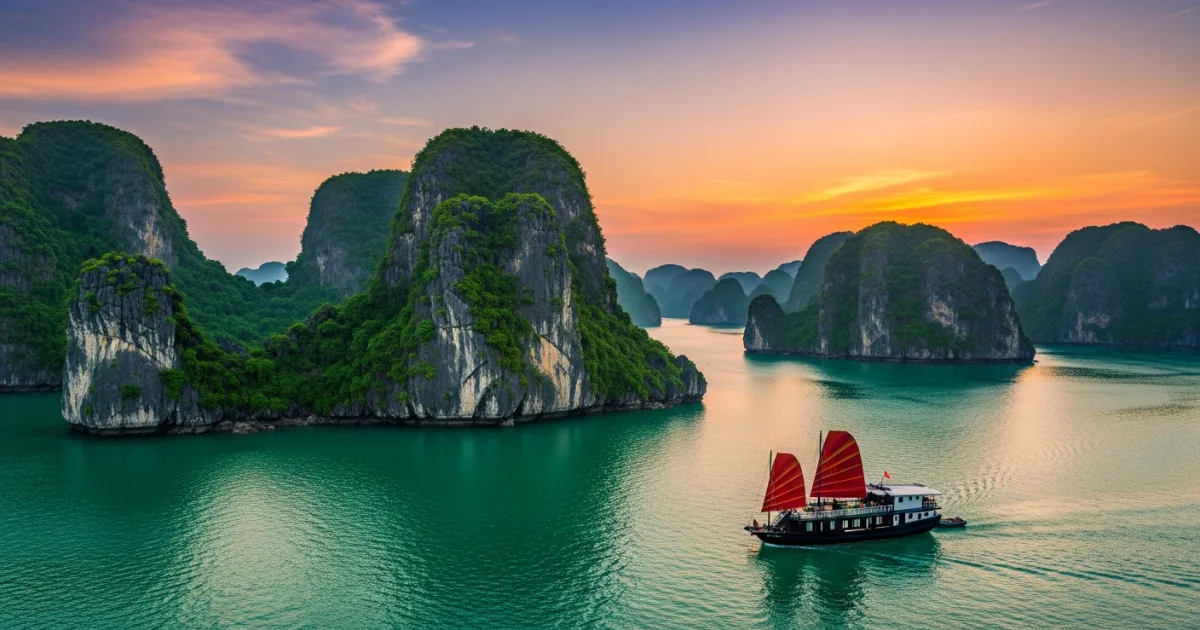
Vietnam is a country of staggering natural beauty and cultural complexities, of dynamic megacities and hill-tribe villages. The country's geography plays a massive role in its diversity; shaped like an elongated 'S', it boasts over 3,000 kilometers of coastline. In the north, the capital city of Hanoi retains a blend of French colonial architecture and ancient Vietnamese culture, serving as the gateway to the breathtaking limestone islands of Ha Long Bay and the terraced rice fields of Sapa. Central Vietnam is the historical heartland, home to the imperial city of Hue and the exceptionally well-preserved trading port of Hoi An, famous for its tailors and lantern-lit nights.
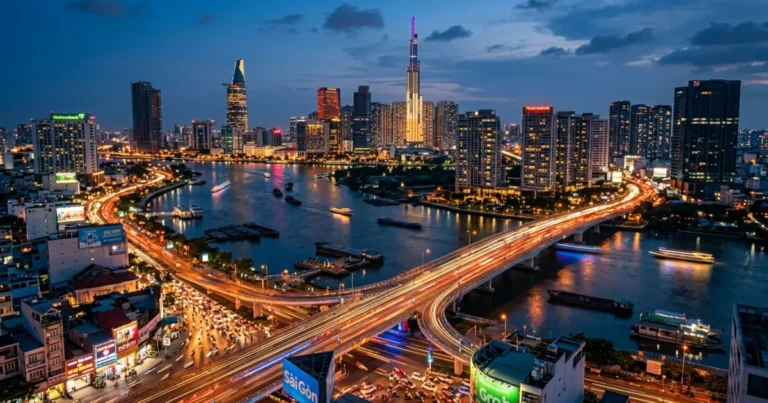
Down south, Ho Chi Minh City (formerly Saigon) pulses with a frenetic, entrepreneurial energy, characterized by sleek skyscrapers towering over ornate temples and bustling street markets. Beyond the urban sprawl lies the Mekong Delta, a vast maze of rivers, swamps, and islands where life revolves entirely around the water. Throughout the country, the scars of the 20th century are visible but have been woven into a narrative of resilience and rapid modernization. For travelers, Vietnam offers an intoxicating mix of sensory experiences, from the roar of millions of motorbikes to the serene silence of a Buddhist pagoda, all tied together by some of the most vibrant and delicious food in the world.
Reasons to Visit
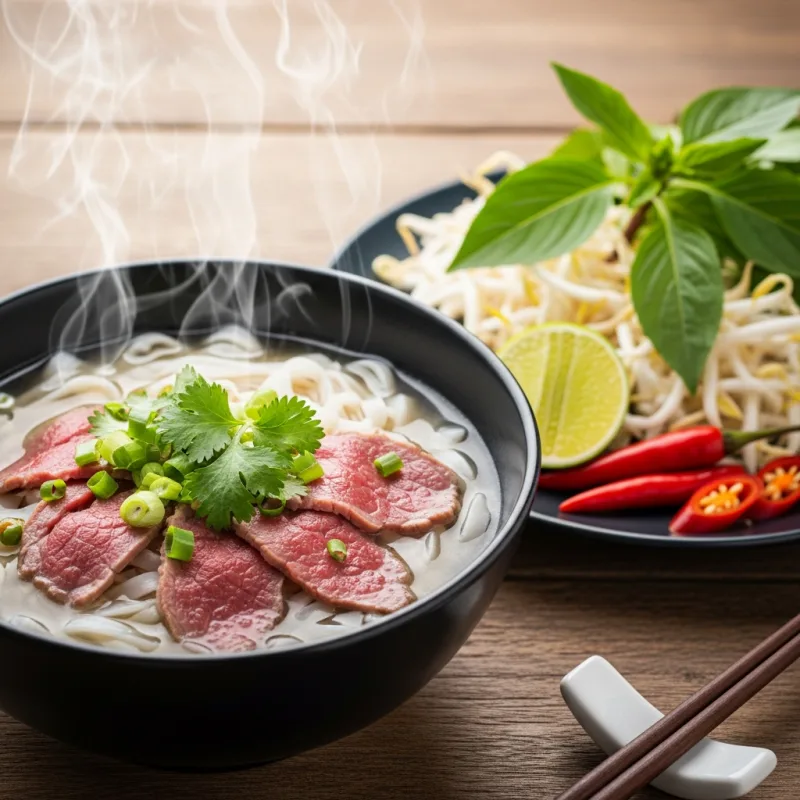
- Culinary Excellence: Experience world-renowned street food, from steaming bowls of Pho to crispy Banh Mi sandwiches.
- Diverse Landscapes: Explore everything from the towering limestone karsts of Ha Long Bay to the sweeping sand dunes of Mui Ne.
- Rich History: Visit ancient imperial citadels, French colonial buildings, and poignant Vietnam War historical sites like the Cu Chi Tunnels.
- Affordability: Enjoy high-quality travel experiences, accommodations, and dining at a fraction of the cost of Western destinations.
- Cultural Immersion: Engage with diverse ethnic minority groups in the northern highlands and experience traditional village life.
Things to Avoid
- Drinking Tap Water: Always opt for bottled or properly filtered water to avoid waterborne illnesses.
- Disrespecting Temples: Avoid wearing shorts, tank tops, or revealing clothing when visiting religious sites.
- Public Displays of Affection: Vietnamese culture is relatively conservative; overt public displays of affection are frowned upon.
- Losing Your Temper: 'Saving face' is important in Vietnamese culture. Raising your voice or getting visibly angry will not help resolve issues.
- Unmetered Taxis: Avoid hailing random taxis on the street to prevent overcharging; use reputable companies like Mai Linh or Vinasun, or ride-hailing apps like Grab.
Local Transportation Tips
Getting around Vietnam is an adventure in itself. For long distances, domestic flights are affordable and efficient, connecting major hubs like Hanoi, Da Nang, and Ho Chi Minh City. The Reunification Express train runs the length of the country, offering a scenic, albeit slow, way to travel between regions. For shorter intercity trips, sleeper buses are a popular and budget-friendly option. Within cities, the ride-hailing app Grab is indispensable for booking both cars and motorbike taxis safely and transparently. Renting a motorbike is a rite of passage for many backpackers, but it requires extreme caution, a valid international driving permit, and confidence in chaotic traffic.
Travel Etiquette
- Remove your shoes before entering someone's home or certain areas of temples and pagodas.
- Pass items, especially money, with both hands as a sign of respect.
- Do not touch anyone on the head, as it is considered the most sacred part of the body in Buddhist culture.
- When using chopsticks, do not leave them sticking vertically out of a bowl of rice, as this resembles incense burned for the dead.
- Ask for permission before taking close-up photographs of local people, especially in rural or ethnic minority villages.
Recommended Age Group
Vietnam offers a dynamic and diverse environment that caters to various age groups, though its bustling nature requires some consideration.
- Babies (0-2 years): Neutral. The tropical heat, humidity, and lack of stroller-friendly sidewalks can be challenging, though locals are incredibly welcoming to infants.
- Kids (3-12 years): Recommended. Children will be fascinated by water puppet shows, beach resorts, boat rides in the Mekong, and the general vibrancy of the country.
- Teens (13-19 years): Recommended. Older kids will love the adventure activities, street food tours, cycling through rice paddies, and exploring historical tunnels.
- Adults (20-64 years): Recommended. The rich history, bustling nightlife, culinary depth, and diverse landscapes offer endless exploration for adult travelers.
- Seniors (65+ years): Recommended. Slower-paced tours, luxury river cruises, and rich cultural heritage are highly accessible, though uneven terrain and chaotic traffic require care.
Accessibility Level: Medium
- Accessibility in Vietnam is currently limited but slowly improving in major tourist hubs and high-end hotels.
- Sidewalks in major cities like Hanoi and Ho Chi Minh City are often uneven, crowded with parked motorbikes, or non-existent, making wheelchair navigation difficult.
- Many historical sites, temples, and traditional restaurants have steps and lack ramps or elevators.
- Modern shopping malls, international airports, and luxury resorts generally offer good barrier-free facilities and accessible restrooms.
- Travelers with mobility issues are highly encouraged to book specialized accessible tours that provide adapted vehicles and knowledgeable guides to navigate the logistical challenges.
Did You Know?
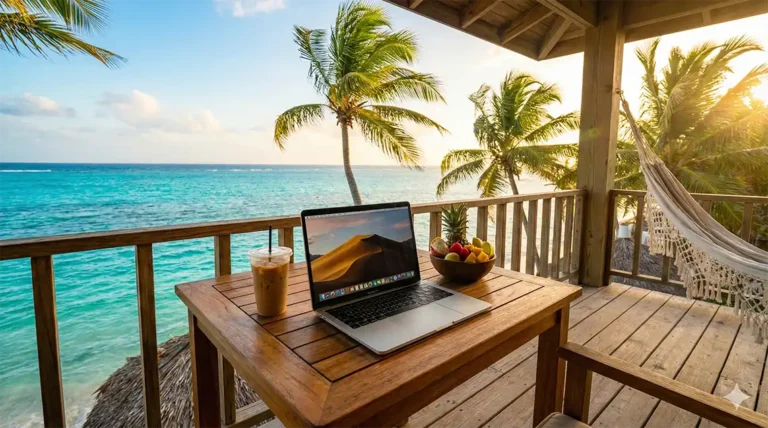
Vietnam is the world's second-largest producer of coffee, trailing only behind Brazil. The country is particularly famous for its Robusta beans, which are used to make the strong, distinctive Vietnamese iced coffee (Cà phê sữa đá), traditionally brewed through a small metal drip filter and mixed with sweetened condensed milk.
Cool Statistics
- Vietnam has a coastline that stretches for 3,260 kilometers (2,025 miles), excluding islands.
- Son Doong Cave, located in Phong Nha-Ke Bang National Park, is the largest natural cave in the world by volume.
- There are an estimated 45 million registered motorbikes in Vietnam, making it one of the highest motorbike-to-population ratios globally.
- The country is home to 54 officially recognized ethnic groups, with the Kinh people making up about 86% of the population.
- Ha Long Bay features over 1,600 limestone islands and islets rising from the emerald waters of the Gulf of Tonkin.









Buy a compatible power adapter for your trip