Ho Chi Minh City is divided into numbered and named districts, each offering a distinct flavor. District 1 is the beating heart of the city, home to iconic landmarks like the Notre-Dame Cathedral Basilica of Saigon, the Central Post Office, and the bustling Ben Thanh Market. Here, the juxtaposition of old and new is most apparent, with centuries-old pagodas sitting in the shadows of gleaming glass skyscrapers like the Bitexco Financial Tower.
Beyond the central tourist zones, the city reveals its deeper character. District 3 offers a more local vibe with tree-lined streets, colonial villas, and incredible street food alleys. District 5, known as Cholon, is Vietnam's largest Chinatown, featuring atmospheric temples and bustling wholesale markets. For history enthusiasts, the War Remnants Museum provides a sobering look at the Vietnam War, while a day trip to the Cu Chi Tunnels showcases the incredible resilience and ingenuity of the Viet Cong soldiers.
Reasons to Visit
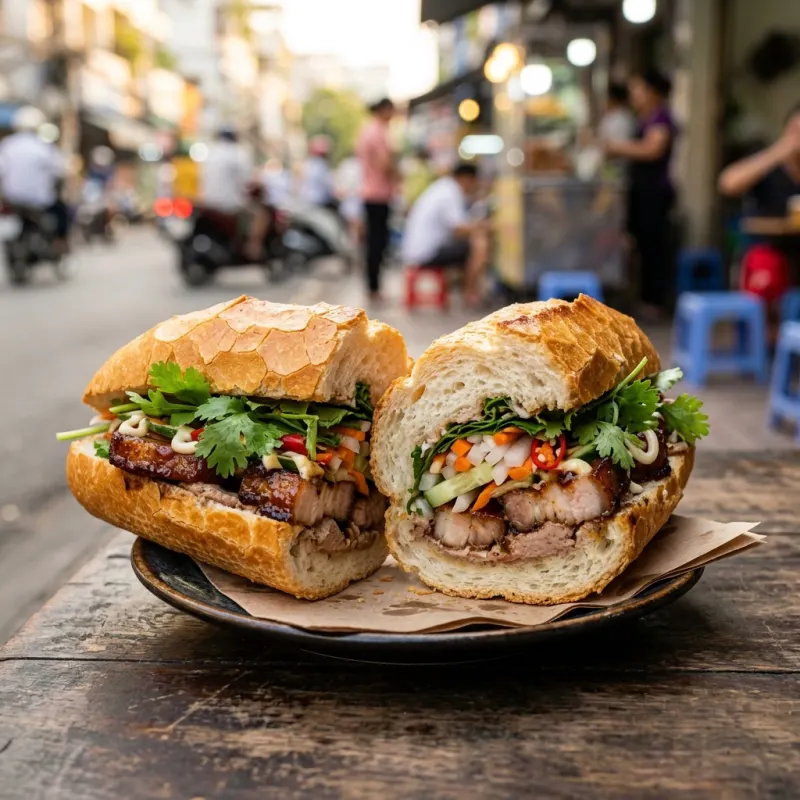
- Culinary Heritage: Experience one of the world's best street food scenes, from Pho and Banh Mi to regional southern specialties.
- Rich History: Explore poignant museums, colonial architecture, and historic wartime tunnel networks.
- Vibrant Nightlife: Enjoy everything from cheap local bia hoi (draft beer) on plastic stools to luxurious rooftop cocktail bars.
- Affordability: Enjoy high-quality food, accommodation, and transport at incredibly budget-friendly prices.
- Coffee Culture: Discover Vietnam's unique coffee scene, featuring robusta beans, sweetened condensed milk, and trendy hidden cafes.
Things to Avoid
- Avoid drinking tap water; stick to bottled or filtered water.
- Do not use unmetered taxis; always use ride-hailing apps like Grab or reputable taxi companies like Vinasun and Mai Linh.
- Avoid walking near the street with your smartphone out to prevent drive-by snatching.
- Do not point your feet at people or religious altars, as it is considered highly disrespectful.
- Avoid public displays of affection, which are frowned upon in traditional Vietnamese culture.
Local Transportation Tips
The most efficient and popular way to get around Ho Chi Minh City is by using the ride-hailing app Grab, which offers both car and motorbike taxi (GrabBike) options. Fares are fixed and transparent. Traditional taxis (Vinasun and Mai Linh) are also reliable if they use the meter. Public buses are incredibly cheap but can be difficult to navigate for short-term visitors due to language barriers and complex routes. Walking is possible in District 1, but the heat and motorbike-cluttered sidewalks can make it challenging.
Travel Etiquette
- Dress modestly when visiting temples and pagodas (shoulders and knees must be covered).
- Remove your shoes before entering someone's home or certain small businesses and temples.
- Pass items, especially money, with both hands as a sign of respect.
- Avoid losing your temper or raising your voice in public, as 'saving face' is an important cultural concept.
- Leave a small tip at higher-end restaurants, though tipping is not traditionally expected at street food stalls.
Recommended Age Group
Ho Chi Minh City is an intense, vibrant destination that caters well to active travelers but can be challenging for those with mobility issues or young children.
- Babies (0-2 years): Neutral. The intense heat, lack of stroller-friendly sidewalks, and chaotic traffic make navigating with an infant challenging.
- Kids (3-12 years): Neutral. While there are parks and water parks, the heavy traffic and lack of pedestrian infrastructure require constant vigilance.
- Teens (13-19 years): Recommended. Teens will love the energetic vibe, incredible street food, and engaging historical sites like the Cu Chi Tunnels.
- Adults (20-64 years): Recommended. Perfect for adults seeking culinary adventures, nightlife, cultural immersion, and budget-friendly luxury.
- Seniors (65+ years): Neutral. The uneven pavements, high humidity, and chaotic traffic require careful planning, though high-end tours and comfortable transport can mitigate these issues.
Accessibility Level: Medium
- Wheelchair accessibility is generally poor due to high curbs, uneven pavements, and sidewalks blocked by parked motorbikes and street vendors.
- Modern shopping malls, luxury hotels, and newer office buildings in District 1 usually offer ramps and accessible restrooms.
- Public transportation is not wheelchair friendly; hiring a private vehicle with a driver is the best option for travelers with mobility issues.
- Major tourist sites like the War Remnants Museum have elevators, but historical sites like the Cu Chi Tunnels are entirely inaccessible for wheelchairs.
Did You Know?
Ho Chi Minh City is home to over 8 million registered motorbikes, meaning there is nearly one motorbike for every resident in the city. The daily flow of two-wheeled traffic is a mesmerizing, chaotic ballet that defines the city's rhythm.
Cool Statistics
- Population: Over 9 million residents in the metropolitan area.
- Name Change: The city was officially renamed from Saigon to Ho Chi Minh City in 1976, following the reunification of Vietnam.
- Tallest Building: Landmark 81 stands at 461.2 meters (1,513 ft), making it the tallest building in Vietnam.
- Coffee Exporter: Vietnam is the second-largest exporter of coffee in the world, heavily driven by the southern region's robusta production.






Buy a compatible power adapter for your trip