Southern Vietnam is geographically and culturally distinct from the rest of the country. It encompasses the bustling Southeast region, anchored by Ho Chi Minh City, and the fertile Southwest region, known globally as the Mekong Delta. The area's history is a complex tapestry of indigenous Khmer roots, centuries of Vietnamese expansion, French colonial rule, and the profound impacts of the Vietnam War (known locally as the American War). Today, it stands as the economic powerhouse of Vietnam, driving innovation while fiercely preserving its agricultural heritage.
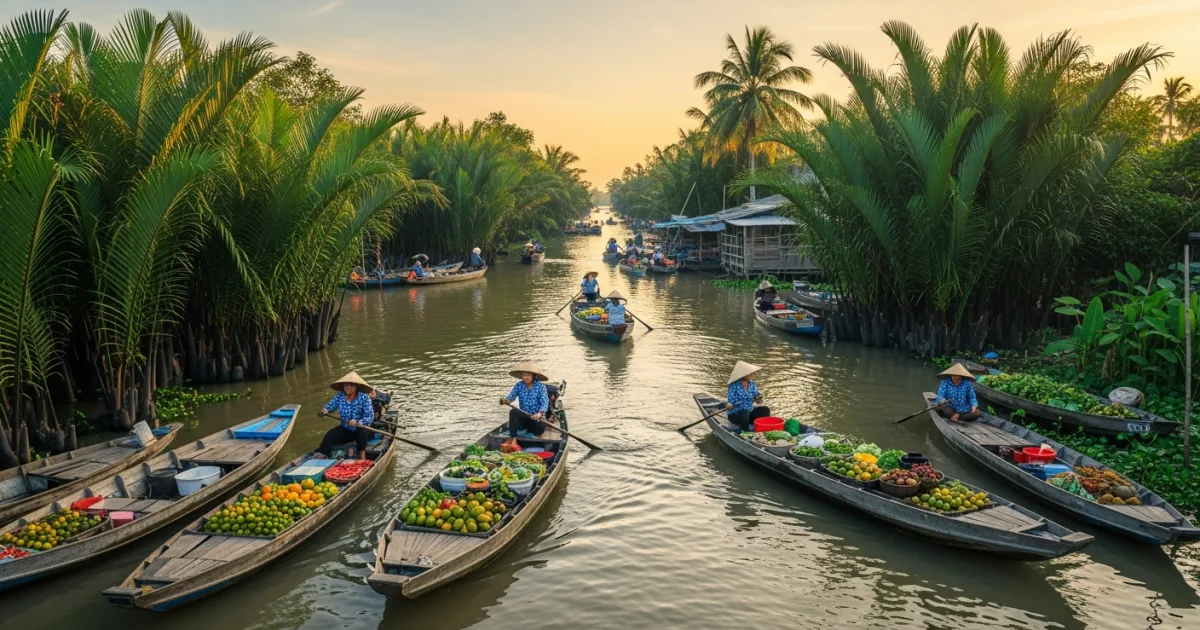
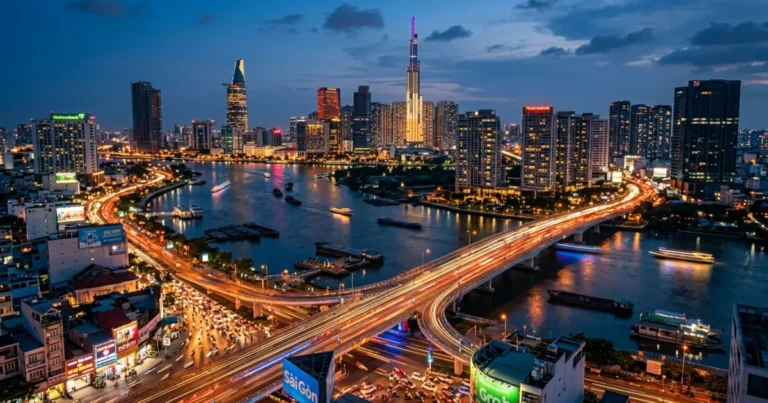
The landscape shifts dramatically from the neon-lit skyscrapers and colonial boulevards of Saigon to the emerald green rice paddies and intricate river networks of the Delta. Coastal areas like Vung Tau, Mui Ne, and the islands of Phu Quoc and Con Dao offer stunning white-sand beaches and world-class marine biodiversity. This diversity makes Southern Vietnam a microcosm of Southeast Asia, offering urban thrills, deep historical insights, and unparalleled natural beauty all within a few hours' travel.
Reasons to Visit
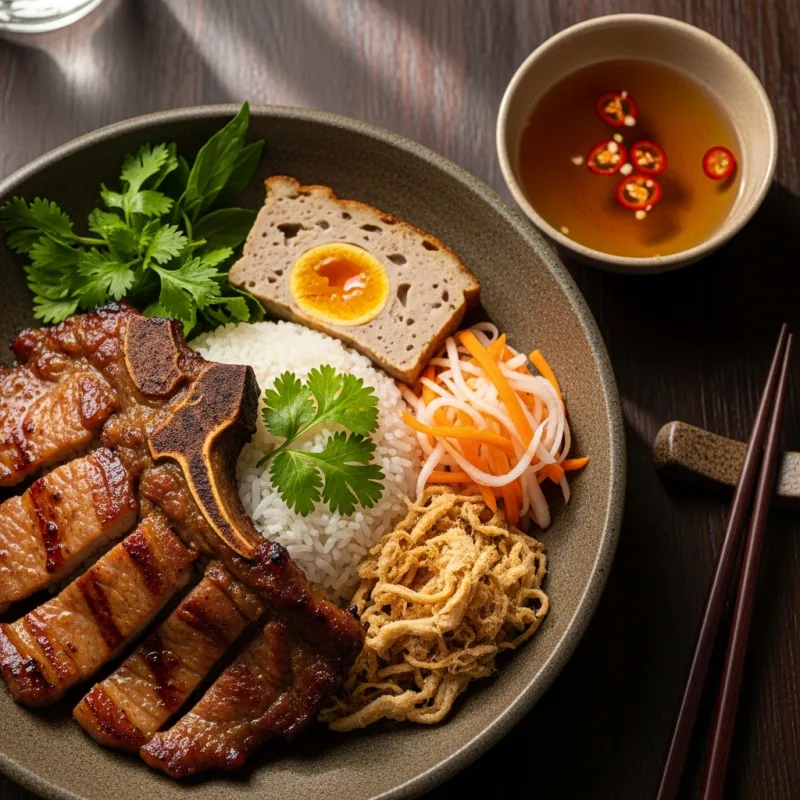
- Culinary Heritage: Experience some of the world's best street food, from steaming bowls of Hu Tieu to crispy Banh Xeo.
- Historical Exploration: Visit the Cu Chi Tunnels and the War Remnants Museum for a sobering look at the region's past.
- The Mekong Delta: Navigate floating markets and lush fruit orchards in the 'Rice Bowl of Vietnam.'
- Tropical Beaches: Relax on the pristine shores of Phu Quoc Island or enjoy the kite-surfing capital of Mui Ne.
- Vibrant Nightlife: Enjoy rooftop bars, craft beer taprooms, and bustling night markets in Ho Chi Minh City.
Things to Avoid
- Unmetered Taxis: Always use reputable companies like Vinasun or Mai Linh, or stick to ride-hailing apps like Grab.
- Drinking Tap Water: Stick to bottled or filtered water to avoid stomach issues.
- Disrespectful Attire: Avoid wearing shorts or tank tops when visiting temples, pagodas, or rural villages.
- Public Displays of Affection: Keep romantic gestures modest, as conservative values are still prevalent, especially outside major cities.
Local Transportation Tips
Getting around Southern Vietnam is an adventure in itself. In Ho Chi Minh City, the most efficient way to travel is via the 'Grab' app, which allows you to book both cars and motorbike taxis at fixed rates. For intercity travel, comfortable sleeper buses are a popular and budget-friendly option, connecting major hubs like HCMC, Can Tho, and Da Lat. Domestic flights are highly recommended for reaching islands like Phu Quoc or Con Dao quickly. In the Mekong Delta, boat travel is essential; you can hire private sampans or join larger cruise boats to navigate the intricate canal systems.
Travel Etiquette
- Remove your shoes before entering someone's home or certain areas of temples.
- Pass items, especially money, with both hands as a sign of respect.
- Avoid pointing your feet at people or religious altars, as feet are considered the lowest part of the body.
- Do not touch anyone on the head, as it is considered the most sacred part of the body.
- Bargain with a smile; negotiations at markets should be friendly, not aggressive.
Recommended Age Group
Southern Vietnam offers diverse experiences that cater to a wide range of ages, though the tropical climate and bustling cities require some consideration.
- Babies (0-2 years): Neutral. The intense heat, humidity, and chaotic traffic can make navigating with a stroller challenging. However, high-end resorts provide excellent facilities for families.
- Kids (3-12 years): Recommended. Children will love the interactive experiences, such as fruit picking in the Mekong Delta, visiting water parks in HCMC, and playing on the beaches of Phu Quoc.
- Teens (13-19 years): Recommended. Older kids will be thrilled by the adventure of exploring the Cu Chi Tunnels, trying water sports in Mui Ne, and experiencing the vibrant street food culture.
- Adults (20-64 years): Recommended. The region offers a perfect mix of deep historical exploration, culinary tours, dynamic nightlife, and adventurous motorbike routes.
- Seniors (65+ years): Recommended. Slower-paced activities like luxury river cruises on the Mekong, accessible historical tours, and relaxing beach resorts provide comfortable and enriching experiences.
Accessibility Level: Medium
- Accessibility in Southern Vietnam can be challenging. Sidewalks in Ho Chi Minh City are often uneven, high, or blocked by parked motorbikes and street vendors.
- Modern shopping malls, high-end hotels, and newer museums generally offer ramps and elevator access.
- Travel in the Mekong Delta involves boarding small boats, which may not be wheelchair accessible without significant assistance.
- It is highly recommended to book specialized accessible tours that can provide adapted vehicles and knowledgeable guides to navigate the infrastructure hurdles.
Did You Know?
The Mekong River, which forms the lifeblood of Southern Vietnam, is the 12th longest river in the world. It flows through six countries—China, Myanmar, Laos, Thailand, Cambodia, and Vietnam—before finally emptying into the South China Sea through a vast network of distributaries known locally as the 'Nine Dragons.'
Cool Statistics
- Ho Chi Minh City is home to an estimated 7.3 million motorbikes, making it one of the most densely motorized cities on earth.
- The Mekong Delta produces over half of Vietnam's rice output and roughly 70% of its fruit.
- Phu Quoc Island boasts a coastline of 150 kilometers, featuring some of the most beautiful beaches in Southeast Asia.
- The Cu Chi Tunnels network stretches for over 250 kilometers underground.







Buy a compatible power adapter for your trip