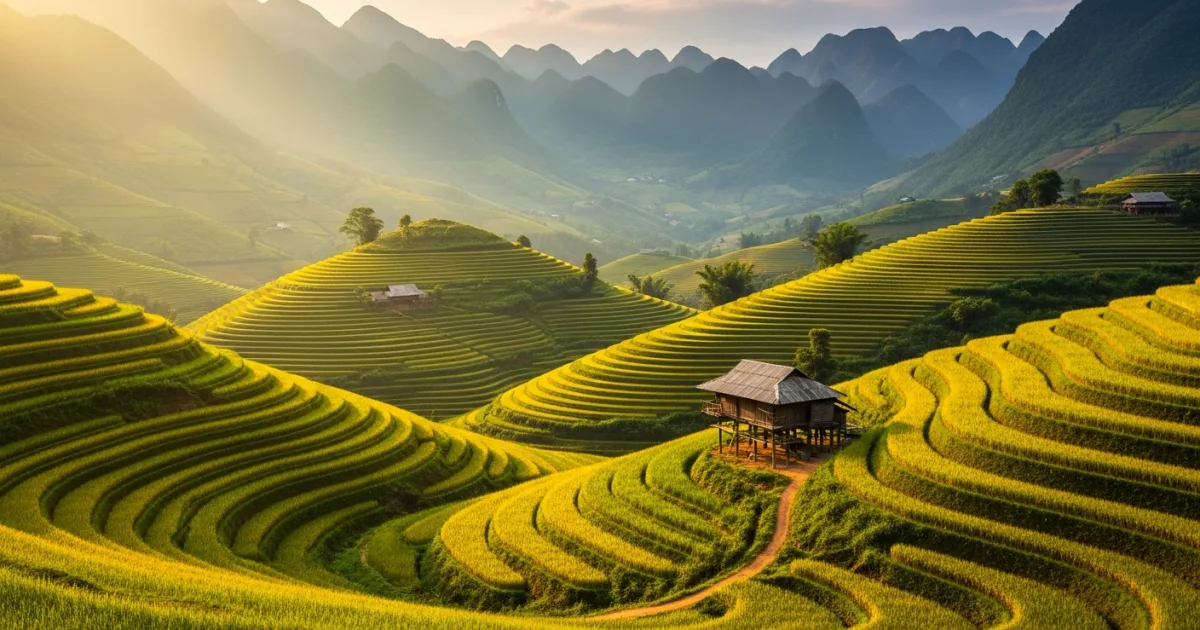
Northern Vietnam is a region of stark contrasts and profound beauty, serving as the cultural and historical heart of the country. The landscape is dominated by the dramatic Tonkinese Alps in the northwest, where terraced rice paddies cascade down steep valleys, and the surreal karst formations of the Gulf of Tonkin in the east. The capital city, Hanoi, acts as the vibrant gateway to the region, blending centuries-old architecture with a rapidly modernizing urban pulse.
Beyond the city limits, the region offers some of Southeast Asia's most compelling adventures. The Ha Giang Loop provides an epic motorcycle journey through jagged mountain passes and ethnic minority villages, while Sapa offers world-class trekking amidst the clouds. For those seeking tranquility, the emerald waters of Halong Bay and Lan Ha Bay invite travelers to cruise past thousands of limestone islands. The deep-rooted traditions, diverse ethnic cultures, and unparalleled culinary heritage make Northern Vietnam a deeply rewarding destination.
Reasons to Visit
- Halong and Lan Ha Bays: Cruise through thousands of towering limestone islands rising from emerald waters, a UNESCO World Heritage site.
- The Ha Giang Loop: Experience one of the most spectacular and thrilling motorbike routes in the world, winding through dramatic mountain passes.
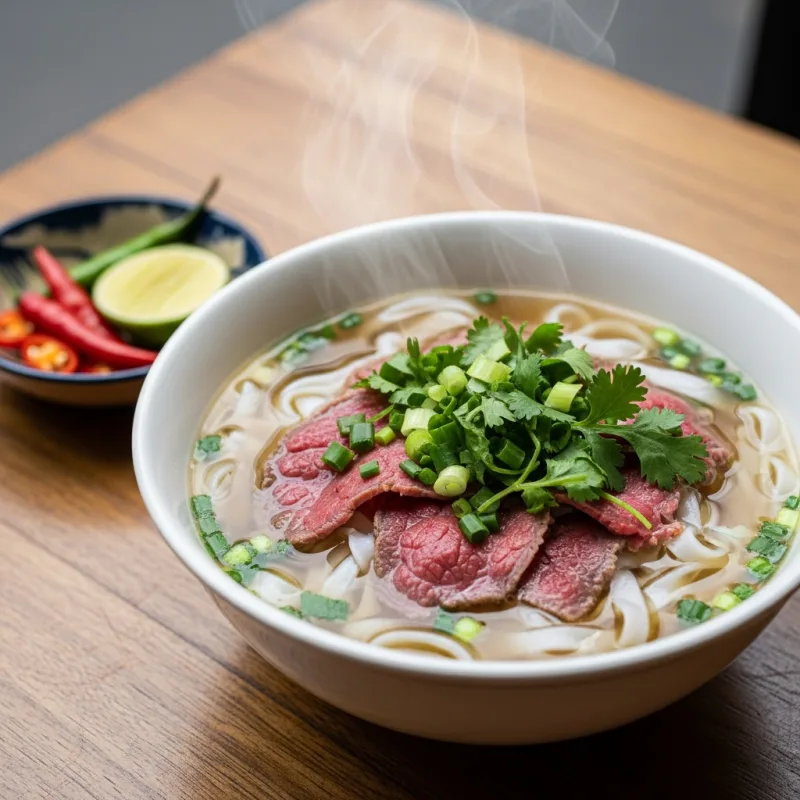
- Culinary Heritage: Taste the origins of iconic Vietnamese dishes like Pho and Bun Cha in the bustling street food scene of Hanoi.
- Ethnic Diversity: Trek through the northern highlands to interact with diverse ethnic minority groups, such as the Hmong, Dao, and Tay, and learn about their traditional ways of life.
- Terraced Rice Paddies: Witness the breathtaking, golden rice terraces of Sapa, Mu Cang Chai, and Hoang Su Phi during the autumn harvest.
Things to Avoid
- Drinking tap water: Always stick to bottled or properly filtered water to avoid waterborne illnesses.
- Unlicensed taxis: Avoid hailing random taxis on the street; use reputable companies like Mai Linh or ride-hailing apps like Grab to prevent scams.
- Disrespectful attire: Do not wear shorts, tank tops, or revealing clothing when visiting temples, pagodas, or ethnic minority villages.
- Public displays of affection: Vietnamese culture is relatively conservative; excessive physical contact in public is frowned upon.
- Riding motorbikes without experience: The mountain roads are treacherous and city traffic is chaotic; do not attempt to ride unless you are highly experienced and properly licensed.
Local Transportation Tips
Transportation in Northern Vietnam is diverse and generally efficient. In Hanoi, the ride-hailing app Grab is the most convenient way to get around via car or motorbike taxi. For intercity travel, a vast network of sleeper buses and comfortable 'limousine' vans connect major hubs like Hanoi, Sapa, Ninh Binh, and Ha Long. The railway system, particularly the overnight train from Hanoi to Lao Cai (for Sapa), offers a nostalgic and scenic travel option. In the mountainous regions, renting a motorbike is the ultimate way to explore, though hiring a local driver or joining a guided tour is highly recommended for safety.
Travel Etiquette
- Remove your shoes before entering someone's home or certain areas of temples and pagodas.
- Dress modestly, covering shoulders and knees, when visiting religious sites.
- Do not touch anyone, especially children, on the head, as it is considered the most sacred part of the body.
- Use both hands when giving or receiving items, especially money or business cards, as a sign of respect.
- Avoid pointing your feet at people or religious altars.
- Ask for permission before taking close-up photographs of local people, particularly in ethnic minority villages.
Recommended Age Group
Northern Vietnam offers diverse experiences, but its rugged terrain and chaotic cities require careful consideration for different age groups.
- Babies (0-2 years): Not Recommended. The rugged terrain, long travel times on winding roads, and limited medical facilities in remote highland areas make it challenging for infants.
- Kids (3-12 years): Neutral. While children will love the boat cruises and cultural exposure, the intense heat in summer, cold winters in the mountains, and long bus rides can be exhausting.
- Teens (13-19 years): Recommended. An excellent destination for adventurous teens, offering trekking, kayaking, and a profound introduction to a vastly different culture and history.
- Adults (20-64 years): Recommended. Perfect for adults seeking deep cultural immersion, culinary exploration, and active adventures like motorbiking the Ha Giang Loop or trekking in Sapa.
- Seniors (65+ years): Neutral. Accessible in cities and via luxury cruises in Halong Bay, but remote highland areas with steep terrain and uneven pavements may pose mobility challenges.
Accessibility Level: Medium
- Accessibility in Northern Vietnam is generally challenging. Sidewalks in Hanoi are often crowded with parked motorbikes and street vendors, forcing pedestrians onto the street.
- Public transportation is rarely wheelchair accessible, though private vans can be hired.
- Luxury hotels and modern shopping centers in major cities offer good accessibility, including ramps and elevators.
- Halong Bay cruises vary; some newer, luxury ships have elevators and accessible cabins, but boarding often requires navigating narrow gangways.
- Mountainous areas like Sapa and Ha Giang are largely inaccessible for wheelchair users due to steep, uneven terrain and lack of infrastructure.
Did You Know?
Hanoi's famous Old Quarter is historically known as the '36 Streets'. Dating back to the 13th century, each street was named after the specific trade or guild that operated there, such as Hang Bac (Silver Street), Hang Gai (Silk Street), and Hang Ma (Paper Product Street). Even today, many of these streets still specialize in the goods they were originally named for.
Cool Statistics
- Fansipan, located near Sapa, is the highest peak in Indochina (Vietnam, Laos, and Cambodia), standing at 3,143 meters (10,312 feet).
- Halong Bay features over 1,600 limestone islands and islets, most of which are uninhabited and unaffected by human presence.
- Vietnam is the second-largest coffee producer in the world, and Hanoi is famous for its unique 'Egg Coffee' (Cà phê trứng), invented in the 1940s due to a milk shortage.
- The Ha Giang province shares a 270-kilometer border with China and is home to 22 different ethnic minority groups.






Buy a compatible power adapter for your trip