Hanoi is a city of contrasts, where the relentless energy of millions of motorbikes intersects with the quiet contemplation found in ancient pagodas and tree-lined boulevards. The city's history is etched into its architecture, from the 11th-century Temple of Literature, Vietnam's first national university, to the imposing Ho Chi Minh Mausoleum. The Old Quarter, with its 36 guild streets, remains the beating heart of the city, offering a sensory overload of sights, sounds, and smells that captivate every visitor.
Beyond the historical core, Hanoi is rapidly modernizing, yet it fiercely protects its cultural heritage. The culinary landscape is a major draw, offering everything from humble sidewalk pho stalls to sophisticated fine dining that fuses French techniques with Vietnamese ingredients. Whether you are sipping traditional egg coffee in a hidden cafe, watching a water puppet show, or strolling around the misty shores of Hoan Kiem Lake at dawn, Hanoi promises an experience that is deeply authentic and endlessly fascinating.
Reasons to Visit
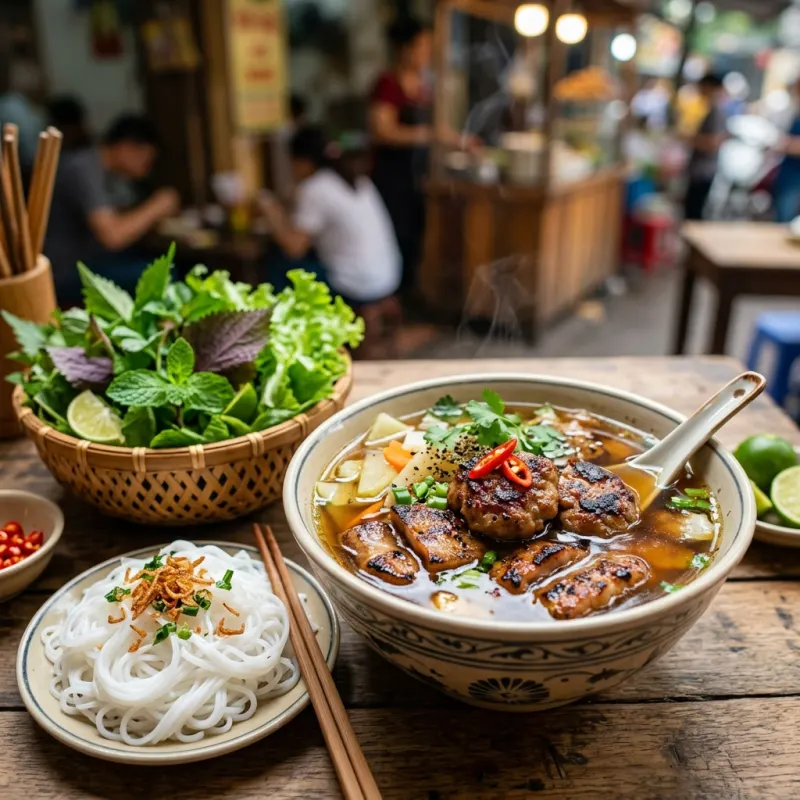
- Culinary Excellence: Taste world-renowned street food like Pho, Bun Cha, and Banh Mi in their city of origin.
- Rich History: Explore centuries of history through sites like the Imperial Citadel of Thang Long and the Hoa Lo Prison.
- Vibrant Street Life: Immerse yourself in the chaotic, colorful, and endlessly entertaining atmosphere of the Old Quarter.
- Coffee Culture: Experience Vietnam's unique coffee scene, including the famous Hanoi egg coffee (Ca Phe Trung).
- Affordability: Enjoy high-quality food, accommodation, and experiences at a fraction of the cost of Western destinations.
Things to Avoid
- Drinking Tap Water: Stick to bottled or purified water to avoid waterborne illnesses.
- Unmetered Taxis: Avoid hailing random taxis on the street; use Grab or trusted companies like Mai Linh to prevent overcharging.
- Disrespectful Attire: Do not wear shorts or sleeveless shirts when visiting temples, pagodas, or the Ho Chi Minh Mausoleum.
- Hesitating in Traffic: When crossing the street, do not stop abruptly or run; maintain a steady pace.
- Public Displays of Affection: Keep physical affection modest, as conservative values are still prevalent in Vietnamese culture.
Local Transportation Tips
Navigating Hanoi is an adventure in itself. The most convenient and transparent way to get around is by using the Grab app, which offers both car and motorbike taxis at fixed rates. For shorter distances within the Old Quarter, walking is the best way to soak in the atmosphere, though sidewalks are often crowded with parked motorbikes and food stalls. Traditional cyclos (three-wheeled bicycle taxis) offer a slow, scenic way to tour the historic center, but be sure to negotiate the price before getting in. The public bus system is extensive and very cheap, but it can be difficult to navigate for non-Vietnamese speakers.
Travel Etiquette
- Remove your shoes before entering someone's home or certain areas of temples and pagodas.
- Pass items, especially money, with both hands as a sign of respect.
- Avoid pointing the soles of your feet towards people or religious altars.
- Ask for permission before taking close-up photographs of locals, especially in rural or market settings.
- Keep your voice down in public spaces, as loud behavior is generally frowned upon.
Recommended Age Group
Hanoi offers a dynamic and culturally rich experience, though its bustling nature requires some consideration for different age groups.
- Babies (0-2 years): Neutral. The crowded streets and lack of smooth sidewalks make stroller navigation difficult, though locals are very welcoming to infants.
- Kids (3-12 years): Recommended. Children will enjoy the water puppet shows and exploring the vibrant markets, though parents must be vigilant with traffic.
- Teens (13-19 years): Recommended. The energetic street life, unique cafes, and rich history provide highly engaging experiences for teenagers.
- Adults (20-64 years): Recommended. Adults can fully appreciate the complex history, diverse culinary scene, and bustling nightlife of the capital.
- Seniors (65+ years): Recommended. While the chaotic traffic requires caution, the city offers rich cultural sites, accessible museums, and comfortable cyclo tours.
Accessibility Level: Medium
- Wheelchair accessibility in Hanoi is generally poor due to uneven, crowded sidewalks and a lack of ramps in older buildings.
- Modern hotels and large shopping centers usually offer good accessibility features, including elevators and accessible restrooms.
- Many historical sites and temples have high thresholds and steps, making them challenging to navigate for those with mobility issues.
- Using ride-hailing apps like Grab for cars is the most reliable way for travelers with mobility impairments to get around the city.
Did You Know?
Hanoi is home to the unique 'Train Street,' a narrow residential alley where a working railway track runs just inches away from the front doors of houses and cafes. Twice a day, residents must move their belongings and themselves out of the way as the train squeezes through the tight space.
Cool Statistics
- Hanoi celebrated its 1,000th anniversary in 2010, marking its founding in the year 1010.
- The city is home to over 5 million motorbikes, which is the primary mode of transportation for its residents.
- Hoan Kiem Lake is named after a legend involving a magical sword returned to a golden turtle god.
- The Long Bien Bridge, designed by the firm of Gustave Eiffel, survived multiple bombings during the Vietnam War.






Buy a compatible power adapter for your trip