Situated along Vietnam's scenic South Central Coast, Quy Nhon offers a rare equilibrium between modern provincial vitality and tranquil coastal charm. Shielded by green headlands and fronted by a wide, clean sand bay, the city has deliberately maintained its low-rise beachfront promenade, avoiding the hyper-commercialization found in other resort centers. Across the historic waters of Thi Nai Lagoon—traversed by one of Vietnam's longest sea bridges—the dramatic Phuong Mai Peninsula unfolds into wind-sculpted sand dunes, isolated fishing coves, and striking geological formations that tumble directly into crystal-clear turquoise waters.
Beyond its natural coastal beauty, Quy Nhon functions as a living open-air museum of Central Vietnamese history. It was a major commercial port of the ancient Hindu Kingdom of Champa from the 11th through 15th centuries, leaving behind striking red-brick temple towers that still crown nearby hilltops. In the 18th century, it served as the birthplace of the revolutionary Tay Son peasant movement. Today, travelers will find an unpretentious city where mornings start with beachside calisthenics and strong filtered coffee, and evenings culminate in sprawling open-air seafood banquets along the water's edge.
Reasons to Visit
- Uncrowded Shorelines: Experience Ky Co, Bai Xep, and Queen's Beach without wall-to-wall resort umbrellas or excessive tourist foot traffic.
- Intact Champa Architecture: Examine the twin towers of Thap Doi in the city center and the hillside majesty of Thap Banh It, which date back nearly a millennium.
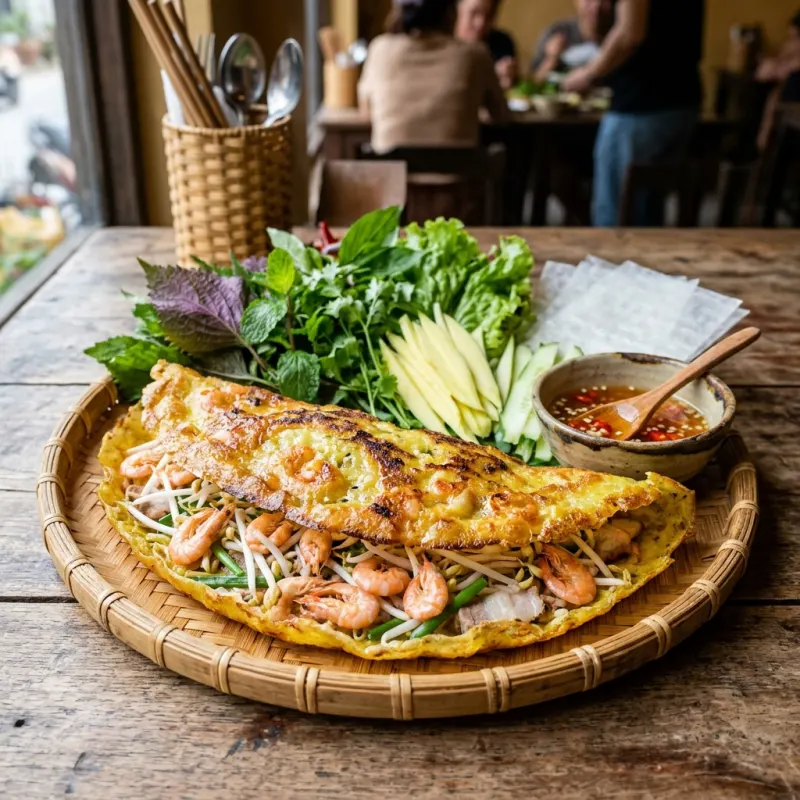
- Unrivaled Seafood Value: Feast on jumping shrimp, sea snails, grilled mackerel, and crab at honest local prices directly beside fishing ports.
- Spectacular Coastal Road Trips: Ride along the scenic DT639 coastal highway spanning sea bridges, fishing lagoons, and dramatic ocean cliffs.
- Authentic Community Life: Interact with traditional round basket-boat fishermen in Nhon Hai and Nhon Ly who continue ancestral maritime trades.
Things to Avoid
- Avoid swimming in unpatrolled bays between October and December when winter monsoon swells generate dangerous undertows.
- Do not take unmetered private passenger cars from Phu Cat Airport without confirming a flat fare beforehand (standard rate is 250,000-350,000 VND).
- Avoid climbing on or touching the ancient brickwork and sacred altars inside the protected Cham towers.
- Do not rely entirely on credit cards, as the majority of street eateries and remote beach operators operate on a cash-only basis.
Local Transportation Tips
Navigating Quy Nhon is straightforward thanks to wide, well-paved coastal avenues with light traffic. Renting a scooter (120,000 to 150,000 VND per day) provides the greatest flexibility for exploring regional attractions across the peninsula. For non-riders, app-based ride-hailing services like Grab operate smoothly within the city boundaries, while traditional metered taxi companies (such as Mai Linh and Sun Taxi) are reliable for airport transfers and day-hire journeys. The public shuttle bus connecting Phu Cat Airport to the old Quy Nhon airfield center is a reliable budget transit option costing roughly 50,000 VND.
Travel Etiquette
- Dress conservatively when visiting Cham monuments, Buddhist shrines, and rural fishing temples by ensuring knees and shoulders are covered.
- Remove shoes before entering private residences, boutique homestays, or carpeted temple platforms.
- Avoid touching anyone on the head or pointing your feet directly at religious idols or elders when seated.
- Hand money and travel documents over with both hands or your right hand supported by your left wrist as a mark of respect.
Recommended Age Group
Quy Nhon accommodates a broad demographic spectrum, though its active coastal environment and historical terrain suit certain profiles best.
- Babies (0-2 years): Neutral. Tropical daytime heat can be intense, and historical sites like Banh It involve steep brick stairs that are completely unsuitable for strollers.
- Kids (3-12 years): Recommended. Calm, sheltered waters during the dry season and spacious sandy beaches offer safe swimming environments for young children.
- Teens (13-19 years): Recommended. Outdoor enthusiasts will enjoy snorkeling off Hon Kho Island, coastal scooter rides, and hiking along the cliffs of Eo Gio.
- Adults (20-64 years): Recommended. Ideal for independent road trips, historical exploration, pristine wellness resorts, and vibrant culinary crawls.
- Seniors (65+ years): Neutral. The peaceful pacing and flat city waterfront are comfortable, but accessing peninsular beaches and clifftop towers requires navigating uneven stairs and boat transfers.
Accessibility Level: Medium
- The city's central seaside promenade along Xuan Dieu Street is wide, flat, and paved, offering level access for manual and powered wheelchairs.
- Major heritage sites, including Thap Banh It and Ghenh Rang Park, feature significant staircases with no ramps or elevators, presenting high barriers for mobility-impaired visitors.
- Modern 4- and 5-star coastal resorts on the outskirts feature step-free ground floor access, but domestic fishing village alleys remain irregular and narrow.
Did You Know?
Quy Nhon was the final refuge and resting place of Han Mac Tu, one of Vietnam's most celebrated romantic early 20th-century poets, whose clifftop tomb at Ghenh Rang offers panoramic views over the entire sweep of Quy Nhon Bay.
Cool Statistics
- 2.5 km: The structural length of the Thi Nai Bridge, which stood as the longest cross-sea bridge in Vietnam upon its opening.
- Over 800 Years: The verified age of the Banh It Cham Tower complex, built at the turn of the 11th to 12th century.
- 42 km: The stretch of pristine coastline framing the administrative area of Quy Nhon and its immediate peninsular borders.






Buy a compatible power adapter for your trip