Disclosure: This site contains affiliate links. We may earn a commission if you make a purchase, at no extra cost to you.

>
>
>
Northern and Central Belize

Northern and Central Belize

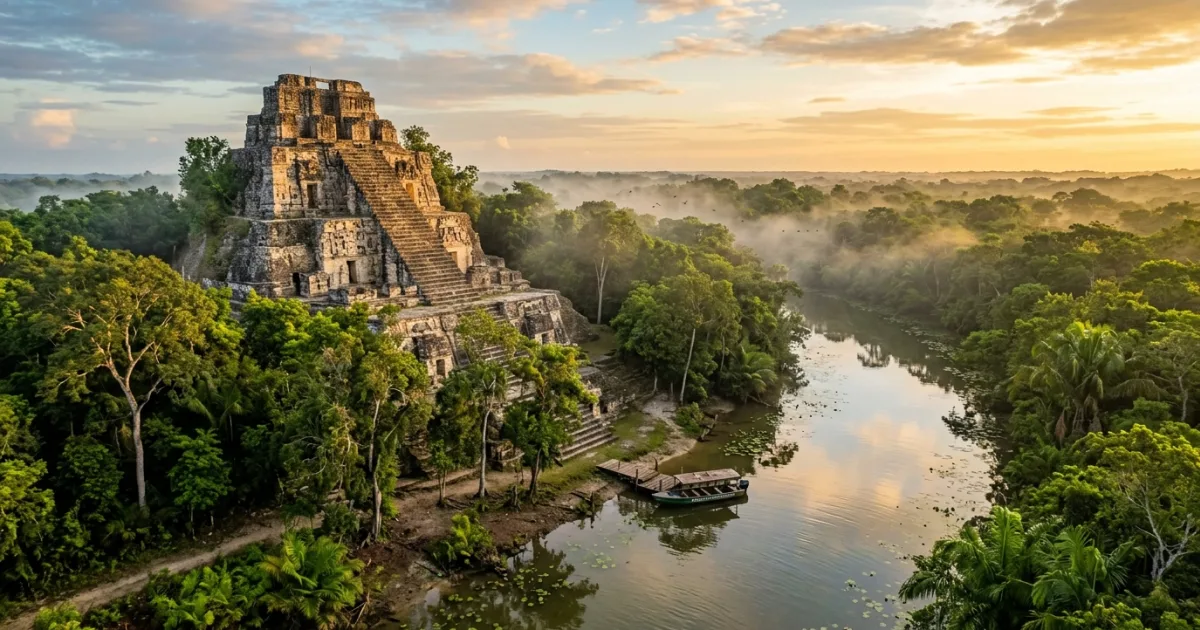
Ancient Maya temple of Lamanai surrounded by tropical jungle in Northern Belize

Northern and Central Belize Overview & Key Highlights

Northern and Central Belize encompasses the biological heartland and deep archaeological legacy of the nation, stretching from the tranquil sugar-cane riverways of Orange Walk and Corozal to the limestone karsts, pine plateaus, and rainforest reserves of the central interior. Unlike the marine-focused cayes offshore, this terrestrial corridor immerses travelers in authentic multi-ethnic communities, where Mestizo, Maya, Creole, and Mennonite traditions blend across scenic inland routes. Here, towering ancient temples rise directly above pristine freshwater lagoons, howler monkeys sound through dense canopy corridors, and sprawling river systems serve as the lifeblood of inland exploration. Travelers navigate uncrowded jungle highways to unearth legendary Maya ceremonial complexes such as Lamanai and Altun Ha, cruise winding waterways framed by water lilies and rare tropical birds, and encounter thriving wildlife corridors that harbor tapirs, coatimundis, and elusive jaguars. From paddling through mist-covered river bends at dawn to savoring authentic home-cooked Mestizo and Creole dishes along country roads, the mainland reveals a slower, deeply enriching pace. This region serves as Belize's premier destination for genuine cultural immersion, biodiversity encounters, and untamed jungle exploration.

Northern and Central Belize Travel Guide: Logistics & In-Depth Tips

Northern and Central Belize represents the rich cultural tapestry and ecological spine of the nation. Covering the agricultural expanse of Corozal and Orange Walk alongside the lush watersheds and limestone foothills of the Belize and Cayo districts, this area showcases Belize far beyond its famed maritime coastline. The geography shifts gracefully from broad coastal plains and wetlands into dense subtropical broadleaf forests interlaced with tranquil river networks like the New River and Belize River.

Historically, this territory formed a powerhouse corridor of the ancient Maya civilization, supporting massive settlements continuously for thousands of years. Today, traditional Maya descendants share the landscape with vibrant Creole farming hamlets, hardworking Mennonite agricultural colonies, and Mestizo communities known throughout Central America for exceptional culinary traditions. Traveling through this territory exposes visitors to untouched canopy forests teeming with toucans, howler monkeys, and orchids, counterbalanced by authentic small-town warmth and uncommercialized heritage.

Reasons to Visit

  • Explore legendary ancient Maya ceremonial centers such as Lamanai, Altun Ha, and El Pilar without massive cruise ship crowds.
  • Take dramatic wildlife boat expeditions along the New River lagoon to spot crocodile hatchlings, jabiru storks, and spider monkeys.
  • Indulge in authentic culinary specialties, including Orange Walk's world-famous roadside morning tacos and authentic Mestizo chimole.
  • Experience exceptional birdwatching in pristine reserves like Crooked Tree Wildlife Sanctuary, home to hundreds of migratory and resident wetland species.
  • Engage in low-impact sustainable tourism at community-driven wildlife projects like the Community Baboon Sanctuary.

Things to Avoid

  • Avoid driving through poorly lit roads or isolated wilderness highways late at night due to roaming cattle and unmarked speed bumps.
  • Do not swim in slow-moving rivers or lagoons without explicit confirmation from local guides, as American and Morelet's crocodiles inhabit these waters.
  • Avoid touching or collecting historical artifacts or pottery sherds at archaeological reserves, as removing antiquities is strictly illegal.
  • Do not rely entirely on credit cards or ATMs; banking terminals outside Belmopan and Orange Walk Town are sparse and frequently out of service.
  • Avoid booking coastal excursions that rush you through mainland sites in under an hour; spend multiple days inland to experience the atmosphere fully.

Local Transportation Tips

Travel across the northern and central districts is primarily facilitated by private vehicle rentals, guided tour shuttles, and the local public bus system ('chicken buses'). Driving along the Philip Goldson Highway (Northern Highway) and the George Price Highway (Western Highway) is straightforward on paved two-lane roads. Reaching remote national parks, archaeological sites, or rainforest lodges often involves navigating unpaved limestone and dirt roads, making a high-clearance 4WD vehicle highly advisable, especially during the wet season.

Travel Etiquette

  • Greet people politely with a friendly 'Good morning' or 'Good afternoon' before starting any transaction or asking for directions.
  • Ask permission before photographing residents, particularly in rural Mennonite communities and traditional Maya villages.
  • Dress modestly and appropriately when visiting government buildings, banks, or village churches away from resort pool areas.
  • Tip tour guides, boat captains, and field naturalists generously (typically 10% to 15% of the excursion price) as ecotourism directly sustains rural families.

Recommended Age Group

Northern and Central Belize accommodates curious travelers seeking outdoor engagement and cultural history, offering experiences suitable across diverse maturity levels.

  • Babies (0-2 years): Neutral. Tropical humidity, mosquitoes, bumpy rural transit, and unpaved trails make extended inland travel physically taxing for infants.
  • Kids (3-12 years): Recommended. Children thrive on adventurous boat safaris, spotting monkeys in the wild, climbing safe ancient temples, and exploring nature reserves.
  • Teens (13-19 years): Recommended. Energetic teenagers will appreciate active adventures including river tubing, jungle trekking, wildlife spotting, and cave exploration.
  • Adults (20-64 years): Recommended. Perfect demographic for hiking historical ruins, exploring eco-lodges, discovering regional culinary routes, and birdwatching.
  • Seniors (65+ years): Neutral. Older travelers who enjoy scenic boat rides and bird sanctuaries will find great enjoyment, but rough terrain and steep temple steps require caution.

Accessibility Level: Medium

  • Main archaeological complexes feature mostly uneven dirt, grass, and crushed gravel trails that present substantial obstacles for manual wheelchairs.
  • River tours to Lamanai require stepping down into narrow motorized skiffs from floating docks, which necessitates moderate physical mobility.
  • Modern visitor centers at Altun Ha and Belmopan offer basic flat concrete walkways and ground-floor restroom facilities.
  • Accessible travel is most comfortably organized through specialized private tour operators utilizing modified vans and low-impact private itineraries.

Did You Know?

Lamanai, located on the New River Lagoon in northern Belize, is one of the few ancient Maya cities that kept its original name; 'Lama'an/ayin' translates in Yucatec Maya to 'Submerged Crocodile,' a tribute to the sacred reptiles still found swimming along the temple banks today.

Cool Statistics

  • Home to over 500 species of resident and migratory tropical birds, making it a world-renowned birding corridor.
  • Over 3000 years of continuous human settlement documented along the banks of the New River Lagoon.
  • Lamanai features the High Temple, towering over 33 meters (108 feet) above the rainforest canopy.


Address:

Northern and Central Belize, Belize

Find Nearby Accommodations

Basic Info

address icon

COUNTRY & Region

Belize,
Central America

ACCESSIBILITY LEVEL​

Medium
Currency icon

LOCAL CURRENCY​

Belize Dollar (BZD)
Price level icon
Medium
Safety Level icon

SAFETY LEVEL

Duration icon

Recommended Duration

• 1-7 days
• More than a week

Electricity

electricity icon

Electricity

110-120V, 
60Hz
Plug Socket icon

Plug Type

• Type A (Flat blade)
• Type B (Flat blade with grounding pin)
• Type G (Three rectangular pins in a triangular pattern)
Plug types
Click To View Plug Types
Northern and Central Belize is part of our
Conscious Travel collection

Activities To Do In Northern and Central Belize

Best Time To Visit Northern and Central Belize

Northern and Central Belize experiences a subtropical climate split cleanly into distinct dry and wet periods, with year-round warmth tempered by seasonal rains.

  • Dry Season (December to April): Ideal for jungle hiking, river navigations, and archaeological exploration due to minimal rainfall, firm trail conditions, and lower humidity.
  • Shoulder Season (May): Hottest month of the year with rising humidity; excellent wildlife sightings as animals congregate around central water holes.
  • Green / Rainy Season (June to November): Afternoon tropical showers bring lush foliage and fewer crowds; river excursions remain active, though dirt spur roads can become muddy after heavy precipitation.

Average Temperatures Per Month

Remember to check the weather forecast a few days before the trip and before heading to the airport.

Safety Level icon

Safety Level

Exercise normal travel caution throughout the northern and central rural corridors, where violent crime rates are very low compared to urban Southside Belize City. When driving the Philip Goldson or George Price Highways, watch for deep potholes, unlit pedestrian crossings, speed bumps called 'sleeping policemen,' and wandering livestock. If arriving via Belize City, transfer promptly inland without displaying flashy electronics or large sums of cash. Stay on established trails inside national reserves and wear insect protection to guard against tick and mosquito-borne illnesses.

The rating is based on multi-year peace, crime, and security indices. Before you go, always verify current conditions through official government travel advisories.

Emergency Numbers

Police: 911
Ambulance: 90

No internet needed • Includes local translations • Free for TravelingWiz readers

Spoken Languages

English (official), Belizean Kriol (widely spoken), Spanish (widespread in northern districts), Low German (Plautdietsch, in Mennonite settlements)

Learn The Language

  • Goo mawnin: Good morning
  • Weh di gwaan?: What’s up? / How are you?
  • Haul de: Hold on / Wait here
  • Dis da weh?: What is this?
  • Bwai: Friend / Buddy (informal)
  • Tenki: Thank you
  • Buenos días: Good morning (Spanish)
  • ¿Cuánto cuesta?: How much does it cost? (Spanish)
Travel Booking Partner - TravelingWiz

Trip Cost & Budgeting for Northern and Central Belize, 2026

Everything you need to know about money while traveling
Is Northern and Central Belize expensive for tourists in 2026? Northern and Central Belize offers moderate prices for travelers compared to the expensive offshore cayes. You can expect to pay around 7 BZD for a cappuccino, 5 BZD for a domestic beer, and 30 BZD for a standard mid-range restaurant meal. Based on Human Verified prices, daily expenses stay quite reasonable. Use the data table below to calculate your specific daily budget based on your travel style.
Currency icon

LOCAL CURRENCY​:

Belize Dollar (BZD)
Price level icon
Medium
Cards work at major hotels and restaurants, but cash is essential for buses, small eateries, and street vendors.

Per person, per day – pocket cash for small purchases.

Local: 20
Belize Dollar (BZD)
≈ 10 USD

Full daily spend estimation (accommodation, food, transportation, attractions).

Travel Style
Belize Dollar (BZD)
≈ USD ($)
Budget
120
60
Mid-range
220
110
Comfort
480
240

The Prices, Daily costs, and calculator results are estimates for planning purposes only. Actual costs may vary based on season, booking timing, personal spending habits, and currency fluctuations. TravelingWiz cannot be held responsible for discrepancies between these estimates and your final trip expenses.

  • • Take local public buses between towns like Belize City, Belmopan, and San Ignacio rather than taking private tourist shuttles.
  • • Eat at local cookshops and street stalls for traditional dishes like fry jacks or rice and beans for under 10 BZD.
  • • US Dollars are accepted everywhere at a fixed 2:1 BZD rate, but keep small BZD bills for public buses and local markets.
  • • Visit Mayan ruins like Xunantunich or Cahal Pech independently by bus and local taxi instead of paying for packaged tours.

Pre-Order Tickets

Avoid disappointment when tickets sell out — and skip the long lines by booking online in advance. You’ll often save up to 20% too.
Save up to 20%

Travel Discounts & Coupons

Save on hotels, attractions, transport, and gear — find verified discounts for smarter travel spending.
Verified Coupons

What To Pack

  • Lightweight, breathable long-sleeve shirts and ripstop trail pants for jungle humidity and sun protection
  • High-concentration DEET or lemon-eucalyptus insect repellent for river lagoons and forest trails
  • Sturdy, quick-drying hiking boots or aggressive-tread trail runners with moisture-wicking merino wool socks
  • Waterproof dry bags and a packable rain shell for sudden tropical downpours and open-boat river cruises
  • Reef-safe sunscreen, polarized sunglasses, and a wide-brim UV sun hat
  • Binoculars (8x42 or 10x42) for canopy birdwatching and riverbank wildlife spotting
  • Compact headlamp or waterproof flashlight for exploring caves and night nature walks
  • Reusable insulated water bottle with integrated filtration or purification tablets
  • Small denominations of cash (USD and BZD) for local road stands and rural park entrances
We couldn't find tips for Northern and Central Belize.
If you got any, please share

Recommended Itineraries for Traveling to Northern and Central Belize

We couldn't find itineraries for Northern and Central Belize.
you can contact us for custom trip plan

Food & Drink Highlights

Local Food Overview

The cuisine of Northern and Central Belize is a distinct fusion of Maya, Mestizo, and Creole cooking traditions, centered on fire-roasted spices, recado pastes, and locally harvested river staples. In northern towns like Orange Walk, Mestizo influences dominate, known nationwide for tender hand-rolled corn tacos, salbutes, and slow-simmered dark soups flavored with charred annatto. In central villages, Creole staples reign supreme, featuring slow-cooked red kidney beans and rice simmered in fresh coconut milk, accompanied by rich stewed chicken, fried ripe plantains, and tangy habanero-onion escabeche.
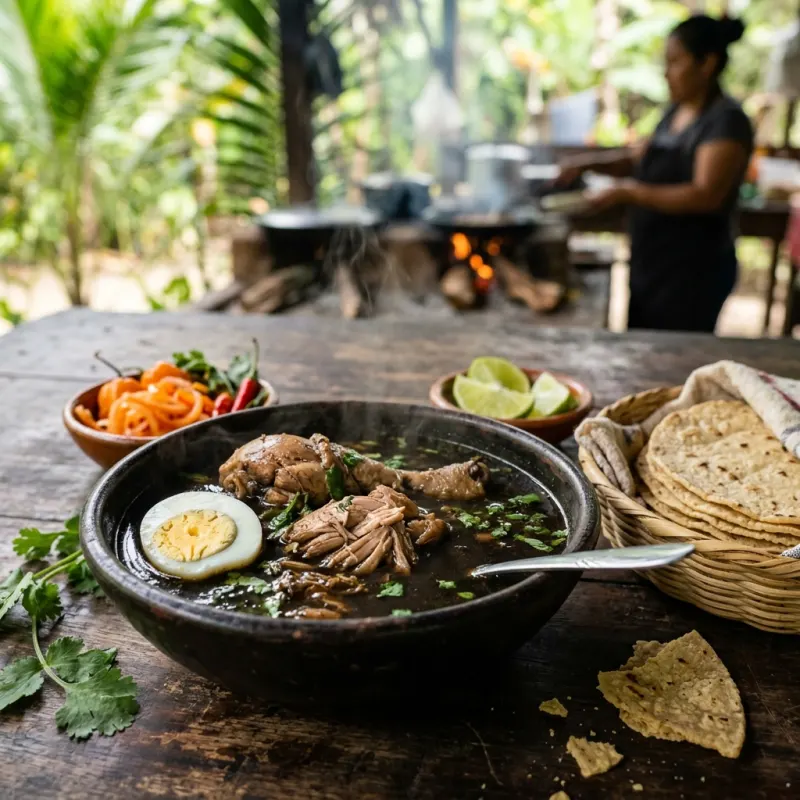
Authentic bowl of Belizean Chimole black soup served with boiled egg and corn tortillas

Must Try Dish

Chimole (Black Dinno) - A deeply savory, rich Maya-Mestizo stew simmered with chicken, hard-boiled eggs, and aromatic vegetables in a dark broth colored and flavored by black recado made from charred spices and chiles. It is traditionally served piping hot alongside steaming, freshly pressed hand-made corn tortillas.
Food Experiences Title Icon

Food
Experiences

Discover cooking classes, tastings and local food tours

No food experience found
Maya, the human travel expert at TravelingWiz, offering curated, non-AI expertise

Maya’s Final Checklist for Northern and Central Belize

Logistics shouldn’t be the focus of your trip—the experience should. I’ve hand-vetted these essential partners to ensure your arrival, stay, and exploration are as smooth as an Athenian breeze.

Where to Stay

From boutique hotels to local apartments—compare thousands of options and find the perfect stay in the best neighborhood.

Air Travel

Getting there should be seamless. Compare the best routes and prices across top airlines to start your journey on the right note.

Local Guides

Connect with experts who know the destination best. Get personalized advice and insider tips to help you plan your perfect trip.

Travel Protection

The “Engineer’s” rule: always have a backup. Secure your trip with a plan that covers every “what if” and unexpected change.

Car Rentals

Explore at your own pace with total freedom. Compare reliable rental options and find the right vehicle for your adventure.

Visa Services

Don’t let paperwork slow you down. Get expert assistance with your application to ensure all your entry documents are in order.

FAQs

Renting a 4WD sport utility vehicle provides the greatest independence and safety when navigating inland Belize’s paved highways and unpaved jungle side roads. Public ‘chicken buses’ run frequently between major towns like Belmopan, Orange Walk, and Belize City at very low cost, though they do not reach deep national parks or isolated archaeological ruins.
While independent entry is permitted at sites like Altun Ha, hiring a licensed local guide provides critical historical context and safety navigation. Furthermore, remote ruins like Lamanai require a boat trip up the New River, which is operated exclusively by licensed boat guides.
Yes, US Dollars are accepted everywhere at a standard fixed exchange rate of 2 Belize Dollars for every 1 US Dollar. Always carry crisp, un-torn bills, and anticipate receiving your change in Belize Dollars.

Your Insights Matter

TravelingWiz grows through the stories of our community. If you’ve recently explored ,Northern and Central Belize share your tips and stories to help us perfect our guides for the next traveler.

Related Articles

Check out our related articles and blog posts to learn even more about the destination.

No related articles found

Don’t Travel Alone

Share with your friends and family

Where should we send your offline card?

We hate spam just as much as you do

newsletter_consent *