Disclosure: This site contains affiliate links. We may earn a commission if you make a purchase, at no extra cost to you.

Central America

Central America

Basic Info

COUNTRY & Region

Central America

ACCESSIBILITY LEVEL​

  • High: Widely accessible with good facilities for disabilities.
  • Medium: Some accessible options, but limitations exist.
  • Low: Limited accessibility; many barriers for disabilities.
Medium

LOCAL CURRENCY​

Belize Dollar (BZD)

Price Level

Low – budget‑friendly basics

Medium – moderate mid‑range costs

High – pricey lodging, dining & transport

Medium

SAFETY LEVEL

5 shields = Excellent – very low crime or conflict.

4 shields = Safe – low risk, routine care.

3 shields = Relatively safe – use normal street smarts.

2 shields = Use caution – higher crime or periodic unrest.

1 shields = Avoid – active conflict or extreme danger.

Scores are derived from multi-year peace, homicide and security indices blended into a single 1-to-5 scale.

Recommended Duration

1-7 days, More than a week

Central America Overview & Key Highlights

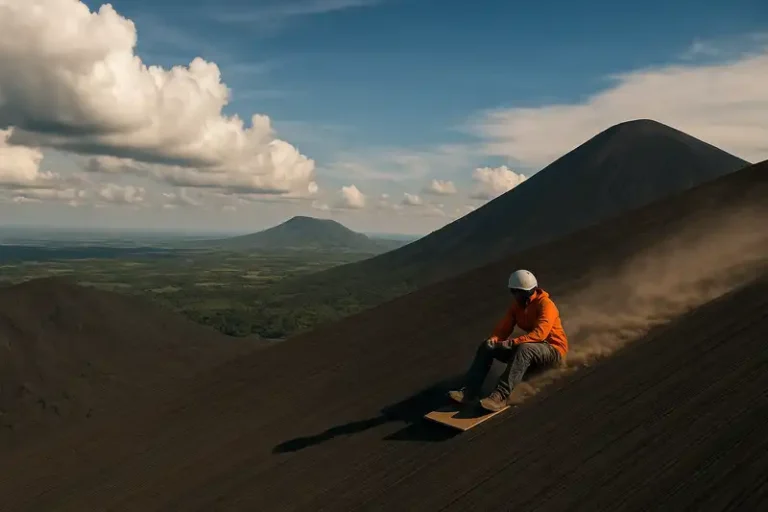
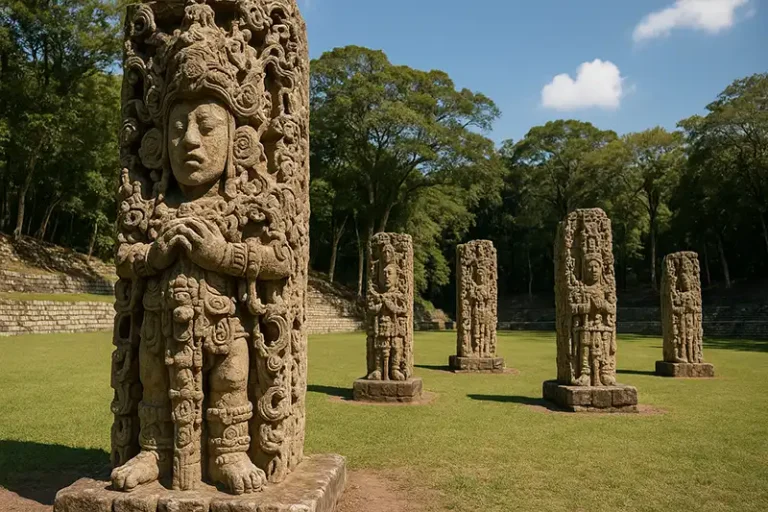
Central America is a treasure trove of natural wonders, ancient civilizations, and vibrant cultures. From the Mayan ruins in Guatemala to the pristine beaches of Costa Rica, the region offers a diverse array of experiences for travelers seeking adventure, relaxation, and cultural enrichment.

Central America Travel Guide: Logistics & In-Depth Tips

Central America is a vibrant region connecting North and South America, offering travelers a mix of lush rainforests, stunning coastlines, ancient ruins, and rich cultural experiences. Whether you're exploring tropical beaches, hiking through dense jungles, or discovering the remnants of ancient civilizations, Central America has something for everyone.

Reasons to Visit:

  • Rich Cultural Heritage: Explore ancient Mayan ruins, colonial architecture, and indigenous traditions.
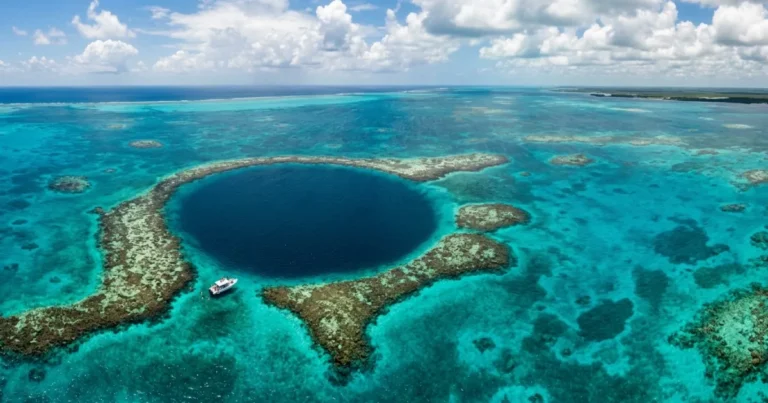
  • Biodiverse Ecosystems: Rainforests, volcanoes, and coral reefs teeming with wildlife.
  • Adventure Activities: Zip-lining, scuba diving, surfing, and hiking opportunities abound.
  • Affordable Travel: Budget-friendly accommodations and local cuisines make it accessible for cost-conscious travelers.

Things to Avoid:

  • Political Unrest: Stay informed about local advisories and avoid areas with known conflicts.
  • Health Precautions: Ensure vaccinations are up-to-date and be cautious with street food to prevent illnesses.


Accessibility Level: Medium

While major cities and tourist destinations offer accessible facilities, rural areas and natural attractions may present challenges for travelers with mobility issues.


Recommended Age Group

  • Babies (0-2 years): Not recommended due to limited baby-friendly amenities and challenging terrains.
  • Kids (3-12 years): Family-friendly activities like wildlife tours and cultural sites make it enjoyable.
  • Teens (13-19 years): Adventure activities and historical sites offer engaging experiences.
  • Adults (20-64 years): A diverse range of activities from adventure to relaxation caters well to this group.
  • Seniors (65+ years): Accessible cultural sites and guided tours are suitable, though some areas may require caution due to physical demands.

Address:

Central America

Find Nearby Accommodations

Electricity

110-120V, 
60Hz

Plug Type

Type A (Flat blade), Type B (Flat blade with grounding pin), Type C (Round pin)
Plug types
Click To View Plug Types

Activities To Do In Central America

Best Time To Visit Central America

The optimal time to explore Central America is during the dry season, from December to April, ensuring pleasant weather for outdoor activities.

  • Spring (March to May): Warm temperatures; ideal for beach activities and exploring natural attractions.
  • Summer (June to August): Rainy season begins; lush landscapes but potential travel disruptions.
  • Autumn (September to November): Peak of the rainy season; fewer tourists but higher chances of rain.
  • Winter (December to February): Dry season; perfect for all activities with comfortable temperatures.

Safety Level

5 shields = Excellent – very low crime or conflict.

4 shields = Safe – low risk, routine care.

3 shields = Relatively safe – use normal street smarts.

2 shields = Use caution – higher crime or periodic unrest.

1 shields = Avoid – active conflict or extreme danger.

Scores are derived from multi-year peace, homicide and security indices blended into a single 1-to-5 scale.

Exercise increased caution across Central America due to variable regional crime rates, Petty theft, and opportunistic robbery. Stick to established tourist corridors, avoid intercity road travel after dark, and use pre-booked or official transport services rather than hailing standard street taxis. Keep valuables and passports concealed in hotel safes, remain vigilant at border crossings, and stay updated on local weather and environmental hazards such as seismic activity and heavy tropical rains.

The rating is based on multi-year peace, crime, and security indices. Before you go, always verify current conditions through official government travel advisories.

Emergency Numbers

Police: 911
Ambulance: 911

No internet needed • Includes local translations • Free for TravelingWiz readers

Spoken Languages

The official language across most of Central America is Spanish, except in Belize, where the official language is English. In tourist areas, English is commonly spoken.
Travel Booking Partner - TravelingWiz

Learn The Language

  • Hello: Hola
  • Thank you: Gracias
  • Please: Por favor
  • Where is…?: ¿Dónde está…?
  • How much?: ¿Cuánto cuesta?
  • Goodbye: Adiós

Trip Cost & Budgeting for Central America, 2026

Everything you need to know about money while traveling
Is Central America expensive for tourists in 2026? No, it remains an affordable destination overall, though costs vary widely by country. A cappuccino averages around $3.00, a local beer costs about $2.50, and a sit-down restaurant meal runs around $12.00. Based on Human Verified prices, mid-range travelers generally spend under a hundred dollars per day. Use the data table below to calculate your specific daily budget based on your travel style.

LOCAL CURRENCY​:

Belize Dollar (BZD)

Price Level:

Low – budget‑friendly basics

Medium – moderate mid‑range costs

High – pricey lodging, dining & transport

Medium

Cards Vs. Cash

Major hotels and upscale venues accept credit cards, but cash is essential for local eateries, buses, and markets.

How Much Cash to Carry (on you)

Per person, per day – pocket cash for small purchases.

Local: 9
Belize Dollar (BZD)
≈ 9 USD

Average Daily Costs (per person)

Full daily spend estimation (accommodation, food, transportation, attractions).

Travel Style
Belize Dollar (BZD)
≈ USD ($)
Budget
45
45
Mid-range
85
85
Comfort
185
185
Note

The Prices, Daily costs, and calculator results are estimates for planning purposes only. Actual costs may vary based on season, booking timing, personal spending habits, and currency fluctuations. TravelingWiz cannot be held responsible for discrepancies between these estimates and your final trip expenses.

Best Value Tips

  • • Eat at local traditional eateries such as Costa Rican sodas or Salvadoran pupuserias for fresh, cheap meals.
  • • Travel between regional destinations using shared shuttles or public buses rather than private taxis or flights.
  • • Book accommodation directly with local guesthouses to avoid commission markups from third-party booking sites.
  • • Carry small bills in local currency or US dollars, as street vendors and bus drivers rarely have change for large notes.

Travel Offers & Coupons

Browse travel offers and coupons from our affiliate partners.
Affiliate partner offers

What To Pack

  • Lightweight Clothing: Suitable for tropical climates.
  • Rain Gear: Essential during the rainy season.
  • Sturdy Footwear: For hiking and exploring uneven terrains.
  • Insect Repellent and Sunscreen: Protect against insects and sun exposure.
  • Travel Adapter: To accommodate varying electrical outlets.
Only the good stuff!
Browse recommended travel gear
Check out our free packing list tool

Recommended Itineraries for Traveling to Central America

Take your itinerary with you

Choose a ready-made itinerary, plan your own trip, and keep TravelingWiz by your side while you travel.

Get the TravelingWiz app

Maya’s Final Checklist for Central America

Logistics shouldn’t be the focus of your trip—the experience should. I’ve hand-vetted these essential partners to ensure your arrival, stay, and exploration are as smooth as an Athenian breeze.

Maya, the human travel expert at TravelingWiz, offering curated, non-AI expertise

Where to Stay

Compare accommodation options and choose a stay that suits your plans and budget.

Air Travel

Compare flight options and find a route that fits your plans.

Local Guides

Connect with local guides for personalized help planning and exploring.

Travel Protection

The “Engineer’s” rule: always have a backup. Secure your trip with a plan that covers every “what if” and unexpected change.

Car Rentals

Compare rental options and choose a car that suits your trip.

Visa Information

Don’t let paperwork slow you down. Get expert assistance with your application to ensure all your entry documents are in order.

FAQs

Many nationalities do not need advance visas for short tourist visits. Guatemala, Honduras, El Salvador, and Nicaragua are part of the CA-4 Border Control Agreement, allowing travelers to move between these four countries for up to 90 days on a single shared entry stamp. Costa Rica, Panama, and Belize have their own separate entry requirements. Always verify current visa rules for your specific nationality before booking, as policies frequently update.
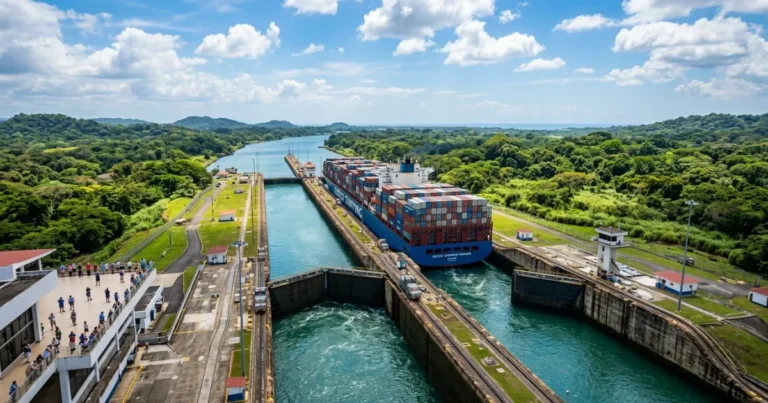
Tikal in Guatemala, Monteverde in Costa Rica, and the Panama Canal are top highlights.
Yes, Central America is one of the most budget-friendly travel regions in the world.
December to April is the dry season, making it the ideal time for outdoor exploration.
Shared shuttles, buses, and budget airlines are popular and cost-effective options.
No, tap water is generally not safe for travelers to drink across most of Central America. Water quality varies widely by country and region, so you should rely on purified bottled water, boiled water, or a reliable portable water filtration system. In addition, you should exercise caution with ice cubes and unwashed produce in rural destinations.
Yes, you can travel safely in Central America by exercising increased caution. While most visits are trouble-free, opportunistic crime and theft can occur. You should stick to well-known tourist routes, avoid intercity road travel after dark, use reputable pre-booked transportation, and keep your valuables secure in a hotel safe rather than carrying them openly.
No, you do not need to be fluent in Spanish, but learning basic phrases will greatly enhance your experience. Spanish is the official language in six of the seven countries, with Belize being the exception where English is official. While hospitality staff in popular tourist destinations frequently speak English, knowing conversational Spanish helps with local transport, markets, and dining.
You must ensure your passport is valid for at least six months beyond your planned departure date. While specific entry requirements can differ slightly across individual Central American nations, most immigration authorities enforce this six-month rule at border checkpoints. Always verify your passport’s expiration date and entry prerequisites before arriving.

Your Insights Matter

TravelingWiz grows through the stories of our community. If you’ve recently explored ,Central America share your tips and stories to help us perfect our guides for the next traveler.

Where should we send your offline card?

We hate spam just as much as you do

newsletter_consent *