Disclosure: This site contains affiliate links. We may earn a commission if you make a purchase, at no extra cost to you.
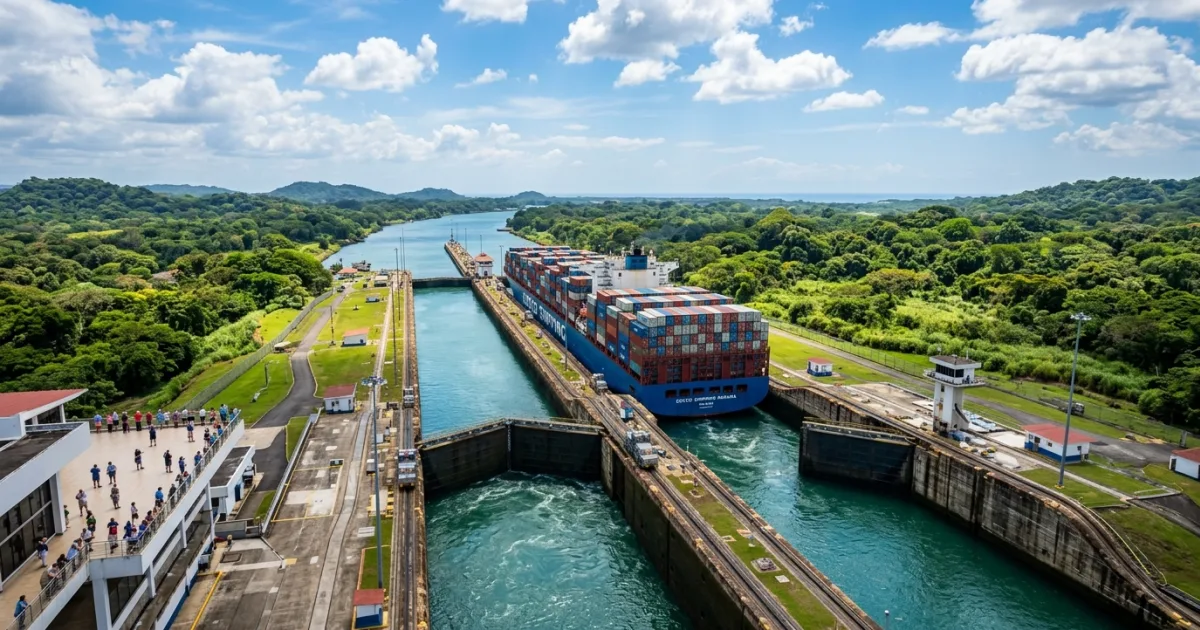
A large cargo ship transiting the Panama Canal surrounded by lush rainforest

Basic Info

COUNTRY & Region

Panama,
Central America

ACCESSIBILITY LEVEL​

  • High: Widely accessible with good facilities for disabilities.
  • Medium: Some accessible options, but limitations exist.
  • Low: Limited accessibility; many barriers for disabilities.
Medium

LOCAL CURRENCY​

Panamanian Balboa (PAB)

Price Level

Low – budget‑friendly basics

Medium – moderate mid‑range costs

High – pricey lodging, dining & transport

Medium

SAFETY LEVEL

5 shields = Excellent – very low crime or conflict.

4 shields = Safe – low risk, routine care.

3 shields = Relatively safe – use normal street smarts.

2 shields = Use caution – higher crime or periodic unrest.

1 shields = Avoid – active conflict or extreme danger.

Scores are derived from multi-year peace, homicide and security indices blended into a single 1-to-5 scale.

Recommended Duration

1-7 days, More than a week

Panama Overview & Key Highlights

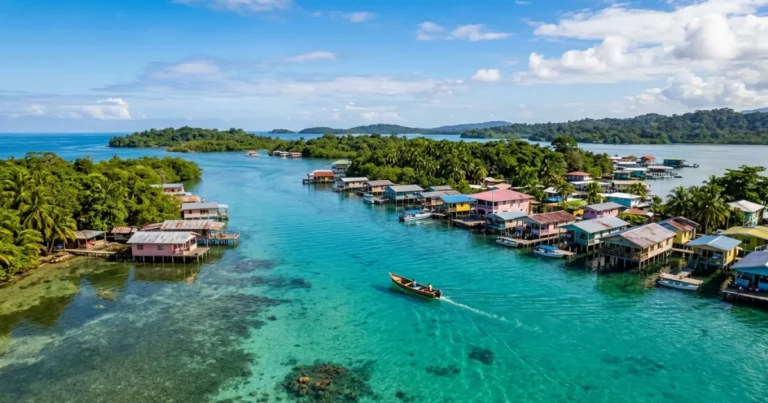
Panama serves as the vibrant crossroads of the Americas, seamlessly blending dense tropical rainforests with a highly developed modern skyline. The country is most famous for the engineering marvel of the Panama Canal, but its true allure lies in its incredible biodiversity, pristine archipelagos like San Blas and Bocas del Toro, and the rich cultural heritage of indigenous groups such as the Guna and Emberá. Travelers can experience a unique juxtaposition of environments, from sipping world-renowned Geisha coffee in the cool highlands of Boquete to exploring the colonial ruins of Casco Viejo in Panama City. Whether you are seeking high-speed digital nomad infrastructure in the capital or an off-grid eco-lodge deep in the jungle, Panama offers a dynamic and accessible Central American adventure.

Panama Travel Guide: Logistics & In-Depth Tips

Panama is a country of striking contrasts, where the modern skyscrapers of Panama City rise dramatically against a backdrop of untamed tropical rainforest. As the narrowest point of the Americas, it has served as a global crossroads for centuries, most notably through the engineering triumph of the Panama Canal. Beyond the canal, the country boasts coastlines on both the Caribbean Sea and the Pacific Ocean, offering diverse marine ecosystems, world-class surfing, and idyllic island escapes.

Inland, the Chiriquí highlands provide a cool, misty retreat famous for its cloud forests, hiking trails, and the highly prized Geisha coffee. Panama's cultural tapestry is equally rich, woven from the traditions of seven distinct indigenous groups, Afro-Caribbean descendants, and Spanish colonial history. This unique blend makes Panama a destination where you can spot sloths in the morning, tour a historic colonial fort in the afternoon, and dine at a cosmopolitan rooftop bar by night.

Reasons to Visit

  • The Panama Canal: Witness one of the greatest engineering feats in human history at the Miraflores Locks.
  • Biodiversity: Explore national parks teeming with wildlife, including sloths, toucans, and howler monkeys.
  • Indigenous Culture: Engage respectfully with the Guna people in the San Blas Islands or the Emberá in the Chagres River basin.
  • World-Class Coffee: Taste the rare and expensive Geisha coffee right at the source in Boquete.
  • Two Oceans: Swim in the Caribbean Sea and the Pacific Ocean on the exact same day.

Things to Avoid

  • The Darién Gap: Avoid this highly dangerous, roadless jungle region bordering Colombia due to safety and security risks.
  • Unlicensed Taxis: Stick to yellow registered taxis or ride-sharing apps like Uber to avoid being overcharged or scammed.
  • Disrespecting Indigenous Rules: When visiting autonomous regions like Guna Yala (San Blas), always ask permission before taking photos of the locals.
  • Underestimating the Sun: The tropical sun is intense; avoid prolonged exposure without adequate protection, even on cloudy days.

Local Transportation Tips

Panama City boasts the only Metro system in Central America, which is modern, safe, and highly affordable. For intercity travel, comfortable air-conditioned buses operate from the Albrook Bus Terminal to destinations across the country. Domestic flights via Air Panama are the quickest way to reach Bocas del Toro or David (for Boquete). In rural areas and islands, water taxis (lanchas) and 4x4 vehicles are the standard modes of transport.

Travel Etiquette

  • Dress modestly when away from the beach; walking around towns or cities in swimwear is frowned upon.
  • Greet people with a polite 'Buenos días' or 'Buenas tardes' before asking a question or starting a transaction.
  • Tipping is generally 10% in restaurants, though it is sometimes already included in the bill as 'servicio'.
  • Punctuality is relaxed in social settings (often referred to as 'Panama time'), but tours and business meetings usually start on time.

Recommended Age Group

Panama offers diverse experiences that cater to travelers of all ages, from accessible city tours to rugged jungle treks.

  • Babies (0-2 years): Neutral. While resorts and the capital are accommodating, the heat, humidity, and long transit times to remote islands can be challenging for infants.
  • Kids (3-12 years): Recommended. Children will love the wildlife spotting, calm beaches in Bocas del Toro, and the interactive exhibits at the Biomuseo.
  • Teens (13-19 years): Recommended. Adventure activities like zip-lining in Boquete, surfing in Santa Catalina, and exploring the canal offer great engagement for teens.
  • Adults (20-64 years): Recommended. Perfect for adults seeking a mix of nightlife, culinary exploration, deep nature immersion, and historical sightseeing.
  • Seniors (65+ years): Recommended. Panama City and Boquete offer excellent infrastructure, comfortable tours, and a thriving expat community that caters well to senior travelers.

Accessibility Level: Medium

  • Panama City's Metro system and major malls are highly wheelchair accessible.
  • The Miraflores Locks Visitor Center at the Panama Canal is fully equipped with ramps and elevators.
  • Casco Viejo's cobblestone streets and narrow sidewalks can be challenging for travelers with mobility issues.
  • Eco-lodges and island destinations generally lack accessibility features, often requiring boat transfers and navigating uneven terrain.

Did You Know?

Panama is the only place in the world where you can see the sun rise on the Pacific Ocean and set on the Atlantic Ocean from the same spot, due to the country's unique S-shape curvature.

Cool Statistics

  • Panama has over 1,400 islands scattered along its Caribbean and Pacific coasts.
  • The Panama Canal generates over $2 billion in toll revenue annually.
  • Panama is home to more than 900 species of birds, more than the US and Canada combined.
  • The US Dollar has been the official paper currency of Panama since 1904.

Address:

Panama, Central America

Find Nearby Accommodations

Electricity

110-120V, 
60Hz

Plug Type

Type A (Flat blade), Type B (Flat blade with grounding pin)
Plug types
Click To View Plug Types
Panama is part of our
Conscious Travel collection

Want a deeper experience in Panama?

Explore private guides and find an experience that suits your interests.

Activities To Do In Panama

Best Time To Visit Panama

The best time to visit Panama is during the dry season, which runs from mid-December to mid-April. This period offers the most reliable sunshine for beachgoers and hikers.

  • Dry Season (Mid-Dec to Mid-Apr): Ideal for visiting the Pacific coast, Panama City, and the highlands. Expect higher prices and more crowds.
  • Green Season (May to Nov): Characterized by daily afternoon showers. It is a great time for budget travelers and those wanting to see lush, vibrant landscapes and active waterfalls.
  • October to November: The rainiest months, though the Caribbean side (like Bocas del Toro) often experiences a mini dry season during September and October.

Average Temperatures Per Month

Average monthly temperaturesMonthly source values, with Celsius and Fahrenheit equivalents in the following data table.20°68°24°75°28°82°31°88°35°95°JanJan: 25°C / 77°FFebFeb: 25°C / 77°FMarMar: 26°C / 79°FAprApr: 26°C / 79°FMayMay: 26°C / 79°FJunJun: 26°C / 79°FJulJul: 25°C / 77°FAugAug: 25°C / 77°FSepSep: 25°C / 77°FOctOct: 25°C / 77°FNovNov: 25°C / 77°FDecDec: 25°C / 77°F
View temperature data
Average monthly temperatures
Month°C°F
Jan2577
Feb2577
Mar2679
Apr2679
May2679
Jun2679
Jul2577
Aug2577
Sep2577
Oct2577
Nov2577
Dec2577

Remember to check the weather forecast a few days before the trip and before heading to the airport.

Safety Level

5 shields = Excellent – very low crime or conflict.

4 shields = Safe – low risk, routine care.

3 shields = Relatively safe – use normal street smarts.

2 shields = Use caution – higher crime or periodic unrest.

1 shields = Avoid – active conflict or extreme danger.

Scores are derived from multi-year peace, homicide and security indices blended into a single 1-to-5 scale.

Increased caution is advised across Panama due to petty street crime, purse snatching, and pickpocketing in crowded urban areas such as Panama City and Colón. Avoid remote border regions, particularly the Darién Region and parts of the Mosquito Gulf, where emergency services are unavailable and serious safety risks exist. Stick to well-traveled tourist areas, use reputable ride-hailing apps or official radio taxis rather than flagging cabs on the street, and keep expensive belongings discreet.

The rating is based on multi-year peace, crime, and security indices. Before you go, always verify current conditions through official government travel advisories.

Emergency Numbers

Police: 911 / 104
Ambulance: 911

No internet needed • Includes local translations • Free for TravelingWiz readers

Spoken Languages

Spanish is the official language. English is widely spoken in Panama City, Boquete, and Bocas del Toro, especially within the tourism and business sectors. Indigenous languages like Guna and Ngäbere are spoken in their respective territories.
Travel Booking Partner - TravelingWiz

Learn The Language

  • ¡Hola! ¿Cómo estás? (Hello! How are you?)
  • Por favor (Please)
  • Gracias (Thank you)
  • ¿Cuánto cuesta esto? (How much does this cost?)
  • ¿Dónde está el baño? (Where is the bathroom?)
  • La cuenta, por favor (The bill, please)
  • No hablo mucho español (I don’t speak much Spanish)
  • ¡Salud! (Cheers!)

Trip Cost & Budgeting for Panama, 2026

Everything you need to know about money while traveling
Is Panama expensive for tourists in 2026? Panama offers a moderate price point for travelers, sitting between cheaper Central American nations and pricier spots like Costa Rica. Expect to pay around PAB 3.50 for a cappuccino, PAB 2.50 for a domestic beer, and PAB 22.00 for a mid-range restaurant meal. These Human Verified prices show that while Panama City can lean upscale, everyday costs remain reasonable. Use the data table below to calculate your specific daily budget based on your travel style.

LOCAL CURRENCY​:

Panamanian Balboa (PAB)

Price Level:

Low – budget‑friendly basics

Medium – moderate mid‑range costs

High – pricey lodging, dining & transport

Medium

Cards Vs. Cash

Credit cards are widely accepted in Panama City hotels and restaurants, but cash is essential for taxis, markets, and islands.

How Much Cash to Carry (on you)

Per person, per day – pocket cash for small purchases.

Local: 13
Panamanian Balboa (PAB)
≈ 13 USD

Average Daily Costs (per person)

Full daily spend estimation (accommodation, food, transportation, attractions).

Travel Style
Panamanian Balboa (PAB)
≈ USD ($)
Budget
70
70
Mid-range
130
130
Comfort
290
290
Note

The Prices, Daily costs, and calculator results are estimates for planning purposes only. Actual costs may vary based on season, booking timing, personal spending habits, and currency fluctuations. TravelingWiz cannot be held responsible for discrepancies between these estimates and your final trip expenses.

Best Value Tips

  • • Dine at local fondas for authentic meals under PAB 7 instead of tourist cafes.
  • • Use the Panama City Metro for fast, comfortable transport at just PAB 0.35 per ride.
  • • Choose Uber over traditional street taxis to get transparent, lower fares across town.
  • • Carry cash in small bills when visiting remote regions like San Blas or Bocas del Toro.

Tours & Tickets

Explore tours, attractions, and ticket options to plan your visit.
Plan ahead

Travel Offers & Coupons

Browse travel offers and coupons from our affiliate partners.
Affiliate partner offers

What To Pack

  • Lightweight, breathable clothing for the tropical heat and humidity.
  • A high-quality rain jacket or poncho, especially if visiting during the green season (May to November).
  • Sturdy hiking boots for exploring cloud forests and national parks.
  • Reef-safe sunscreen and insect repellent for island hopping and jungle treks.
  • A light sweater or jacket for the cooler highland regions like Boquete and Cerro Punta.
Only the good stuff!
Browse recommended travel gear
Check out our free packing list tool

Recommended Itineraries for Traveling to Panama

Take your itinerary with you

Choose a ready-made itinerary, plan your own trip, and keep TravelingWiz by your side while you travel.

Get the TravelingWiz app

Food & Drink Highlights

Local Food Overview

Panamanian cuisine is a flavorful melting pot of Afro-Caribbean, Indigenous, and Spanish influences. Expect a heavy reliance on root vegetables (yuca, otoe), plantains, coconut, and fresh seafood, often seasoned with culantro—a pungent herb similar to cilantro but stronger.

Must Try Dish

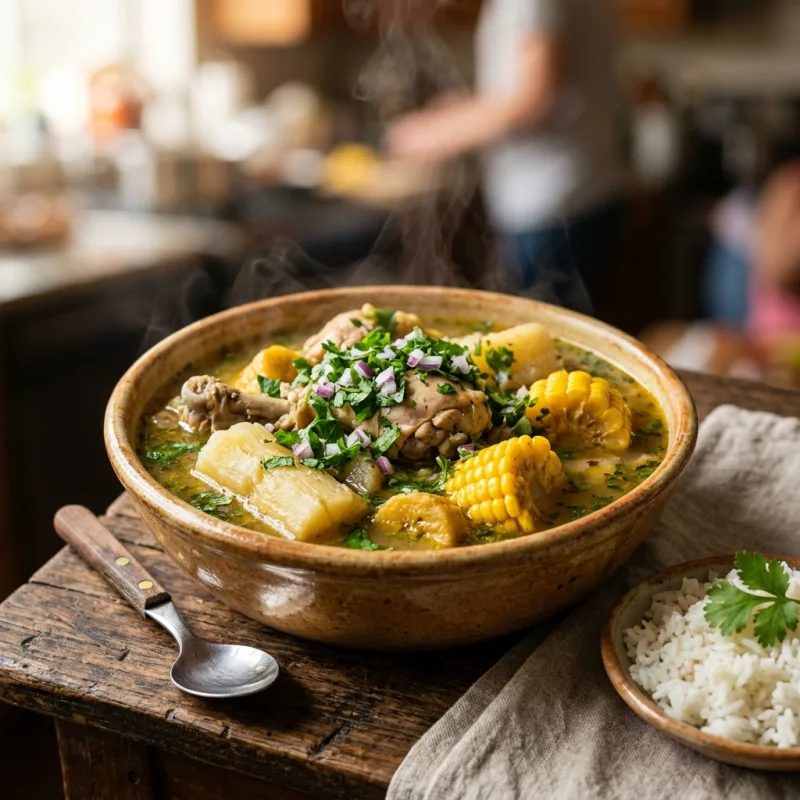
Sancocho de Gallina Panameño
A bowl of traditional Panamanian Sancocho chicken soup

Maya’s Final Checklist for Panama

Logistics shouldn’t be the focus of your trip—the experience should. I’ve hand-vetted these essential partners to ensure your arrival, stay, and exploration are as smooth as an Athenian breeze.

Maya, the human travel expert at TravelingWiz, offering curated, non-AI expertise

Where to Stay

Compare accommodation options and choose a stay that suits your plans and budget.

Air Travel

Compare flight options and find a route that fits your plans.

Local Guides

Connect with local guides for personalized help planning and exploring.

Travel Protection

The “Engineer’s” rule: always have a backup. Secure your trip with a plan that covers every “what if” and unexpected change.

Car Rentals

Compare rental options and choose a car that suits your trip.

Visa Information

Don’t let paperwork slow you down. Get expert assistance with your application to ensure all your entry documents are in order.

FAQs

No, Panama uses the US Dollar alongside its own currency, the Balboa, which is pegged 1:1 to the USD. US paper money is used everywhere, while Balboas only exist as coins.
Tap water is safe to drink in Panama City and most major towns, including Boquete and Volcán. However, stick to bottled water in Bocas del Toro, San Blas, and remote rural areas.
You can reach the San Blas Islands by booking a 4×4 transfer from Panama City to the port of Cartí (about 2.5 hours), followed by a water taxi to your chosen island. Alternatively, short domestic flights are available.

Your Insights Matter

TravelingWiz grows through the stories of our community. If you’ve recently explored ,Panama share your tips and stories to help us perfect our guides for the next traveler.

Where should we send your offline card?

We hate spam just as much as you do

newsletter_consent *