Southern Belize encompasses the two southernmost districts of Belize: Stann Creek and Toledo. Unlike the busier tourist hubs of the northern cays, the south moves at a distinctly slower rhythm, celebrated for its raw nature and deep cultural richness. It is the heartland of the Garifuna people—descendants of Afro-Indigenous shipwreck survivors who arrived in the 19th century—as well as thriving modern Mopan and Q'eqchi' Maya villages that maintain centuries-old farming traditions.
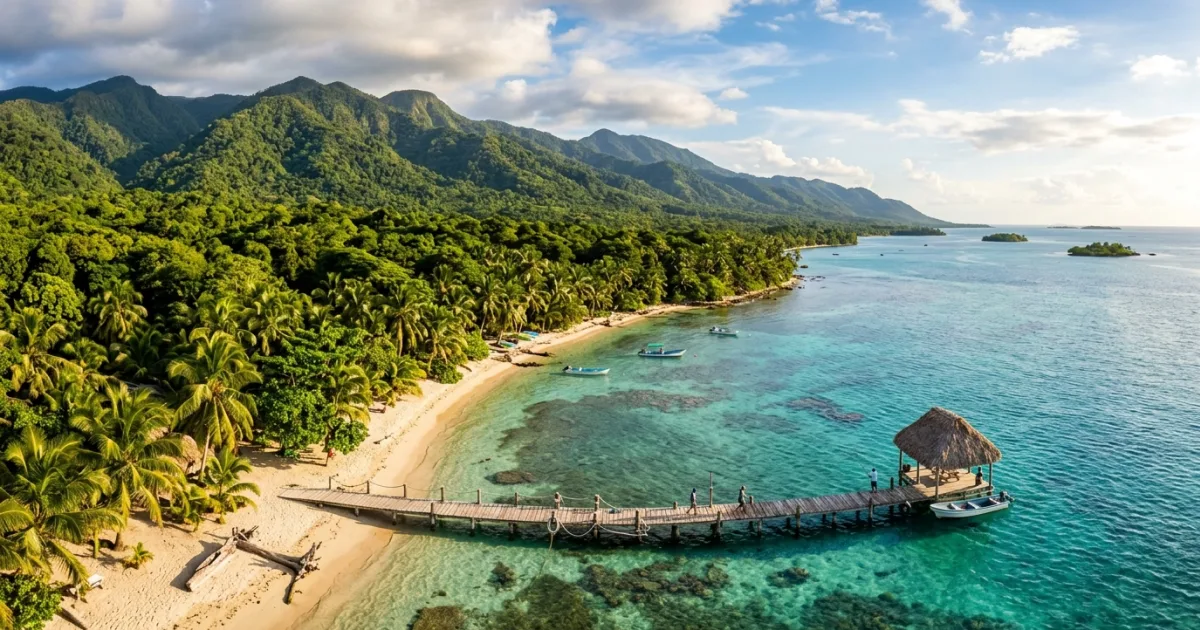
Geographically, Southern Belize is a tapestry of biodiversity. To the west rise the Maya Mountains, carpeted in dense primary rainforest and home to the world's only dedicated jaguar preserve at Cockscomb Basin. To the east, calm Caribbean waters lap against white-sand spits and mangrove estuaries, giving way to pristine marine reserves, coral atolls, and world-class flats for permit and bonefish angling. Whether staying in luxury overwater cabanas in Placencia or eco-lodges nestled in Toledo's cacao belt, the south offers an immersive, authentic escape.
Reasons to Visit
- Unfiltered cultural immersion into Garifuna drumming traditions in Hopkins and Seine Bight.
- World-renowned conservation at Cockscomb Basin Wildlife Sanctuary, famous for wild cat research and pristine jungle hiking.
- Hands-on cacao and organic chocolate-making tours on indigenous Maya family farms in the Toledo District.
- Laid-back coastal living with sandy beaches, sidewalk bars, and breezy seaside boutique resorts along the Placencia Peninsula.
- Incredible underwater clarity at pristine marine reserves like Laughing Bird Caye and Silk Caye.
- Lesser-crowded ancient Maya ruins, including the dramatic megalithic plazas of Lubaantun and Nim Li Punit.
Things to Avoid
- Avoid driving unpaved backroads during heavy tropical storms without a high-clearance 4WD vehicle.
- Avoid touching or stepping on delicate coral reefs while snorkeling along offshore marine sanctuaries.
- Avoid planning an itinerary based solely on card payments, as small-town vendors and transport services operate entirely on cash.
- Avoid drinking unfiltered tap water in isolated rural settlements; always stick to bottled or purified water.
- Avoid hiking deep into jungle reserves after mid-afternoon without a certified local guide or a reliable headlamp.
Local Transportation Tips
Travel within Southern Belize depends largely on the destination style. For coastal exploration along the Placencia Peninsula, golf carts, bicycles, and short taxi rides are the norm. To travel between towns, the Southern Highway is paved and smooth, serviced by regular local buses operating between Dangriga, Independence (Mango Creek), and Punta Gorda. For exploring the inland rainforests, waterfalls, and cacao farms of Toledo, renting a high-clearance four-wheel-drive vehicle from Belize City or Placencia is the most flexible option. Water taxis regularly link coastal hubs with offshore cays and neighboring marine reserves.
Travel Etiquette
- Always greet locals with a warm 'Good morning' or 'Good afternoon' before asking questions or conducting transactions.
- Ask permission before photographing residents, particularly in rural Maya villages and traditional Garifuna ceremonies.
- Respect local conservation laws by never removing conch shells, sea life, or coral fragments from beaches and marine reserves.
- Dress modestly when stepping away from the resort beach and visiting local town shops, markets, and municipal buildings.
- Tipping between 10% and 15% is customary and appreciated for tour guides, boat captains, and restaurant staff.
Recommended Age Group
Southern Belize accommodates diverse travelers, though its eco-adventure and outdoor orientation best suit active explorers and nature lovers.
- Babies (0-2 years): Neutral. High humidity, tropical mosquitoes, and unpaved terrain can present logistical challenges for strollers, though peaceful beachfront resorts offer comfortable downtime.
- Kids (3-12 years): Recommended. Children thoroughly enjoy hands-on chocolate workshops, river tubing adventures, shallow caye snorkeling, and spotting monkeys along jungle rivers.
- Teens (13-19 years): Recommended. Outstanding opportunities for sea kayaking, waterfall cliff jumps, Garifuna percussion drum lessons, and world-class scuba diving.
- Adults (20-64 years): Recommended. Perfect balance of wellness eco-lodges, craft cocktails along the Placencia boardwalk, offshore fly fishing, and deep cultural immersion.
- Seniors (65+ years): Neutral. Active seniors will love leisurely birding and scenic coastlines, but those with mobility limitations may find steep Maya ruin stairways and uneven jungle trails challenging.
Accessibility Level: Medium
- Accessibility varies significantly between paved coastal resorts and rugged inland jungle eco-lodges.
- Placencia Village features a flat pedestrian sidewalk, though many smaller beach access points have soft sand that is not wheelchair accessible.
- Modern tour boats and small water taxis rarely feature mechanical boarding ramps or zero-entry boarding facilities.
- Most major Maya archaeological sites feature grass pathways, but climbing historic temples involves steep stone steps without handrails.
- Upscale beachfront boutique hotels in Placencia and Hopkins frequently provide step-free ground-floor suites upon advance request.
Did You Know?
The Cockscomb Basin Wildlife Sanctuary in Southern Belize was established in 1986 through the groundbreaking research of biologist Alan Rabinowitz and remains the world's first and most renowned wilderness preserve dedicated specifically to protecting the wild jaguar.
Cool Statistics
- Over 128,000 acres of protected tropical rainforest span the Cockscomb Basin Wildlife Sanctuary.
- The Placencia Peninsula boasts a 16-mile-long continuous ribbon of golden-sand beaches.
- Southern Belize is home to more than 300 resident and migratory bird species, including the scarlet macaw and keel-billed toucan.






Buy a compatible power adapter for your trip