Disclosure: This site contains affiliate links. We may earn a commission if you make a purchase, at no extra cost to you.

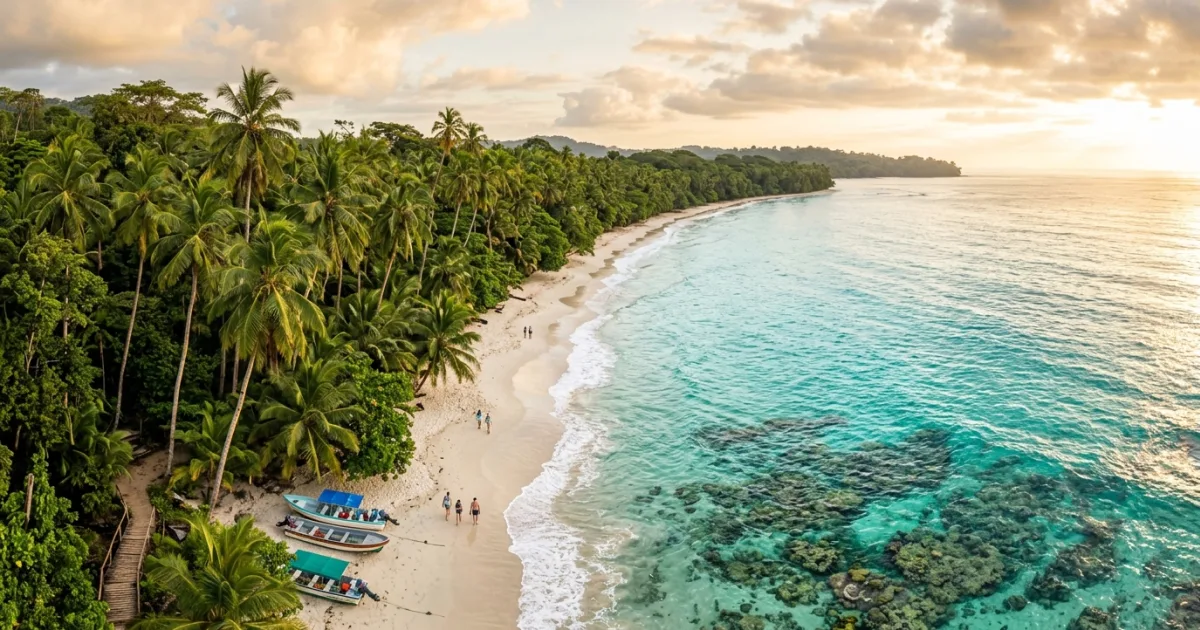
Panoramic view of Cahuita National Park beach with turquoise water and lush tropical jungle in Costa Rica

Cahuita Overview & Key Highlights

Cahuita presents a unique combination of coastal wilderness and Afro-Caribbean community life in Costa Rica's Limon Province. The town is bordered directly by Cahuita National Park, which protects more than 2,700 acres of coastal rainforest and over 55,000 acres of marine habitat. Trails weave alongside turquoise waters, allowing travelers to spot capuchin monkeys, coatis, and yellow-eyelash vipers within paces of the tide line. The adjacent beaches of Playa Blanca and Playa Negra showcase distinct geological contrasts, transitioning from coral-fringed light sands to volcanic black sands. Life in Cahuita moves to an unhurried Caribbean cadence governed by warm sea breezes and local calypso melodies. Travelers discover culinary staples seasoned with coconut milk, ginger, and habanero chiles alongside open-air sodas and beachfront cafes. Accommodation ranges from rustic eco-lodges surrounded by lush tropical gardens to comfortable boutique cabinas. Whether snorkeling the offshore barrier reef during calm sea windows or trekking shaded jungle paths, Cahuita offers an intimate, environmentally minded sanctuary away from mass tourism developments.

Cahuita Travel Guide: Logistics & In-Depth Tips

Cahuita is a coastal gem nestled in the southern Caribbean corner of Costa Rica's Limon Province. Steeped in an enduring Afro-Caribbean identity established by 19th-century Jamaican fishermen and turtle hunters, the town maintains a relaxed and authentic tempo distinct from high-density resort corridors. Its centerpiece is Cahuita National Park, an exemplary protected conservation area managed collaboratively between the Costa Rican government and local community leaders.

The ecosystem of Cahuita features coastal lowland rainforest pressing against a crescent of coral reefs and tranquil beaches. Nature trails allow for effortless encounters with white-faced capuchin monkeys, howler monkeys, raccoons, and vibrant avian species like toucans and green iguanas. The adjacent marine sanctuary protects over 35 species of coral and hundreds of tropical reef fish, offering premier snorkeling during the calm autumn dry window. In town, painted wooden houses, calypso melodies, and the fragrance of coconut-laced cuisine foster an inviting environment where sustainable ecotourism and vibrant cultural heritage thrive side by side.

Reasons to Visit

  • Exceptional coastal wildlife viewing along the flat, accessible rainforest trail of Cahuita National Park.
  • Vibrant Afro-Caribbean culture expressed through authentic reggae music, calypso legends, and warm hospitality.
  • Extensive living coral barrier reefs offering rich snorkeling experiences alongside licensed community guides.
  • Stark geological coastal beauty transitioning from golden sands at Playa Blanca to dark magnetic sands at Playa Negra.
  • Distinctive Caribbean cuisine centered on fresh seafood, rich coconut rice and beans, and slow-cooked rondón stews.

Things to Avoid

  • Avoid touching or feeding wild animals, particularly white-faced capuchin monkeys, which can become aggressive when food is introduced.
  • Do not swim on the outer reef sections or isolated stretches of Playa Negra without checking current tide and rip current conditions.
  • Avoid touching or stepping on live coral heads while snorkeling, as human contact damages delicate polyps that take decades to regrow.
  • Do not carry single-use plastic bottles into Cahuita National Park, as park regulations strictly forbid disposable plastics.

Local Transportation Tips

Cahuita is a compact settlement where the village center, harbor, and national park entrance are easily traversed on foot. For journeys between the Kelly Creek entrance, central accommodations, and Playa Negra, renting a beach cruiser bicycle is the preferred and most practical local method. Regular MEPE regional buses connect Cahuita to Puerto Viejo de Talamanca (20 minutes south) and Limón (45 minutes north) along Highway 36. Local informal taxis congregate near the central bus stop for private transfers to outlying jungle lodges and wildlife sanctuaries.

Travel Etiquette

  • Greet shopkeepers and residents with a friendly 'Buenos días' or 'Buenas tardes' before requesting information or ordering.
  • Ask for permission before photographing local residents, craft makers, or indigenous Bribri artisans selling wares.
  • Respect the community's calm lifestyle by keeping noise levels low in residential and beach zones late in the evening.
  • Support local conservation by contributing a voluntary entry donation when entering Cahuita National Park at Kelly Creek.

Recommended Age Group

Cahuita's gentle coastal topography, shaded hiking routes, and calm beaches make it an exceptionally versatile destination across multiple generations.

  • Babies (0-2 years): Neutral. Tropical humidity, heat, and insects require vigilant management, though the flat park trail is easily navigable with a sturdy baby carrier.
  • Kids (3-12 years): Recommended. Young children will be captivated by wild monkeys, coatis, and sloths lounging right next to the trail, paired with calm, shallow waters at Playa Blanca.
  • Teens (13-19 years): Recommended. Excellent opportunities for beginner surfing at Playa Negra, guided snorkeling across living reefs, and coastal bicycling.
  • Adults (20-64 years): Recommended. Perfect balance of outdoor exploration, Caribbean food culture, eco-lodges, and relaxed beachside living.
  • Seniors (65+ years): Recommended. The flat, unpaved walking paths of the national park offer high-yield wildlife viewing without grueling elevation gain or technical terrain.

Accessibility Level: Medium

  • The initial stretch of Cahuita National Park from the Kelly Creek entrance features a hard-packed sandy dirt path that is relatively flat, but exposed tree roots and sandy sections present challenges for standard wheelchairs.
  • Puerto Vargas sector on the southern end features an elevated wooden boardwalk through coastal swamp forest that provides superior accessibility for visitors with limited mobility.
  • Village streets in Cahuita are mostly unpaved gravel or packed earth with few modern curbs, requiring care when navigating via mobility devices.
  • Several eco-lodges offer ground-floor bungalow accommodations with step-free entrances and accessible open-concept walk-in showers upon request.

Did You Know?

Cahuita National Park is celebrated worldwide as a pioneering model of community-based conservation. Following a public dispute in the late 1990s over national park administration, local residents formed a shared management committee with the Ministry of Environment and Energy (MINAE). To this day, community park rangers manage the Kelly Creek sector, and the entry fee remains an optional donation that funds community development and trail maintenance directly.

Cool Statistics

  • Over 240 species of marine fish and 35 species of coral thrive within Cahuita's protected marine reef reserve.
  • The coastal trail running from Kelly Creek to the Puerto Vargas park station spans 8 kilometers (5 miles) of uninterrupted tropical shoreline.
  • Playa Negra holds a Blue Flag certification, reflecting exceptional ecological quality, clean sands, and community environmental stewardship.


Address:

Cahuita, Costa Rica

Find Nearby Accommodations

Basic Info

address icon

COUNTRY & Region

Costa Rica,
Central America

ACCESSIBILITY LEVEL​

Medium
Currency icon

LOCAL CURRENCY​

Costa Rican Colón (CRC)
Price level icon
Medium
Safety Level icon

SAFETY LEVEL

Duration icon

Recommended Duration

• 1-7 days
• Full day

Electricity

electricity icon

Electricity

110-120V, 
60Hz
Plug Socket icon

Plug Type

• Type A (Flat blade)
• Type B (Flat blade with grounding pin)
Plug types
Click To View Plug Types
Cahuita is part of our
Solo Female Friendly collection

Activities To Do In Cahuita

Best Time To Visit Cahuita

Cahuita experiences a Caribbean microclimate that differs markedly from Costa Rica's Pacific slope, with the driest and calmest weather occurring in early autumn and late winter.

  • September to October: Prime travel window featuring the calmest seas for snorkeling the barrier reef and the least amount of rainfall.
  • February to March: Secondary dry period offering clear hiking trails, abundant wildlife viewing, and reliable sunny days.
  • November to January & May to July: Humid tropical seasons with regular afternoon and overnight rainfall, supporting verdant flora and fewer tourist crowds.

Average Temperatures Per Month

Remember to check the weather forecast a few days before the trip and before heading to the airport.

Safety Level icon

Safety Level

Cahuita is generally safe and peaceful, but basic tropical precautions apply. Never leave personal belongings unattended on the beach while swimming, as opportunistic theft occurs. Exercise caution with ocean rip currents, particularly along Playa Negra and outer points. Stick to well-marked paths inside the national park to avoid venomous snakes such as the fer-de-lance, and carry a flashlight when walking unlit village lanes after dark.

The rating is based on multi-year peace, crime, and security indices. Before you go, always verify current conditions through official government travel advisories.

Emergency Numbers

Police: 911
Ambulance: 911

No internet needed • Includes local translations • Free for TravelingWiz readers

Spoken Languages

Spanish (official), Limonese Creole (Mekatelyu / Patwa), English

Learn The Language

  • Hola: Hello
  • Pura vida: Pure life / Everything is great
  • Por favor: Please
  • Muchas gracias: Thank you very much
  • ¿Cuánto cuesta?: How much does it cost?
  • ¿Dónde está el parque?: Where is the park?
  • La cuenta, por favor: The bill, please
  • Adiós: Goodbye
Travel Booking Partner - TravelingWiz

Trip Cost & Budgeting for Cahuita, 2026

Everything you need to know about money while traveling
Is Cahuita expensive for tourists in 2026? Cahuita offers a relaxed Caribbean vibe at a moderate cost compared to other Costa Rican hotspots. Expect to pay around 2,000 CRC for a coffee, 1,800 CRC for a local beer, and 8,000 CRC for a mid-range main meal. Our Human Verified prices reflect steady local rates. Use the data table below to calculate your specific daily budget based on your travel style.
Currency icon

LOCAL CURRENCY​:

Costa Rican Colón (CRC)
Price level icon
Medium
Most hotels and restaurants accept credit cards, but cash is needed for local buses, beach stalls, and small vendors.

Per person, per day – pocket cash for small purchases.

Local: 6250
Costa Rican Colón (CRC)
≈ 14 USD

Full daily spend estimation (accommodation, food, transportation, attractions).

Travel Style
Costa Rican Colón (CRC)
≈ USD ($)
Budget
34400
76
Mid-range
62500
138
Comfort
137500
303

The Prices, Daily costs, and calculator results are estimates for planning purposes only. Actual costs may vary based on season, booking timing, personal spending habits, and currency fluctuations. TravelingWiz cannot be held responsible for discrepancies between these estimates and your final trip expenses.

  • • Eat at local sodas for affordable traditional casados instead of dining at tourist-oriented beach restaurants.
  • • Take public MEPE buses between Cahuita, Puerto Viejo, and Limon rather than expensive private shuttles.
  • • Cahuita National Park uses a voluntary donation system at the town entrance, offering great budget value.
  • • Withdraw colones from local ATMs rather than paying in US dollars to avoid unfair vendor exchange rates.

Pre-Order Tickets

Avoid disappointment when tickets sell out — and skip the long lines by booking online in advance. You’ll often save up to 20% too.
Save up to 20%

Travel Discounts & Coupons

Save on hotels, attractions, transport, and gear — find verified discounts for smarter travel spending.
Verified Coupons

What To Pack

  • Reef-safe biodegradable sunscreen to protect the fragile marine ecosystem
  • DEET or picaridin insect repellent for jungle boardwalks and evening mosquitoes
  • Sturdy water shoes or strap-on sandals for navigating coral fragments and slick trails
  • Lightweight, breathable quick-dry rain jacket for sudden Caribbean downpours
  • Waterproof dry bag to keep electronics and valuables safe during boat and beach trips
  • Compact binoculars for spotting canopy sloths, toucans, and trogons
We couldn't find tips for Cahuita.
If you got any, please share

Recommended Itineraries for Traveling to Cahuita

We couldn't find itineraries for Cahuita.
you can contact us for custom trip plan

Food & Drink Highlights

Local Food Overview

Cahuita's gastronomy is an intoxicating synthesis of Caribbean tradition, indigenous ingredients, and coastal harvest. Unlike the milder fare of Costa Rica's Central Valley, local cooking relies heavily on freshly pressed coconut milk, aromatic ginger, allspice, thyme, and spicy panamanian peppers (chile panameño). The definitive regional staple is Caribbean rice and beans, simmered in coconut milk and accompanied by tender chicken, beef, or snapper stewed in a dark, slightly sweet brown sauce. Freshly caught red snapper, spiny lobster, and kingfish dominate the coast, often complemented by fried green plantains (patacones) and cassava. Sweet treats feature spiced ginger cakes, plantain tarts, and pan bon—a dense, spiced bread packed with dried fruits.
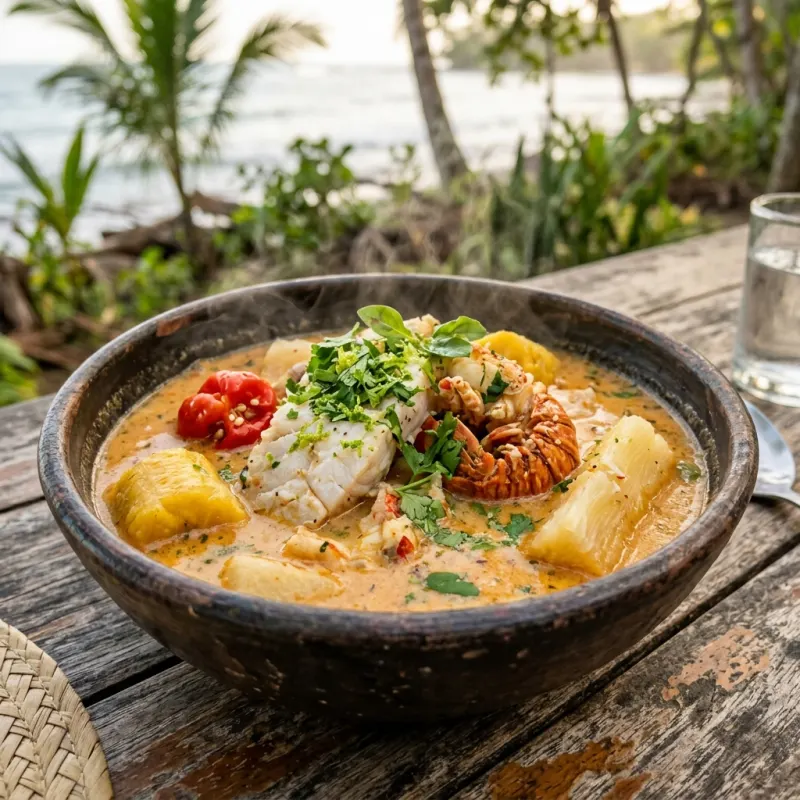
Authentic Caribbean Rondón seafood soup in a rustic bowl with coconut broth and plantains in Cahuita

Must Try Dish

Rondón - A traditional slow-cooked Afro-Caribbean seafood stew simmered in rich coconut milk with fresh fish, cassava, green plantains, breadfruit, and fragrant habanero-like panamanian peppers.
Food Experiences Title Icon

Food
Experiences

Discover cooking classes, tastings and local food tours

No food experience found
Maya, the human travel expert at TravelingWiz, offering curated, non-AI expertise

Maya’s Final Checklist for Cahuita

Logistics shouldn’t be the focus of your trip—the experience should. I’ve hand-vetted these essential partners to ensure your arrival, stay, and exploration are as smooth as an Athenian breeze.

Where to Stay

From boutique hotels to local apartments—compare thousands of options and find the perfect stay in the best neighborhood.

Air Travel

Getting there should be seamless. Compare the best routes and prices across top airlines to start your journey on the right note.

Local Guides

Connect with experts who know the destination best. Get personalized advice and insider tips to help you plan your perfect trip.

Travel Protection

The “Engineer’s” rule: always have a backup. Secure your trip with a plan that covers every “what if” and unexpected change.

Car Rentals

Explore at your own pace with total freedom. Compare reliable rental options and find the right vehicle for your adventure.

Visa Services

Don’t let paperwork slow you down. Get expert assistance with your application to ensure all your entry documents are in order.

FAQs

To protect the fragile coral reef from damage, official park regulations mandate that all snorkeling on the barrier reef must be conducted under the supervision of a licensed local guide.
Direct public buses operated by MEPE run multiple times daily from San José’s Terminal Atlántico Norte to Cahuita, taking approximately 4 to 5 hours depending on road conditions.
Playa Blanca is a light-sand beach situated inside the national park borders offering calm turquoise shallows, while Playa Negra sits northwest of town featuring dark volcanic sand and gentle surf breaks.
Hotels, larger supermarkets, and upscale restaurants accept cards, but smaller roadside vendors, national park voluntary donation booths, and local transport operate strictly with cash.
Yes, both two-toed and three-toed sloths are frequently observed resting in the coastal almonds and cecropia trees along the main trail connecting Kelly Creek to Puerto Vargas.

Your Insights Matter

TravelingWiz grows through the stories of our community. If you’ve recently explored ,Cahuita share your tips and stories to help us perfect our guides for the next traveler.

Related Articles

Check out our related articles and blog posts to learn even more about the destination.

No related articles found

Don’t Travel Alone

Share with your friends and family

Where should we send your offline card?

We hate spam just as much as you do

newsletter_consent *