>
>
>
Austrian Alps
Austrian Alps

Intro

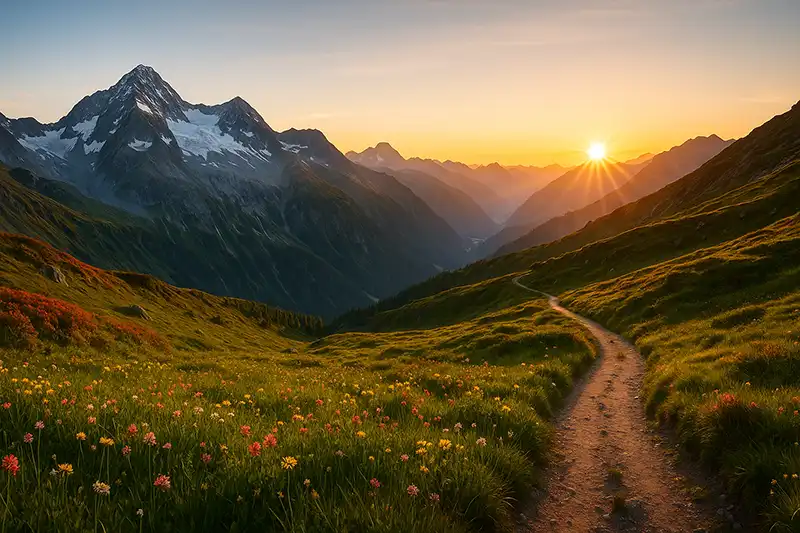
The Austrian Alps stretch across western Austria, offering a year-round paradise for nature lovers, adventure seekers, and cultural travelers. Explore alpine towns like Kitzbühel, Zell am See, and St. Anton, hike panoramic trails like the Eagle Walk, or hit the slopes at world-class ski resorts.

Additional Information

The Austrian Alps cover regions including Tyrol, Vorarlberg, Salzburg, Styria, and Upper Austria. Each offers a unique slice of alpine life, from the luxury and historic charm of Kitzbühel to the glacier adventure at Zell am See. Innsbruck, capital of Tyrol, combines urban charm with mountain access via the Nordkette cable car. Salzburg Alps present a gentler landscape with lakes and moderate trails.

You can enjoy hut-to-hut hiking routes managed by the Austrian Alpine Club, visit traditional alpine farms, and relax in spa towns like Bad Gastein. In winter, resorts like Ischgl, Mayrhofen, and St. Anton offer thrilling ski runs and après-ski scenes. Cultural highlights include alpine dairies, regional festivals, and hearty mountain cuisine.


Accessibility Level: Medium

  • Barrier-free hiking trails (e.g. around Pillersee, Achensee) and over 70 % of major cable‑car venues provide ramps or lifts
  • Many mid-range hotels advertise accessible rooms and bathrooms; barrier‑free public restrooms and wheelchair taxis
  • in some towns
  • Museums, cable cars, and skiing venues include audio guides or tactile features, though Braille signage and sensory‑friendly offerings are limited
  • Verify current accessibility details directly with providers before travel.


Reasons to Visit:

  • Diverse mountain activities year-round
  • Renowned ski resorts and glacier skiing
  • Authentic alpine towns and villages
  • Eco-conscious hiking and local food experiences
  • Cable cars with breathtaking views


Things to Avoid:

  • Ignoring altitude and weather changes
  • Visiting without booking accommodation in peak seasons
  • Driving without a valid motorway vignette
  • Disrespecting trail etiquette or protected nature zones


Local Transportation Tips

Use the excellent public transport network with ÖBB regional trains, post buses, and cable cars. Apps like "ÖBB Scotty" help plan travel. Regional passes like the Tyrol Guest Card often include free local transit and discounts. If driving, ensure you have a motorway vignette, available at border stations and gas stations. Scenic roads like the Grossglockner High Alpine Road are toll roads but offer exceptional views.


Travel Etiquette:

  • Greet with "Grüß Gott" in rural areas
  • Respect quiet hours (especially after 10 p.m.)
  • Follow strict recycling and trail preservation rules
  • Yield to uphill hikers
  • Tipping is appreciated (around 5-10%)


Did You Know?

The Austrian Alpine Club, founded in 1862, maintains over 24,000 km of trails and 234 mountain huts, fostering sustainable mountain tourism and offering shelter and meals for hikers across the region.


Cool Austrian Alps Stats:

  • Over 26,000 km of marked hiking trails
  • Kitzbühel ski resort hosts the world-famous Streif downhill race
  • Austria's largest cable car, Penkenbahn, can carry 160 passengers per cabin


Recommended Age Group

Austrian Alps is most suitable for Teens, Adults, and Seniors due to its outdoor adventure options, scenic beauty, cultural depth, and accessibility.

  • Babies (0–2): Not recommended — uneven terrain and altitude make it challenging.
  • Kids (3–12): Partially recommended — family-friendly winter sports and easy trails are available but longer hikes and high altitudes may be difficult.
  • Teens (13–19): Recommended — ideal for skiing, snowboarding, hiking, and alpine culture.
  • Adults (20–64): Highly recommended — extensive hiking, winter sports, cultural experiences, and wellness options.
  • Seniors (65+): Recommended — scenic train rides, gentle walks, spa towns, and relaxed pace activities are suitable.


Address:

Austrian Alps

Find Nearby Accommodations

Basic Info

address icon

COUNTRY & Region

Austria,
Europe
Medium
Currency icon

LOCAL CURRENCY​

Euro (EUR)
Price level icon
High
Safety Level icon
Duration icon

Recommended Duration

• 1-7 days
• More than a week

Electricity

electricity icon

Electricity

220-240V,
50Hz
Plug Socket icon

Plug Type

• Type C (Round pin)
• Type F (Two round pins with earth clips)
Plug types
Click To View Plug Types

Things To Do In Austrian Alps

Total: 1

Activities To Do In Austrian Alps

Best Time To Visit

The best months to visit the Austrian Alps are June–September for hiking and December–March for skiing.

  • Spring (Mar–May): Melting snow reveals waterfalls and wildflowers; great for quiet trails and early skiing.
  • Summer (Jun–Aug): Ideal for hiking, biking, and enjoying alpine huts; long daylight and full greenery.
  • Autumn (Sep–Nov): Cooler temperatures and golden foliage make for excellent scenic drives and tranquil hikes.
  • Winter (Dec–Feb): Peak ski season with abundant snow, festive villages, and top winter sport conditions.

Remember to check the weather forecast a few days before the trip and before heading to the airport.

Safety Level icon

SAFETY Level

Excellent. Austria and its regions, including Tirol and the Austrian Alps, enjoy very low violent crime and strong safety infrastructure, making it a secure travel destination. Still, stay aware of your surroundings in crowded tourist areas and follow standard precautions like securing valuables and travelling with light when exploring off-peak or secluded trails.

The rating is based on multi-year peace, crime, and security indices. Before you go, always verify current conditions through official government travel advisories.

Spoken Languages

The official language is German (Austrian dialects), but English is widely spoken in tourist areas.

Learn The Language

  • Grüß Gott = Hello
  • Danke schön = Thank you very much
  • Sprechen Sie Englisch? = Do you speak English?
  • Wo ist die Seilbahn? = Where is the cable car?
  • Ein Skiticket, bitte = A ski pass, please
  • Ich hätte gern ein Bier = I’d like a beer
  • Entschuldigung = Excuse me / Sorry
  • Wo ist die nächste Hütte? = Where is the nearest hut?

Trip Cost & Budgeting for Austrian Alps, 2026

Everything you need to know about money while traveling
Currency icon

LOCAL CURRENCY​:

Euro (EUR)
Price level icon
High
Cards are widely accepted in Austrian cities and tourist areas, but cash is useful for smaller vendors, local markets, and some mountain huts.

Per person, per day – pocket cash for small purchases.

Local: 50
Euro (EUR)
≈ 59 USD

Full daily spend estimation (accomodation, food, transportation, attractions).

Travel Style
Euro (EUR)
≈ USD ($)
Budget
100
117
Mid-range
150
176
Comfort
300
352

The Prices, Daily costs, and calculator results are estimates for planning purposes only. Actual costs may vary based on season, booking timing, personal spending habits, and currency fluctuations. TravelingWiz cannot be held responsible for discrepancies between these estimates and your final trip expenses.

  • Buy regional passes like the Salzburg Card or Innsbruck Card for free transport and attraction entry.
  • Eat at 'Mittagsmenü' (lunch specials) or local bakeries for affordable, authentic meals.
  • Withdraw cash from bank ATMs to avoid excessive fees; decline dynamic currency conversion.
  • Book accommodation and popular tours well in advance, especially for peak ski or summer seasons.

Pre-Order Tickets

Avoid disappointment when tickets sell out — and skip the long lines by booking online in advance. You’ll often save up to 20% too.
Save up to 20%

Travel Discounts & Coupons

Save on hotels, attractions, transport, and gear — find verified discounts for smarter travel spending.
Verified Coupons

What To Pack

  • Waterproof and layered clothing
  • Sunscreen and sunglasses
  • Sturdy hiking boots
  • Reusable water bottle
  • Trail map or GPS
  • First aid kit and blister care
  • Motorway vignette (for drivers)
We couldn't find tips for Austrian Alps.
If you got any, please share

Recommended Itineraries for this Destination

We couldn't find itineraries for Austrian Alps.
you can contact us for custom trip plan

Food & Drink Highlights

Local Food Overview

Tirolian and Alpine cuisine is a heartwarming celebration of mountain life—featuring rich, earthy flavors with staples like local cheeses, smoky speck, hearty potatoes, butter, and seasonal herbs. Meals often revolve around fried comfort food, dumplings, soups, and sweet treats, reflecting centuries of high-altitude tradition.
Tiroler Gröstl

Must Try Dish

Tiroler Gröstl – A rustic skillet of pan-fried potatoes, speck or bacon, onions, and herbs, crowned with a sunny-side-up egg. Born from leftover Sunday roast, it's a beloved alpine comfort meal served in mountain huts and cozy inns throughout the Austrian Alps, ideal after a day of hiking or skiing.

Food Experiences

No food experience found

GetReady

Plan your trip seamlessly with our trusted partners and expert guidance. Follow these steps to book everything you need or connect with a local tour guide for personalized support

Step 1: Find the Perfect Accommodation

Explore a wide range of hotels, boutique stays, and vacation rentals to suit every traveler’s needs and budget. From luxury options to cozy family stays, find the best place for your trip.

Step 2: Book Your Flights

Secure the best flight deals for your destination. With our trusted partners, booking flights is quick and hassle-free.

Step 3: Let a Tour Guide Help

Not sure where to start? A professional local tour guide can create a customized itinerary or assist you in planning your trip. Make your journey seamless and stress-free.

Step 4: Rent a Car

Travel at your own pace by renting a car. Whether you’re exploring cities or embarking on a road trip, find reliable and convenient car rental options.

Step 5: Get Travel Insurance

Protect yourself and your loved ones with comprehensive travel insurance. Our partners offer plans to cover every aspect of your journey.

Step 6: Need a Visa?

Check visa requirements for your destination and apply quickly with trusted services. Simplify the process and ensure you’re ready to travel without delays.

FAQs

The best time to visit the Austrian Alps is from June to September for hiking and from December to March for skiing and snowboarding.
The Austrian Alps are suitable for families with children aged 3 and up, offering family-friendly resorts, gentle hikes, and alpine playgrounds.
You can travel across the Austrian Alps using ÖBB trains, regional buses, and cable cars. Many guest cards provide free or discounted local transport.
Yes, all drivers in the Austrian Alps must purchase a motorway vignette for highway use, available at border crossings and petrol stations.
Hut-to-hut hikes in the Austrian Alps allow travelers to explore long trails with overnight stays in alpine lodges that offer food and beds.
Yes, glacier resorts like Hintertux and Kitzsteinhorn offer skiing even in summer months.

Help Us Improve

If you visited
Austrian Alps
click here to share your tips and stories.

This will help us improve our guides for the entire travelers community.

Related Articles

Check out our related articles and blog posts to learn even more about the destination.
No related articles found

Don’t Travel Alone

Share with your friends and family

Join travel lovers and get exclusive travel tips, coupons and more!

Register

Now!