

Low – budget‑friendly basics
Medium – moderate mid‑range costs
High – pricey lodging, dining & transport
Disclosure: This site contains affiliate links. We may earn a commission if you make a purchase, at no extra cost to you.
Low – budget‑friendly basics
Medium – moderate mid‑range costs
High – pricey lodging, dining & transport
5 shields = Excellent – very low crime or conflict.
4 shields = Safe – low risk, routine care.
3 shields = Relatively safe – use normal street smarts.
2 shields = Use caution – higher crime or periodic unrest.
1 shields = Avoid – active conflict or extreme danger.
Scores are derived from multi-year peace, homicide and security indices blended into a single 1-to-5 scale.
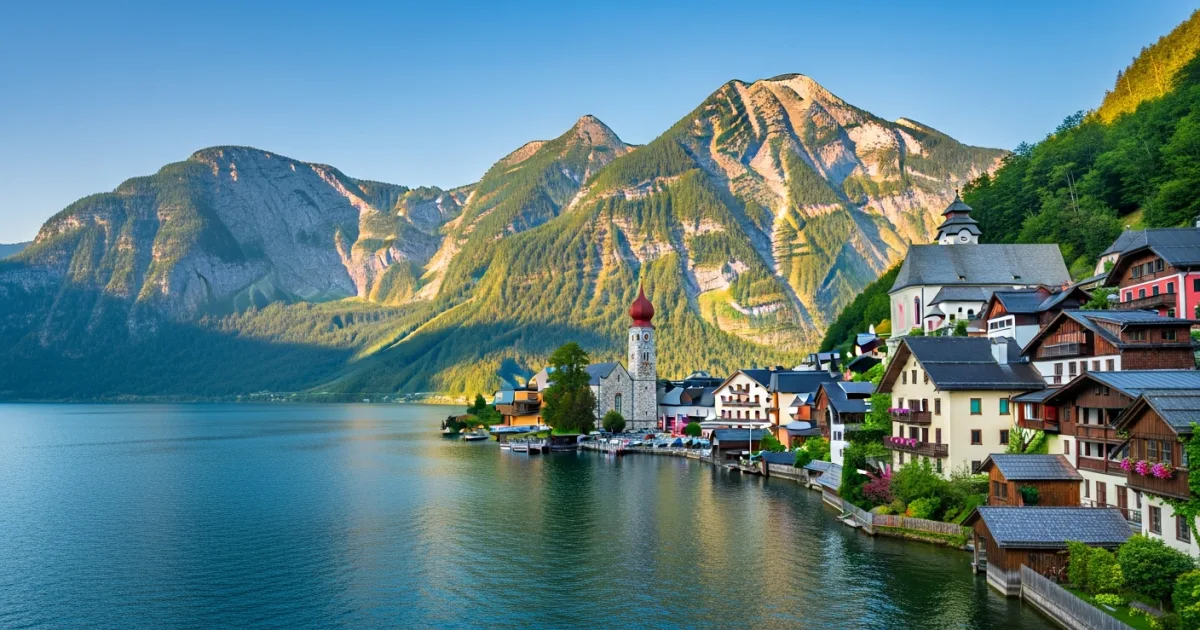
St. Gilgen is a municipality in the Austrian state of Salzburg, situated at an elevation of 545 meters on the northwestern shore of Lake Wolfgang (Wolfgangsee). The town covers an area of 98.67 square kilometers and supports a permanent population of approximately 3,900 residents. Historical records indicate the settlement dates back to 1376, and it gained international recognition as the birthplace of Anna Maria Pertl, the mother of Wolfgang Amadeus Mozart. The local economy relies heavily on tourism, driven by the Zwölferhorn mountain cable car, which transports visitors to an altitude of 1,522 meters, and the region's association with the 1965 film 'The Sound of Music.' Transportation to St. Gilgen is primarily facilitated by the B158 Wolfgangsee Highway, connecting the town to the city of Salzburg, located 29 kilometers to the west. Passenger ferries operate across Lake Wolfgang, linking St. Gilgen with the neighboring towns of St. Wolfgang and Strobl from May through October. The climate is classified as humid continental, with average July highs reaching 24°C (75°F) and January lows dropping to -4°C (25°F). Visitors typically allocate one to three days to explore the Mozart House museum, hike the surrounding Salzkammergut mountain trails, and participate in seasonal events such as the traditional Advent market held in December.
St. Gilgen serves as a primary gateway to the Salzkammergut lake district, characterized by its distinct alpine architecture and historical ties to the Mozart family. The town center features the Mozarthaus, a museum dedicated to the composer's mother and sister, housed in the former district court building constructed in 1620. The parish church of St. Aegidius, with its prominent onion dome, stands as a central architectural landmark dating back to the late Gothic period.
The WolfgangseeSchifffahrt, a historic ferry service operating since 1873, connects St. Gilgen to St. Wolfgang, providing access to the Schafbergbahn cog railway. The surrounding landscape offers over 150 kilometers of marked hiking trails, ranging from flat lakeside promenades to challenging ascents up the Schafberg and Zwölferhorn mountains. During winter, the town shifts focus to its Advent market, which features over 50 traditional wooden stalls and a massive floating lantern placed on the lake.
Public transportation in and around St. Gilgen is highly efficient and integrated into the regional Salzburg Verkehr network. The Postbus 150 is the primary overland route, running frequently between Salzburg and Bad Ischl, with a central stop in St. Gilgen. For travel across the lake, the WolfgangseeSchifffahrt ferry fleet operates regular schedules between St. Gilgen, St. Wolfgang, and Strobl from spring through autumn. The town center itself is compact and fully walkable, rendering a rental car unnecessary for visitors staying locally.
St. Gilgen offers a versatile environment suitable for various age groups, with a strong emphasis on outdoor recreation and accessible cultural sites.
Despite the town's heavy branding around the Mozart family, Wolfgang Amadeus Mozart himself never actually set foot in St. Gilgen. His mother, Anna Maria Walburga Pertl, was born in the town in 1720, and his sister, Nannerl, moved there in 1784 after marrying the local magistrate, Johann Baptist von Berchtold zu Sonnenburg.

The optimal periods to visit St. Gilgen align with the summer outdoor season and the winter holiday markets. Summer provides the best conditions for lake activities, while December offers traditional cultural experiences.
| Month | °C | °F |
|---|---|---|
| Jan | 0 | 32 |
| Feb | 2 | 36 |
| Mar | 5 | 41 |
| Apr | 8 | 46 |
| May | 12 | 54 |
| Jun | 18 | 64 |
| Jul | 19 | 66 |
| Aug | 19 | 66 |
| Sep | 15 | 59 |
| Oct | 12 | 54 |
| Nov | 6 | 43 |
| Dec | 2 | 36 |
Remember to check the weather forecast a few days before the trip and before heading to the airport.
5 shields = Excellent – very low crime or conflict.
4 shields = Safe – low risk, routine care.
3 shields = Relatively safe – use normal street smarts.
2 shields = Use caution – higher crime or periodic unrest.
1 shields = Avoid – active conflict or extreme danger.
Scores are derived from multi-year peace, homicide and security indices blended into a single 1-to-5 scale.
The rating is based on multi-year peace, crime, and security indices. Before you go, always verify current conditions through official government travel advisories.
No internet needed • Includes local translations • Free for TravelingWiz readers

Is St. Gilgen expensive for tourists in 2026? Yes, as a picturesque lakeside resort in Austria, costs here lean toward the higher side. With Human Verified prices, expect to pay around €4.20 for a cappuccino, €5.00 for a local draft beer, and €20 for a mid-range restaurant main dish. Comfortable mid-range daily travel expenses average around €175 per person. Use the data table below to calculate your specific daily budget based on your travel style.
Low – budget‑friendly basics
Medium – moderate mid‑range costs
High – pricey lodging, dining & transport
Per person, per day – pocket cash for small purchases.
Full daily spend estimation (accommodation, food, transportation, attractions).
Travel Style | Euro (EUR) | ≈ USD ($) |
|---|---|---|
Budget | 95 | 110 |
Mid-range | 175 | 202 |
Comfort | 390 | 450 |
The Prices, Daily costs, and calculator results are estimates for planning purposes only. Actual costs may vary based on season, booking timing, personal spending habits, and currency fluctuations. TravelingWiz cannot be held responsible for discrepancies between these estimates and your final trip expenses.
Choose a ready-made itinerary, plan your own trip, and keep TravelingWiz by your side while you travel.
Get the TravelingWiz app →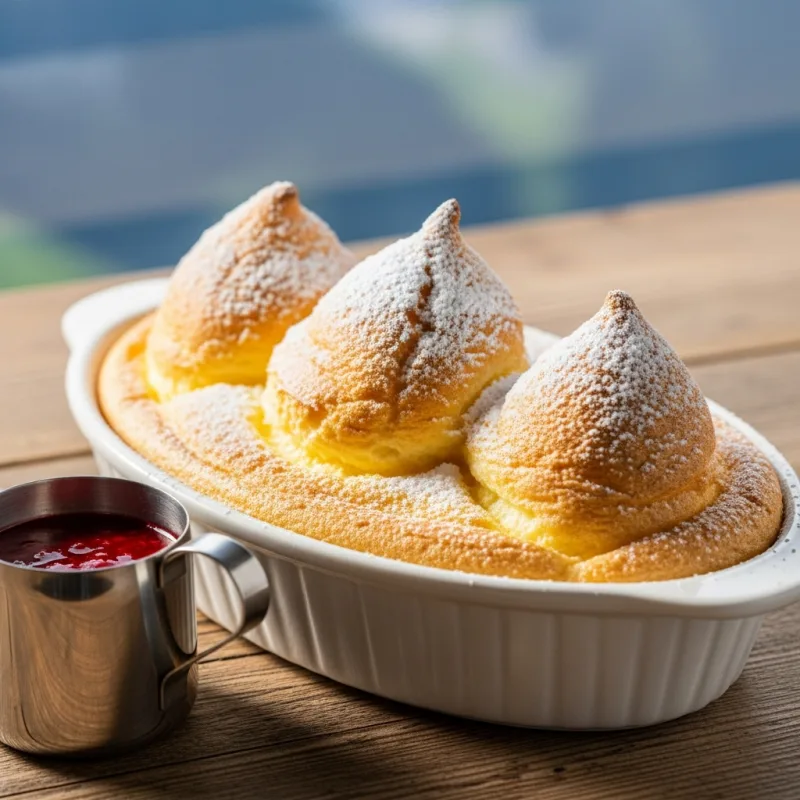
Discover cooking classes, tastings and local food tours
Logistics shouldn’t be the focus of your trip—the experience should. I’ve hand-vetted these essential partners to ensure your arrival, stay, and exploration are as smooth as an Athenian breeze.

Compare accommodation options and choose a stay that suits your plans and budget.
Connect with local guides for personalized help planning and exploring.
The “Engineer’s” rule: always have a backup. Secure your trip with a plan that covers every “what if” and unexpected change.
Don’t let paperwork slow you down. Get expert assistance with your application to ensure all your entry documents are in order.
Check out our related articles and blog posts to learn even more about the destination.
Share with your friends and family
