Disclosure: This site contains affiliate links. We may earn a commission if you make a purchase, at no extra cost to you.

>
>
>
>
Karwendel Alpine Park

Karwendel Alpine Park

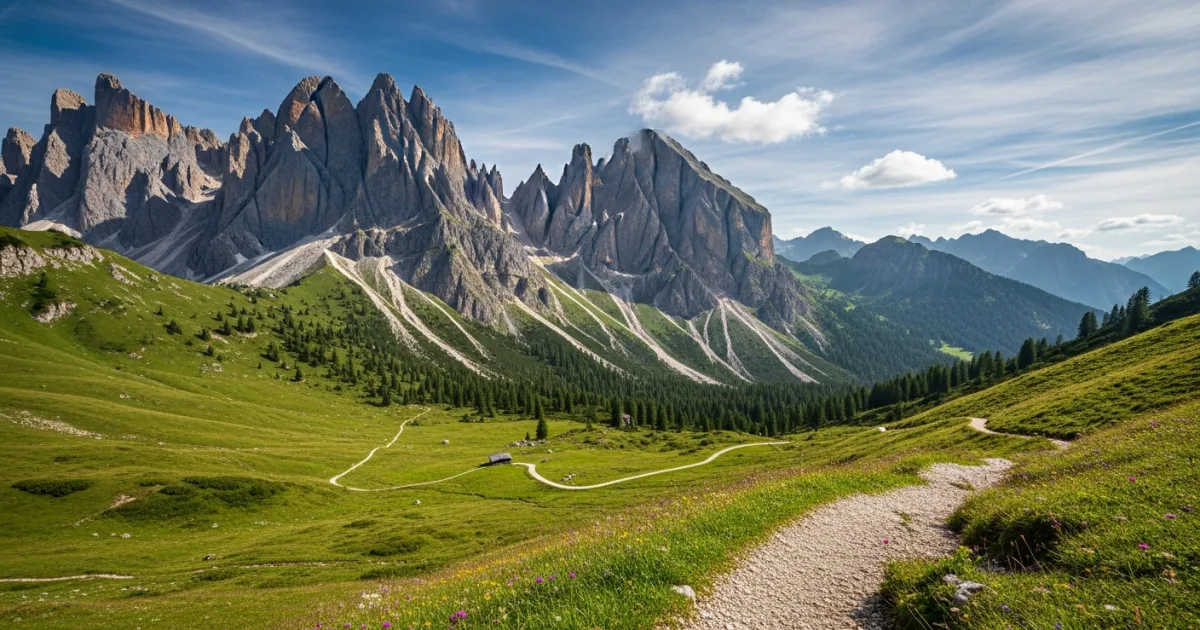
Dramatic limestone peaks and a lush green valley in Karwendel Alpine Park

Karwendel Alpine Park Overview & Key Highlights

Karwendel Alpine Park is the largest nature park in Austria, encompassing a vast expanse of rugged limestone peaks, deep valleys, and pristine alpine rivers. Covering over 700 square kilometers in the Tyrolean Alps, it offers an unparalleled sanctuary for diverse flora and fauna, including golden eagles and chamois. Visitors can explore a network of well-maintained trails that cater to both leisurely walkers and experienced mountaineers seeking challenging ascents. Beyond its dramatic landscapes, the park is deeply rooted in traditional Tyrolean culture, featuring historic alpine pastures where centuries-old farming practices are still maintained. The region provides a perfect escape for those seeking tranquility, outdoor adventure, and a profound connection with nature away from bustling city life. Whether you are embarking on a multi-day trek from hut to hut or enjoying a peaceful afternoon in the Großer Ahornboden, the park delivers an authentic alpine experience.

Karwendel Alpine Park Travel Guide: Logistics & In-Depth Tips

Karwendel Alpine Park is a masterpiece of nature, characterized by its striking limestone formations that rise dramatically above lush, green valleys. As the largest nature park in Austria, it spans a massive area that serves as a crucial habitat for endangered alpine species. The park is renowned for its deep gorges, crystal-clear mountain streams, and the iconic Großer Ahornboden—a valley floor dotted with thousands of ancient sycamore maple trees that turn a brilliant gold in the autumn.

For outdoor enthusiasts, Karwendel is nothing short of paradise. It boasts an extensive network of trails ranging from gentle valley walks suitable for families to the challenging Karwendel Höhenweg, a multi-day high-altitude trek that tests the mettle of seasoned hikers. Along the way, traditional Almen (alpine pastures) and rustic mountain huts offer warm Tyrolean hospitality, providing a place to rest, enjoy local delicacies, and soak in the panoramic views of the surrounding peaks.

Reasons to Visit

  • Experience the largest nature park in Austria, offering untouched alpine wilderness.
  • Hike the famous Karwendel Höhenweg for a world-class multi-day trekking adventure.
  • Witness the breathtaking autumn colors of the ancient sycamore maples at Großer Ahornboden.
  • Spot rare alpine wildlife, including golden eagles, chamois, and marmots in their natural habitat.
  • Enjoy authentic Tyrolean cuisine and hospitality in historic, high-altitude mountain huts.

Things to Avoid

  • Avoid hiking off marked trails to protect the fragile alpine ecosystem and ensure your own safety.
  • Do not attempt high-altitude hikes without checking the weather forecast, as conditions can deteriorate rapidly.
  • Avoid wild camping, which is strictly illegal and heavily fined within the nature park boundaries.
  • Do not approach or feed wildlife, and keep a respectful distance from grazing cattle.
  • Avoid relying solely on credit cards; always carry enough cash for mountain huts and toll roads.

Local Transportation Tips

Accessing Karwendel Alpine Park is best done via the surrounding Tyrolean towns such as Innsbruck, Seefeld, or Pertisau. Public transportation is highly efficient, with regional trains and buses connecting major hubs to the park's entry points. During the summer, special hiker buses (Wanderbusse) operate frequently, dropping visitors at popular trailheads. For those driving, be aware that some access roads, like the one leading to the Eng Alm, are private toll roads. Once inside the park, the only mode of transport is on foot or by mountain bike on designated routes.

Travel Etiquette

  • Always greet fellow hikers on the trail with a friendly 'Servus' or 'Grüß Gott'.
  • Leave no trace: pack out all your trash, including biodegradable items like fruit peels.
  • Respect the quiet of nature; avoid playing loud music or shouting.
  • When passing through gates on alpine pastures, always close them behind you to prevent livestock from wandering.
  • Yield to uphill hikers on narrow trails, as they have the right of way.

Recommended Age Group

Karwendel Alpine Park offers diverse experiences that can be tailored to various age groups, though the rugged terrain dictates accessibility.

  • Babies (0-2 years): Neutral. While flat valley walks like the Eng Alm are accessible with sturdy strollers, the rugged alpine terrain limits extensive exploration.
  • Kids (3-12 years): Recommended. The park offers family-friendly nature trails, wildlife spotting opportunities, and interactive visitor centers that are highly engaging for children.
  • Teens (13-19 years): Recommended. Excellent for active teenagers who enjoy mountain biking, challenging day hikes, and outdoor photography.
  • Adults (20-64 years): Recommended. Ideal for hiking, mountaineering, and experiencing the serene alpine environment and traditional hut culture.
  • Seniors (65+ years): Recommended. Accessible cable cars in nearby gateway towns and flat valley paths provide beautiful views and fresh air without strenuous effort.

Accessibility Level: Medium

  • The Nature Park House in Hinterriß is fully wheelchair accessible and offers interactive exhibits about the region.
  • The Großer Ahornboden and the path to the Eng Alm are relatively flat and paved or packed gravel, making them accessible for sturdy wheelchairs and mobility scooters.
  • Most high-altitude trails and mountain huts are not accessible for individuals with mobility impairments due to steep, rocky, and uneven terrain.
  • Accessible restrooms are available at major visitor centers and select valley restaurants.

Did You Know?

Did you know that the Großer Ahornboden in the Karwendel Alpine Park is home to over 2,000 sycamore maple trees, some of which are more than 600 years old? This unique natural monument was placed under conservation protection as early as 1928.

Cool Statistics

  • Total Area: 727 square kilometers, making it Austria's largest nature park.
  • Highest Peak: Birkkarspitze, standing at 2,749 meters (9,019 feet) above sea level.
  • Wildlife: Home to approximately 1,300 chamois and several breeding pairs of golden eagles.
  • Trails: Features over 1,000 kilometers of marked hiking and mountaineering trails.

Address:

Karwendel Alpine Park, Austria

Find Nearby Accommodations

Basic Info

address icon

COUNTRY & Region

Austria,
Europe

ACCESSIBILITY LEVEL​

Medium
Currency icon

LOCAL CURRENCY​

Euro (EUR)
Price level icon
High
Safety Level icon

SAFETY LEVEL

Duration icon

Recommended Duration

• Full day
• 1-7 days

Electricity

electricity icon

Electricity

220-240V, 
50Hz
Plug Socket icon

Plug Type

• Type C (Round pin)
• Type F (Two round pins with earth clips)
Plug types
Click To View Plug Types
Karwendel Alpine Park is part of our
Coolcation collection

Things To Do In Karwendel Alpine Park

Total: 1

Activities To Do In Karwendel Alpine Park

Best Time To Visit Karwendel Alpine Park

The best time to visit Karwendel Alpine Park depends heavily on your planned activities, with summer being the absolute peak season for hiking and mountaineering.

  • June to September: Ideal for hiking, mountain biking, and accessing high-altitude alpine huts, which are fully operational during these months.
  • October: Offers beautiful autumn foliage, particularly the golden maple trees in the Großer Ahornboden, though higher trails may experience early snowfall.
  • December to March: Perfect for winter sports like snowshoeing, ski touring, and cross-country skiing in the lower valleys, though many high-altitude areas are inaccessible.

Average Temperatures Per Month

Remember to check the weather forecast a few days before the trip and before heading to the airport.

Safety Level icon

Safety Level

Karwendel is generally very safe regarding crime, with the primary risks being environmental. Always check local weather forecasts before hiking, as alpine storms can develop rapidly and bring lightning or sudden temperature drops. Stick to marked trails, wear appropriate footwear, and inform someone of your planned hiking route. Beware of rockfalls in steep areas and keep a safe, respectful distance from wildlife, particularly grazing cows with calves.

The rating is based on multi-year peace, crime, and security indices. Before you go, always verify current conditions through official government travel advisories.

Emergency Numbers

Police: 112 (Universal) / 133
Ambulance: 112 (Universal) / 144

No internet needed • Includes local translations • Free for TravelingWiz readers

Spoken Languages

German is the official language. English is widely spoken in tourist areas, hotels, and by younger locals, though it may be less common among older staff in remote mountain huts.

Learn The Language

  • Hallo (Hello)
  • Danke (Thank you)
  • Bitte (Please / You’re welcome)
  • Sprechen Sie Englisch? (Do you speak English?)
  • Wo ist die Toilette? (Where is the toilet?)
  • Ein Bier, bitte (One beer, please)
  • Die Rechnung, bitte (The bill, please)
  • Auf Wiedersehen (Goodbye)
Travel Booking Partner - TravelingWiz

Trip Cost & Budgeting for Karwendel Alpine Park, 2026

Everything you need to know about money while traveling
Is Karwendel Alpine Park expensive for tourists in 2026? Yes, visiting this popular Austrian alpine destination leans expensive due to high regional resort costs. Based on Human Verified prices, you can expect to pay around €4.20 for a cappuccino, €5.00 for a pint of domestic beer, and €20.00 for a standard restaurant main meal. Mountain huts and local transport also add up quickly. Use the data table below to calculate your specific daily budget based on your travel style.
Currency icon

LOCAL CURRENCY​:

Euro (EUR)
Price level icon
High
Cards are widely accepted, but cash is necessary for mountain huts, small alpine food stands, and trail parking.

Per person, per day – pocket cash for small purchases.

Local: 18
Euro (EUR)
≈ 21 USD

Full daily spend estimation (accommodation, food, transportation, attractions).

Travel Style
Euro (EUR)
≈ USD ($)
Budget
95
110
Mid-range
175
202
Comfort
390
451

The Prices, Daily costs, and calculator results are estimates for planning purposes only. Actual costs may vary based on season, booking timing, personal spending habits, and currency fluctuations. TravelingWiz cannot be held responsible for discrepancies between these estimates and your final trip expenses.

  • • Buy regional guest cards like the Innsbruck Card or Seefeld Card for free or discounted cable cars and local transit.
  • • Pack snacks and water from valley supermarkets like Spar or Hofer before hitting remote alpine hiking trails.
  • • Stay in valley towns such as Scharnitz or Absam instead of luxury ski resort hotels to save on lodging.
  • • Enjoy hearty lunch specials (Mittagsmenü) at traditional Gasthöfe rather than dining out at peak dinner rates.

Pre-Order Tickets

Avoid disappointment when tickets sell out — and skip the long lines by booking online in advance. You’ll often save up to 20% too.
Save up to 20%

Travel Discounts & Coupons

Save on hotels, attractions, transport, and gear — find verified discounts for smarter travel spending.
Verified Coupons

What To Pack

  • Sturdy, broken-in hiking boots with good ankle support for rocky alpine trails.
  • Layered clothing, including moisture-wicking base layers and insulating mid-layers, to adapt to rapidly changing mountain weather.
  • A high-quality waterproof jacket and windbreaker.
  • Sunscreen, sunglasses, and a wide-brimmed hat for high-altitude sun protection.
  • A reusable water bottle, a physical topographic map, and high-energy trail snacks.
We couldn't find tips for Karwendel Alpine Park.
If you got any, please share

Recommended Itineraries for Traveling to Karwendel Alpine Park

We couldn't find itineraries for Karwendel Alpine Park.
you can contact us for custom trip plan

Food & Drink Highlights

Local Food Overview

Tyrolean cuisine is hearty, rustic, and designed to fuel long days in the mountains. Expect rich flavors featuring local alpine cheeses, cured meats, potatoes, and robust breads, often served in cozy, wood-paneled alpine huts.
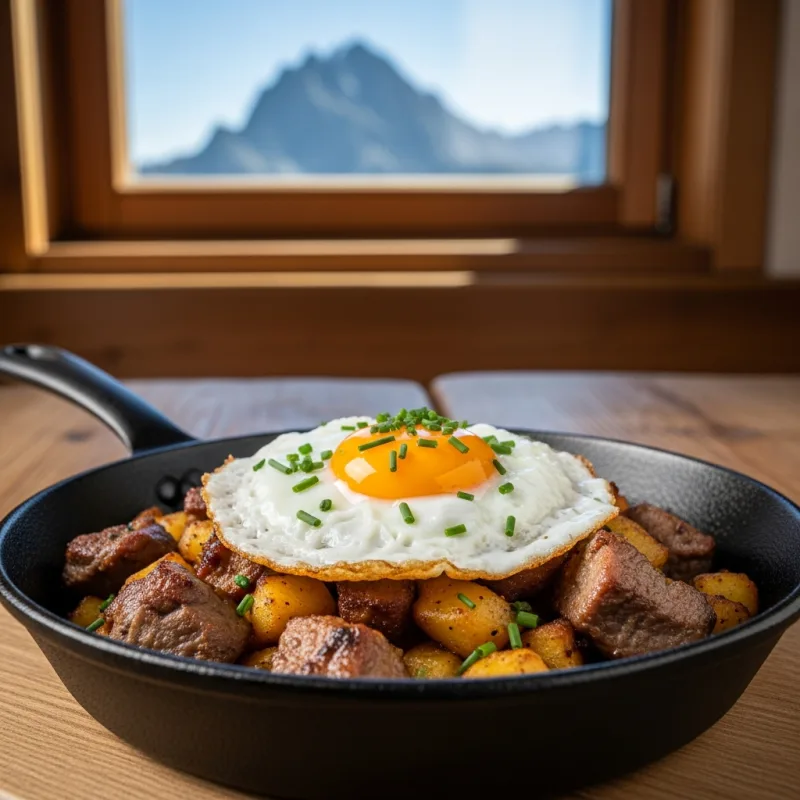
A cast iron pan of Tiroler Gröstl on a wooden table in an alpine setting

Must Try Dish

Tiroler Gröstl - A hearty traditional Austrian dish made with pan-fried potatoes, chopped beef or pork, and onions, typically topped with a fried egg. It is the perfect comforting meal after a long day of hiking in the crisp alpine air.
Food Experiences Title Icon

Food
Experiences

Discover cooking classes, tastings and local food tours

No food experience found
Maya, the human travel expert at TravelingWiz, offering curated, non-AI expertise

Maya’s Final Checklist for Karwendel Alpine Park

Logistics shouldn’t be the focus of your trip—the experience should. I’ve hand-vetted these essential partners to ensure your arrival, stay, and exploration are as smooth as an Athenian breeze.

Where to Stay

From boutique hotels to local apartments—compare thousands of options and find the perfect stay in the best neighborhood.

Air Travel

Getting there should be seamless. Compare the best routes and prices across top airlines to start your journey on the right note.

Local Guides

Connect with experts who know the destination best. Get personalized advice and insider tips to help you plan your perfect trip.

Travel Protection

The “Engineer’s” rule: always have a backup. Secure your trip with a plan that covers every “what if” and unexpected change.

Car Rentals

Explore at your own pace with total freedom. Compare reliable rental options and find the right vehicle for your adventure.

Visa Services

Don’t let paperwork slow you down. Get expert assistance with your application to ensure all your entry documents are in order.

FAQs

No, hiking in the park is free and does not require a permit. However, some private toll roads leading into the park valleys require a fee.
Wild camping is strictly prohibited in the Karwendel Alpine Park to protect the fragile ecosystem. You must stay in designated mountain huts or official campsites in the valleys.
Most high-altitude mountain huts are only open from mid-June to late September or early October, depending on snow conditions.
Yes, there are many flat, well-maintained trails in the valleys (like the Eng Alm area) suitable for beginners, though the high peaks require mountaineering experience.

Your Insights Matter

TravelingWiz grows through the stories of our community. If you’ve recently explored ,Karwendel Alpine Park share your tips and stories to help us perfect our guides for the next traveler.

Related Articles

Check out our related articles and blog posts to learn even more about the destination.

No related articles found

Don’t Travel Alone

Share with your friends and family

Where should we send your offline card?

We hate spam just as much as you do

newsletter_consent *