>
>
>
Tyrol
Tyrol, Austria

Intro

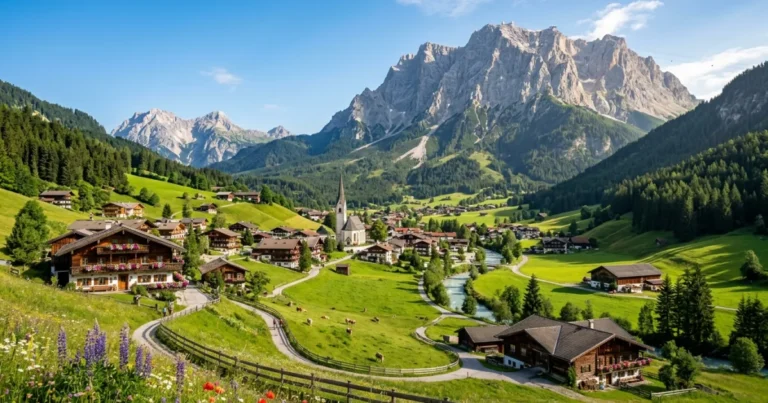
Tyrol, nestled in the heart of the Austrian Alps, is a region of breathtaking natural beauty and rich cultural heritage. Renowned for its majestic mountains, pristine lakes, and charming villages, it offers an unparalleled escape for adventurers and those seeking tranquility alike. From world-class skiing in winter to exhilarating hiking and cycling in summer, Tyrol promises a diverse array of experiences, catering to every traveler's desire for adventure or relaxation. This comprehensive guide will navigate you through the essential aspects of planning your trip to Tyrol, ensuring a memorable and seamless journey. Discover its vibrant traditions, savor its hearty cuisine, and immerse yourself in the stunning alpine landscapes that define this iconic Austrian destination, making it an ideal choice for an unforgettable European getaway.

Additional Information

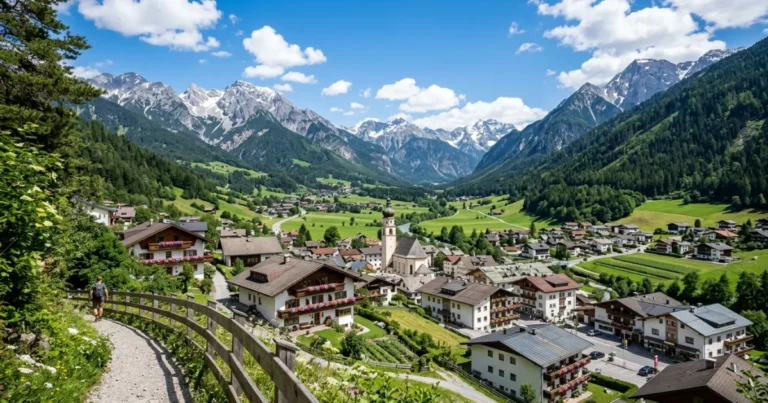
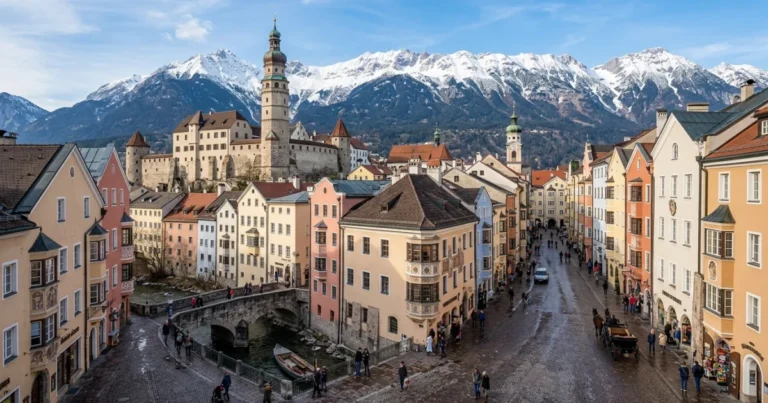
Tyrol, a western Austrian state, is synonymous with the majestic Alps, offering a captivating blend of dramatic natural beauty and deeply rooted cultural traditions. Its capital, Innsbruck, is a vibrant hub that combines imperial history with modern alpine charm. Beyond Innsbruck, the region unfolds into picturesque valleys, dotted with traditional villages, ancient castles, and world-class ski resorts. Whether you're drawn to the thrill of mountain sports, the tranquility of pristine nature, or the allure of historical exploration, Tyrol provides an enriching experience for every type of traveler.

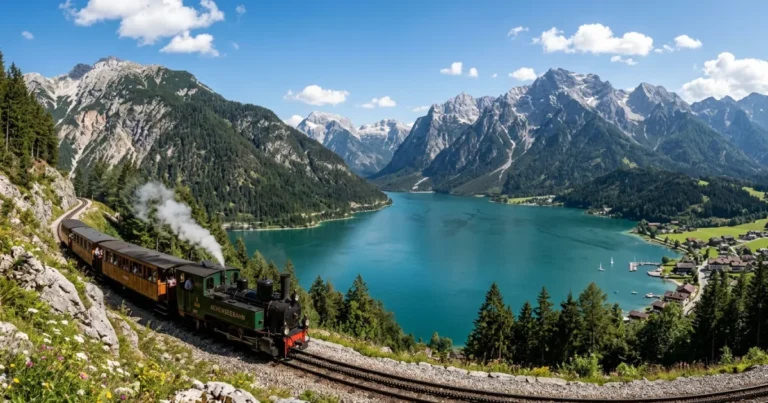
The region's commitment to sustainability and the preservation of its natural environment is evident in its numerous national parks and protected areas, making it an ideal destination for eco-conscious travelers. From the highest peaks of the Ötztal Alps to the serene shores of its many lakes, Tyrol invites visitors to immerse themselves in an authentic alpine lifestyle, characterized by warm hospitality, delicious regional cuisine, and an abundance of outdoor adventures.

Reasons to Visit

  • Stunning Alpine Scenery: Breathtaking mountains, valleys, and lakes provide a picturesque backdrop for all activities.
  • World-Class Skiing & Snowboarding: Home to some of the best ski resorts in the world, offering diverse slopes for all levels.
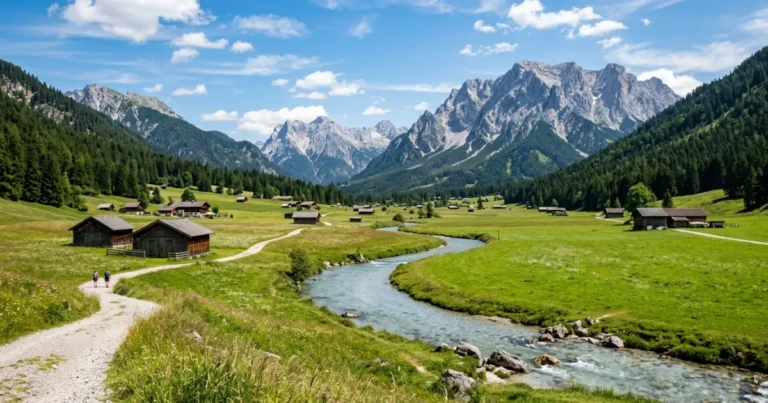
  • Exceptional Hiking & Cycling: Extensive networks of trails cater to all abilities, from leisurely walks to challenging treks.
  • Rich Cultural Heritage: Explore historic castles, imperial palaces, and traditional Tyrolean villages.
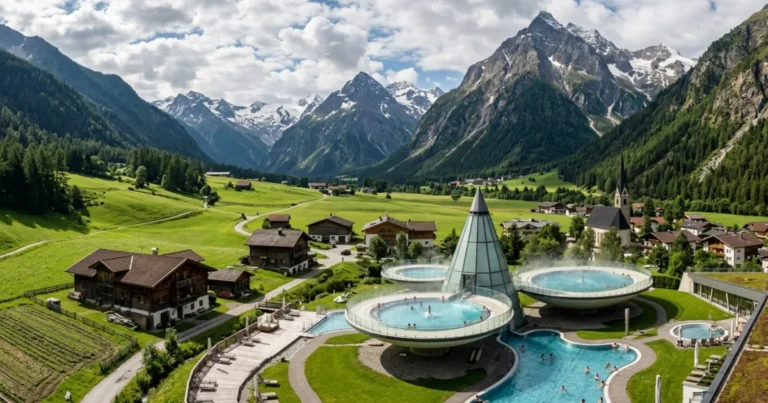
  • Wellness & Relaxation: Numerous spas and thermal baths offer rejuvenation amidst stunning natural settings.
  • Family-Friendly Activities: A wide range of attractions and activities designed for all ages, ensuring fun for the whole family.
  • Delicious Local Cuisine: Savor hearty Tyrolean dishes and regional specialties.

Things to Avoid

  • Underestimating Alpine Weather: Mountain weather can change rapidly; always be prepared for sudden shifts in temperature or precipitation.
  • Ignoring Trail Markings: Stick to marked hiking and skiing trails to ensure safety and avoid getting lost or entering restricted areas.
  • Overpacking: While layers are essential, avoid bringing excessive luggage, especially if you plan to use public transport or move between locations.
  • Not Booking in Advance (Peak Season): During popular ski season or summer holidays, accommodation and popular tours can book up quickly.
  • Disrespecting Local Customs: Be mindful of local traditions and etiquette, especially in religious sites or small villages.
  • Littering: Help preserve Tyrol's pristine environment by always disposing of waste properly.

Local Transportation Tips

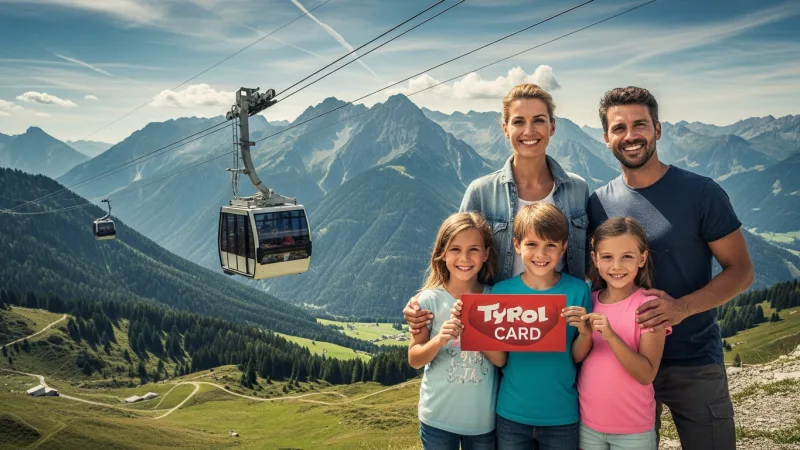
Tyrol boasts an efficient and well-integrated public transportation system. Trains connect major towns and cities, including Innsbruck, while an extensive bus network reaches even smaller villages and mountain valleys. Many regions offer guest cards (e.g., Welcome Card, Zillertal Activcard) that provide free or discounted use of public transport, as well as access to cable cars and attractions. For ultimate flexibility, especially when exploring remote areas or multiple valleys, renting a car is a viable option, though parking can sometimes be challenging in popular spots. Cable cars and gondolas are indispensable for accessing higher altitudes for skiing, hiking, and panoramic views.

Travel Etiquette

  • Greetings: A polite 'Guten Tag' (Good day) or 'Grüß Gott' (a traditional Austrian greeting) is always appreciated.
  • Punctuality: Austrians value punctuality, especially for appointments or reservations.
  • Tipping: Tipping is customary in restaurants and for services. A general rule is to round up the bill or add 5-10% if the service was good.
  • Noise Levels: Be mindful of noise, especially in residential areas and during quiet hours (typically 10 PM to 6 AM).
  • Hiking Etiquette: Stay on marked trails, greet fellow hikers, and take your litter with you.
  • Dress Code: While casual wear is fine for most activities, dress respectfully when visiting churches or formal establishments.

Recommended Age Group

Tyrol is an exceptionally versatile destination, offering a wide array of activities and amenities for every age group, making it an ideal choice for multi-generational travel.

  • Babies (0-2 years): Recommended. Many resorts and towns offer stroller-friendly paths, family-oriented accommodations with childcare services, and serene natural environments for peaceful outings.
  • Kids (3-12 years): Recommended. Tyrol is a paradise for children with numerous adventure playgrounds, easy hiking trails, dedicated ski schools, interactive museums, and animal parks.
  • Teens (13-19 years): Recommended. Teenagers will find plenty of excitement with advanced ski slopes, mountain biking trails, climbing parks, zip-lining, and opportunities for independent exploration in safe environments.
  • Adults (20-64 years): Recommended. This age group can fully enjoy the extensive range of activities, from challenging hikes and extreme sports to cultural tours, fine dining, wellness retreats, and vibrant nightlife.
  • Seniors (65+ years): Recommended. Tyrol offers gentle walking paths, accessible cable car rides to panoramic viewpoints, cultural attractions, thermal spas, and comfortable accommodations, ensuring a relaxing and enriching experience.

Accessibility Level: Medium

  • Public Transport: Many trains and newer buses are wheelchair accessible, but some older routes or smaller village buses may have limitations.
  • Attractions: Major attractions, museums, and cable cars often provide good accessibility, with ramps, elevators, and accessible restrooms. It's advisable to check specific venue websites in advance.
  • Accommodation: A growing number of hotels and guesthouses offer accessible rooms and facilities.
  • Outdoor Activities: While much of Tyrol's terrain is mountainous, efforts are being made to create accessible paths and viewpoints, particularly in national parks and around popular lakes.
  • Information: The official Tyrol tourism website often provides information on accessible travel options.

Did You Know?

Tyrol is home to the 'Ötzi the Iceman' museum in Innsbruck, where the remarkably preserved 5,300-year-old mummy, discovered in the Ötztal Alps, is displayed. The region also hosted the Winter Olympics twice, in 1964 and 1976, solidifying its reputation as a premier winter sports destination. Furthermore, the famous Swarovski Crystal Worlds, a dazzling art installation and museum, is located in Wattens, just outside Innsbruck, offering a unique blend of art and commerce.

Cool Statistics

  • Tyrol is Austria's third-largest state by area.
  • It boasts over 600 peaks higher than 3,000 meters (9,800 feet).
  • The region has more than 80 ski resorts, offering over 3,000 km (1,860 miles) of slopes.
  • Innsbruck, the capital, is the only city in the world to have hosted the Winter Olympics three times (including the Youth Olympics).
  • Tyrol is home to Austria's highest mountain, the Großglockner, though its peak is on the border with Carinthia.


Address:

Tyrol, Austria

Find Nearby Accommodations

Basic Info

address icon

COUNTRY & Region

Austria,
Europe
Medium
Currency icon

LOCAL CURRENCY​

Euro (EUR)
Price level icon
Medium
Safety Level icon
Duration icon

Recommended Duration

• Full day
• Overnight
• 1-7 days
• More than a week

Electricity

electricity icon

Electricity

220-240V,
50Hz
Plug Socket icon

Plug Type

• Type F (Two round pins with earth clips)
Plug types
Click To View Plug Types

Activities To Do In Tyrol

Best Time To Visit

Tyrol is a year-round destination, with distinct charms in each season:

  • **Winter (December - March):** Ideal for skiing, snowboarding, and other winter sports. Christmas markets add a festive touch. Expect cold temperatures and heavy snowfall.
  • **Spring (April - May):** Snow melts, valleys turn green, and wildflowers bloom. Great for hiking at lower altitudes and enjoying fewer crowds. Weather can be unpredictable.
  • **Summer (June - August):** Perfect for hiking, cycling, mountain biking, and water activities on lakes. Warm days, cooler evenings. Peak tourist season.
  • **Autumn (September - November):** Golden foliage, crisp air, and excellent conditions for hiking. Harvest festivals are common. Temperatures drop, and some ski resorts begin to open in late autumn.

Remember to check the weather forecast a few days before the trip and before heading to the airport.

Safety Level icon

SAFETY Level

Tyrol is generally a very safe destination. However, always be mindful of your belongings in crowded tourist areas. When engaging in outdoor activities like hiking or skiing, ensure you are properly equipped, check weather forecasts, and inform someone of your plans. Stick to marked trails and slopes. Be aware of alpine hazards such as changing weather, avalanches (in winter), and falling rocks.

The rating is based on multi-year peace, crime, and security indices. Before you go, always verify current conditions through official government travel advisories.

Spoken Languages

German is the official language. English is widely spoken in tourist areas, hotels, and larger towns, but learning a few basic German phrases will be appreciated by locals.

Learn The Language

  • Guten Tag! (Good day!)
  • Hallo! (Hello!)
  • Danke schön! (Thank you very much!)
  • Bitte schön! (You’re welcome! / Please!)
  • Entschuldigung! (Excuse me! / Sorry!)
  • Sprechen Sie Englisch? (Do you speak English?)
  • Wie viel kostet das? (How much does that cost?)
  • Auf Wiedersehen! (Goodbye!)

Trip Cost & Budgeting for Tyrol, 2026

Everything you need to know about money while traveling
Is Tyrol expensive for tourists in 2026? Tyrol generally falls into a medium price range for travelers. Expect to pay around 3.50 EUR for a cappuccino, 4.50 EUR for a pint of domestic beer, and 25.00 EUR for a standard main meal in a mid-range restaurant. These are Human Verified prices to help set realistic expectations for your trip. Use the data table below to calculate your specific daily budget based on your travel style.
Currency icon

LOCAL CURRENCY​:

Euro (EUR)
Price level icon
Medium
Card payments are widely accepted, but cash is still essential for smaller shops, markets, and some mountain huts.

Per person, per day – pocket cash for small purchases.

Local: 40
Euro (EUR)
≈ 47 USD

Full daily spend estimation (accomodation, food, transportation, attractions).

Travel Style
Euro (EUR)
≈ USD ($)
Budget
105
124
Mid-range
190
224
Comfort
420
495

The Prices, Daily costs, and calculator results are estimates for planning purposes only. Actual costs may vary based on season, booking timing, personal spending habits, and currency fluctuations. TravelingWiz cannot be held responsible for discrepancies between these estimates and your final trip expenses.

  • Book accommodation and ski passes early, especially for peak seasons, to get discounts.
  • Travel during the low season (late spring/early fall) for cheaper rates and fewer crowds.
  • Utilize public transport passes like the VVT Weekly Ticket or regional guest cards for unlimited travel and discounts.
  • Consider cooking some meals by shopping at local supermarkets like Hofer (Aldi) for groceries.

Pre-Order Tickets

Avoid disappointment when tickets sell out — and skip the long lines by booking online in advance. You’ll often save up to 20% too.
Save up to 20%

Travel Discounts & Coupons

Save on hotels, attractions, transport, and gear — find verified discounts for smarter travel spending.
Verified Coupons

What To Pack

  • **Summer:** Lightweight hiking gear, sturdy walking shoes, rain jacket, sun protection (hat, sunglasses, sunscreen), swimwear for lakes/pools, layers for cooler evenings.
  • **Winter:** Warm, waterproof ski/snowboard clothing, thermal layers, waterproof boots, gloves, hat, scarf, sunglasses, lip balm, and appropriate safety gear if engaging in off-piste activities.
  • **Year-round:** Adapter for Type F/C plugs, basic first-aid kit, reusable water bottle, camera, and comfortable casual wear for evenings.
We couldn't find tips for Tyrol.
If you got any, please share

Recommended Itineraries for this Destination

We couldn't find itineraries for Tyrol.
you can contact us for custom trip plan

Food & Drink Highlights

Local Food Overview

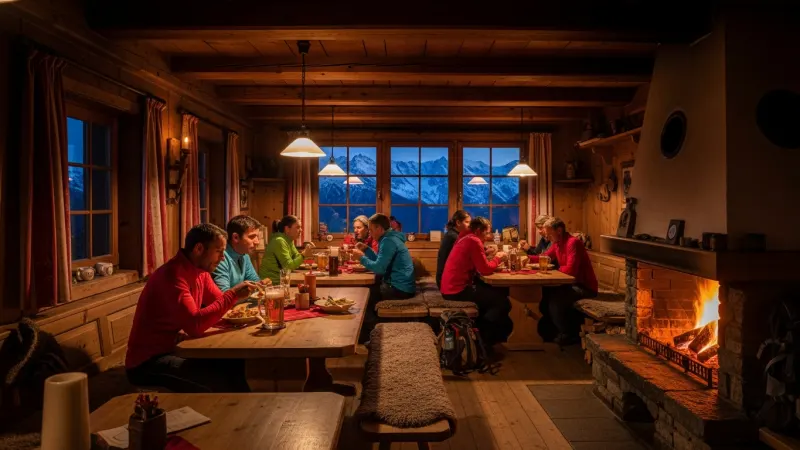
Tyrolean cuisine is hearty, comforting, and deeply rooted in its alpine environment. It features robust flavors, often incorporating local ingredients like cheese, bacon, potatoes, and fresh herbs. Expect substantial dishes designed to fuel a day of mountain activities, alongside delicious pastries and desserts.
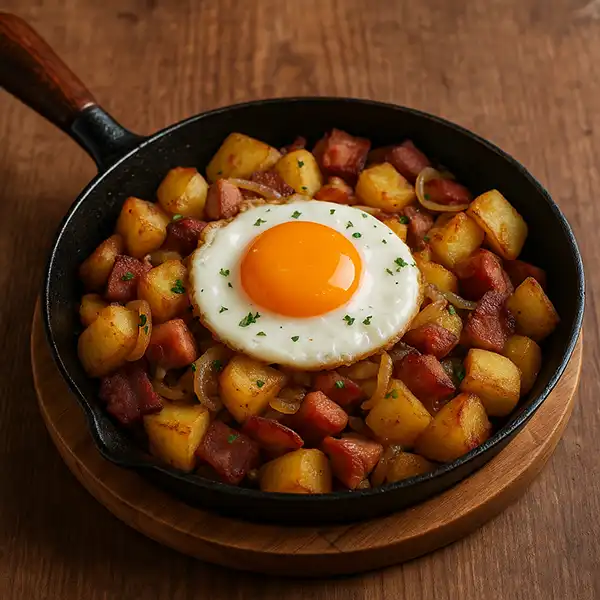
Tiroler Gröstl

Must Try Dish

Tiroler Gröstl - This traditional Tyrolean dish is a savory pan-fried meal made with sliced boiled potatoes, roasted beef or pork, and onion, often topped with a fried egg. It's a wonderfully comforting and flavorful dish, perfect after a day of exploring the mountains.

Food Experiences

No food experience found

GetReady

Plan your trip seamlessly with our trusted partners and expert guidance. Follow these steps to book everything you need or connect with a local tour guide for personalized support

Step 1: Find the Perfect Accommodation

Explore a wide range of hotels, boutique stays, and vacation rentals to suit every traveler’s needs and budget. From luxury options to cozy family stays, find the best place for your trip.

Step 2: Book Your Flights

Secure the best flight deals for your destination. With our trusted partners, booking flights is quick and hassle-free.

Step 3: Let a Tour Guide Help

Not sure where to start? A professional local tour guide can create a customized itinerary or assist you in planning your trip. Make your journey seamless and stress-free.

Step 4: Rent a Car

Travel at your own pace by renting a car. Whether you’re exploring cities or embarking on a road trip, find reliable and convenient car rental options.

Step 5: Get Travel Insurance

Protect yourself and your loved ones with comprehensive travel insurance. Our partners offer plans to cover every aspect of your journey.

Step 6: Need a Visa?

Check visa requirements for your destination and apply quickly with trusted services. Simplify the process and ensure you’re ready to travel without delays.

FAQs

Public transportation in Tyrol is excellent, with a well-connected network of trains and buses. For exploring specific valleys or remote areas, a car can offer more flexibility. Many regions also offer guest cards that include free or discounted public transport.
Absolutely! Tyrol offers numerous winter activities beyond skiing, including snowshoeing, winter hiking, tobogganing, ice skating, and visiting Christmas markets. Many resorts also have wellness facilities and charming villages to explore.
This depends on your nationality. Austria is part of the Schengen Area, so many non-EU citizens may need a Schengen visa. EU citizens can enter freely. Always check the latest entry requirements with the Austrian Embassy or Consulate in your home country well before your trip.
The official currency in Tyrol (and Austria) is the Euro (€). Major credit cards (Visa, Mastercard) are widely accepted in hotels, larger restaurants, and shops, especially in urban areas and resorts. However, it’s wise to carry some cash for smaller establishments, markets, or in more remote villages. ATMs are readily available in towns.
In case of an emergency, the universal European emergency number is 112 for police, fire, and ambulance services. For specific medical emergencies, you can also dial 144 (ambulance) or 140 (mountain rescue). Have your travel insurance details handy and know the location of the nearest hospital or pharmacy.
For reliable mobile internet, consider purchasing a local SIM card from providers like A1, Magenta, or Drei upon arrival, or an eSIM compatible with Austrian networks if your phone supports it. Many hotels, cafes, and public areas also offer free Wi-Fi, but a personal data plan ensures connectivity while exploring.
While many people in tourist-centric areas, especially younger generations and those working in hospitality, speak good English, learning a few basic German phrases like ‘Guten Tag’ (Good day), ‘Danke’ (Thank you), and ‘Bitte’ (Please/You’re welcome) will be greatly appreciated by locals and can enhance your experience, especially outside of major hubs.

Help Us Improve

If you visited
Tyrol
click here to share your tips and stories.

This will help us improve our guides for the entire travelers community.

Related Articles

Check out our related articles and blog posts to learn even more about the destination.
No related articles found

Don’t Travel Alone

Share with your friends and family

Join travel lovers and get exclusive travel tips, coupons and more!

Register

Now!