The Ski Arlberg region operates with a lift capacity of approximately 130,000 people per hour, ensuring efficient movement across the mountains. The Flexenbahn cable car, completed in 2016, connected St. Anton with Lech and Zürs, finalizing the continuous ski network. Beyond winter sports, the Arlberg well.com center provides extensive wellness facilities, including indoor and outdoor pools, saunas, and fitness areas, catering to post-activity recovery.
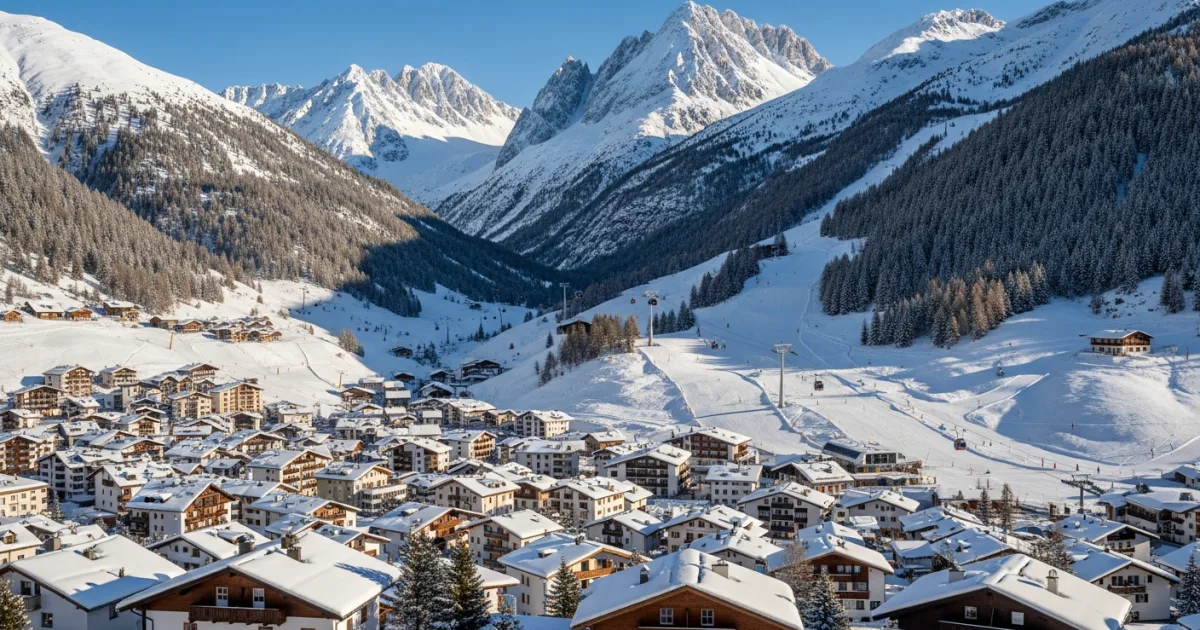
The village architecture blends traditional Tyrolean timber structures with modern alpine design. The pedestrianized main street, Dorfstraße, serves as the commercial hub, housing equipment rental shops, luxury boutiques, and restaurants. Environmental initiatives in the municipality include a biomass heating plant that supplies renewable energy to a significant portion of the local households and hotels.
Reasons to Visit
- Access to 305 kilometers of interconnected ski pistes and 200 kilometers of deep-snow runs.
- World-renowned après-ski venues, including the MooserWirt and Krazy Kanguruh, located directly on the home run.
- A 300-kilometer network of marked hiking trails available during the summer months.
- The Arlberg well.com facility offering comprehensive spa and recovery services.
- Direct international rail access via the centrally located St. Anton am Arlberg train station.
Things to Avoid
- Venturing off-piste without proper avalanche equipment and a certified mountain guide.
- Driving to the resort during heavy snowfall without winter tires and snow chains.
- Underestimating the effects of altitude and sun exposure on the mountain peaks.
- Walking on groomed cross-country ski tracks without skis, which damages the trails.
Local Transportation Tips
St. Anton am Arlberg features a highly walkable village center, with a pedestrian zone restricting vehicle traffic. A comprehensive and free ski bus network connects the surrounding hamlets, including St. Jakob, Pettneu, and Flirsch, directly to the main cable car terminals. The local railway station provides high-speed Railjet connections to Innsbruck, Vienna, and Zurich, making car-free travel highly efficient.
Travel Etiquette
- Greet shopkeepers and locals with 'Grüß Gott' upon entering establishments.
- Respect queue systems at ski lifts and avoid pushing or cutting lines.
- Leave a tip of 5-10% in restaurants by rounding up the bill or handing the cash directly to the server.
- Observe quiet hours in residential areas and hotels, typically enforced after 10:00 PM.
Recommended Age Group
St. Anton am Arlberg provides infrastructure and activities suited for various age demographics, though its challenging terrain and altitude require consideration.
- Babies (0-2 years): Neutral. High altitude and cold weather require careful preparation, though stroller-friendly paths exist in the village valley.
- Kids (3-12 years): Recommended. Ski schools and dedicated children's areas provide structured learning environments for winter sports.
- Teens (13-19 years): Recommended. Extensive ski terrain, terrain parks, and active summer sports cater to high-energy adolescents.
- Adults (20-64 years): Recommended. The combination of challenging pistes, renowned après-ski venues, and wellness facilities aligns with adult preferences.
- Seniors (65+ years): Recommended. Accessible cable cars, groomed winter walking trails, and high-end spa resorts offer comfortable alpine experiences.
Accessibility Level: Medium
- The St. Anton am Arlberg railway station is fully equipped with elevators and tactile paving for visually impaired travelers.
- The Galzigbahn cable car features ground-level entry, allowing wheelchair access to the mountain station.
- Several hotels in the village center offer ADA-compliant rooms and barrier-free access.
- The Arlberg well.com center provides accessible entrances and facilities for visitors with mobility challenges.
Did You Know?
Hannes Schneider founded the first ski school in St. Anton in 1921 and developed the 'Arlberg technique', which revolutionized alpine skiing by introducing the snowplow turn and parallel turning methods.
Cool Statistics
- 305 kilometers of marked ski runs within the Ski Arlberg network.
- 88 cable cars and lifts operating across the connected resorts.
- 2,811 meters is the elevation of Valluga, the highest accessible peak in the area.
- 130,000 people per hour is the total transport capacity of the lift system.
- 1928 marks the year of the first Arlberg-Kandahar ski race.







Buy a compatible power adapter for your trip