Belarus offers a unique journey into a landscape and society that feels like a step back in time. The capital city, Minsk, was almost completely rebuilt after WWII and stands as a remarkably preserved example of a post-war Soviet city, with its wide avenues, vast squares, and imposing architecture. The country's natural beauty is its other main draw, home to a large part of the Belovezhskaya Pushcha, a UNESCO World Heritage site and one of Europe's last and largest remaining parts of the primeval forest that once stretched across the continent. This forest is home to the European bison.
Travel in Belarus offers a glimpse into a country with a unique political path. It is often called "Europe's last dictatorship," and visitors will find a clean, orderly, and tranquil environment. For the experienced traveler with an interest in Soviet history and pristine nature, it is a fascinating destination.
Reasons to Visit (in a stable political context)
- Soviet Architecture of Minsk: Explore a capital city that is a living museum of post-war Stalinist architecture.
- Primeval Forests: Visit the ancient Belovezhskaya Pushcha forest, home to the majestic European bison.
- Fairytale Castles: Discover the beautiful UNESCO-listed castles of Mir and Nesvizh.
- A Glimpse into a Different Europe: Experience a country that has followed a very different path from its European neighbors.
Things to Avoid (Crucial Safety Warnings)
- Political Activities: Do not participate in any protests or demonstrations. Avoid all political conversations and be aware that public spaces are heavily monitored.
- Photography Restrictions: It is illegal to photograph government buildings, military sites, and personnel. Be extremely cautious with photography.
- Ignoring Local Laws: The country is ruled by an authoritarian government. Adherence to all local laws is critical.
- Relying on English: English is not widely spoken. A Russian phrasebook or translation app is essential.
Local Transportation Tips
An efficient and cheap train network connects Minsk with all major towns in the country. Within Minsk, the metro system is clean, reliable, and very easy to use. Buses and marshrutkas (minivans) are also common. To visit the national parks and castles, hiring a car or joining a tour is the best option.
Travel Etiquette
- Greetings: A firm handshake is the standard greeting.
- Punctuality: Being on time for any meetings is expected.
- Respect for History: Be aware that the country suffered immensely during WWII, a topic of great national importance.
- Reserved Demeanor: People can be reserved in public. A calm and polite attitude is appreciated.
Did You Know?
Four of the Nobel laureates in Literature were born within the borders of modern-day Belarus, including Svetlana Alexievich, who was awarded the prize in 2015.
Cool Belarus Stats
- A Green Country: Over 40% of Belarus's territory is covered by forests.
- "Blue-Eyed" Nation: The country has over 11,000 lakes, earning it the nickname the "blue-eyed country."
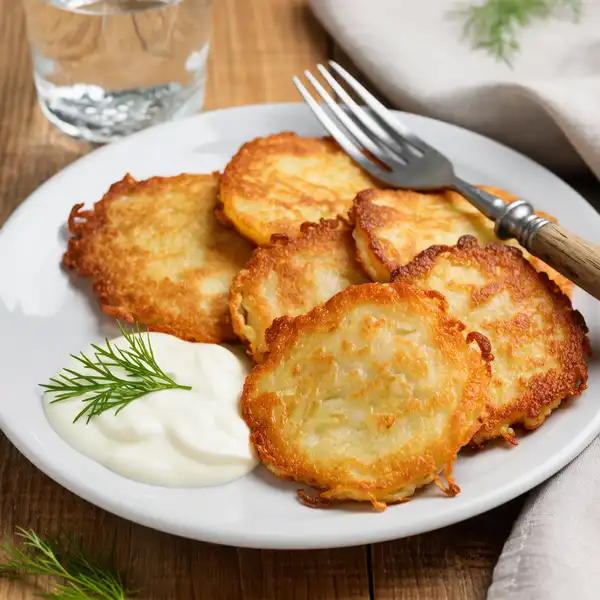
- Potato Capital: Belarus has one of the highest rates of potato consumption per capita in the world, and the vegetable is a cornerstone of the national cuisine.
Recommended Age Group
Due to the current political situation and travel advisories, Belarus is suitable only for experienced Adults who have a specific reason to visit and a clear understanding of the risks.
- Babies (0-2 years): Not recommended.
- Kids (3-12 years): Not recommended.
- Teens (13-19 years): Not recommended.
- Adults (20-64 years): Recommended only for very experienced, resilient travelers who are aware of the political situation and its implications.
- Seniors (65+ years): Not recommended.
Accessibility Level: Low
- The country's infrastructure is not designed for accessibility.
- The wide, flat avenues of Minsk are manageable, but curb cuts are inconsistent.
- The Minsk metro has long escalators and is not accessible.
- Accessible hotel rooms are very rare outside of a few international hotels in the capital.






Buy a compatible power adapter for your trip