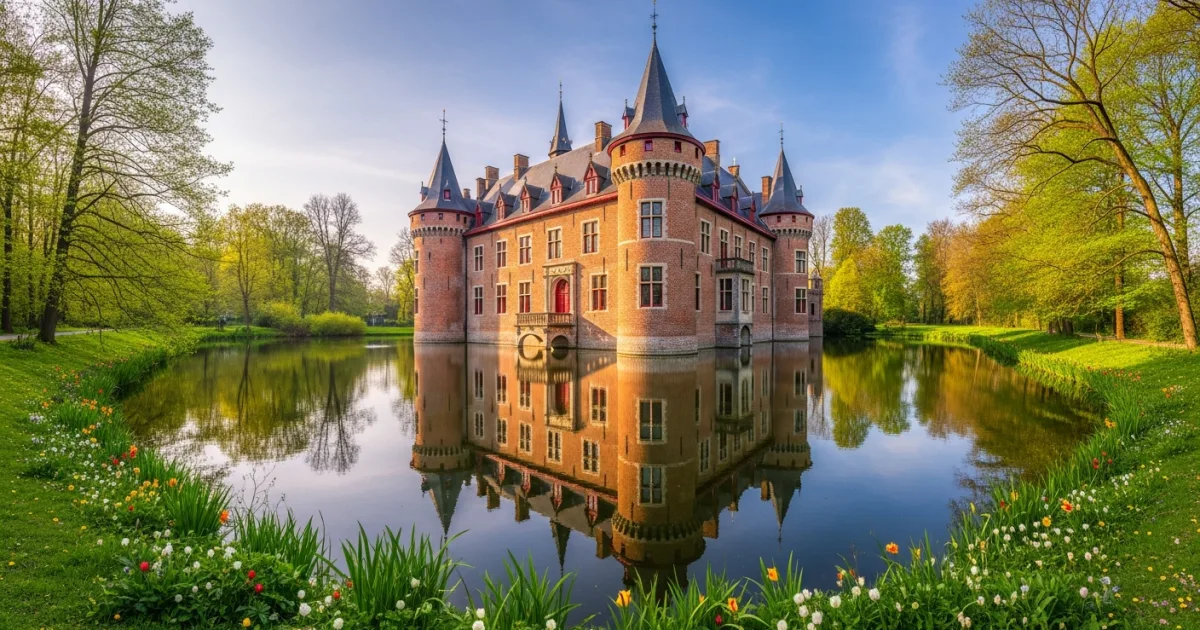
Dilbeek serves as the perfect transition from the bustling urban environment of Brussels to the serene, rolling countryside of the Pajottenland. The municipality is rich in heritage, boasting landmarks such as the 16th-century Sint-Ambrosiuskerk and the striking Kasteel de Viron, a Tudor-style castle that now functions as the town hall. Nature lovers will appreciate the Wolfsputten, a diverse nature reserve offering excellent walking trails through forests and meadows.
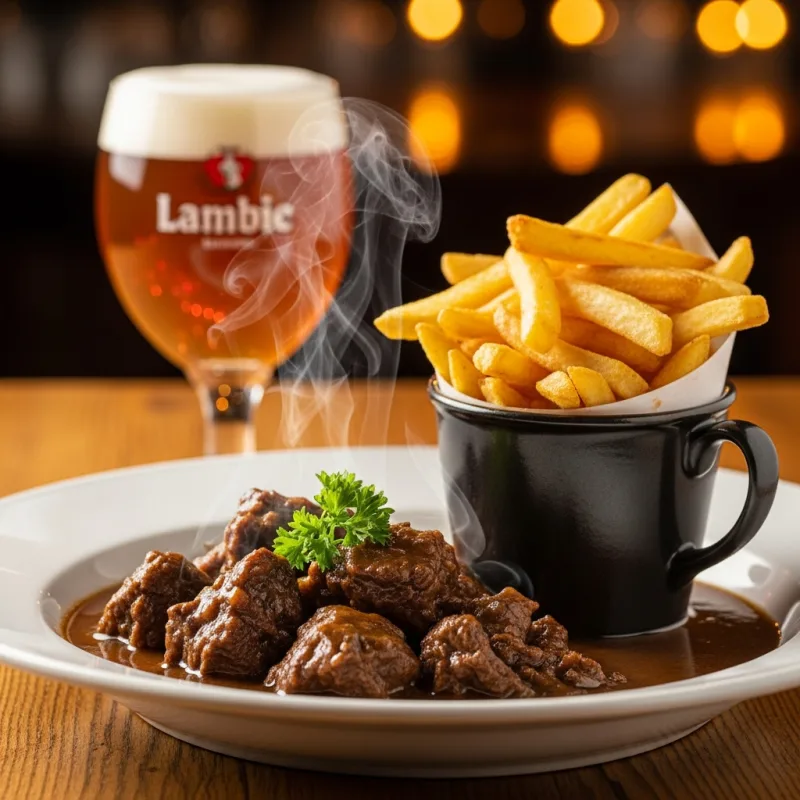
Beyond its natural and architectural beauty, Dilbeek is a haven for gastronomy enthusiasts, particularly those with an appreciation for traditional brewing. The region is the birthplace of Lambic beer, a unique style fermented through exposure to wild yeasts native to the Zenne valley. Visitors can immerse themselves in this culture by visiting local breweries, tasting Geuze or Kriek, and enjoying hearty Flemish cuisine in cozy, historic taverns.
Reasons to Visit
- To explore the beautiful Kasteel de Viron and its surrounding park.
- To cycle or hike through the picturesque landscapes of the Pajottenland.
- To taste authentic Lambic, Geuze, and Kriek beers at local breweries.
- To experience a peaceful, rural atmosphere just minutes away from Brussels.
- To discover historical sites like the Sint-Wivina Abbey ruins.
Things to Avoid
- Avoid relying solely on taxis for transport; public transit and cycling are much more efficient and scenic.
- Don't forget to check the opening hours of local breweries, as many have limited visiting times or require advance booking.
- Avoid staying exclusively in the town center; the true charm of Dilbeek lies in its surrounding countryside and nature reserves.
Local Transportation Tips
Dilbeek is well-connected by public transportation. The town has its own railway station with regular trains to and from Brussels, making it an easy day trip. De Lijn buses also provide extensive coverage throughout the municipality and into neighboring areas. For exploring the Pajottenland, renting a bicycle is highly recommended, as the region features an excellent network of dedicated cycling paths and node-to-node routes.
Travel Etiquette
- Greet shopkeepers and restaurant staff with a polite 'Hallo' or 'Goedemorgen' upon entering.
- Tipping is not mandatory as service is included in the bill, but rounding up or leaving a few euros for good service is appreciated.
- Respect the cycling culture; stay out of designated bike lanes if you are walking.
- When visiting nature reserves, stick to marked paths to protect the local flora and fauna.
Recommended Age Group
Dilbeek offers a relaxed, nature-oriented experience that appeals to various age groups, particularly those who enjoy the outdoors and history.
- Babies (0-2 years): Neutral. The parks are stroller-friendly, but there are limited specific attractions designed for infants.
- Kids (3-12 years): Recommended. Children will enjoy the open green spaces, parks, and family-friendly cycling routes.
- Teens (13-19 years): Neutral. While great for outdoor activities, the town lacks the high-energy entertainment and nightlife teens might seek.
- Adults (20-64 years): Recommended. Excellent for exploring local history, enjoying the Pajottenland cycling trails, and tasting regional lambic beers.
- Seniors (65+ years): Recommended. The flat walking paths, accessible historical sites, and relaxed pace make it an ideal destination.
Accessibility Level: Medium
- The town center and major parks, including the grounds of Kasteel de Viron, are generally flat and accessible for wheelchair users.
- Public transportation, including newer De Lijn buses and trains, offer accessible boarding options, though it is advisable to check specific station facilities in advance.
- Some older historical sites and rural tavern restrooms may have limited accessibility due to narrow doorways or steps.
Did You Know?
Dilbeek is home to the 'Westrand', a prominent cultural center known for its striking brutalist architecture designed by Alfons Hoppenbrouwers. It stands in sharp contrast to the traditional Flemish buildings and castles in the area.
Cool Statistics
- Dilbeek covers an area of approximately 41 square kilometers.
- The municipality is made up of six distinct villages: Dilbeek, Groot-Bijgaarden, Itterbeek, Schepdaal, Sint-Martens-Bodegem, and Sint-Ulriks-Kapelle.
- The Pajottenland region, which Dilbeek borders, is the only place in the world where authentic Lambic beer is brewed due to the specific wild yeasts in the air.






Buy a compatible power adapter for your trip