Disclosure: This site contains affiliate links. We may earn a commission if you make a purchase, at no extra cost to you.
Flanders (Belgium)

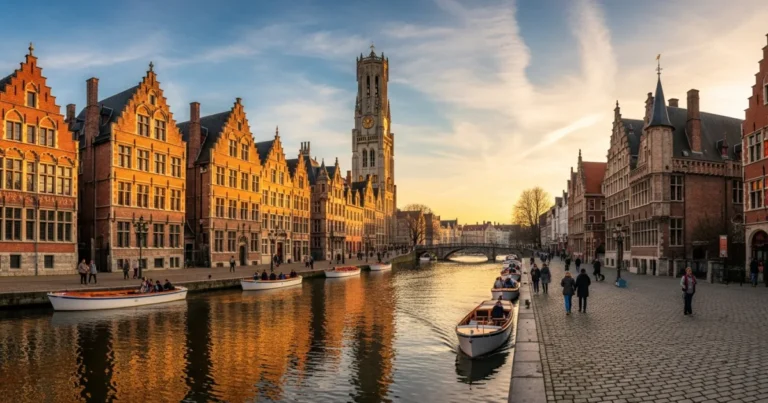
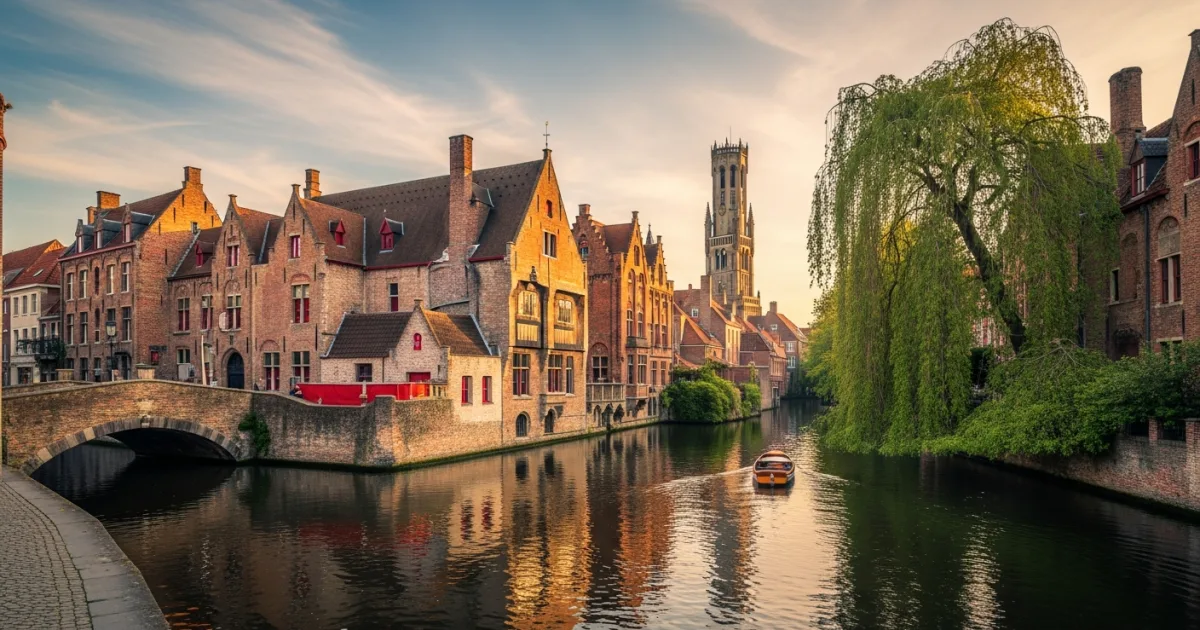
Scenic view of a canal in Bruges, Flanders with medieval architecture at sunset

Basic Info

COUNTRY & Region

Belgium,
Europe

ACCESSIBILITY LEVEL​

  • High: Widely accessible with good facilities for disabilities.
  • Medium: Some accessible options, but limitations exist.
  • Low: Limited accessibility; many barriers for disabilities.
Medium

LOCAL CURRENCY​

Euro (EUR)

Price Level

Low – budget‑friendly basics

Medium – moderate mid‑range costs

High – pricey lodging, dining & transport

Medium

SAFETY LEVEL

5 shields = Excellent – very low crime or conflict.

4 shields = Safe – low risk, routine care.

3 shields = Relatively safe – use normal street smarts.

2 shields = Use caution – higher crime or periodic unrest.

1 shields = Avoid – active conflict or extreme danger.

Scores are derived from multi-year peace, homicide and security indices blended into a single 1-to-5 scale.

Recommended Duration

1-7 days, More than a week

Flanders (Belgium) Overview & Key Highlights

Flanders, the Dutch-speaking northern region of Belgium, is a captivating blend of medieval charm, world-class art, and culinary excellence. Visitors are drawn to its beautifully preserved historic cities, such as Bruges, Ghent, and Antwerp, where cobblestone streets wind past Gothic cathedrals and tranquil canals. Beyond its urban centers, the region offers poignant military history sites, scenic cycling routes, and a vibrant cultural calendar. Traveling through Flanders is remarkably efficient thanks to an extensive and reliable train network that connects major destinations in under an hour. Whether you are indulging in legendary Belgian chocolates, sampling Trappist beers at a local brewery, or admiring the masterpieces of the Flemish Primitives, Flanders provides a rich, multi-sensory European experience. The welcoming atmosphere and widespread English proficiency make it an accessible and highly rewarding destination for all types of travelers.

Flanders (Belgium) Travel Guide: Logistics & In-Depth Tips

Flanders is a region that effortlessly bridges the gap between a rich, storied past and a dynamic, modern present. As the northern half of Belgium, it boasts some of Europe's most picturesque and historically significant cities. Bruges, often called the 'Venice of the North,' enchants visitors with its winding canals and perfectly preserved medieval architecture. Ghent offers a slightly edgier, vibrant university town atmosphere alongside its stunning Gravensteen castle and the famous Ghent Altarpiece. Meanwhile, Antwerp stands as a global fashion hub, the diamond capital of the world, and the home of the legendary painter Peter Paul Rubens.

Beyond the cities, Flanders is a landscape of rolling fields, tranquil waterways, and poignant historical sites. The region around Ypres (Ieper) is deeply moving, offering visitors a chance to reflect on the sacrifices of World War I at numerous memorials and museums. For active travelers, Flanders is a cycling paradise, hosting legendary races and offering thousands of kilometers of scenic, flat bike trails. Culinary enthusiasts will find themselves in heaven, as the region takes its food and drink incredibly seriously. From Michelin-starred dining to humble friteries, and from complex Trappist ales to artisanal chocolates, Flanders is a destination that truly caters to all the senses.

Reasons to Visit

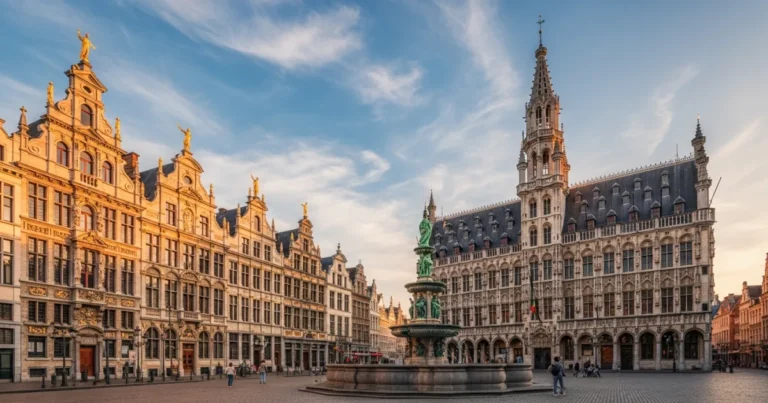
  • Medieval Architecture: Wander through the impeccably preserved historic centers of Bruges, Ghent, and Antwerp.
  • World-Class Art: View masterpieces by the Flemish Primitives, Rubens, and Van Eyck in their original settings.
  • Culinary Delights: Indulge in authentic Belgian waffles, frites, and some of the finest chocolate in the world.
  • Beer Culture: Explore a UNESCO-recognized beer culture with hundreds of unique local brews and historic breweries.
  • Military History: Visit the poignant World War I battlefields, cemeteries, and museums in Flanders Fields.
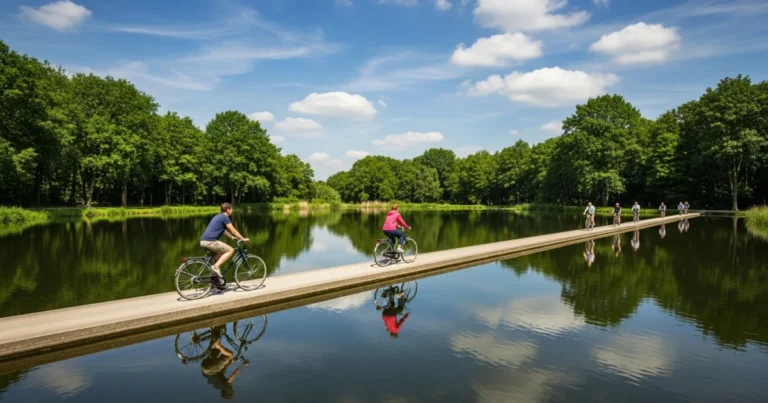
  • Cycling Paradise: Ride along extensive, flat, and well-maintained cycling networks that crisscross the region.

Things to Avoid

  • Only visiting Bruges: While beautiful, Bruges can be very crowded. Don't miss out on the vibrant culture of Ghent or Antwerp.
  • Buying chocolate in tourist traps: Seek out local, artisanal chocolatiers rather than the generic shops lining the main squares.
  • Renting a car for city hopping: Traffic and parking in historic centers are notoriously difficult; the train is much faster and easier.
  • Walking in bike lanes: Cyclists move fast and have the right of way in their designated lanes. Always look before you step!

Local Transportation Tips

Public transportation in Flanders is exceptional. The national railway company (SNCB/NMBS) operates frequent, comfortable trains that connect all major cities and towns. For travel within cities, De Lijn operates an extensive network of buses and trams that are reliable and easy to navigate. Contactless payment is widely accepted on urban transit. Additionally, Flanders is incredibly bike-friendly; renting a bicycle is one of the best ways to explore both the cities and the countryside.

Travel Etiquette

  • Greetings: A handshake is standard when meeting someone for the first time. Close friends may greet with a kiss on one cheek.
  • Language: Always start a conversation in English or Dutch. Avoid assuming locals speak French, as language is a sensitive political topic in Belgium.
  • Tipping: Service is included in restaurant and taxi bills by law. However, rounding up or leaving a few extra euros for exceptional service is appreciated.
  • Punctuality: Belgians value punctuality. Arrive on time for tours, reservations, and meetings.
  • Dining: Keep your hands on the table (not in your lap) while eating, and wait for a toast before taking your first sip of a drink.

Recommended Age Group

Flanders is a highly versatile destination that offers engaging experiences for travelers of all ages, from interactive museums for children to accessible historic sites for seniors.

  • Babies (0-2 years): Recommended. The region is very safe, and amenities for infants are widely available, though cobblestone streets can make stroller navigation bumpy.
  • Kids (3-12 years): Recommended. Children will love the boat rides, interactive chocolate museums, and numerous parks and castles.
  • Teens (13-19 years): Recommended. Teens can enjoy the vibrant street art in Antwerp, cycling tours, and the engaging, interactive history museums.
  • Adults (20-64 years): Recommended. Perfect for adults seeking culinary tours, brewery visits, art history, and romantic city breaks.
  • Seniors (65+ years): Recommended. The excellent public transport, walkable flat cities, and abundance of cultural sites make it highly accessible and enjoyable for older travelers.

Accessibility Level: Medium

  • Most major museums, galleries, and public buildings in Flanders are fully wheelchair accessible.
  • The national railway offers assistance for travelers with reduced mobility, provided it is booked in advance.
  • While historic city centers feature cobblestones which can be challenging, many main paths and squares have been smoothed for better accessibility.
  • Accessible public restrooms are available in major train stations, museums, and large shopping centers.

Did You Know?

Did you know that the saxophone was invented by a Belgian? Adolphe Sax, born in the Walloon town of Dinant but educated in Brussels, patented the instrument in 1846. Furthermore, Flanders is home to the longest tram line in the world; the Kusttram (Coast Tram) runs for 68 kilometers along the entire Belgian coastline, connecting De Panne near the French border to Knokke-Heist near the Dutch border.

Cool Statistics

  • Castles: Belgium has more castles per square kilometer than any other country in the world, many of which are located in Flanders.
  • Beer: There are over 1,500 different types of beer produced in Belgium.
  • Diamonds: Approximately 84% of the world's rough diamonds pass through Antwerp's diamond district.
  • Comics: Belgium has more comic strip creators per square kilometer than anywhere else, giving birth to icons like Tintin and the Smurfs.

Find Nearby Accommodations

Electricity

220-240V, 
50Hz

Plug Type

Type C (Round pin), Type E (Two round pins with earth pin)
Plug types
Click To View Plug Types

Activities To Do In Flanders (Belgium)

Best Time To Visit Flanders (Belgium)

The best time to visit Flanders is during the spring (April to June) and early autumn (September to October) when the weather is mild and the tourist crowds are manageable.

  • Spring: Enjoy blooming flowers, pleasant temperatures, and lively outdoor café culture.
  • Summer: Peak tourist season with warm weather and numerous music and cultural festivals, though cities like Bruges can get crowded.
  • Autumn: Beautiful foliage along the canals and comfortable sightseeing weather.
  • Winter: Colder and darker, but magical with festive Christmas markets and fewer crowds.

Average Temperatures Per Month

Average monthly temperaturesMonthly source values, with Celsius and Fahrenheit equivalents in the following data table.-5°23°4°39°13°55°21°70°30°86°JanJan: 0°C / 32°FFebFeb: 0°C / 32°FMarMar: 4°C / 39°FAprApr: 10°C / 50°FMayMay: 15°C / 59°FJunJun: 20°C / 68°FJulJul: 24°C / 75°FAugAug: 23°C / 73°FSepSep: 19°C / 66°FOctOct: 13°C / 55°FNovNov: 6°C / 43°FDecDec: 2°C / 36°F
View temperature data
Average monthly temperatures
Month°C°F
Jan032
Feb032
Mar439
Apr1050
May1559
Jun2068
Jul2475
Aug2373
Sep1966
Oct1355
Nov643
Dec236

Remember to check the weather forecast a few days before the trip and before heading to the airport.

Safety Level

5 shields = Excellent – very low crime or conflict.

4 shields = Safe – low risk, routine care.

3 shields = Relatively safe – use normal street smarts.

2 shields = Use caution – higher crime or periodic unrest.

1 shields = Avoid – active conflict or extreme danger.

Scores are derived from multi-year peace, homicide and security indices blended into a single 1-to-5 scale.

Safe. Flanders is generally very safe for travelers. Violent crime is rare, but you should exercise normal precautions against petty theft and pickpocketing, particularly in crowded tourist areas, train stations, and major transit hubs like Antwerp or Ghent.

The rating is based on multi-year peace, crime, and security indices. Before you go, always verify current conditions through official government travel advisories.

Emergency Numbers

Police: 112 (Universal) / 101
Ambulance: 112 (Universal) / 100

No internet needed • Includes local translations • Free for TravelingWiz readers

Spoken Languages

Dutch (Flemish) is the official language. English is widely spoken and understood, especially in tourist areas, hotels, and restaurants. French is also spoken by some, though less commonly than in the southern region of Wallonia.
Travel Booking Partner - TravelingWiz

Learn The Language

  • Hallo (Hello)
  • Dank u (Thank you)
  • Alstublieft (Please / Here you go)
  • Ja (Yes)
  • Nee (No)
  • Spreekt u Engels? (Do you speak English?)
  • Hoeveel kost dit? (How much is this?)
  • Waar is het toilet? (Where is the toilet?)

Trip Cost & Budgeting for Flanders (Belgium), 2026

Everything you need to know about money while traveling
Flanders is a moderately priced European destination where historic charm meets solid Western European infrastructure. Human Verified prices show a regular cappuccino costs around €3.80, a pint of local draft beer averages €4.80, and a standard main dish at a mid-range eatery typically runs about €22.00. With TravelingWiz's Human Verified data, a typical traveler should expect to spend around $190 USD per day for a mid-range trip in Flanders (Belgium). Click the Trip Cost Calculator button below the table to work out your personal budget for this trip.

LOCAL CURRENCY​:

Euro (EUR)

Price Level:

Low – budget‑friendly basics

Medium – moderate mid‑range costs

High – pricey lodging, dining & transport

Medium

Cards Vs. Cash

Credit and debit cards are accepted almost everywhere across Flanders, though small cash is useful for public toilets.

How Much Cash to Carry (on you)

Per person, per day – pocket cash for small purchases.

Local: 17
Euro (EUR)
≈ 20 USD

Average Daily Costs (per person)

Full daily spend estimation (accommodation, food, transportation, attractions).

Travel Style
Euro (EUR)
≈ USD ($)
Budget
90
104
Mid-range
165
190
Comfort
360
414
Note

The Prices, Daily costs, and calculator results are estimates for planning purposes only. Actual costs may vary based on season, booking timing, personal spending habits, and currency fluctuations. TravelingWiz cannot be held responsible for discrepancies between these estimates and your final trip expenses.

Best Value Tips

  • • Buy a De Lijn multi-ticket pass to save money on buses and trams in cities like Ghent and Antwerp.
  • • Take advantage of Belgian Rail weekend tickets for 50% off return train travel throughout Flanders.
  • • Grab meals at traditional frietkoten for authentic, low-cost lunches including Belgian fries and local snacks.
  • • Consider a city card or museum pass if you plan to visit multiple historic sites and museums.

Tours & Tickets

Explore tours, attractions, and ticket options to plan your visit.
Plan ahead

Travel Offers & Coupons

Browse travel offers and coupons from our affiliate partners.
Affiliate partner offers

What To Pack

  • Comfortable walking shoes for cobblestone streets.
  • A lightweight rain jacket or umbrella, as showers can be unpredictable.
  • Layers for fluctuating temperatures, especially in spring and autumn.
  • A universal power adapter for Type C or E outlets.
  • A daypack for carrying essentials during city explorations.
Only the good stuff!
Browse recommended travel gear
Check out our free packing list tool

Recommended Itineraries for Traveling to Flanders (Belgium)

Take your itinerary with you

Choose a ready-made itinerary, plan your own trip, and keep TravelingWiz by your side while you travel.

Get the TravelingWiz app

Food & Drink Highlights

Local Food Overview

Flemish cuisine is hearty, comforting, and deeply intertwined with the region's brewing traditions. Expect rich stews, fresh North Sea seafood, world-renowned chocolates, and the iconic Belgian frites, all best enjoyed with a locally brewed Trappist or Abbey beer.

Must Try Dish

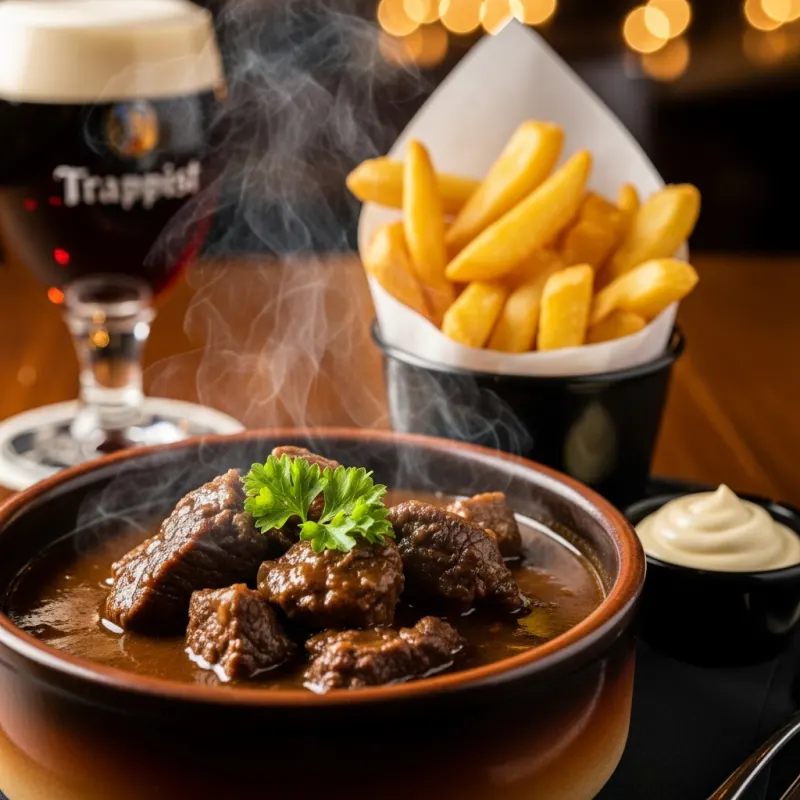
Stoofvlees (Flemish Beef Stew) - This hearty, traditional stew features tender chunks of beef slowly simmered in rich, dark Belgian beer until melt-in-the-mouth perfect. It is traditionally served alongside a generous portion of crispy, golden Belgian frites and a dollop of mayonnaise.
A bowl of traditional Stoofvlees (Flemish beef stew) served with Belgian frites and mayonnaise

Maya’s Final Checklist for Flanders (Belgium)

Logistics shouldn’t be the focus of your trip—the experience should. I’ve hand-vetted these essential partners to ensure your arrival, stay, and exploration are as smooth as an Athenian breeze.

Maya, the human travel expert at TravelingWiz, offering curated, non-AI expertise

Where to Stay

Compare accommodation options and choose a stay that suits your plans and budget.

Air Travel

Compare flight options and find a route that fits your plans.

Local Guides

Connect with local guides for personalized help planning and exploring.

Travel Protection

The “Engineer’s” rule: always have a backup. Secure your trip with a plan that covers every “what if” and unexpected change.

Car Rentals

Compare rental options and choose a car that suits your trip.

Visa Information

Don’t let paperwork slow you down. Get expert assistance with your application to ensure all your entry documents are in order.

FAQs

The Belgian rail network (SNCB/NMBS) is the most efficient and convenient way to travel. Trains are frequent, reliable, and connect major cities like Antwerp, Ghent, and Bruges in under an hour.
No, English is widely spoken and understood throughout Flanders, especially in the hospitality and tourism sectors.
Absolutely. Flanders is famous for its cycling culture. The region is mostly flat and features an extensive, well-marked network of dedicated cycling paths.
Flanders is the northern, Dutch-speaking region of Belgium, while Wallonia is the southern, French-speaking region. They have distinct cultural, linguistic, and historical identities.

Your Insights Matter

TravelingWiz grows through the stories of our community. If you’ve recently explored ,Flanders (Belgium) share your tips and stories to help us perfect our guides for the next traveler.

Where should we send your offline card?

We hate spam just as much as you do

newsletter_consent *