Disclosure: This site contains affiliate links. We may earn a commission if you make a purchase, at no extra cost to you.

>
>
>
>
West Flanders

West Flanders

Scenic view of the Rozenhoedkaai canal in Bruges, West Flanders at sunset

West Flanders Overview & Key Highlights

West Flanders is a captivating province in Belgium that seamlessly blends medieval grandeur with serene coastal landscapes. Visitors can wander through the fairy-tale streets of Bruges, renowned for its intricate canal network and well-preserved historic architecture, before heading to the North Sea coast to enjoy the sandy beaches of Ostend and Knokke-Heist. The region is also deeply steeped in history, offering poignant reminders of the past through the solemn battlefields and memorials of Ypres. Beyond its visual and historical appeal, West Flanders is a haven for gastronomes and culture enthusiasts. The province boasts a rich culinary heritage, featuring world-class chocolates, artisanal cheeses, and the iconic grey shrimp croquettes, all perfectly paired with legendary Belgian beers. Whether you are cycling through picturesque rural landscapes, exploring centuries-old belfries, or simply relaxing by the seaside, West Flanders provides a diverse and enriching travel experience for every type of explorer.

West Flanders Travel Guide: Logistics & In-Depth Tips

West Flanders (West-Vlaanderen) is the westernmost province of the Flemish Region in Belgium, and the only Belgian province with a coastline along the North Sea. This unique geographical position gives it a diverse character, ranging from the bustling maritime atmosphere of its coastal resorts to the quiet, pastoral beauty of its inland polders. The province is a living museum of European history, where medieval wealth is still visible in the towering belfries and cloth halls of its cities, and the scars of the 20th century are solemnly preserved in the Flanders Fields region around Ypres.

Travelers to West Flanders will find a destination that caters to a wide array of interests. Art and architecture lovers will be mesmerized by the Flemish Primitives in Bruges' Groeningemuseum and the stunning Gothic facades. Nature enthusiasts and active travelers can take advantage of the extensive network of cycling nodes (knooppunten) that weave through flat, scenic landscapes, connecting charming villages and historic windmills. Meanwhile, foodies can embark on a culinary journey, sampling everything from Michelin-starred gastronomy to humble, perfectly double-fried Belgian frites, all washed down with a locally brewed Trappist or Abbey beer.

Reasons to Visit

  • Medieval Splendor: Explore Bruges, a UNESCO World Heritage city known as the 'Venice of the North' for its romantic canals and preserved architecture.
  • The Belgian Coast: Enjoy 67 kilometers of sandy beaches, accessible via the world's longest tram line, featuring lively resorts like Ostend and upscale Knokke.
  • WWI History: Visit Ypres and the surrounding Flanders Fields to pay respects at poignant memorials, cemeteries, and the In Flanders Fields Museum.
  • Culinary Excellence: Indulge in authentic Belgian waffles, world-class chocolates, grey shrimp croquettes, and an unparalleled beer culture.
  • Cycling Paradise: Ride through flat, picturesque landscapes dotted with historic windmills, abbeys, and charming rural villages.

Things to Avoid

  • Driving in Bruges city center: The historic center is mostly pedestrianized with narrow, one-way cobblestone streets. Park outside the center and walk or take a bus.
  • Only visiting Bruges: While beautiful, Bruges can be crowded. Don't miss out on the distinct charm of Ypres, Kortrijk, or the coastal towns.
  • Buying chocolate from generic souvenir shops: Seek out authentic, local chocolatiers for the true Belgian chocolate experience rather than mass-produced tourist boxes.
  • Walking in the bike lanes: Bicycles are a primary mode of transport. Always check for dedicated bike lanes (often marked in red) and keep clear of them to avoid accidents.
  • Assuming all museums are open on Mondays: Many museums and historical sites in Belgium are closed on Mondays, so plan your itinerary accordingly.

Local Transportation Tips

Getting around West Flanders is highly efficient thanks to Belgium's dense and reliable public transportation network. The national railway company (SNCB/NMBS) operates frequent trains connecting major hubs like Bruges, Ostend, Kortrijk, and Ypres. For coastal exploration, the Kusttram (Coast Tram) is an iconic and practical choice, running the entire length of the Belgian coast from De Panne to Knokke-Heist, with stops at every seaside town. Inland, De Lijn buses provide comprehensive coverage to smaller villages and rural attractions. For short distances, cycling is deeply ingrained in the local culture; renting a bike is easy, and the region features an intuitive numbered node system (knooppuntennetwerk) that makes navigating the dedicated bike paths a breeze.

Travel Etiquette

  • Greetings: A polite 'Hallo' (Hello) or 'Goedemorgen' (Good morning) when entering small shops or cafes is expected and appreciated.
  • Tipping: Service charge is included in restaurant and taxi bills by law. Tipping is not obligatory, but rounding up the bill or leaving a few Euros for exceptional service is common.
  • Punctuality: Belgians value punctuality. Arrive on time for tours, restaurant reservations, and business meetings.
  • Dining out: Wait to be seated at formal restaurants. When eating, keep your hands on the table (not in your lap), and use utensils for most foods, including fries if served with a main dish.
  • Respecting memorials: When visiting WWI sites and cemeteries in the Ypres area, maintain a quiet, respectful demeanor.

Recommended Age Group

West Flanders is a versatile destination that caters beautifully to travelers of all ages, offering a mix of relaxing scenery, educational history, and engaging activities.

  • Babies (0-2 years): Recommended. The region is safe and clean, though navigating cobblestones in historic centers with a stroller can be slightly bumpy.
  • Kids (3-12 years): Recommended. Children will love the wide sandy beaches, interactive museums like the Choco-Story in Bruges, and family-friendly bike paths.
  • Teens (13-19 years): Recommended. Teens can enjoy the independence of cycling, exploring medieval castles, and the lively atmosphere of coastal towns in the summer.
  • Adults (20-64 years): Recommended. Perfect for adults seeking culinary tours, brewery visits, deep historical exploration, and romantic city breaks.
  • Seniors (65+ years): Recommended. The flat terrain, excellent public transport, and abundance of accessible cultural sites make it highly suitable for older travelers.

Accessibility Level: Medium

  • Many major museums and attractions in cities like Bruges and Ostend are equipped with ramps and elevators for wheelchair users.
  • The historic centers feature cobblestone streets, which can be challenging for mobility devices; however, main paths are often smoothed out.
  • The Belgian railway system offers assistance for travelers with reduced mobility, provided it is booked in advance.
  • The Kusttram (Coast Tram) has low-floor trams on many routes, making boarding easier for wheelchairs and strollers.
  • Accessible public restrooms are available in major train stations, large museums, and modern shopping areas.

Did You Know?

Did you know that the Kusttram (Coast Tram) in West Flanders is the longest tram line in the world? Stretching for 67 kilometers (about 42 miles), it runs along the entire Belgian coastline bordering the North Sea, connecting the town of De Panne near the French border to Knokke-Heist near the Dutch border. It features 67 stops and offers a unique, scenic way to hop between different beach resorts and coastal attractions.

Cool Statistics

  • 67 kilometers: The length of the Belgian coastline, entirely located within West Flanders.
  • 13th Century: The era when the iconic Belfry of Bruges was constructed, standing 83 meters tall with 366 steps.
  • 30,000+: The number of soldiers whose names are inscribed on the Menin Gate Memorial in Ypres.
  • 15 minutes: The frequency of the Coast Tram during the peak summer months.
  • Over 400: The number of different beers brewed in the wider Flanders region, many originating from West Flanders' abbeys and local breweries.


Address:

West Flanders, Belgium

Find Nearby Accommodations

Basic Info

address icon

COUNTRY & Region

Belgium,
Europe

ACCESSIBILITY LEVEL​

Medium
Currency icon

LOCAL CURRENCY​

Euro (EUR)
Price level icon
High
Safety Level icon

SAFETY LEVEL

Duration icon

Recommended Duration

• Full day
• 1-7 days
• More than a week

Electricity

electricity icon

Electricity

220-240V, 
50Hz
Plug Socket icon

Plug Type

• Type C (Round pin)
• Type E (Two round pins with earth pin)
Plug types
Click To View Plug Types

Things To Do In West Flanders

Total: 1

Twilight view of the Rozenhoedkaai canal and Belfry in Bruges, Belgium
Explore Bruges in 2026! Discover the stunning Belfry of Bruges, romantic canal tours, and top travel tips in our ultimate guide.

Activities To Do In West Flanders

Best Time To Visit West Flanders

The best time to visit West Flanders is during the late spring to early autumn months, specifically from May to September. During this period, the weather is generally mild and pleasant, making it ideal for exploring cities, cycling through the countryside, and enjoying the coastal beaches.

  • Spring (April - May): Blooming flowers and fewer crowds, perfect for city exploration.
  • Summer (June - August): Warmest weather, ideal for the North Sea coast and outdoor festivals, though it is the peak tourist season.
  • Autumn (September - October): Beautiful autumn foliage and comfortable temperatures, great for visiting historical sites and enjoying local gastronomy.
  • Winter (November - March): Colder and wetter, but offers magical Christmas markets in Bruges and a cozy atmosphere in local pubs.

Average Temperatures Per Month

Remember to check the weather forecast a few days before the trip and before heading to the airport.

Safety Level icon

Safety Level

Excellent. West Flanders is a very safe region for travelers. Violent crime is extremely rare. Exercise standard precautions against pickpocketing in crowded tourist areas, particularly in the busy squares and train stations of Bruges and Ostend.

The rating is based on multi-year peace, crime, and security indices. Before you go, always verify current conditions through official government travel advisories.

Emergency Numbers

Police: 112 (Universal) / 101
Ambulance: 112 (Universal) / 100

No internet needed • Includes local translations • Free for TravelingWiz readers

Spoken Languages

Dutch (Flemish) is the official language. English is widely spoken and understood, especially in tourist areas. French and German are also spoken by many locals.

Learn The Language

  • Hallo (Hello)
  • Dank u (Thank you)
  • Alstublieft (Please / Here you go)
  • Ja (Yes)
  • Nee (No)
  • Waar is het toilet? (Where is the toilet?)
  • Hoeveel kost dit? (How much is this?)
  • Tot ziens (Goodbye)
Travel Booking Partner - TravelingWiz

Trip Cost & Budgeting for West Flanders, 2026

Everything you need to know about money while traveling
Exploring West Flanders leans toward the pricier side due to popular historic strongholds like Bruges, though smart planning keeps expenses manageable. Based on Human Verified prices, you can expect to pay around 4.00 EUR for a cappuccino, roughly 5.50 EUR for a pint of beer, and about 22.00 EUR for a mid-range restaurant main course. With TravelingWiz's Human Verified data, a typical traveler should expect to spend around $184 USD per day for a mid-range trip in West Flanders. Click the Trip Cost Calculator button below the table to work out your personal budget for this trip.
Currency icon

LOCAL CURRENCY​:

Euro (EUR)
Price level icon
High
Credit and debit cards are accepted almost everywhere across West Flanders, though small cash amounts help for public toilets.

Per person, per day – pocket cash for small purchases.

Local: 16
Euro (EUR)
≈ 18 USD

Full daily spend estimation (accommodation, food, transportation, attractions).

Travel Style
Euro (EUR)
≈ USD ($)
Budget
90
104
Mid-range
160
184
Comfort
350
403

The Prices, Daily costs, and calculator results are estimates for planning purposes only. Actual costs may vary based on season, booking timing, personal spending habits, and currency fluctuations. TravelingWiz cannot be held responsible for discrepancies between these estimates and your final trip expenses.

  • Take the Kusttram coastal light rail to travel cheaply between seaside towns like Ostend, De Haan, and Blankenberge.
  • Buy a Musea Brugge Card or kombi-ticket if visiting multiple historic attractions in Bruges to save on admission fees.
  • Dine away from the main Markt and Burg squares in Bruges to find authentic Flemish stews at much lower prices.
  • Rent a bicycle to explore the flat polder countryside and canal paths toward Damme instead of paying for guided bus tours.

Pre-Order Tickets

Avoid disappointment when tickets sell out — and skip the long lines by booking online in advance. You’ll often save up to 20% too.
Save up to 20%

Travel Discounts & Coupons

Save on hotels, attractions, transport, and gear — find verified discounts for smarter travel spending.
Verified Coupons

What To Pack

  • Comfortable walking shoes for navigating cobblestone streets in historic cities like Bruges.
  • A lightweight rain jacket or umbrella, as Belgian weather can be unpredictable year-round.
  • Layers of clothing to adapt to changing temperatures from the breezy coast to inland towns.
  • A universal power adapter for Type C or Type E outlets.
  • A daypack for carrying essentials during cycling trips or long sightseeing walks.
We couldn't find tips for West Flanders.
If you got any, please share

Recommended Itineraries for Traveling to West Flanders

We couldn't find itineraries for West Flanders.
you can contact us for custom trip plan

Food & Drink Highlights

Local Food Overview

The culinary scene in West Flanders is a delightful mix of hearty Flemish classics and fresh coastal seafood. The region is famous for its rich stews, artisanal cheeses, world-renowned chocolates, and an incredible variety of local beers brewed in historic abbeys.
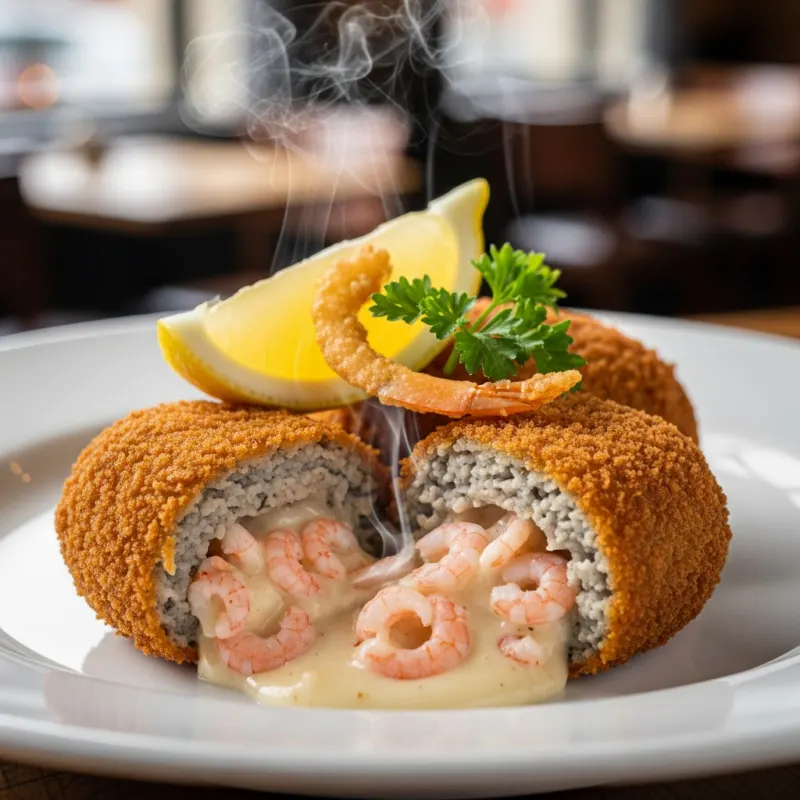
Crispy Belgian grey shrimp croquettes served with lemon and parsley

Must Try Dish

Garnaalkroketten (Grey Shrimp Croquettes) - These crispy, golden-fried croquettes are filled with a rich, creamy béchamel sauce packed with sweet, locally caught North Sea grey shrimps. They are traditionally served with a wedge of lemon and fresh parsley, offering a perfect taste of the Belgian coast.
Food Experiences Title Icon

Food
Experiences

Discover cooking classes, tastings and local food tours

No food experience found
Maya, the human travel expert at TravelingWiz, offering curated, non-AI expertise

Maya’s Final Checklist for West Flanders

Logistics shouldn’t be the focus of your trip—the experience should. I’ve hand-vetted these essential partners to ensure your arrival, stay, and exploration are as smooth as an Athenian breeze.

Where to Stay

From boutique hotels to local apartments—compare thousands of options and find the perfect stay in the best neighborhood.

Air Travel

Getting there should be seamless. Compare the best routes and prices across top airlines to start your journey on the right note.

Local Guides

Connect with experts who know the destination best. Get personalized advice and insider tips to help you plan your perfect trip.

Travel Protection

The “Engineer’s” rule: always have a backup. Secure your trip with a plan that covers every “what if” and unexpected change.

Car Rentals

Explore at your own pace with total freedom. Compare reliable rental options and find the right vehicle for your adventure.

Visa Services

Don’t let paperwork slow you down. Get expert assistance with your application to ensure all your entry documents are in order.

FAQs

The region has an excellent public transportation network. Trains connect major cities like Bruges, Ostend, and Ypres efficiently. Along the coast, the Kusttram (Coast Tram) is the best way to travel between seaside towns. Cycling is also highly recommended due to the flat terrain and dedicated bike paths.
No, English is widely spoken and understood throughout West Flanders, especially in hotels, restaurants, and tourist attractions. However, learning a few basic Dutch phrases is always appreciated by the locals.
While Bruges is the most famous, West Flanders has much more to offer. Ostend and Knokke-Heist are great for coastal experiences, Ypres is essential for WWI history, and Kortrijk offers a blend of modern design and medieval history.
West Flanders has a temperate maritime climate. Summers are generally mild to warm, while winters are cool and damp. Rain is possible year-round, so it’s best to pack layers and a light rain jacket.
In major tourist hubs like Bruges and coastal towns during the summer, many shops and restaurants remain open on Sundays. However, in smaller towns and rural areas, expect most retail businesses to be closed.

Your Insights Matter

TravelingWiz grows through the stories of our community. If you’ve recently explored ,West Flanders share your tips and stories to help us perfect our guides for the next traveler.

Related Articles

Check out our related articles and blog posts to learn even more about the destination.

No related articles found

Don’t Travel Alone

Share with your friends and family

Where should we send your offline card?

We hate spam just as much as you do

newsletter_consent *