Disclosure: This site contains affiliate links. We may earn a commission if you make a purchase, at no extra cost to you.

>
>
Croatia
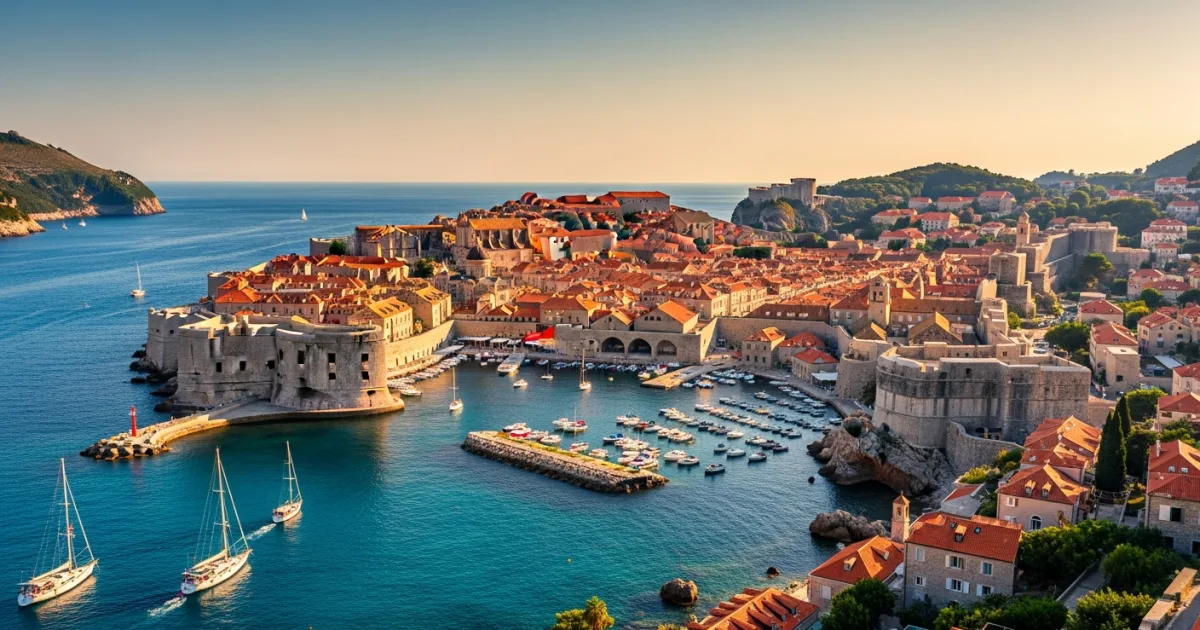
Wide-angle view of Dubrovnik Old Town and the Adriatic Sea at sunset

Croatia Overview & Key Highlights

Croatia is a stunning Mediterranean destination renowned for its extensive Adriatic coastline, encompassing over a thousand islands and crystal-clear waters. The country seamlessly blends rich historical heritage with breathtaking natural landscapes, offering visitors everything from ancient Roman ruins in Split to the cascading waterfalls of Plitvice Lakes National Park. Beyond its famous coastal cities like Dubrovnik and Zadar, Croatia boasts a vibrant culinary scene heavily influenced by Italian and Central European traditions. Travelers can explore medieval towns, indulge in world-class truffle hunting in Istria, or sail the Dalmatian coast, making it a versatile destination for both relaxation and adventure.

Croatia Travel Guide: Logistics & In-Depth Tips

Croatia's geography is remarkably diverse, split roughly into the continental inland and the long, indented Adriatic coast. The coastal region is further divided into Istria in the north, known for its rolling hills, truffles, and Roman amphitheater in Pula; the Kvarner Gulf; and Dalmatia in the south, home to iconic cities like Zadar, Split, and Dubrovnik. Inland, the capital city of Zagreb offers a vibrant café culture, Austro-Hungarian architecture, and numerous museums.

The country's natural beauty is protected within eight national parks, the most famous being Plitvice Lakes and Krka, both renowned for their spectacular waterfalls and emerald-green lakes. Whether you are sailing through the Kornati archipelago, exploring the medieval alleyways of Korčula, or enjoying the burgeoning wine scene in the Pelješac peninsula, Croatia provides a deeply enriching European escape.

Reasons to Visit

  • Island Hopping: With over 1,200 islands, islets, and crags, it is a paradise for sailors and beach lovers.
  • Historical Architecture: Walk the ancient city walls of Dubrovnik or explore Diocletian's Palace in Split.
  • Natural Wonders: Marvel at the cascading waterfalls and pristine lakes of Plitvice and Krka National Parks.
  • Culinary Delights: Hunt for world-class truffles in Istria and sample award-winning local wines and olive oils.
  • Game of Thrones Locations: Visit iconic filming spots in Dubrovnik (King's Landing) and Split.

Things to Avoid

  • Peak August Crowds: Avoid visiting major hotspots like Dubrovnik in August if you dislike intense heat and massive crowds.
  • Unlicensed Taxis: Always use official, metered taxis or ride-sharing apps like Uber to avoid being overcharged.
  • Walking in Swimwear in Towns: Many coastal towns have strict rules and will fine tourists for walking through historic centers in just a swimsuit.
  • Ignoring Sea Urchins: The rocky coastlines are beautiful but often home to sea urchins; always wear water shoes.

Local Transportation Tips

Croatia has an excellent and affordable intercity bus network that connects almost all towns and villages. For island hopping, ferries and catamarans operated by Jadrolinija and Krilo are reliable and frequent during the summer. Renting a car is highly recommended for exploring the inland regions, Istria, or driving down the scenic Adriatic Highway (Jadranska Magistrala). The train network is limited and mostly useful for traveling inland from Zagreb to neighboring countries.

Travel Etiquette

  • Tipping: Tipping around 10% in restaurants is customary if the service was good. Leave the tip in cash.
  • Dress Code: Dress modestly when visiting churches or religious sites (cover shoulders and knees).
  • Greetings: A firm handshake with direct eye contact is the standard greeting. Say 'Dobar dan' (Good day) when entering small shops.
  • Punctuality: While business meetings require punctuality, social gatherings often have a more relaxed 'Mediterranean' approach to time.

Recommended Age Group

Croatia is a highly versatile destination that caters beautifully to travelers of all ages, offering a mix of relaxation, history, and adventure.

  • Babies (0-2 years): Recommended. Croatians are very family-oriented. However, navigating cobblestone streets and rocky beaches with a stroller can be challenging; a baby carrier is advised.
  • Kids (3-12 years): Recommended. Children will love the clear, calm waters, boat trips, and exploring ancient castles and fortresses.
  • Teens (13-19 years): Recommended. Teens can enjoy water sports, zip-lining, exploring Game of Thrones filming locations, and vibrant summer festivals.
  • Adults (20-64 years): Recommended. Perfect for sailing, wine tasting, historical tours, and enjoying the lively nightlife and culinary scenes.
  • Seniors (65+ years): Recommended. The slow pace of coastal life, excellent Mediterranean diet, and rich history are ideal, though care should be taken with steep stairs in older towns.

Accessibility Level: Medium

  • Many historic old towns feature uneven cobblestones and steep stairs, which can be challenging for wheelchair users.
  • Newer hotels, resorts, and modern ferries are generally well-equipped with ramps and elevators.
  • Major attractions like Plitvice Lakes have specific routes that are more accessible, but full exploration may be limited.
  • It is highly recommended to contact accommodations and tour operators in advance to confirm specific accessibility features.

Did You Know?

Did you know that the necktie originated in Croatia? During the 30 Years' War in the 17th century, Croatian mercenaries wore traditional knotted neckerchiefs that caught the eye of the French, who adopted the style and named it 'cravat' (from 'Hrvat', meaning Croat).

Cool Statistics

  • 1,246: The number of islands, islets, and reefs in the Croatian Adriatic.
  • 10: The number of UNESCO World Heritage Sites located in Croatia.
  • 8: The number of stunning National Parks protecting the country's diverse nature.
  • 2,715: The hours of sunshine the island of Hvar receives annually, making it the sunniest spot in the country.


Address:

Croatia, Europe

Find Nearby Accommodations

Basic Info

address icon

COUNTRY & Region

Croatia,
Europe

ACCESSIBILITY LEVEL​

Medium
Currency icon

LOCAL CURRENCY​

Euro (EUR)
Price level icon
Medium
Safety Level icon

SAFETY LEVEL

Duration icon

Recommended Duration

• 1-7 days
• More than a week

Electricity

electricity icon

Electricity

220-240V, 
50Hz
Plug Socket icon

Plug Type

• Type C (Round pin)
• Type F (Two round pins with earth clips)
Plug types
Click To View Plug Types
Croatia is part of our
Digital Nomad Luxury collection

Things To Do In Croatia

Total: 4

Dubrovnik, Croatia
Explore Dubrovnik highlights: City Walls, Old Town & Lokrum Island. Complete 2026 guide covering inflation &... itineraries, costs, safety & budget.
The lively Riva promenade in Split, Croatia, with Diocletian's Palace and palm trees at sunset.
Explore Split highlights: Diocletian's Palace, beaches & Marjan Hill. Complete 2026 guide covering inflation, itineraries, costs, safety & budget.
Dalmatia, Croatia
Dalmatia travel guide—discover best time to visit, what to do, local tips, packing list, and FAQs for the Dalmatian coast.
Panoramic view of the medieval hilltop town of Motovun in Istria County, Croatia
Istria County ultimate travel guide. Explore Roman ruins, medieval hilltop towns, pristine beaches, and world-class truffle gastronomy.

Activities To Do In Croatia

Best Time To Visit Croatia

The best time to visit Croatia is during the shoulder seasons of May to June and September to October. During these months, the weather is pleasantly warm, the Adriatic Sea is suitable for swimming, and the crowds are significantly thinner than in peak summer.

  • Peak Season (July - August): Hottest weather, warmest sea temperatures, but highly crowded and more expensive.
  • Shoulder Season (May - June, September - October): Ideal balance of good weather, lower prices, and fewer tourists.
  • Off-Season (November - April): Many coastal hotels and ferry routes close or reduce service, but inland cities like Zagreb offer charming winter markets.

Average Temperatures Per Month

Remember to check the weather forecast a few days before the trip and before heading to the airport.

Safety Level icon

Safety Level

Croatia is generally very safe for tourists, with low violent crime rates. Pickpocketing can occur in crowded tourist areas like Dubrovnik or Split during peak summer months. Always keep an eye on your belongings at the beach and use marked, official taxis to avoid overcharging.

The rating is based on multi-year peace, crime, and security indices. Before you go, always verify current conditions through official government travel advisories.

Emergency Numbers

Police: 112 (Universal) / 192
Ambulance: 112 (Universal) / 194

No internet needed • Includes local translations • Free for TravelingWiz readers

Spoken Languages

Croatian is the official language. English is widely spoken, especially among younger generations and in tourist areas. German and Italian are also commonly understood in certain regions like Istria and Kvarner.

Learn The Language

  • Dobar dan (Good day)
  • Hvala (Thank you)
  • Molim (Please / You’re welcome)
  • Da / Ne (Yes / No)
  • Koliko to košta? (How much does this cost?)
  • Gdje je WC? (Where is the bathroom?)
  • Govorite li engleski? (Do you speak English?)
  • Živjeli! (Cheers!)
Travel Booking Partner - TravelingWiz

Trip Cost & Budgeting for Croatia, 2026

Everything you need to know about money while traveling
Is Croatia expensive for tourists in 2026? As a mid-range European destination, costs depend heavily on whether you visit coastal hotspots or inland cities. Based on Human Verified prices, you can expect to pay around €2.20 for a cappuccino, €3.50 for a local draft beer, and €20 for a mid-range restaurant meal. Use the data table below to calculate your specific daily budget based on your travel style.
Currency icon

LOCAL CURRENCY​:

Euro (EUR)
Price level icon
Medium
Cards are widely accepted in cities and hotels, but cash is still essential for small vendors, bakeries, and tipping.

Per person, per day – pocket cash for small purchases.

Local: 15
Euro (EUR)
≈ 17 USD

Full daily spend estimation (accommodation, food, transportation, attractions).

Travel Style
Euro (EUR)
≈ USD ($)
Budget
80
92
Mid-range
145
168
Comfort
320
370

The Prices, Daily costs, and calculator results are estimates for planning purposes only. Actual costs may vary based on season, booking timing, personal spending habits, and currency fluctuations. TravelingWiz cannot be held responsible for discrepancies between these estimates and your final trip expenses.

  • • Dine at local taverns (konobas) or order the daily lunch special (gablec) for substantial meals at half the dinner price.
  • • Travel in the shoulder months of May, June, or September to cut accommodation and ferry costs by up to 40%.
  • • Avoid Euronet ATMs which charge high fees and use dynamic currency conversion; use official bank ATMs like PBZ or Erste instead.
  • • Purchase local city passes like the Dubrovnik Pass for included entry to major sights and free public transit.

Pre-Order Tickets

Avoid disappointment when tickets sell out — and skip the long lines by booking online in advance. You’ll often save up to 20% too.
Save up to 20%

Travel Discounts & Coupons

Save on hotels, attractions, transport, and gear — find verified discounts for smarter travel spending.
Verified Coupons

What To Pack

  • Lightweight, breathable clothing for summer months.
  • Water shoes for rocky and pebble beaches.
  • Comfortable walking shoes for cobblestone streets in historic towns.
  • Sunscreen, sunglasses, and a wide-brimmed hat.
  • A light jacket or sweater for cooler evenings and coastal breezes.
  • European plug adapter (Type C or F).
We couldn't find tips for Croatia.
If you got any, please share

Recommended Itineraries for Traveling to Croatia

We couldn't find itineraries for Croatia.
you can contact us for custom trip plan

Food & Drink Highlights

Local Food Overview

Croatian cuisine is a diverse tapestry of regional flavors. The coastal areas of Dalmatia and Istria heavily feature Mediterranean ingredients like olive oil, garlic, fresh seafood, and herbs. Inland regions, including Zagreb and Slavonia, offer heartier, meat-heavy dishes influenced by Hungarian, Austrian, and Turkish culinary traditions.
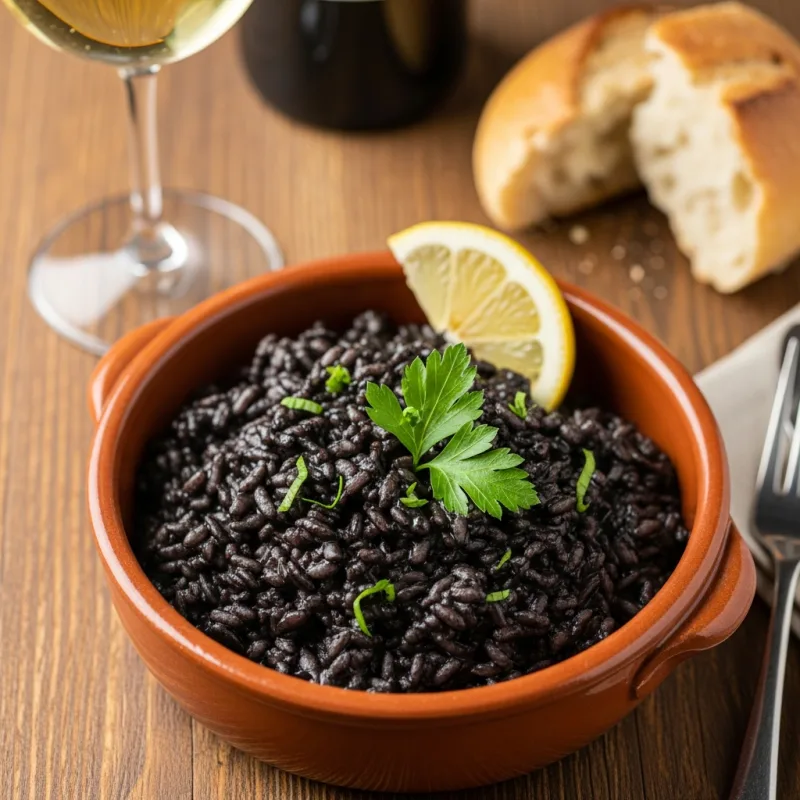
A bowl of traditional Croatian Crni Rižot (Black Risotto) garnished with parsley and lemon

Must Try Dish

Crni Rižot (Black Risotto) is a savory Dalmatian dish that gets its striking black color and rich seafood flavor from squid ink. It is typically slow-cooked with garlic, wine, and olive oil, offering a true taste of the Adriatic coast.
Food Experiences Title Icon

Food
Experiences

Discover cooking classes, tastings and local food tours

No food experience found
Maya, the human travel expert at TravelingWiz, offering curated, non-AI expertise

Maya’s Final Checklist for Croatia

Logistics shouldn’t be the focus of your trip—the experience should. I’ve hand-vetted these essential partners to ensure your arrival, stay, and exploration are as smooth as an Athenian breeze.

Where to Stay

From boutique hotels to local apartments—compare thousands of options and find the perfect stay in the best neighborhood.

Air Travel

Getting there should be seamless. Compare the best routes and prices across top airlines to start your journey on the right note.

Local Guides

Connect with experts who know the destination best. Get personalized advice and insider tips to help you plan your perfect trip.

Travel Protection

The “Engineer’s” rule: always have a backup. Secure your trip with a plan that covers every “what if” and unexpected change.

Car Rentals

Explore at your own pace with total freedom. Compare reliable rental options and find the right vehicle for your adventure.

Visa Services

Don’t let paperwork slow you down. Get expert assistance with your application to ensure all your entry documents are in order.

FAQs

Croatia is part of the Schengen Area. Citizens of the EU, US, Canada, Australia, and many other countries do not need a visa for stays up to 90 days.
Yes, tap water is safe to drink throughout Croatia and is of very high quality.
Croatia adopted the Euro (EUR) as its official currency on January 1, 2023.
Most beaches in Croatia are pebble or rocky, which contributes to the incredible clarity of the water. Water shoes are highly recommended. There are a few sandy beaches, such as Sakarun on Dugi Otok or Zlatni Rat in Bol.
The national ferry company, Jadrolinija, operates an extensive network of car ferries and passenger catamarans connecting the mainland to the islands.

Your Insights Matter

TravelingWiz grows through the stories of our community. If you’ve recently explored ,Croatia share your tips and stories to help us perfect our guides for the next traveler.

Related Articles

Check out our related articles and blog posts to learn even more about the destination.

No related articles found

Don’t Travel Alone

Share with your friends and family

Where should we send your offline card?

We hate spam just as much as you do

newsletter_consent *