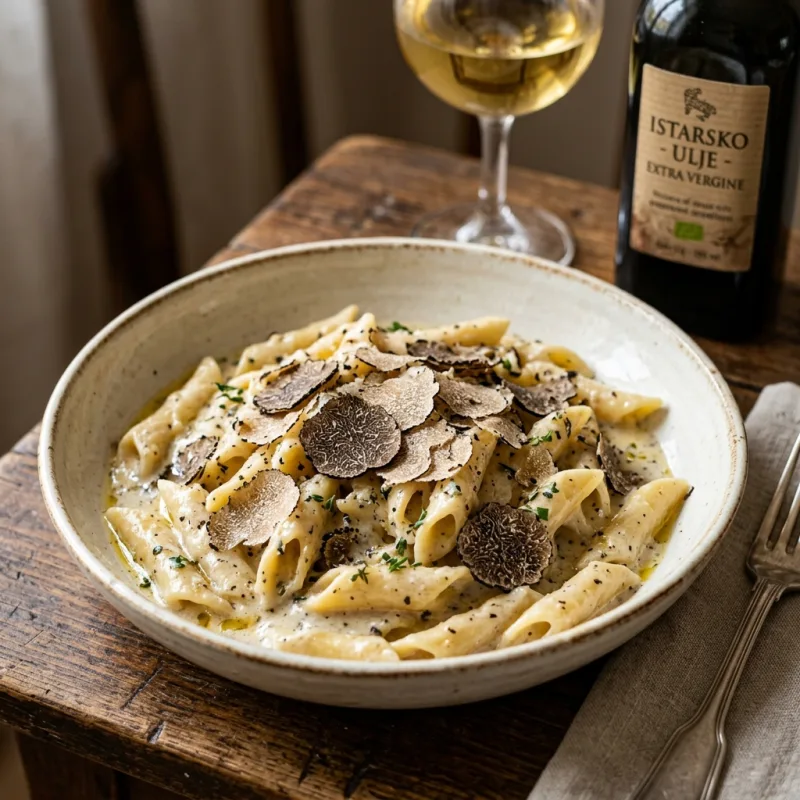
Istria County's unique geography and history have shaped a culture that feels distinctly different from the rest of Croatia. Often drawing comparisons to Tuscany, the region boasts a lush interior dotted with vineyards, olive groves, and fortified hilltop towns like Motovun and Grožnjan. The coastline, stretching along the Adriatic Sea, features crystal-clear waters, hidden coves, and historic port cities such as Pula, home to one of the world's best-preserved Roman amphitheaters. The region's culinary scene is a major draw, heavily influenced by Italian traditions but uniquely Istrian, featuring world-renowned white truffles, wild asparagus, and fresh seafood.
Reasons to Visit
- World-class gastronomy, including rare white truffles and award-winning olive oils.
- Rich historical sites ranging from Roman ruins to medieval fortresses.
- Diverse landscapes offering both pristine beaches and lush, rolling countryside.
- Excellent infrastructure for cycling, hiking, and outdoor adventures.
Things to Avoid
- Avoid visiting only the coastal towns; the inland region is equally, if not more, rewarding.
- Don't rely solely on public transport if you want to explore rural areas and wineries.
- Avoid buying 'truffle oil' in tourist shops, as it often contains synthetic flavorings rather than real truffles.
Local Transportation Tips
While buses connect major coastal towns like Pula, Rovinj, and Poreč reliably, renting a car is highly recommended for exploring Istria County thoroughly. A vehicle provides the freedom to visit remote wineries, agritourism estates, and inland hilltop villages that are poorly served by public transit. For active travelers, the region also boasts an extensive network of well-marked cycling trails, including the famous Parenzana route.
Travel Etiquette
- Dress modestly when visiting churches or religious sites.
- Tipping around 10% is customary in restaurants if a service charge isn't included.
- Greet shopkeepers and restaurant staff with a polite 'Dobar dan' upon entering.
Recommended Age Group
Istria County offers diverse attractions suitable for travelers of all ages, from relaxing family beaches to sophisticated culinary tours.
- Babies (0-2 years): Recommended. The coastal resorts are very family-friendly, though strollers may struggle on the cobblestones of older towns.
- Kids (3-12 years): Recommended. Children will love the beaches, the Dinopark in Funtana, and exploring ancient Roman ruins.
- Teens (13-19 years): Recommended. Water parks, zip-lining, cycling, and vibrant coastal towns provide plenty of entertainment.
- Adults (20-64 years): Recommended. Perfect for wine tasting, truffle hunting, romantic getaways, and historical exploration.
- Seniors (65+ years): Recommended. The slow pace of life, excellent gastronomy, and accessible coastal promenades make it highly enjoyable, though steep hilltop towns require caution.
Accessibility Level: Medium
- Major coastal towns like Pula and Rovinj have made strides in accessibility, though ancient cobblestone streets can be challenging.
- Many modern resorts and hotels offer wheelchair-accessible rooms and facilities.
- The Pula Amphitheater is partially accessible to wheelchair users on the ground level.
Did You Know?
Istria is home to the smallest town in the world, Hum, which has a population of roughly 30 residents and is famous for its traditional biska (mistletoe grappa).
Cool Statistics
- Pula Arena is the only remaining Roman amphitheater to have four side towers entirely preserved.
- Istria produces some of the world's highest-quality extra virgin olive oil, frequently winning top global awards.
- The Guinness World Record for the largest white truffle ever found was set in Istria in 1999, weighing 1.31 kg.






Buy a compatible power adapter for your trip