Central Croatia represents the historical and geographical anchor of the nation, stretching across gentle hills, vast floodplains, and river valleys that feed into the Danube catchment. Free from the intense seasonal crowds of the coast, this region maintains a quiet authenticity where agriculture, traditional craftsmanship, and pastoral living endure. Historic defensive architecture lines the ridges, a legacy of the Military Frontier era that long protected Europe from eastern incursions.
Beyond its castles and fortified manor houses, the region serves as a sanctuary for wellness and nature enthusiasts. Mineral-rich thermal waters power long-established spas in towns like Tuhelj and Krapinske Toplice. Meanwhile, protected natural areas such as Lonjsko Polje Nature Park preserve traditional wooden architecture and provide sanctuary to European white stork colonies, making Central Croatia a compelling destination for mindful, off-the-beaten-path travel.
Reasons to Visit
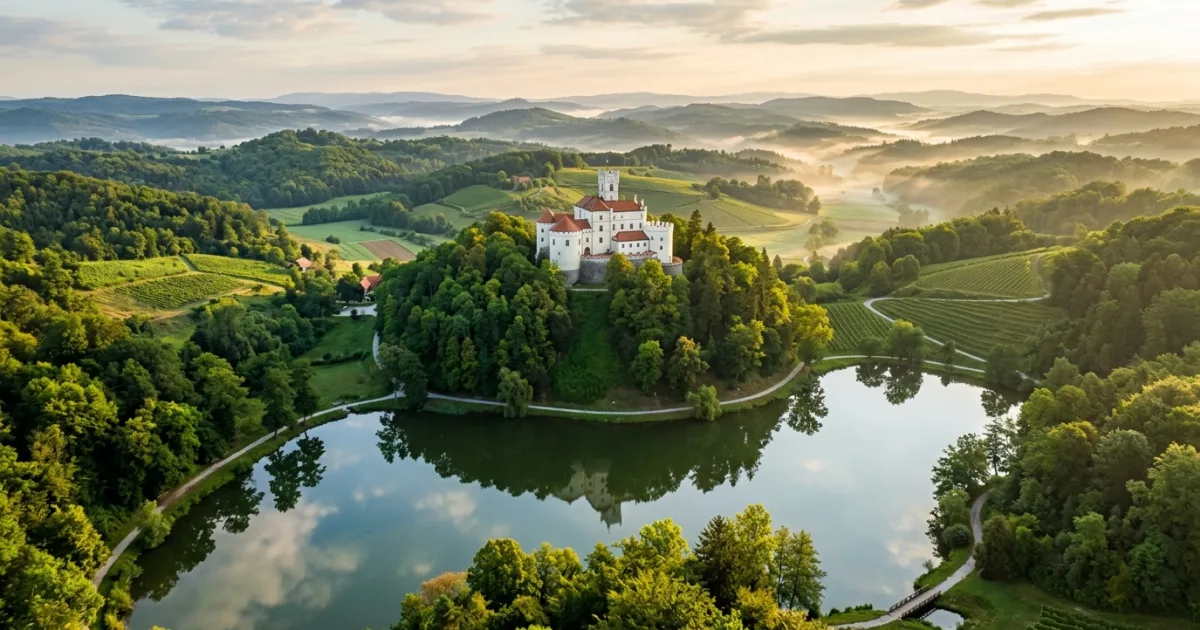
- Explore fairy-tale fortresses including Trakošćan Castle perched above its lake and the hillside stronghold of Veliki Tabor.
- Wander the impeccably preserved baroque streets, palaces, and manicured gardens of Varaždin, former capital of Croatia.
- Immerse in geothermal wellness at historic spa resorts featuring modern aquatic parks and mineral-rich treatments.
- Cycle along quiet rural lanes winding through terraced vineyards and traditional wooden villages.
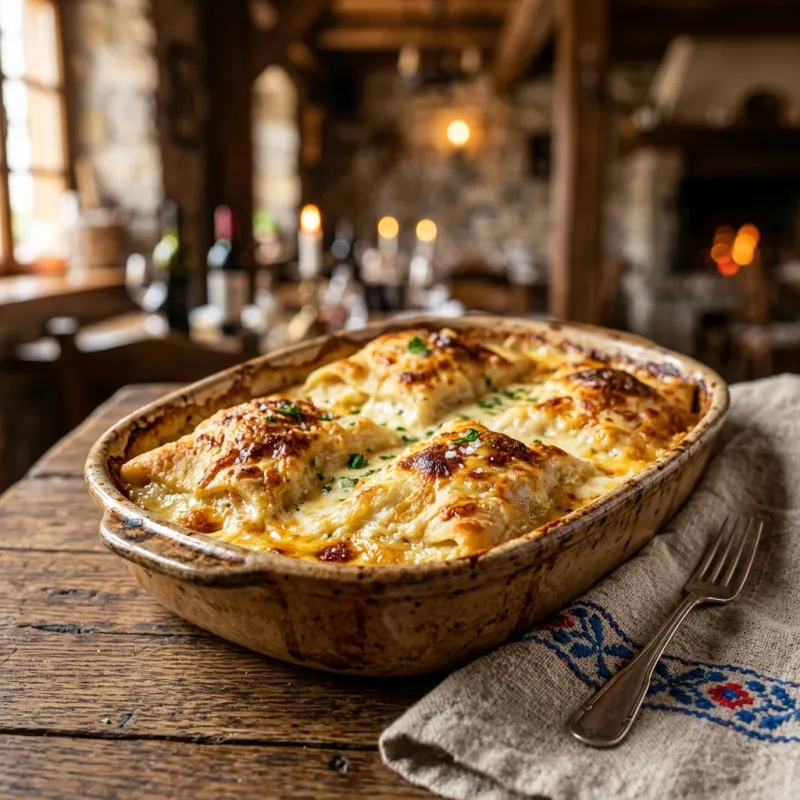
- Sample hearty continental specialties including roasted turkey with mlinci, fresh river trout, and traditional štrukli.
Things to Avoid
- Avoid relying exclusively on public transit to visit remote rural castles or natural reserves, as schedules can be infrequent.
- Do not skip sampling local wines; continental whites such as Graševina and Pušipel offer exceptional quality often overlooked internationally.
- Avoid planning your outdoor river activities without checking seasonal water levels and localized rainfall forecasts.
- Do not assume all small village taverns and farm stands take credit cards; keep cash handy.
Local Transportation Tips
Renting an automobile is the recommended option for navigating Central Croatia efficiently. The highway network (A1, A2, A3, A4) links the main urban nodes seamlessly, while secondary regional roads are well-maintained, picturesque, and toll-free. Croatian Railways (HŽ) operates commuter and regional trains connecting Zagreb with Karlovac, Sisak, and Varaždin, though travel times can be slow. Regional buses operate reliably between major bus terminals, but reaching secluded hill fortresses or agritourism estates generally requires personal wheels or local taxis.
Travel Etiquette
- Greet shopkeepers and tavern hosts when entering with a polite 'Dobar dan'.
- Tipping in sit-down restaurants is customary; leaving around 10% for good service is standard practice.
- Dress respectfully when visiting historic Catholic churches, covering shoulders and knees.
- Respect private farmland and vineyard rows when walking or cycling through rural trails.
Recommended Age Group
Central Croatia provides diverse attractions suited to several demographics, offering a balance between peaceful heritage exploration and active nature escapes.
- Babies (0-2 years): Neutral. Town centers and thermal resorts are stroller-friendly, though medieval castle steps and unpaved forest trails present mobility challenges.
- Kids (3-12 years): Recommended. Children will love the fairy-tale towers of Trakošćan, interactive Neanderthal museum in Krapina, and modern thermal water parks.
- Teens (13-19 years): Recommended. Offers active river kayaking, rafting on the Mrežnica, quad biking, and castle history.
- Adults (20-64 years): Recommended. Perfect demographic for self-drive wine routes, culinary retreats, wellness spas, and cultural touring.
- Seniors (65+ years): Recommended. Outstanding destination for relaxing spa therapies, gentle walking tours in baroque towns, and tranquil rural stays.
Accessibility Level: Medium
- Modern thermal spa facilities and major regional museums (such as the Krapina Neanderthal Museum) provide full step-free access and modern elevators.
- Historic hill castles including Veliki Tabor and Trakošćan feature steep cobbled paths, narrow stairwells, and historic stone steps with limited wheelchair accessibility.
- Paved town squares in Varaždin and Karlovac offer mostly level walking terrain, though historic cobblestones require careful navigation.
- Public transportation options have varying degrees of accessibility; pre-booked private accessible vans or self-drive accessible rental vehicles are advised.
Did You Know?
Varaždin served as the official capital of Croatia from 1767 until 1776, when a catastrophic fire destroyed much of the town and forced the royal government to permanently relocate to Zagreb.
Cool Statistics
- Lonjsko Polje in Central Croatia contains over 50,000 hectares of protected wetland, hosting Europe's highest concentration of nesting white storks.
- Karlovac is built uniquely as a six-pointed Renaissance star fortress nestled between four distinct rivers: Kupa, Korana, Mrežnica, and Dobra.
- Trakošćan Castle dates back to the 13th century and sits amidst an 87-hectare romantic English-style park and artificial lake.






Buy a compatible power adapter for your trip