Disclosure: This site contains affiliate links. We may earn a commission if you make a purchase, at no extra cost to you.

>
>
>
>
Brac
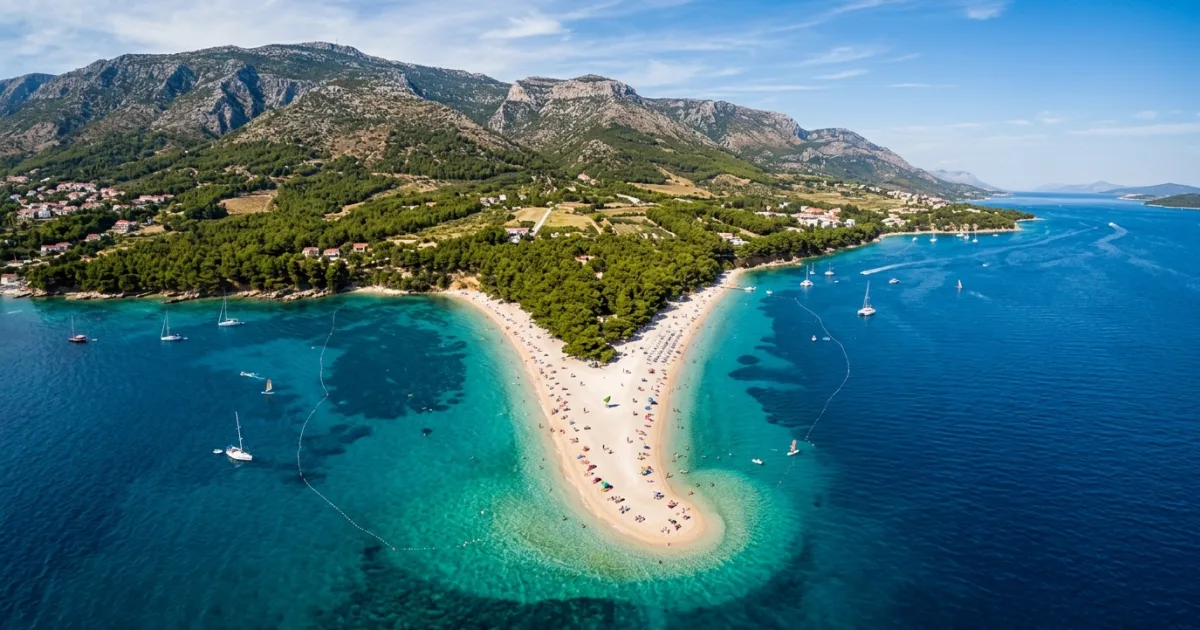
Aerial panoramic view of Zlatni Rat beach on the island of Brac Croatia surrounded by turquoise Adriatic waters

Brac Overview & Key Highlights

Brač stands out among Croatia's Dalmatian islands for its dramatic geographic diversity, stretching from sun-drenched coastal harbors to craggy limestone highlands. Most travelers arrive via the regular car ferries connecting Split to Supetar or Makarska to Sumartin, quickly discovering an island defined by peaceful pine forests, ancient stone quarries, and clear cobalt coves. The south coast is anchored by Bol and the shifting white pebble spit of Zlatni Rat, while the north and interior showcase quieter fishing villages, terraced olive orchards, and millennia of stonecraft traditions. A visit here easily balances active exploration with relaxed Mediterranean island rhythms. Hikers and cyclists can tackle the switchbacks to the summit of Vidova Gora for panoramic vistas across to Hvar and Vis, or embark on a rugged trek to the historic 16th-century Blaca Hermitage tucked inside an isolated ravine. Inland agritourism konobas serve heritage dishes such as slow-roasted Brač lamb and local sheep's cheese drizzled with indigenous Buhavica olive oil, ensuring cultural and gastronomic discoveries around every bend.

Brac Travel Guide: Logistics & In-Depth Tips

Brač is celebrated as one of the most versatile islands in the Adriatic, providing a compelling alternative to more crowded tourist centers. Covering an area of roughly 396 square kilometers, the island boasts distinct microclimates and landscapes, ranging from fertile north-facing valleys carpeted in half a million olive trees to the arid limestone cliffs of its dramatic southern flank. Its historical wealth was forged through seafaring, wine cultivation, and world-famous quarrying that has operated continuously since antiquity.

Beyond its beachside allure, Brač reveals deep cultural roots in communities like Škrip, the island's oldest documented settlement, home to Illyrian ramparts, Roman mausoleums, and the informative Museum of Brač. Meanwhile, coastal towns like Pučišća sit nestled inside a deep fjord, renowned for its active Stonemasonry School (Klesarska škola), where students from across Europe learn ancient Roman chiseling techniques. Brač is an ideal playground whether seeking windsurfing adrenaline, secluded cove relaxation, or unhurried rural discoveries.

Reasons to Visit

  • Marvel at Zlatni Rat (the Golden Horn), one of Europe's most unique natural beach formations extending half a kilometer into turquoise waters.
  • Stand atop Vidova Gora at 778 meters for unmatched aerial perspectives of the Adriatic archipelago and the island of Hvar.
  • Tour the world-renowned Stonemasonry School in Pučišća and witness craftsmen working local white limestone by hand.
  • Trek through a rugged limestone gorge to uncover the 16th-century Blaca Hermitage monastery built directly into the cliff face.
  • Sample authentic cold-pressed olive oils and visit the Olive Oil Museum (Muzej Uja) in the tranquil village of Škrip.
  • Experience world-class windsurfing and kitesurfing in Bol, powered by the reliable afternoon Maestral wind.

Things to Avoid

  • Avoid driving standard rental sedans down rough, unpaved gravel tracks (makadam) leading to isolated coves, which can puncture tires and void rental insurance.
  • Do not hike to Blaca Hermitage or Vidova Gora in flimsy flip-flops or open sandals due to loose karst scree.
  • Avoid visiting Zlatni Rat exclusively during peak midday hours (11:00 to 15:00) in July and August if you prefer calm swimming without thick crowds.
  • Do not rely entirely on credit cards for payment in tiny inland hamlets, small fruit stands, or remote parking lots.
  • Never attempt open-water swimming across the Brač Channel to the mainland or neighboring islands, as strong underwater currents and high-speed boat traffic present serious dangers.

Local Transportation Tips

Jadrolinija operates frequent car ferries between Split and Supetar (50 minutes) and Makarska to Sumartin (60 minutes). High-speed foot-passenger catamarans run by Krilo and Jadrolinija link Bol, Milna, and Sutivan to Split, Hvar, and Dubrovnik seasonally. On the island, Arriva operates regional bus services linking the main towns of Supetar, Bol, Postira, and Pučišća, though service frequency drops in off-peak months. Renting a car, motor scooter, or e-bike from Supetar or Bol provides the greatest freedom for exploring off-the-beaten-path inland villages and isolated bays.

Travel Etiquette

  • Cover shoulders and knees when visiting historical churches, village chapels, and the Blaca Hermitage monastery.
  • Greet shopkeepers and restaurant hosts with a polite 'Dobar dan' upon entering establishments.
  • Dress appropriately when leaving the beach; walking through town centers, grocery stores, or restaurants in bare swimwear is considered disrespectful and can carry municipal fines in Bol.
  • Tipping around 10% in sit-down restaurants is customary and appreciated for good service, even if a nominal cover charge is listed.

Recommended Age Group

Brač accommodates travelers of various ages, though the rugged terrain and outdoor focus make it particularly suited for active adults and families with self-sufficient children.

  • Babies (0-2 years): Neutral. Cobblestone coastal streets and pebbly beaches present challenges for strollers, requiring baby carriers, but seaside promenades in Supetar and Bol are tranquil and safe.
  • Kids (3-12 years): Recommended. Clear, shallow waters, fun boat excursions, inflatable water parks off Zlatni Rat, and gentle cycling paths make Brač an engaging summer playground for children.
  • Teens (13-19 years): Recommended. Excellent opportunities for windsurfing, paddleboarding, snorkeling, mountain biking, and exploring cliffside swimming spots keep teenagers thoroughly entertained.
  • Adults (20-64 years): Recommended. Perfect balance of scenic road-tripping, boutique wine tasting, gourmet dining, heritage exploration, and relaxed beach life.
  • Seniors (65+ years): Recommended. Peaceful shoulder-season weather, historic towns like Pučišća and Postira, flat seaside walking paths, and rich cultural museums provide a relaxed, culturally rewarding visit.

Accessibility Level: Medium

  • Town centers like Supetar and Bol feature paved waterfront promenades that are relatively flat and accessible for manual and electric wheelchairs.
  • Zlatni Rat beach provides a paved pathway through the pine grove leading up to the shoreline, though traversing the loose pebble beach down to the waterline requires specialized beach wheelchairs or assistance.
  • Historic stone settlements like Škrip, Pučišća, and the hiking trail to Blaca Hermitage feature steep inclines, uneven stone steps, and rough gravel trails that are not wheelchair accessible.
  • Modern Jadrolinija car ferries from Split to Supetar offer elevator or ramp access to passenger lounges; verify boarding assistance at Split Ferry Port ahead of departure.

Did You Know?

The radiant white limestone quarried on the island of Brač has been used across the globe for millennia: it was utilized to build Diocletian's Palace in nearby Split in the 4th century AD, and blocks of Brač stone were shipped across the Atlantic to be incorporated into the construction of the White House in Washington, D.C.

Cool Statistics

  • 778 meters: The elevation of Vidova Gora, making it the highest summit of all Croatian Adriatic islands.
  • Over 500,000: Estimated olive trees cultivated on the island, producing award-winning extra virgin olive oil.
  • 1909: The year the world-famous Stonemasonry School in Pučišća was officially established.
  • 50 minutes: The crossing time for the main ferry from Split Harbor to Supetar.

Address:

Brac, Croatia

Find Nearby Accommodations

Basic Info

address icon

COUNTRY & Region

Croatia,
Europe

ACCESSIBILITY LEVEL​

Medium
Currency icon

LOCAL CURRENCY​

Euro (EUR)
Price level icon
Medium
Safety Level icon

SAFETY LEVEL

Duration icon

Recommended Duration

• 1-7 days
• Full day

Electricity

electricity icon

Electricity

220-240V, 
50Hz
Plug Socket icon

Plug Type

• Type C (Round pin)
• Type F (Two round pins with earth clips)
Plug types
Click To View Plug Types
Brac is part of our
Slow Travel & Nature collection

Activities To Do In Brac

Best Time To Visit Brac

Brač experiences an authentic Mediterranean climate marked by hot, dry summers and mild, wet winters. Choosing the right month shapes whether you experience high-energy coastal sports or quiet inland wandering.

  • Peak Season (July to August): Sea temperatures reach a warm 25°C with bustling harbor nightlife and ideal windsurfing conditions in Bol, though popular beaches and ferry lines encounter heavy crowds.
  • Shoulder Season (May to June & September to October): The most rewarding period for sightseeing, offering daytime temperatures around 22°C to 26°C, pleasant swimming water, uncongested roads, and optimal conditions for cycling.
  • Low Season (November to April): Characterized by cooler weather, occasional strong Bura winds, and reduced ferry schedules; many coastal resorts and tourist restaurants shutter, leaving a quiet, authentic local island life.

Average Temperatures Per Month

Remember to check the weather forecast a few days before the trip and before heading to the airport.

Safety Level icon

Safety Level

Brač is an exceptionally safe destination with virtually non-existent violent crime and very low theft rates. Standard travel precautions apply: do not leave unattended valuables on public beaches like Zlatni Rat. When hiking to Vidova Gora or Blaca Hermitage, always carry at least 1.5 liters of drinking water and wear enclosed footwear, as summer heat exhaustion and loose karst rocks are the primary hazards. Be aware of sea urchins on rocky shorelines and wear protective reef shoes.

The rating is based on multi-year peace, crime, and security indices. Before you go, always verify current conditions through official government travel advisories.

Emergency Numbers

Police: 192
Ambulance: 194

No internet needed • Includes local translations • Free for TravelingWiz readers

Spoken Languages

Croatian (official); English, German, and Italian are widely spoken across tourist establishments.

Learn The Language

  • Hello / Good day: Dobar dan
  • Please: Molim
  • Thank you: Hvala
  • Yes / No: Da / Ne
  • Excuse me: Oprostite
  • Check, please: Račun, molim
  • Where is the beach?: Gdje je plaža?
  • Goodbye: Doviđenja
Travel Booking Partner - TravelingWiz

Trip Cost & Budgeting for Brac, 2026

Everything you need to know about money while traveling
Is Brac expensive for tourists in 2026? Brač offers a moderately priced island getaway compared to major Western European destinations, though summer prices rise. Expect to pay around €2.30 for a cappuccino, €4.00 for a pint of domestic beer, and €25.00 for a mid-range restaurant meal. These Human Verified prices reflect current costs across the island. Use the data table below to calculate your specific daily budget based on your travel style.
Currency icon

LOCAL CURRENCY​:

Euro (EUR)
Price level icon
Medium
Major hotels and restaurants accept cards, but local buses, ferry kiosks, and small konobas require euro cash.

Per person, per day – pocket cash for small purchases.

Local: 14
Euro (EUR)
≈ 16 USD

Full daily spend estimation (accommodation, food, transportation, attractions).

Travel Style
Euro (EUR)
≈ USD ($)
Budget
75
85
Mid-range
135
154
Comfort
300
342

The Prices, Daily costs, and calculator results are estimates for planning purposes only. Actual costs may vary based on season, booking timing, personal spending habits, and currency fluctuations. TravelingWiz cannot be held responsible for discrepancies between these estimates and your final trip expenses.

  • • Visit during shoulder seasons like May or September to enjoy cheaper accommodation and ferry rates.
  • • Buy fresh produce, snacks, and wine from local Studenac or Tommy supermarkets instead of beachside stores.
  • • Travel between island towns using the local Arriva bus network rather than taking costly private taxis.
  • • Dine at family-run konobas away from the main waterfronts in towns like Supetar or Postira for lower prices.

Pre-Order Tickets

Avoid disappointment when tickets sell out — and skip the long lines by booking online in advance. You’ll often save up to 20% too.
Save up to 20%

Travel Discounts & Coupons

Save on hotels, attractions, transport, and gear — find verified discounts for smarter travel spending.
Verified Coupons

What To Pack

  • Sturdy water shoes with thick rubber soles to protect against sharp sea pebbles and sea urchins.
  • UV-protective rash guard and broad-spectrum reef-safe sunscreen for open water activities.
  • Durable trail walking shoes or lightweight hiking boots for loose gravel ascents to Vidova Gora and Blaca Hermitage.
  • European Type C/F electrical plug adapter.
  • Polarized sunglasses and a wide-brim sun hat for intense Adriatic glare.
  • Compact dry bag for sailing excursions and water-taxi crossings.
  • Light windbreaker or fleece layer for breezy island evenings and highland vistas.
We couldn't find tips for Brac.
If you got any, please share

Recommended Itineraries for Traveling to Brac

We couldn't find itineraries for Brac.
you can contact us for custom trip plan

Food & Drink Highlights

Local Food Overview

Gastronomy on Brač is steeped in Mediterranean and pastoral traditions, centered around local lamb raised on salt-sprayed mountain pastures dotted with wild sage and thyme. Olive oil cultivation has thrived here since ancient Roman times, producing fruit-forward, peppery oils with protected geographical status. Along the coastal ports, fresh daily catches of sea bass, squid, and scampi are grilled simply over olive wood, accompanied by blitva (Swiss chard with potatoes and garlic) and hearty red Plavac Mali wine from the sun-drenched vineyards of Bol.
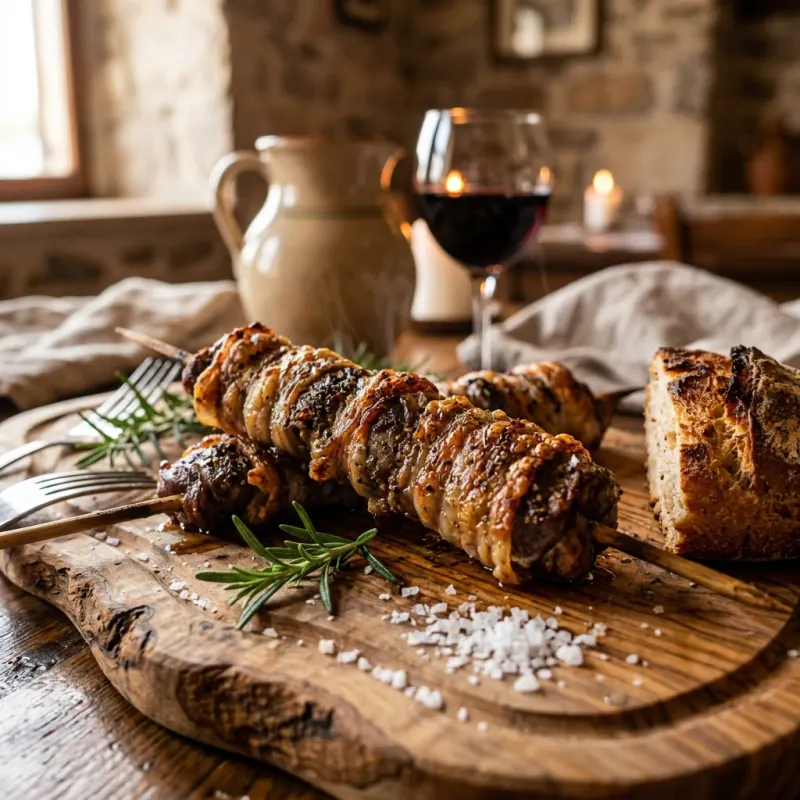
Brački Vitalac traditional lamb specialty served on an olive wood board

Must Try Dish

Brački Vitalac - A UNESCO-protected island delicacy consisting of skewered lamb or kid offal wrapped tightly in caul fat and roasted slowly over open beech and olive wood coals. The result is a savory, tender traditional specialty delivering deeply rich and earthy Mediterranean flavors.
Food Experiences Title Icon

Food
Experiences

Discover cooking classes, tastings and local food tours

No food experience found
Maya, the human travel expert at TravelingWiz, offering curated, non-AI expertise

Maya’s Final Checklist for Brac

Logistics shouldn’t be the focus of your trip—the experience should. I’ve hand-vetted these essential partners to ensure your arrival, stay, and exploration are as smooth as an Athenian breeze.

Where to Stay

From boutique hotels to local apartments—compare thousands of options and find the perfect stay in the best neighborhood.

Air Travel

Getting there should be seamless. Compare the best routes and prices across top airlines to start your journey on the right note.

Local Guides

Connect with experts who know the destination best. Get personalized advice and insider tips to help you plan your perfect trip.

Travel Protection

The “Engineer’s” rule: always have a backup. Secure your trip with a plan that covers every “what if” and unexpected change.

Car Rentals

Explore at your own pace with total freedom. Compare reliable rental options and find the right vehicle for your adventure.

Visa Services

Don’t let paperwork slow you down. Get expert assistance with your application to ensure all your entry documents are in order.

FAQs

Take the regular Jadrolinija car ferry from Split Harbor to Supetar, which takes about 50 minutes and runs year-round multiple times daily. Foot-passenger catamarans also run directly from Split to Bol and Milna during the travel season.
Zlatni Rat is composed entirely of smooth, rounded white limestone pebbles that gently massage the feet, not soft sand. The tip of the beach naturally shifts direction depending on wind and maritime currents.
While public buses connect major coastal hubs like Supetar and Bol, renting a car or scooter is strongly recommended if you want to explore inland villages like Škrip, reach the summit of Vidova Gora, or hike to Blaca Hermitage.
Brač limestone is renowned for its bright white hue and fine grain. It was quarried to build Diocletian’s Palace in Split, parts of the Cathedral of St. James in Šibenik, and elements of prominent international buildings such as the White House in Washington, D.C.
No, Blaca Hermitage is inaccessible by road. Visitors must drive to a designated trail access point above the valley and hike roughly 35 to 45 minutes down a rocky path, or hike upward from the coastal Blaca Bay.

Your Insights Matter

TravelingWiz grows through the stories of our community. If you’ve recently explored ,Brac share your tips and stories to help us perfect our guides for the next traveler.

Related Articles

Check out our related articles and blog posts to learn even more about the destination.

No related articles found

Don’t Travel Alone

Share with your friends and family

Where should we send your offline card?

We hate spam just as much as you do

newsletter_consent *