Disclosure: This site contains affiliate links. We may earn a commission if you make a purchase, at no extra cost to you.
Peljesac Peninsula

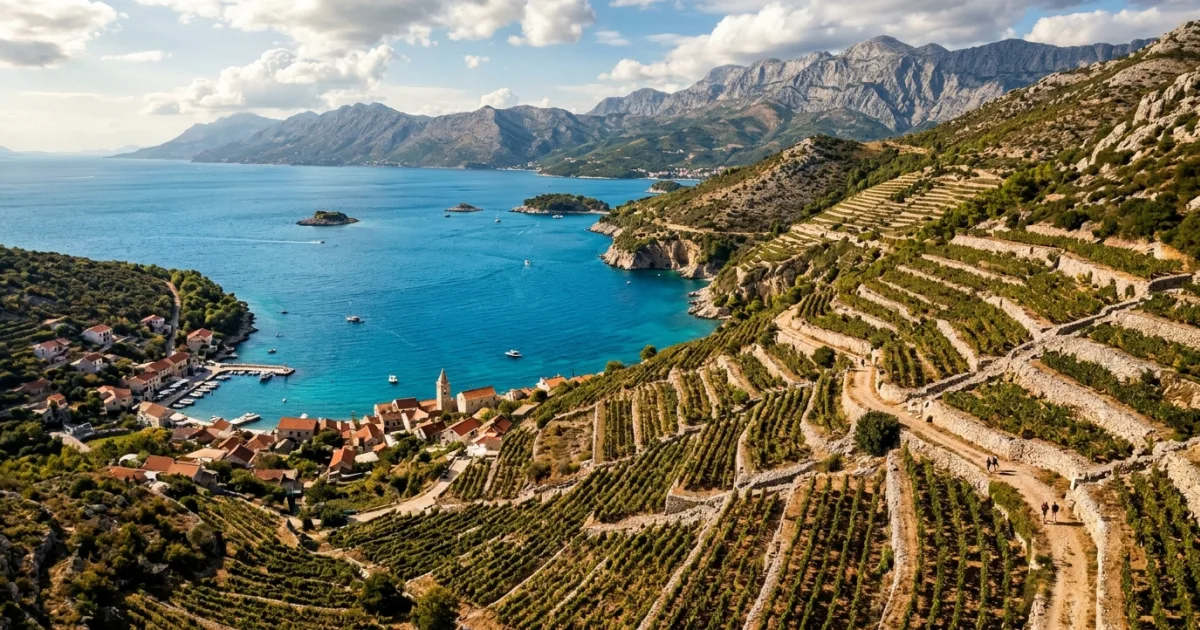
Panoramic landscape of Peljesac Peninsula vineyards overlooking the Adriatic Sea in Croatia

Basic Info

COUNTRY & Region

Croatia,
Europe

ACCESSIBILITY LEVEL​

  • High: Widely accessible with good facilities for disabilities.
  • Medium: Some accessible options, but limitations exist.
  • Low: Limited accessibility; many barriers for disabilities.
Medium

LOCAL CURRENCY​

Euro (EUR)

Price Level

Low – budget‑friendly basics

Medium – moderate mid‑range costs

High – pricey lodging, dining & transport

Medium

SAFETY LEVEL

5 shields = Excellent – very low crime or conflict.

4 shields = Safe – low risk, routine care.

3 shields = Relatively safe – use normal street smarts.

2 shields = Use caution – higher crime or periodic unrest.

1 shields = Avoid – active conflict or extreme danger.

Scores are derived from multi-year peace, homicide and security indices blended into a single 1-to-5 scale.

Recommended Duration

1-7 days, Full day

Peljesac Peninsula Overview & Key Highlights

The Pelješac Peninsula is Croatia's premier red wine and shellfish sanctuary, stretching approximately 65 kilometers along the southern Dalmatian coast. Connected seamlessly to mainland Croatia via the modern Pelješac Bridge, this mountainous spit of land is celebrated for its dramatic limestone cliffs plunging into the Adriatic Sea, ancient salt pans, and sun-drenched vineyards producing world-class Plavac Mali and Dingač wines. Medieval stone walls crown the southern gateway at Ston, while tranquil coves, quiet fishing harbors, and rugged ridges define the interior. Travelers visit Pelješac to escape the intense crowds of Dubrovnik while indulging in pristine maritime scenery and authentic Dalmatian heritage. The sheltered waters around Mali Ston yield some of Europe's freshest flat oysters, while the gusty Pelješac Channel near Viganj draws windsurfers and kitesurfers from across the globe. Whether hiking the rocky spine of Mount Sveti Ilija or sampling bold reds in century-old wine cellars, the peninsula offers an unhurried, sensory-rich coastal journey.

Peljesac Peninsula Travel Guide: Logistics & In-Depth Tips

Extending between the Neretva Channel and the Mljet Channel, the Pelješac Peninsula represents one of southern Dalmatia's most striking geographical features. Dominated by the limestone mass of Mount Sveti Ilija rising 961 meters above sea level, the terrain alternates between rugged mountain crags, dense pine woods, and emerald terraced vineyards. Historical settlements such as Ston and Mali Ston guard the narrow isthmus, while historic sea-captain hamlets like Orebić line the southwestern coast facing the island of Korčula.

For centuries, the Republic of Ragusa (Dubrovnik) fortified this peninsula to protect its lucrative sea salt production, leaving behind formidable medieval defenses that stand intact today. Modern visitors experience a peaceful agrarian rhythm where local families continue multigenerational traditions of oyster farming, olive cultivation, and viticulture. Whether touring cliffside vineyards through the Dingač tunnel, relaxing on pebble beaches at Prapratno, or catching afternoon maestral winds in Viganj, Pelješac delivers an authentic coastal retreat far removed from urban mass tourism.

Reasons to Visit

  • World-class wine tourism centered on the storied Dingač and Postup appellations
  • Sampling pristine, fresh European flat oysters straight from Mali Ston Bay
  • Walking the historic 14th-century Walls of Ston, the longest defensive stone system in Europe outside Britain
  • Exceptional windsurfing and kitesurfing conditions powered by the thermal maestral wind in Viganj
  • Scenic coastal driving across dramatic mountain ridges, pine forests, and olive groves

Things to Avoid

  • Avoid driving through the Dingač tunnel or steep coastal hairpin roads in oversized RVs or campervans
  • Do not hike Mount Sveti Ilija during midday summer heat or without proper closed-toe footwear and ample water
  • Avoid visiting rural wineries without checking opening hours or booking ahead, as small vintners are often working in the fields
  • Do not step on rocks in shallow bays without checking for black sea urchins

Local Transportation Tips

A personal vehicle is the most practical method for getting around Pelješac. The primary state road D414 runs the entire spine of the peninsula from Ston to Orebić. Public buses operated by Arriva run limited daily services connecting Dubrovnik to Orebić and Korčula, but they bypass secluded beaches and rural vineyards. Taxis are scarce outside Orebić and Ston and can be expensive. Regular car ferries connect Prapratno to Sobra on the island of Mljet, and Orebić to Dominče on the island of Korčula, making Pelješac an ideal island-hopping conduit.

Travel Etiquette

  • Greet shopkeepers and restaurant hosts with a polite 'Dobar dan' upon entering.
  • Observe modest dress standards (covered shoulders and knees) when entering local Catholic parish churches.
  • Tipping in restaurants is customary; rounding up the bill or leaving 10% for good service is appreciated.
  • Respect private vineyards and stone walls; do not pick grapes or climb on historic dry-stone terraces (suhozid).

Recommended Age Group

The Pelješac Peninsula offers diverse activities across demographics, favoring independent explorers, outdoor lovers, and culinary travelers.

  • Babies (0-2 years): Neutral. The terrain features numerous steep stone stairways and rocky shores that make stroller navigation challenging, though quiet coastal villages provide peaceful family retreats.
  • Kids (3-12 years): Recommended. Children enjoy calm pebble beaches, safe swimming bays, boat trips, and exploring the towering fortress towers of Ston.
  • Teens (13-19 years): Recommended. Active teenagers thrive with water sports such as windsurfing, paddleboarding, snorkeling, and sea kayaking in Viganj and Orebić.
  • Adults (20-64 years): Recommended. Premier wine tasting, fresh seafood gastronomy, coastal road trips, and hiking trails make Pelješac an exceptional adult getaway.
  • Seniors (65+ years): Recommended. Mature travelers appreciate slow-paced seaside promenades in Orebić, scenic drives, cultural landmarks, and tranquil maritime ambiance, though climbing the steep stone walls requires good physical stamina.

Accessibility Level: Medium

  • The historic Walls of Ston feature hundreds of steep, uneven stone steps with narrow pathways that are entirely inaccessible to wheelchair users.
  • The promenade along Orebić and the flat center of Ston village offer gentle, paved surfaces suitable for strollers and mobility aids.
  • Wineries and cellar tasting rooms vary widely; modern facilities near Potomje often have level entries, whereas rustic stone cellars may have high thresholds.
  • Beach access points are largely natural pebble or rocky coves without specialized ramps or water wheelchairs, with Prapratno offering the gentlest gradient.

Did You Know?

The salt pans of Ston have been actively producing sea salt using the same natural evaporation methods of sun, wind, and sea for over 4,000 years, making them among the oldest operational saltworks in the entire world.

Cool Statistics

  • 65 kilometers: Approximate total length of the Pelješac Peninsula
  • 5.5 kilometers: Original defensive length of the 14th-century Walls of Ston
  • 961 meters: Elevation of Mount Sveti Ilija, the peninsula's highest peak
  • 1961: The year Dingač received official international recognition as Croatia's first protected wine appellation

Address:

Peljesac Peninsula, Croatia

Find Nearby Accommodations

Electricity

220-240V, 
50Hz

Plug Type

Type C (Round pin), Type F (Two round pins with earth clips)
Plug types
Click To View Plug Types
Peljesac Peninsula is part of our
Slow Travel & Nature collection

Activities To Do In Peljesac Peninsula

Best Time To Visit Peljesac Peninsula

Pelješac enjoys a classic Mediterranean climate characterized by hot, dry summers and mild, damp winters.

  • May to June: Excellent for hiking, cycling, and uncrowded winery tours, with comfortable temperatures hovering between 20°C and 25°C.
  • July to August: Peak beach season and prime wind conditions in Viganj, featuring sea temperatures around 25°C, though midday heat often exceeds 30°C.
  • September to October: The ideal period for culinary enthusiasts to witness the grape harvest, enjoy warm sea waters, and savor fresh oysters.
  • November to April: Quiet off-season with cooler, wetter conditions and many seasonal restaurants and beach bars closed.

Average Temperatures Per Month

Average monthly temperaturesMonthly source values, with Celsius and Fahrenheit equivalents in the following data table.0°32°9°48°18°64°26°79°35°95°JanJan: 8°C / 46°FFebFeb: 9°C / 48°FMarMar: 10°C / 50°FAprApr: 13°C / 55°FMayMay: 18°C / 64°FJunJun: 23°C / 73°FJulJul: 26°C / 79°FAugAug: 26°C / 79°FSepSep: 22°C / 72°FOctOct: 18°C / 64°FNovNov: 14°C / 57°FDecDec: 11°C / 52°F
View temperature data
Average monthly temperatures
Month°C°F
Jan846
Feb948
Mar1050
Apr1355
May1864
Jun2373
Jul2679
Aug2679
Sep2272
Oct1864
Nov1457
Dec1152

Remember to check the weather forecast a few days before the trip and before heading to the airport.

Safety Level

5 shields = Excellent – very low crime or conflict.

4 shields = Safe – low risk, routine care.

3 shields = Relatively safe – use normal street smarts.

2 shields = Use caution – higher crime or periodic unrest.

1 shields = Avoid – active conflict or extreme danger.

Scores are derived from multi-year peace, homicide and security indices blended into a single 1-to-5 scale.

Pelješac is exceptionally safe with negligible violent crime rates. The primary safety concerns are winding mountainous roads, sharp roadside drop-offs, and sun exposure during outdoor treks. When hiking Mount Sveti Ilija, always start early, carry at least 2 liters of water, and watch for horned vipers (poskok) basking on sun-warmed rocks.

The rating is based on multi-year peace, crime, and security indices. Before you go, always verify current conditions through official government travel advisories.

Emergency Numbers

Police: 192
Ambulance: 194

No internet needed • Includes local translations • Free for TravelingWiz readers

Spoken Languages

Croatian (Official), English (widely spoken in tourism and hospitality), German, Italian
Travel Booking Partner - TravelingWiz

Learn The Language

  • Dobar dan – Good day / Hello
  • Molim – Please / You’re welcome
  • Hvala – Thank you
  • Koliko košta? – How much does it cost?
  • Živjeli! – Cheers!
  • Račun, molim – The check, please
  • Gdje je plaža? – Where is the beach?
  • Doviđenja – Goodbye

Trip Cost & Budgeting for Peljesac Peninsula, 2026

Everything you need to know about money while traveling
Is Peljesac Peninsula expensive for tourists in 2026? Compared to neighboring Dubrovnik, this scenic region offers reasonable moderate pricing. Expect to pay around 2.50 EUR for a cappuccino, 4.00 EUR for a pint of domestic beer, and 18 EUR for a standard main meal at a local konoba. Based on Human Verified prices, the peninsula strikes a great balance for travelers. Use the data table below to calculate your specific daily budget based on your travel style.

LOCAL CURRENCY​:

Euro (EUR)

Price Level:

Low – budget‑friendly basics

Medium – moderate mid‑range costs

High – pricey lodging, dining & transport

Medium

Cards Vs. Cash

Cards are widely accepted in hotels and restaurants, but carry cash for family wineries, small shops, and local parking.

How Much Cash to Carry (on you)

Per person, per day – pocket cash for small purchases.

Local: 14
Euro (EUR)
≈ 15 USD

Average Daily Costs (per person)

Full daily spend estimation (accommodation, food, transportation, attractions).

Travel Style
Euro (EUR)
≈ USD ($)
Budget
75
82
Mid-range
135
148
Comfort
300
329
Note

The Prices, Daily costs, and calculator results are estimates for planning purposes only. Actual costs may vary based on season, booking timing, personal spending habits, and currency fluctuations. TravelingWiz cannot be held responsible for discrepancies between these estimates and your final trip expenses.

Best Value Tips

  • • Dine at family-run taverns (konobas) inland instead of high-end tourist waterfront restaurants.
  • • Buy fresh oysters directly from coastal shellfish farms near Mali Ston to save significantly on restaurant markups.
  • • Purchase Dingač and Postup wines direct from local vineyard cellar doors rather than resort wine bars.
  • • Travel between Orebić and Ston using local Libertas buses instead of booking costly private taxi transfers.

Tours & Tickets

Explore tours, attractions, and ticket options to plan your visit.
Plan ahead

Travel Offers & Coupons

Browse travel offers and coupons from our affiliate partners.
Affiliate partner offers

What To Pack

  • Sturdy water shoes for pebble beaches and sea urchin protection
  • Breathable trekking shoes for climbing the walls of Ston or Mount Sveti Ilija
  • UV-protection sunglasses, mineral sunscreen, and a wide-brimmed sun hat
  • Light windbreaker for coastal breezes and ferry crossings
  • Smart-casual resort wear for winery tours and seafood dining
  • Dry bag for kayaking or boat excursions in the Pelješac Channel
  • Reusable insulated water bottle to stay hydrated under intense Mediterranean sun
Only the good stuff!
Browse recommended travel gear
Check out our free packing list tool

Recommended Itineraries for Traveling to Peljesac Peninsula

Take your itinerary with you

Choose a ready-made itinerary, plan your own trip, and keep TravelingWiz by your side while you travel.

Get the TravelingWiz app

Food & Drink Highlights

Local Food Overview

Gastronomy on the Pelješac Peninsula is anchored by two pillars: pristine Adriatic seafood and bold red wine. The nutrient-dense waters of Mali Ston Bay provide ideal conditions for cultivating European flat oysters (Ostrea edulis) and black mussels. Inland, the terraced karst hills produce Plavac Mali grapes that thrive in harsh sunlight and sea-reflected heat, yielding concentrated, tannic reds such as Dingač and Postup. Local dining centers around family taverns known as 'konobas', which serve charcoal-grilled fish, octopus under the bell (peka), and traditional handmade pasta coated in rich shellfish broth.

Must Try Dish

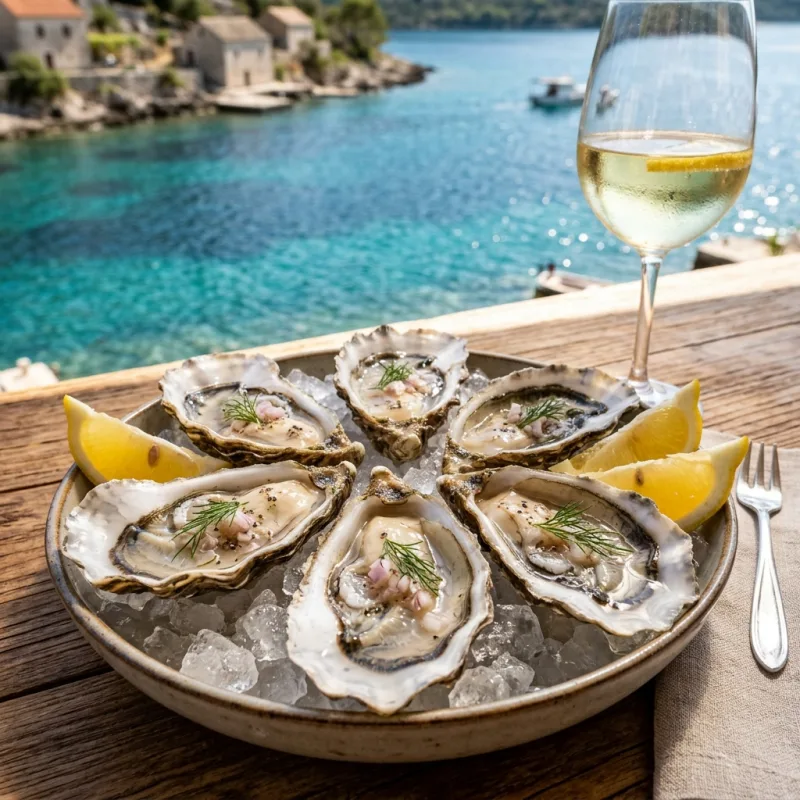
Mali Ston Oysters (Kamenice) - Freshly harvested European flat oysters served raw on crushed ice with a wedge of lemon. Their distinct salinity, velvety texture, and iodine-rich mineral finish capture the pristine Adriatic terroir.
Fresh Mali Ston oysters on half shells with lemon on ice

Maya’s Final Checklist for Peljesac Peninsula

Logistics shouldn’t be the focus of your trip—the experience should. I’ve hand-vetted these essential partners to ensure your arrival, stay, and exploration are as smooth as an Athenian breeze.

Maya, the human travel expert at TravelingWiz, offering curated, non-AI expertise

Where to Stay

Compare accommodation options and choose a stay that suits your plans and budget.

Air Travel

Compare flight options and find a route that fits your plans.

Local Guides

Connect with local guides for personalized help planning and exploring.

Travel Protection

The “Engineer’s” rule: always have a backup. Secure your trip with a plan that covers every “what if” and unexpected change.

Car Rentals

Compare rental options and choose a car that suits your trip.

Visa Information

Don’t let paperwork slow you down. Get expert assistance with your application to ensure all your entry documents are in order.

FAQs

Pelješac can be reached by car via the Pelješac Bridge from mainland Croatia, avoiding the Neum border crossing, or by ferry routes connecting Ploče to Trpanj and Prapratno to Mljet.
Dingač is the most renowned wine, produced from Plavac Mali grapes grown on precipitous, sun-drenched coastal slopes with protected geographic origin status since 1961.
Yes, renting a vehicle is strongly advised because public bus transport is infrequent and attractions, beaches, and wineries are scattered over a 65-kilometer peninsula.
Yes, visitors can walk the restored portions of the 5.5-kilometer stone fortification wall linking Ston and Mali Ston, offering panoramic views of the ancient salt pans.

Your Insights Matter

TravelingWiz grows through the stories of our community. If you’ve recently explored ,Peljesac Peninsula share your tips and stories to help us perfect our guides for the next traveler.

Where should we send your offline card?

We hate spam just as much as you do

newsletter_consent *