Disclosure: This site contains affiliate links. We may earn a commission if you make a purchase, at no extra cost to you.

Panoramic view of the medieval stone walls of Ston snaking over hills above the coastal town in Croatia

Basic Info

COUNTRY & Region

Croatia,
Europe

ACCESSIBILITY LEVEL​

  • High: Widely accessible with good facilities for disabilities.
  • Medium: Some accessible options, but limitations exist.
  • Low: Limited accessibility; many barriers for disabilities.
Medium

LOCAL CURRENCY​

Euro (EUR)

Price Level

Low – budget‑friendly basics

Medium – moderate mid‑range costs

High – pricey lodging, dining & transport

Medium

SAFETY LEVEL

5 shields = Excellent – very low crime or conflict.

4 shields = Safe – low risk, routine care.

3 shields = Relatively safe – use normal street smarts.

2 shields = Use caution – higher crime or periodic unrest.

1 shields = Avoid – active conflict or extreme danger.

Scores are derived from multi-year peace, homicide and security indices blended into a single 1-to-5 scale.

Recommended Duration

Less than an hour, 1-2 hours, 3-5 hours (Half a day), Full day

Ston Overview & Key Highlights

Ston is an ancient fortified municipality located on the Pelješac Peninsula in southern Croatia, approximately 54 kilometers northwest of Dubrovnik. Renowned globally for its medieval defensive stone walls stretching over 5 kilometers, Ston holds the distinction of having one of the longest preserved defensive stone fortification systems in the world. Historically vital to the Republic of Ragusa, the town prospered due to its active sea salt pans, which have operated uninterrupted using solar evaporation methods since the 14th century. Beyond monumental military architecture, Ston and its neighboring hamlet Mali Ston serve as the oyster and mussel capital of the Adriatic Sea. Pristine coastal conditions in Mali Ston Bay nurture European flat oysters (*Ostrea edulis*), offering travelers an authentic culinary heritage deeply intertwined with regional maritime traditions. Ston provides a quieter, historically rich alternative to congested coastal hubs, making it an essential road trip stop for heritage enthusiasts and discerning food travelers.

Ston Travel Guide: Logistics & In-Depth Tips

Ston sits strategically on the narrow isthmus connecting the Pelješac Peninsula to the southern Croatian mainland. Established as a vital military and economic outpost by the Republic of Ragusa in 1333, the town was laid out in a precise grid system planned according to early urban design principles. Its primary purpose was safeguarding the state's most lucrative commodity: solar salt. The resulting 5.5-kilometer stone wall system, fortified with towers and bastions, linked Ston to the harbor of Mali Ston, standing today as a prime testament to medieval military engineering.

Today, visitors step into an authentic coastal atmosphere untouched by large-scale resort developments. Within Ston's quiet stone alleys, traditional konobas serve heritage recipes while the active sea pans still produce mineral-rich salt using centuries-old techniques. Whether conquering the ramparts over the ridge or tasting fresh oysters on a wooden barge in the bay, Ston delivers an intimate window into Dalmatian history and coastal gastronomy.

Reasons to Visit

  • Walk along Europe's longest continuous medieval stone wall complex, boasting sweeping views over the Pelješac isthmus and the Adriatic.
  • Savor authentic European flat oysters pulled directly from the protected marine waters of Mali Ston Bay.
  • Tour Solana Ston, an ancient sea salt production facility operating uninterrupted since the 14th century.
  • Experience an authentic, slow-paced Dalmatian stone town with convenient proximity to Pelješac wine routes.

Things to Avoid

  • Avoid climbing the stone fortifications during peak afternoon hours in midsummer, as stone surfaces trap heat and shade is nonexistent.
  • Do not wear flip-flops, sandals, or heels when walking the walls; uneven historical stone steps require secure footwear.
  • Avoid skipping Mali Ston; while smaller than main Ston, its harbor offers premier seafood dining experiences.
  • Do not expect major nightlife clubs; evenings in Ston are calm, family-oriented, and food-centric.

Local Transportation Tips

Ston is compact and best explored entirely on foot, with historic pedestrian alleys running through both Ston and Mali Ston. A 1.2-kilometer scenic coastal trail or the medieval wall itself connects Ston to Mali Ston. Regional bus line 15 operated by Libertas links Ston to Dubrovnik and Orebić. For exploring the wider Pelješac wine peninsula, renting a car or hiring a local driver is highly recommended.

Travel Etiquette

  • Dress appropriately when entering local churches such as St. Blaise; ensure shoulders and knees are covered.
  • Greet shopkeepers and tavern hosts with a polite 'Dobar dan' upon entering small establishments.
  • Respect active oyster farms by taking guided boat trips rather than approaching wooden nursery markers independently.
  • Tipping in restaurants is customary; rounding up or leaving 10% for good service in sit-down taverns is standard practice.

Recommended Age Group

Ston welcomes all traveler profiles, though physical mobility plays a critical role in enjoying the elevated fortifications.

  • Babies (0-2 years): Neutral. The town centers are flat and walkable with a stroller, but the steep walls and historic stairs are completely inaccessible for prams.
  • Kids (3-12 years): Recommended. Children with basic stamina will enjoy the castle-like atmosphere and fortress viewpoints, provided parents supervise steep ledges carefully.
  • Teens (13-19 years): Recommended. Active teenagers will appreciate the physical challenge of climbing the ramparts and the photographic vistas of the Adriatic coast.
  • Adults (20-64 years): Recommended. Ideal for adults passionate about hiking historic fortifications, wine tasting, and exploring premier regional seafood traditions.
  • Seniors (65+ years): Neutral. Town plazas and seaside promenades are exceptionally relaxing and accessible, but scaling the defensive wall requires considerable leg endurance and balance.

Accessibility Level: Medium

  • The core town center of Ston features flat, paved flagstones accessible to manual wheelchairs, though historical door thresholds can present minor barriers.
  • The ancient defensive walls are not wheelchair-accessible due to numerous steep flights of stone stairs and uneven treads.
  • Solana Ston offers ground-level flat access along the outer salt pans and salt museum building.
  • Designated disabled parking bays are located at the main paid parking lot near the entrance to the Old Town.

Did You Know?

During the medieval era under Ragusan rule, salt production in Ston generated roughly one-third of the entire Republic's annual revenue. Because salt was as valuable as gold, unauthorized harvesting or smuggling carried severe penalties, including exile and execution.

Cool Statistics

  • 5.5 kilometers: original total length of the medieval defensive wall fortification system.
  • 41 towers: historic defensive structures integrated into the surrounding fortresses.
  • 1333: year construction commenced under the direction of the Republic of Ragusa.
  • Over 2 million: annual production estimate of flat oysters harvested in Mali Ston Bay.

Address:

Ston, Croatia

Find Nearby Accommodations

Electricity

220-240V, 
50Hz

Plug Type

Type C (Round pin), Type F (Two round pins with earth clips)
Plug types
Click To View Plug Types
Ston is part of our
Culinary Heritage collection

Activities To Do In Ston

Best Time To Visit Ston

Ston enjoys a Mediterranean climate characterized by hot, dry summers and mild, damp winters. The optimal travel period spans from late spring to early autumn.

  • May to June: Pleasant daytime temperatures (20°C–25°C), low precipitation, and comfortable conditions for walking the defensive ramparts before high summer heat sets in.
  • July to August: Peak season with hot days exceeding 30°C; best experienced by scaling walls early in the morning and reserving afternoons for Mali Ston seafood tastings.
  • September to October: Ideal grape harvesting and wine touring season across the Pelješac Peninsula, paired with warm sea waters and fewer crowds.
  • November to April: Quiet, sleepy off-season with occasional rain and reduced ferry or restaurant hours, though salt flats and scenic views remain open.

Average Temperatures Per Month

Average monthly temperaturesMonthly source values, with Celsius and Fahrenheit equivalents in the following data table.0°32°9°48°18°64°26°79°35°95°JanJan: 9°C / 48°FFebFeb: 10°C / 50°FMarMar: 11°C / 52°FAprApr: 14°C / 57°FMayMay: 19°C / 66°FJunJun: 24°C / 75°FJulJul: 28°C / 82°FAugAug: 27°C / 81°FSepSep: 23°C / 73°FOctOct: 18°C / 64°FNovNov: 14°C / 57°FDecDec: 11°C / 52°F
View temperature data
Average monthly temperatures
Month°C°F
Jan948
Feb1050
Mar1152
Apr1457
May1966
Jun2475
Jul2882
Aug2781
Sep2373
Oct1864
Nov1457
Dec1152

Remember to check the weather forecast a few days before the trip and before heading to the airport.

Safety Level

5 shields = Excellent – very low crime or conflict.

4 shields = Safe – low risk, routine care.

3 shields = Relatively safe – use normal street smarts.

2 shields = Use caution – higher crime or periodic unrest.

1 shields = Avoid – active conflict or extreme danger.

Scores are derived from multi-year peace, homicide and security indices blended into a single 1-to-5 scale.

Ston is an exceptionally safe European municipality with virtually no violent crime. The primary safety hazard involves physical exertion: the stone fortifications are steep, narrow, and lack modern handrails in certain elevated sectors. Wear appropriate footwear, watch your footing during windy conditions, and carry ample drinking water during summer midday climbs.

The rating is based on multi-year peace, crime, and security indices. Before you go, always verify current conditions through official government travel advisories.

Emergency Numbers

Police: 192
Ambulance: 194

No internet needed • Includes local translations • Free for TravelingWiz readers

Spoken Languages

Croatian (Official), English (Widely spoken in tourism and hospitality), German, Italian
Travel Booking Partner - TravelingWiz

Learn The Language

  • Dobar dan — Good day / Hello
  • Molim — Please / You’re welcome
  • Hvala — Thank you
  • Koliko košta? — How much does this cost?
  • Gdje je…? — Where is…?
  • Račun, molim — The bill, please
  • Da / Ne — Yes / No
  • Doviđenja — Goodbye

Trip Cost & Budgeting for Ston, 2026

Everything you need to know about money while traveling
Is Ston expensive for tourists in 2026? While cheaper than neighboring Dubrovnik, Ston is a moderately priced destination in coastal Croatia. Expect to pay around 2.50 EUR for a coffee, 3.50 EUR for a domestic beer, and 18 EUR for a mid-range main meal. Based on Human Verified prices, enjoying local seafood and sights is quite manageable. Use the data table below to calculate your specific daily budget based on your travel style.

LOCAL CURRENCY​:

Euro (EUR)

Price Level:

Low – budget‑friendly basics

Medium – moderate mid‑range costs

High – pricey lodging, dining & transport

Medium

Cards Vs. Cash

Credit cards are accepted at major restaurants and hotels, but cash is essential for small vendors and oyster stalls.

How Much Cash to Carry (on you)

Per person, per day – pocket cash for small purchases.

Local: 14
Euro (EUR)
≈ 15 USD

Average Daily Costs (per person)

Full daily spend estimation (accommodation, food, transportation, attractions).

Travel Style
Euro (EUR)
≈ USD ($)
Budget
75
82
Mid-range
135
148
Comfort
300
329
Note

The Prices, Daily costs, and calculator results are estimates for planning purposes only. Actual costs may vary based on season, booking timing, personal spending habits, and currency fluctuations. TravelingWiz cannot be held responsible for discrepancies between these estimates and your final trip expenses.

Best Value Tips

  • • Sample fresh oysters directly from boat farmers in Mali Ston Bay for significantly lower prices.
  • • Visit local family-run konobas away from the harbor front for hearty seafood meals.
  • • Plan your visit during shoulder seasons like May or September to find cheaper guesthouses.
  • • Take public buses along the Pelješac peninsula instead of booking expensive private day-tour transfers.

Tours & Tickets

Explore tours, attractions, and ticket options to plan your visit.
Plan ahead

Travel Offers & Coupons

Browse travel offers and coupons from our affiliate partners.
Affiliate partner offers

What To Pack

  • Sturdy hiking shoes or trainers with excellent grip for traversing the steep, uneven stone steps of the town walls.
  • UV-protective sunglasses and a broad-brimmed sun hat, as the open ramparts offer zero tree canopy or shade.
  • Refillable stainless steel water bottle to stay hydrated under intense summer coastal heat.
  • Lightweight, breathable linen clothing alongside a light windbreaker for coastal gusts along the Pelješac ridges.
  • Swimwear and quick-dry water shoes for sampling oyster boat tours in Mali Ston Bay.
Only the good stuff!
Browse recommended travel gear
Check out our free packing list tool

Recommended Itineraries for Traveling to Ston

Take your itinerary with you

Choose a ready-made itinerary, plan your own trip, and keep TravelingWiz by your side while you travel.

Get the TravelingWiz app

Food & Drink Highlights

Local Food Overview

Gastronomy in Ston revolves around marine excellence, historical harvesting, and rich Mediterranean soil. Mali Ston Bay is internationally protected due to its unique phytoplankton blend, making it the premier habitat in Europe for wild and cultivated flat oysters (*kamenice*) and Mediterranean black mussels (*dagnje*). Seafood is complemented by traditional Pelješac olive oils, sea salt harvested directly from the town's solar pans, and the indigenous red Plavac Mali wine from hillside terraced vineyards.

Must Try Dish

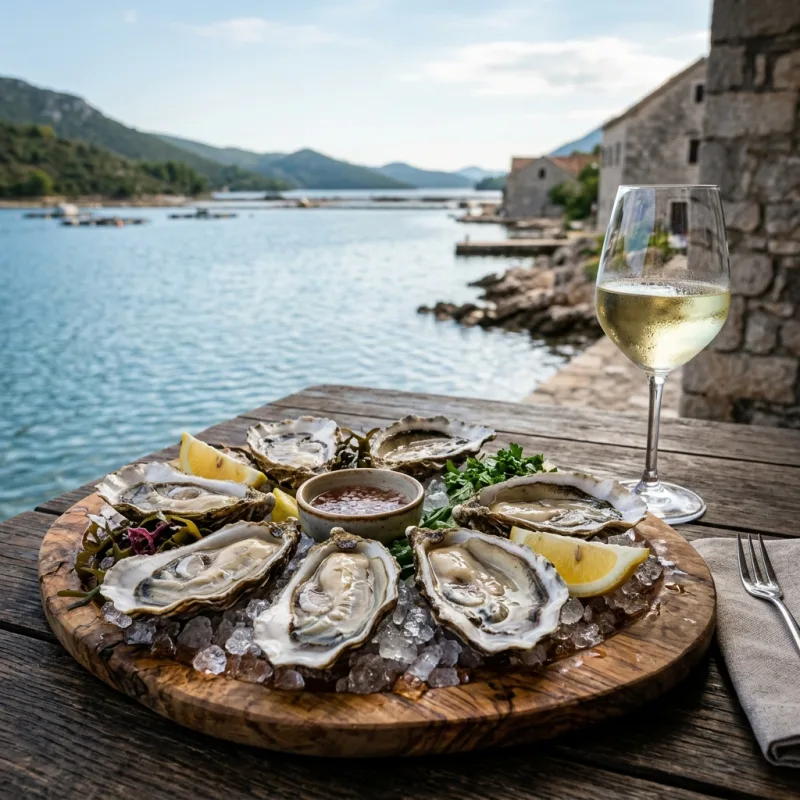
Stonske Kamenice (Ston Oysters) - Freshly harvested European flat oysters served raw on crushed ice, finished simply with a wedge of local lemon. The flavor profile features an unmistakable salinity followed by a sweet, mineral richness directly reflective of Mali Ston Bay's pristine waters.
Freshly shucked Ston oysters on half shell with lemon over ice

Maya’s Final Checklist for Ston

Logistics shouldn’t be the focus of your trip—the experience should. I’ve hand-vetted these essential partners to ensure your arrival, stay, and exploration are as smooth as an Athenian breeze.

Maya, the human travel expert at TravelingWiz, offering curated, non-AI expertise

Where to Stay

Compare accommodation options and choose a stay that suits your plans and budget.

Air Travel

Compare flight options and find a route that fits your plans.

Local Guides

Connect with local guides for personalized help planning and exploring.

Travel Protection

The “Engineer’s” rule: always have a backup. Secure your trip with a plan that covers every “what if” and unexpected change.

Car Rentals

Compare rental options and choose a car that suits your trip.

Visa Information

Don’t let paperwork slow you down. Get expert assistance with your application to ensure all your entry documents are in order.

FAQs

Walking the complete preserved defensive line between Ston and Mali Ston takes approximately 45 to 60 minutes at a moderate pace, involving around 1,000 steps and significant elevation changes.
Yes, Ston is located just 54 kilometers northwest of Dubrovnik, taking roughly 50 to 60 minutes by car or direct regional bus, making it an ideal half-day or full-day excursion.
Mali Ston Bay possesses specific environmental conditions, clean seawater, and unique nutrient densities that allow the rare European flat oyster (Ostrea edulis) to thrive with superior texture and mineral flavor.
Yes, Solana Ston operates as one of the oldest active solar sea salt works in Europe, continuing traditional harvesting methods using natural sun and wind evaporation since antiquity.

Your Insights Matter

TravelingWiz grows through the stories of our community. If you’ve recently explored ,Ston share your tips and stories to help us perfect our guides for the next traveler.

Where should we send your offline card?

We hate spam just as much as you do

newsletter_consent *