Disclosure: This site contains affiliate links. We may earn a commission if you make a purchase, at no extra cost to you.

>
>
>
>
Split-Dalmatia County

Split-Dalmatia County

Panoramic view of Split and Diocletian's Palace on the Adriatic coast

Split-Dalmatia County Overview & Key Highlights

Split-Dalmatia County is a central coastal region in Croatia, encompassing the historic city of Split, the Makarska Riviera, and prominent Adriatic islands such as Hvar, Brač, and Vis. The region serves as a major cultural and transit hub, anchored by the UNESCO-listed Diocletian's Palace, a living Roman monument that forms the heart of Split's Old Town. Beyond the urban center, the county offers diverse landscapes ranging from the rugged Biokovo mountain range to the pristine pebble beaches of the Golden Horn (Zlatni Rat) on Brač. Travelers visiting this region can experience a blend of ancient history, maritime heritage, and vibrant Mediterranean lifestyle. Ferries and catamarans connect the mainland to the islands, making it an ideal destination for island-hopping, sailing, and coastal road trips. The local gastronomy heavily features fresh seafood, olive oil, and indigenous wine varietals like Plavac Mali, reflecting the deep-rooted culinary traditions of Dalmatia.

Split-Dalmatia County Travel Guide: Logistics & In-Depth Tips

Split-Dalmatia County is geographically diverse, bordered by the crystal-clear Adriatic Sea to the west and the Dinaric Alps to the east. The region's historical narrative is etched into its architecture, showcasing a timeline that spans from ancient Illyrian tribes and Roman emperors to Venetian doges and Austro-Hungarian rulers. The city of Split, the county's administrative and cultural capital, is unique globally because its historic core is built directly into and around the ruins of a massive Roman palace constructed by Emperor Diocletian in the 4th century.

Beyond the mainland, the county's archipelago includes some of Croatia's most famous islands. Hvar is renowned for its lavender fields, historic fortress, and vibrant nightlife. Brač offers the iconic Zlatni Rat beach and excellent windsurfing, while Vis provides a more secluded, authentic retreat with its hidden coves and military history. Inland, the Dalmatian hinterland (Zagora) offers a stark contrast with its rugged terrain, traditional stone villages, and hearty meat-based cuisine, providing a comprehensive Mediterranean experience.

Reasons to Visit

  • Diocletian's Palace: Wander through a living UNESCO World Heritage site where ancient Roman walls house modern cafes, shops, and apartments.
  • Island Hopping: Easily access the stunning islands of Hvar, Brač, Šolta, and Vis via a robust network of ferries and catamarans.
  • Makarska Riviera: Enjoy miles of beautiful pebble beaches backed by the dramatic, towering peaks of the Biokovo mountain range.
  • Game of Thrones Filming Locations: Visit iconic set-jetting spots like the Klis Fortress (City of Meereen) and the cellars of Diocletian's Palace.
  • Historical Trogir: Explore this nearby island-town, another UNESCO site, famous for its intricate Romanesque and Renaissance architecture.

Things to Avoid

  • Walking in swimwear off the beach: Historic towns like Split and Hvar have strict dress codes; walking in the old town in just a swimsuit can result in hefty fines.
  • Eating on the main promenades: Restaurants located directly on the Riva (waterfront) are often overpriced and cater to tourists; seek out side streets for authentic food.
  • Unlicensed taxis: Always use official metered taxis or ride-sharing apps like Uber to avoid being overcharged.
  • Underestimating the sun: The Adriatic sun is intense; avoid long boat trips without adequate shade, sunscreen, and hydration.

Local Transportation Tips

Public transportation on the mainland is primarily handled by buses. In Split, the local bus company 'Promet' operates an extensive and affordable network connecting the city center with suburbs and nearby towns like Trogir and Omiš. For intercity travel, modern coach buses are reliable and frequent. To reach the islands, Jadrolinija (the state ferry company) and Krilo (a private catamaran operator) provide daily connections. Renting a car is excellent for exploring the coastal highway and hinterland, but taking a car on ferries can be expensive and time-consuming during peak summer months.

Travel Etiquette

  • Tipping: While a service charge is sometimes included, it is customary to leave a 10% tip in restaurants for good service. In cafes, rounding up the bill is appreciated.
  • Greetings: It is polite to greet shopkeepers and restaurant staff with a friendly 'Dobar dan' (Good day) upon entering.
  • Patience: Embrace 'fjaka', the Dalmatian concept of a relaxed state of mind. Service in cafes and restaurants can be unhurried, reflecting the local slow-paced lifestyle.
  • Respecting History: Do not climb on fragile ancient ruins or deface historical monuments.

Recommended Age Group

Split-Dalmatia County offers diverse attractions that cater to travelers of all ages, though the terrain requires some consideration.

  • Babies (0-2 years): Neutral. While locals are very family-friendly, navigating the cobblestone streets of old towns and pebble beaches with a stroller can be challenging. A baby carrier is highly recommended.
  • Kids (3-12 years): Recommended. Children will love the beaches, boat trips, and exploring ancient fortresses that feel like real-life castles.
  • Teens (13-19 years): Recommended. The region offers excellent active adventures like zip-lining in Omiš, windsurfing on Brač, and exploring Game of Thrones filming locations.
  • Adults (20-64 years): Recommended. Perfect for enjoying the rich culinary heritage, wine tasting, sailing, and vibrant nightlife in places like Hvar and Split.
  • Seniors (65+ years): Recommended. The region offers rich history, scenic boat tours, and excellent Mediterranean food. However, seniors with mobility issues should be mindful of uneven cobblestones and stairs in historic centers.

Accessibility Level: Medium

  • Many historic old towns (like Split and Trogir) feature uneven cobblestones, narrow alleys, and steps, which can be challenging for wheelchair users.
  • Major museums and newer hotels generally offer good accessibility and elevators.
  • Large car ferries operated by Jadrolinija are wheelchair accessible, but smaller passenger catamarans and private excursion boats often are not.
  • Some popular beaches have added ramps and specialized lifts for water access, particularly in larger towns, but remote island coves remain inaccessible.

Did You Know?

The brilliant white limestone used to construct Diocletian's Palace was quarried from the nearby island of Brač. This same high-quality stone has been highly prized throughout history and was allegedly used in the construction of several famous buildings worldwide, including the Parliament Building in Budapest and parts of the White House in Washington D.C.

Cool Statistics

  • Diocletian's Palace was built at the turn of the 4th century AD and covers approximately 30,000 square meters.
  • Split-Dalmatia County encompasses 74 islands and islets in the Adriatic Sea.
  • Sveti Jure, the highest peak of the Biokovo mountain range, towers at 1,762 meters (5,781 feet) directly above the coastline.
  • The region enjoys an average of 2,700 hours of sunshine per year, making it one of the sunniest spots in Europe.


Address:

Split-Dalmatia County, Croatia

Find Nearby Accommodations

Basic Info

address icon

COUNTRY & Region

Croatia,
Europe

ACCESSIBILITY LEVEL​

Medium
Currency icon

LOCAL CURRENCY​

Euro (EUR)
Price level icon
Medium
Safety Level icon

SAFETY LEVEL

Duration icon

Recommended Duration

• 1-7 days
• More than a week

Electricity

electricity icon

Electricity

220-240V, 
50Hz
Plug Socket icon

Plug Type

• Type C (Round pin)
• Type F (Two round pins with earth clips)
Plug types
Click To View Plug Types
Split-Dalmatia County is part of our
Set-Jetting collection

Things To Do In Split-Dalmatia County

Total: 1

The lively Riva promenade in Split, Croatia, with Diocletian's Palace and palm trees at sunset.
Explore Split highlights: Diocletian's Palace, beaches & Marjan Hill. Complete 2026 guide covering inflation, itineraries, costs, safety & budget.

Activities To Do In Split-Dalmatia County

Best Time To Visit Split-Dalmatia County

The optimal time to visit Split-Dalmatia County is during the shoulder seasons of May to June and September to October.

  • Spring (May - June): Pleasant temperatures, blooming nature, and fewer crowds, ideal for sightseeing and outdoor activities.
  • Summer (July - August): Peak tourist season with hot weather, perfect for swimming and island nightlife, though expect high prices and dense crowds.
  • Autumn (September - October): The sea remains warm enough for swimming, while the air temperature cools down, offering a relaxed atmosphere for exploring.
  • Winter (November - April): Quiet and cool, with many island businesses closing down, though mainland cities like Split offer a peaceful, authentic local experience.

Average Temperatures Per Month

Remember to check the weather forecast a few days before the trip and before heading to the airport.

Safety Level icon

Safety Level

Split-Dalmatia County is generally very safe for travelers. Exercise standard precautions against pickpockets in crowded tourist areas, particularly around Diocletian's Palace and major ferry ports. When driving the coastal highway (Jadranska Magistrala), be cautious of sharp turns and aggressive local drivers overtaking. Always check the local weather forecast (specifically for the strong 'Bura' wind) before renting small boats or engaging in water sports.

The rating is based on multi-year peace, crime, and security indices. Before you go, always verify current conditions through official government travel advisories.

Emergency Numbers

Police: 192
Ambulance: 194

No internet needed • Includes local translations • Free for TravelingWiz readers

Spoken Languages

Croatian is the official language. English is widely spoken and understood, especially by younger generations and those working in the tourism and hospitality sectors. German and Italian are also commonly understood in tourist areas.

Learn The Language

  • Dobar dan (Good day)
  • Hvala (Thank you)
  • Molim (Please / You’re welcome)
  • Da (Yes)
  • Ne (No)
  • Koliko to košta? (How much does this cost?)
  • Gdje je WC? (Where is the toilet?)
  • Govorite li engleski? (Do you speak English?)
Travel Booking Partner - TravelingWiz

Trip Cost & Budgeting for Split-Dalmatia County, 2026

Everything you need to know about money while traveling
Is Split-Dalmatia County expensive for tourists in 2026? No, it remains a moderately priced destination offering great value compared to Western Europe. Based on our Human Verified prices, you can expect to pay around 2.50 EUR for a cappuccino, 4.25 EUR for a pint of domestic beer, and about 18.00 EUR for a standard main meal at a mid-range restaurant. Use the data table below to calculate your specific daily budget based on your travel style. With TravelingWiz's Human Verified data, a typical traveler should expect to spend around $142 USD per day for a mid-range trip in Split-Dalmatia County. Click the Trip Cost Calculator button below the table to work out your personal budget for this trip.
Currency icon

LOCAL CURRENCY​:

Euro (EUR)
Price level icon
Medium
Credit cards are widely accepted in Split, but carry cash for small cafes, local markets, and ferry terminals.

Per person, per day – pocket cash for small purchases.

Local: 25
Euro (EUR)
≈ 29 USD

Full daily spend estimation (accommodation, food, transportation, attractions).

Travel Style
Euro (EUR)
≈ USD ($)
Budget
70
81
Mid-range
125
144
Comfort
280
322

The Prices, Daily costs, and calculator results are estimates for planning purposes only. Actual costs may vary based on season, booking timing, personal spending habits, and currency fluctuations. TravelingWiz cannot be held responsible for discrepancies between these estimates and your final trip expenses.

  • Travel during the shoulder seasons (May-June or September-October) to save up to 50% on accommodation and avoid peak summer crowds.
  • Take public Jadrolinija passenger ferries instead of private speedboats to explore nearby islands like Brač and Hvar affordably.
  • Dine at local taverns (konobas) outside the walls of Diocletian's Palace to enjoy authentic Dalmatian dishes at much lower prices.
  • Explore Diocletian's Palace and hike up Marjan Hill for panoramic views of Split, both of which are completely free.

Pre-Order Tickets

Avoid disappointment when tickets sell out — and skip the long lines by booking online in advance. You’ll often save up to 20% too.
Save up to 20%

Travel Discounts & Coupons

Save on hotels, attractions, transport, and gear — find verified discounts for smarter travel spending.
Verified Coupons

What To Pack

  • Water shoes to protect your feet on the region's famous pebble beaches.
  • High-SPF sunscreen and a wide-brimmed hat for intense summer sun.
  • Comfortable, sturdy walking shoes for navigating ancient cobblestone streets.
  • A light windbreaker or sweater for breezy evening ferry rides.
  • Modest clothing (covering shoulders and knees) for visiting historic churches and cathedrals.
We couldn't find tips for Split-Dalmatia County.
If you got any, please share

Recommended Itineraries for Traveling to Split-Dalmatia County

We couldn't find itineraries for Split-Dalmatia County.
you can contact us for custom trip plan

Food & Drink Highlights

Local Food Overview

Dalmatian cuisine is a quintessential Mediterranean diet, relying heavily on fresh seafood, locally pressed olive oil, garlic, and aromatic herbs like rosemary and sage. Traditional cooking methods include 'peka' (meat or octopus baked under a cast-iron bell covered in embers) and 'gradele' (grilling fish over an open wood fire).
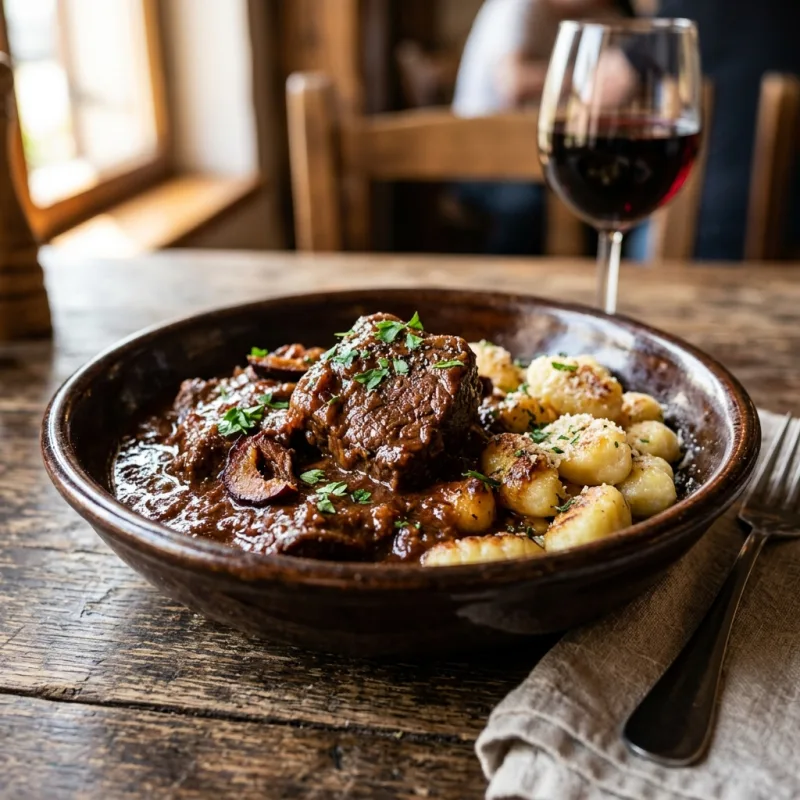
A bowl of Dalmatinska Pašticada with gnocchi

Must Try Dish

Dalmatinska Pašticada - A slow-cooked beef stew prepared with a rich, sweet-and-sour sauce made from red wine, prunes, and root vegetables. It is traditionally served with homemade potato gnocchi and is a staple at local weddings and celebrations.
Food Experiences Title Icon

Food
Experiences

Discover cooking classes, tastings and local food tours

No food experience found
Maya, the human travel expert at TravelingWiz, offering curated, non-AI expertise

Maya’s Final Checklist for Split-Dalmatia County

Logistics shouldn’t be the focus of your trip—the experience should. I’ve hand-vetted these essential partners to ensure your arrival, stay, and exploration are as smooth as an Athenian breeze.

Where to Stay

From boutique hotels to local apartments—compare thousands of options and find the perfect stay in the best neighborhood.

Air Travel

Getting there should be seamless. Compare the best routes and prices across top airlines to start your journey on the right note.

Local Guides

Connect with experts who know the destination best. Get personalized advice and insider tips to help you plan your perfect trip.

Travel Protection

The “Engineer’s” rule: always have a backup. Secure your trip with a plan that covers every “what if” and unexpected change.

Car Rentals

Explore at your own pace with total freedom. Compare reliable rental options and find the right vehicle for your adventure.

Visa Services

Don’t let paperwork slow you down. Get expert assistance with your application to ensure all your entry documents are in order.

FAQs

A car is highly recommended if you plan to explore the mainland coast, the Makarska Riviera, or the inland Dalmatian hinterland. However, if you are primarily staying in Split and island-hopping, public buses and ferries are sufficient and often more convenient.
Yes, tap water is safe to drink throughout Split-Dalmatia County and is of very high quality.
The vast majority of beaches in Dalmatia are pebble or rocky. Water shoes are highly recommended for comfort and to protect against sea urchins.
Split Airport (SPU) is located near Trogir, about 24 km from Split. You can take the official airport shuttle bus, a local public bus (Line 37), a taxi, or an Uber to reach the city center.
The optimal time for you to visit is during the shoulder seasons of May to June and September to October. During these months, you can enjoy warm sea temperatures, pleasant weather, and smaller crowds. Peak summer brings heavy tourism and high heat, while winter is very quiet with many island businesses temporarily closing.
No, it remains a moderately priced European destination that offers excellent value for money. While costs peak during July and August, traveling during the shoulder months and dining at traditional local taverns can help keep your expenses low. For precise, up-to-date cost breakdowns and price estimates, please refer to the Budget section on this page.
No, you must cover up when leaving the beach. Historic destination centers such as Split and Hvar enforce strict dress codes, and walking through old town streets or public plazas in bathing suits can lead to steep fines. Always bring light street clothes or a cover-up to wear when exploring town.

Your Insights Matter

TravelingWiz grows through the stories of our community. If you’ve recently explored ,Split-Dalmatia County share your tips and stories to help us perfect our guides for the next traveler.

Related Articles

Check out our related articles and blog posts to learn even more about the destination.

No related articles found

Don’t Travel Alone

Share with your friends and family

Where should we send your offline card?

We hate spam just as much as you do

newsletter_consent *